Please wait while we open this resource.


K

Clinical reviews
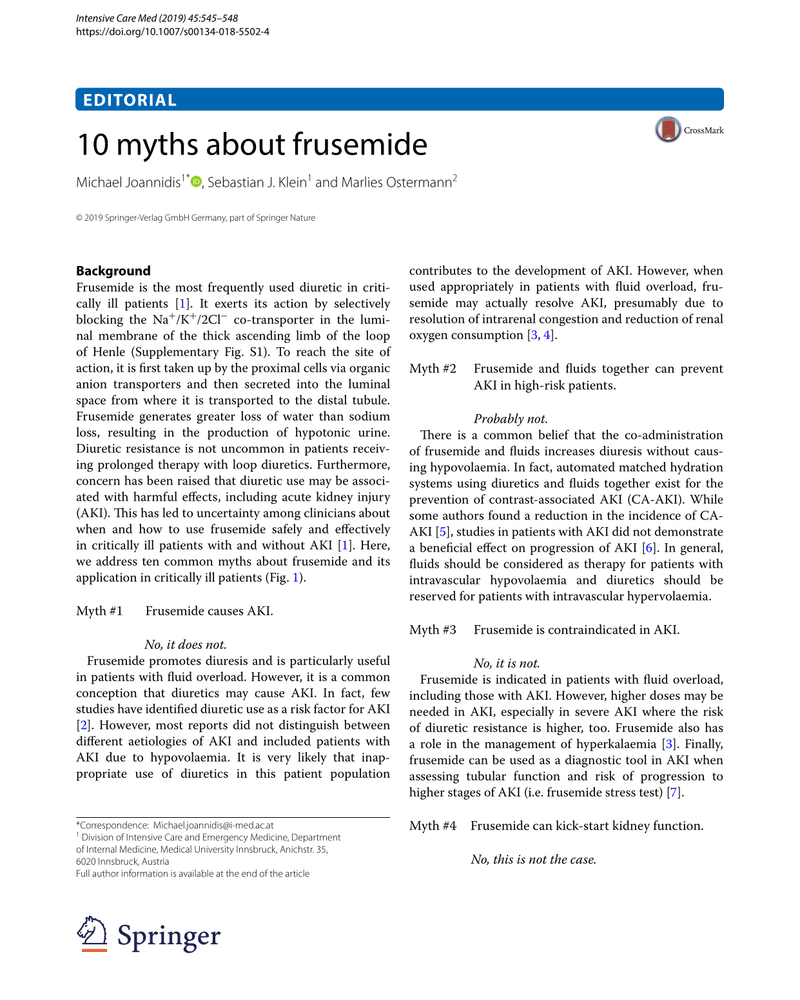
10 MYTHS ABOUT FRUSEMIDE
Springer-Verlag GmbH Germany, part of Springer Nature
PDF20195 pages1.3 MB
Frusemide is primarily used to induce diuresis in patients with fluid overload, especially in critical care settings. Despite its common use, there are widespread misconceptions about its effects, including concerns about its association with acute kidney injury (AKI) and its role in renal recovery. This document clarifies these myths by providing evidence-based insights into the appropriate use of frusemide and its implications for patient management in critical care.
Sign in to open
Ask this resource
Answers use this document only.
Your first question is free.
More like this
Resources from the same specialty and type. Curated links will replace these when added.
Clinical Resources
Documents that extend or complement this resource.
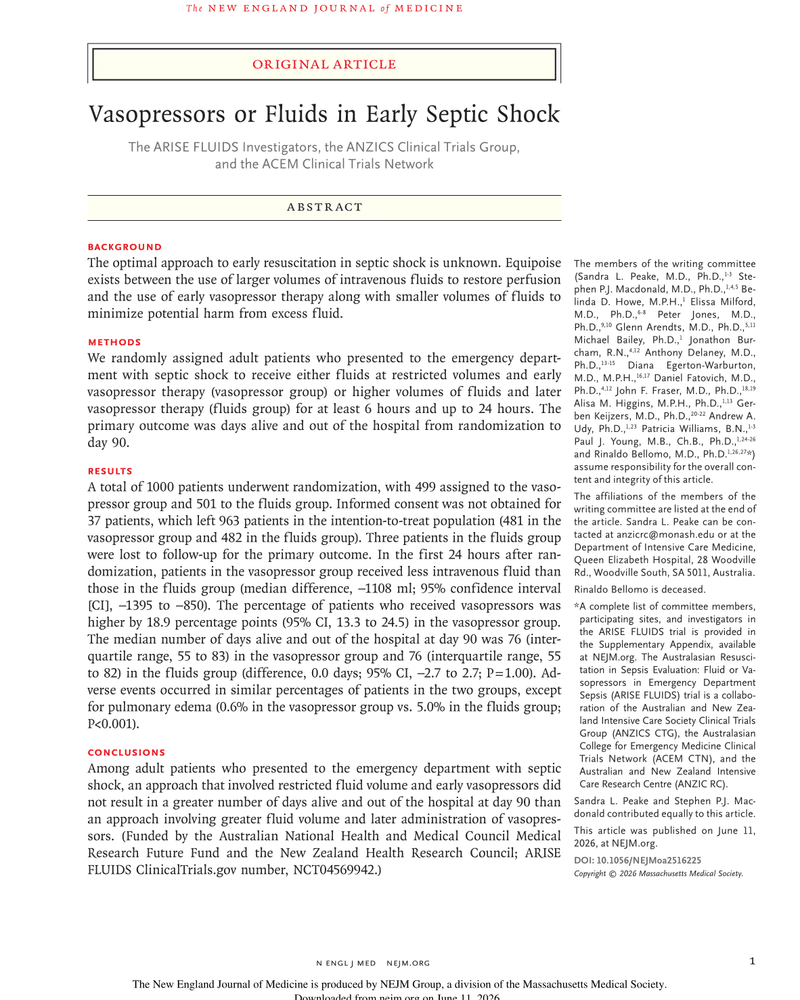
VASOPRESSORS OR FLUIDS IN EARLY SEPTIC SHOCK
Same clinical topic · Critical Care Medicine
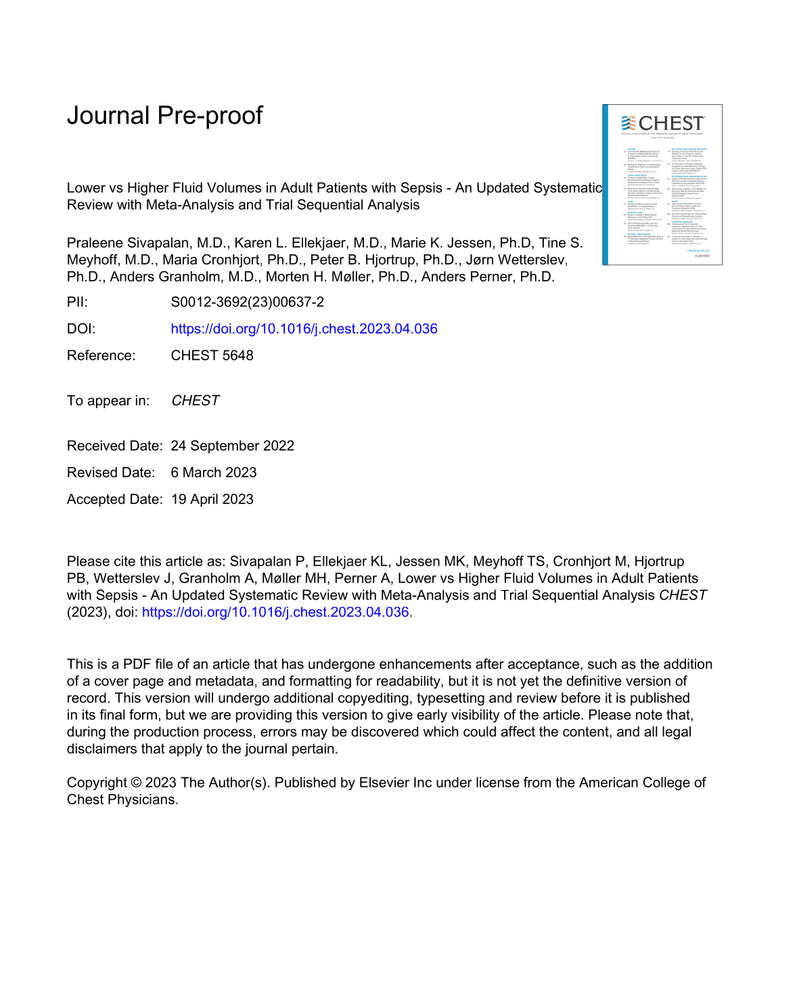
LOWER VS HIGHER FLUID VOLUMES IN ADULT PATIENTS WITH SEPSIS - AN UPDATED SYSTEMATIC REVIEW WITH META-ANALYSIS AND TRIAL SEQUENTIAL ANALYSIS
Same clinical topic · Critical Care Medicine
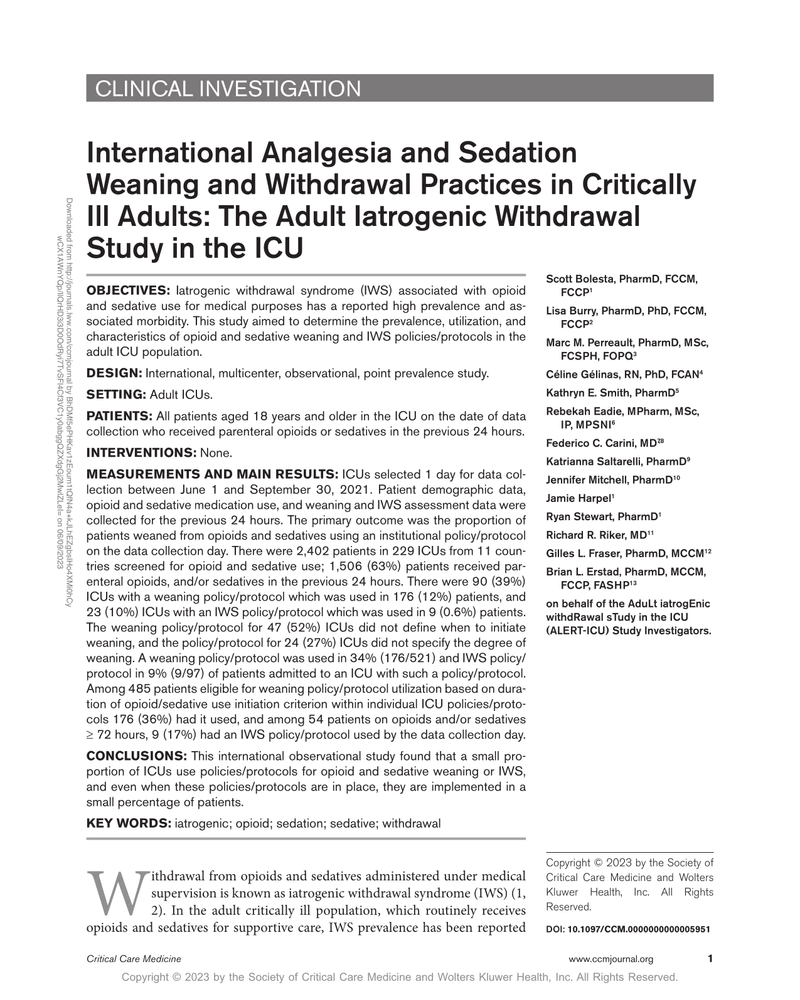
INTERNATIONAL ANALGESIA AND SEDATION WEANING AND WITHDRAWAL PRACTICES IN CRITICALLY ILL ADULTS: THE ADULT IATROGENIC WITHDRAWAL STUDY IN THE ICU
Same clinical topic · Critical Care Medicine

HEPARIN-INDUCED THROMBOCYTOPAENIA
Same clinical topic · Critical Care Medicine
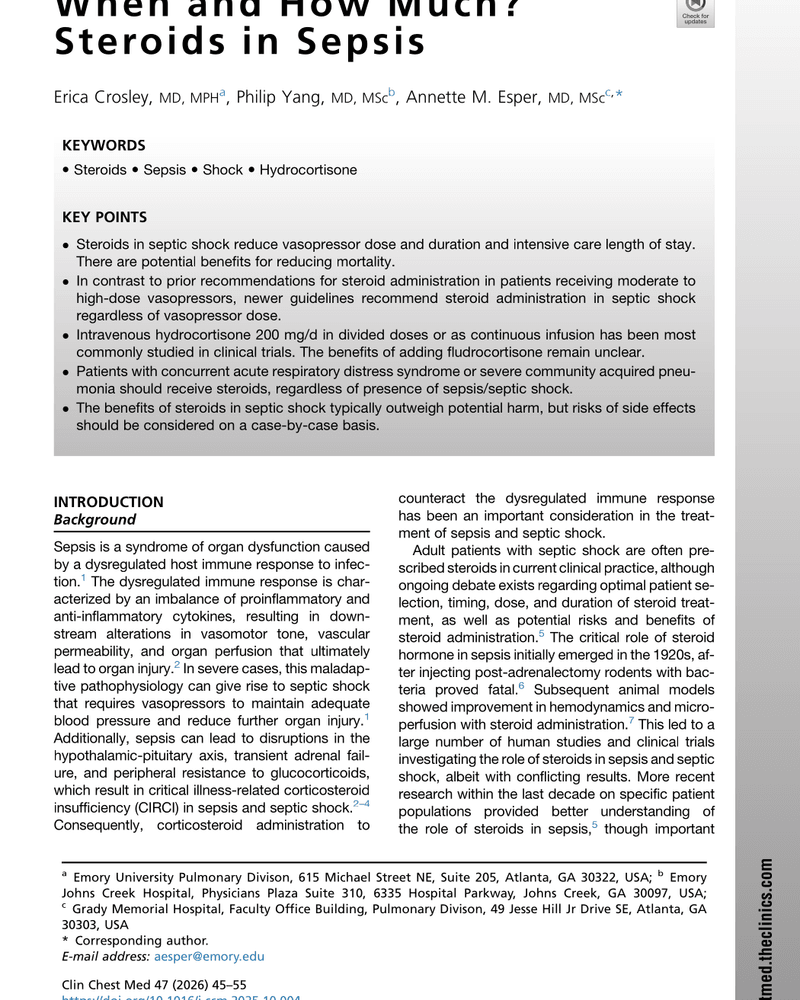
WHEN AND HOW MUCH? STEROIDS IN SEPSIS
Same clinical topic · Critical Care Medicine
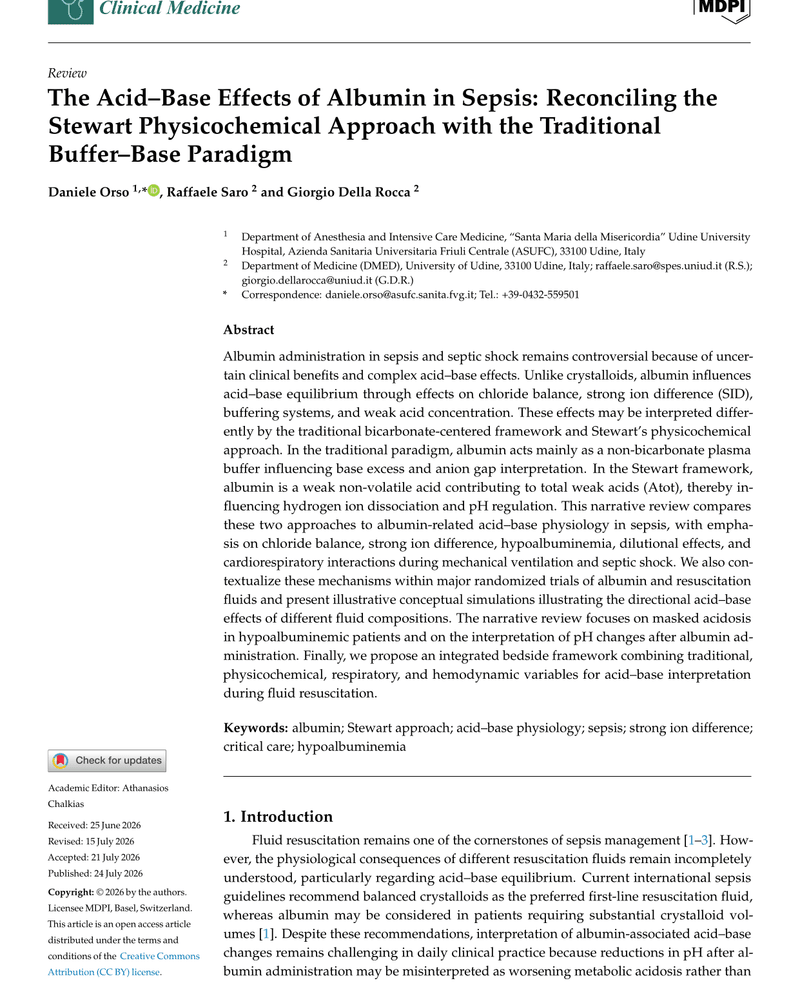
THE ACID-BASE EFFECTS OF ALBUMIN IN SEPSIS: RECONCILING THE STEWART PHYSICOCHEMICAL APPROACH WITH THE TRADITIONAL BUFFER-BASE PARADIGM
Same clinical topic · Critical Care Medicine
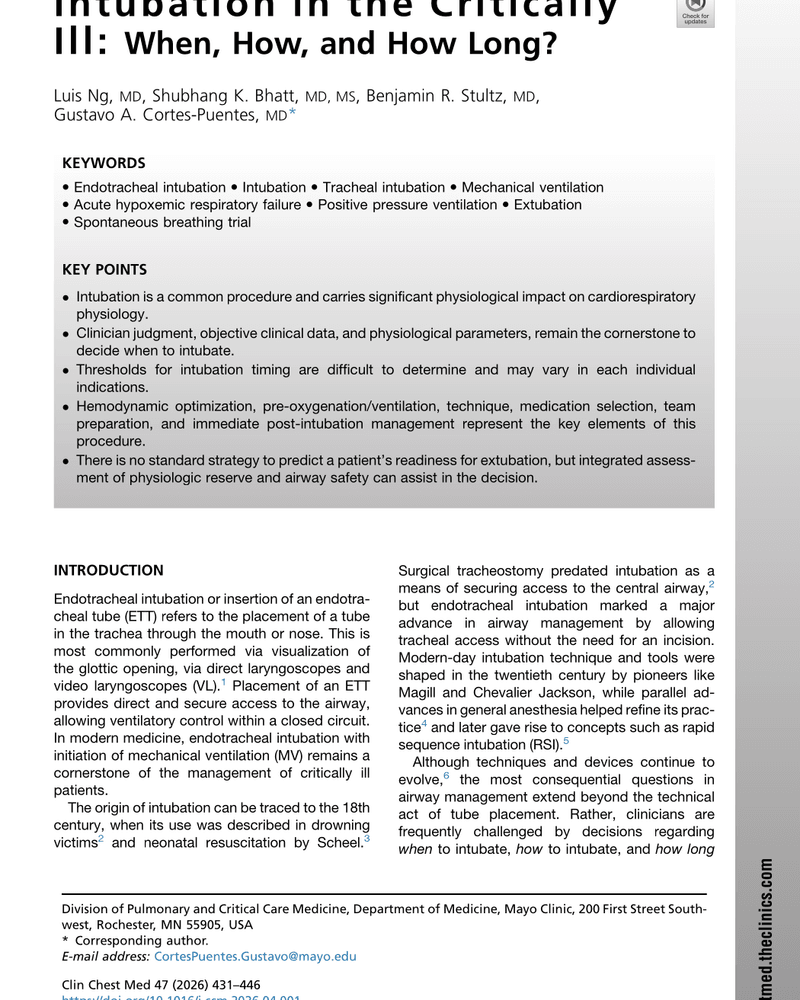
Intubation in the Critically Ill: When, How, and How Long?
Same clinical topic · Critical Care Medicine
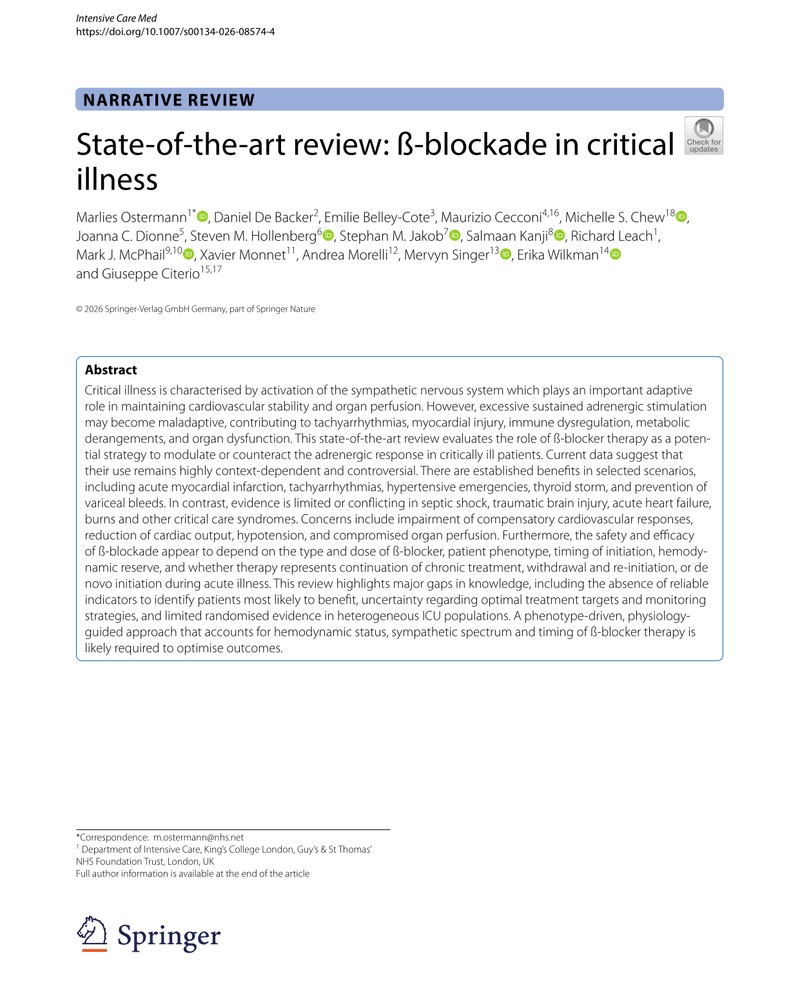
STATE - OF - THE - ART REVIEW: ß - BLOCKADE IN CRITICAL ILLNESS
Same clinical topic · Critical Care Medicine
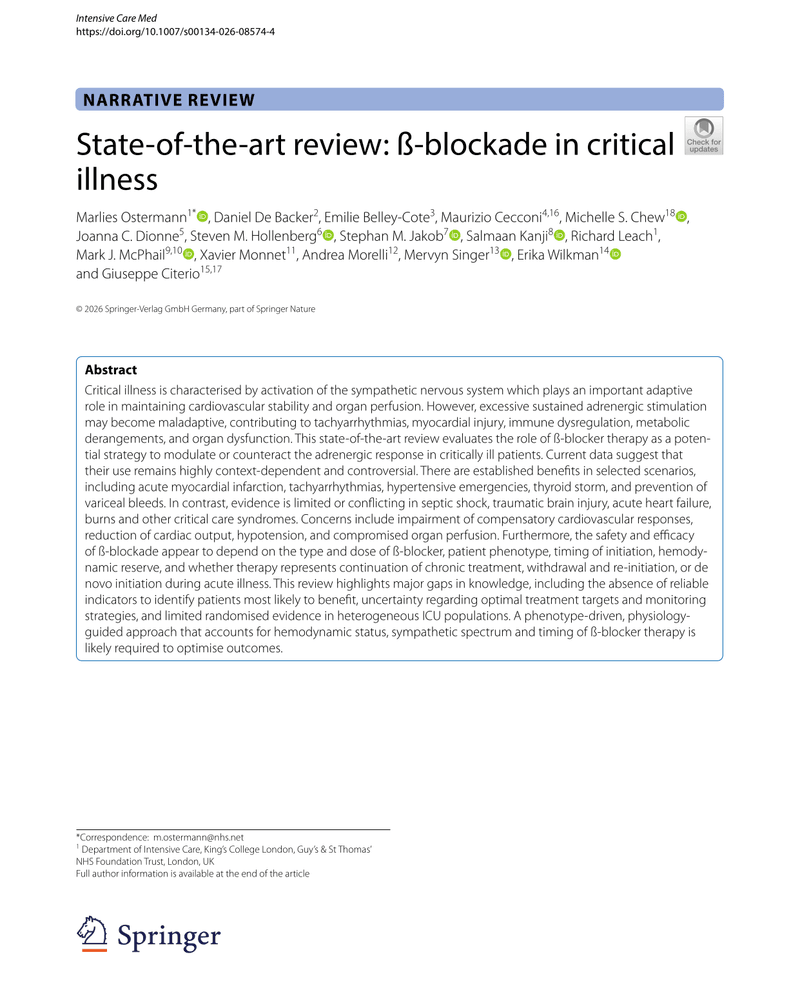
STATE - OF - THE - ART REVIEW: ß - BLOCKADE IN CRITICAL ILLNESS
Same clinical topic · Critical Care Medicine