Please wait while we open this resource.


K

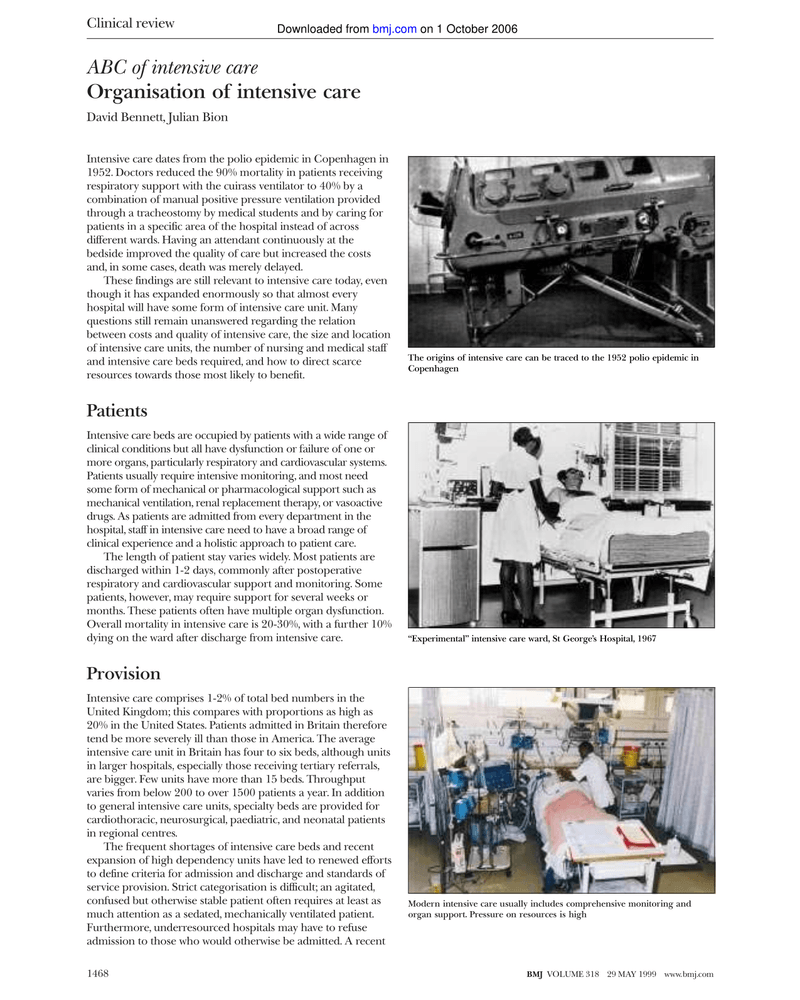
Clinical reviews
ABC OF INTENSIVE CARE
null
PDF199949 pages1.5 MB
Intensive care has significantly evolved since its inception during the polio epidemic, where innovative practices reduced mortality rates. The document outlines the complexities of patient care in intensive care units, emphasizing the need for continuous monitoring and support for patients with organ dysfunction. It also addresses the challenges of resource allocation and the ongoing quest for evidence-based practices in intensive care medicine.
Sign in to open
Ask this resource
Answers use this document only.
Your first question is free.
More like this
Resources from the same specialty and type. Curated links will replace these when added.
Clinical Resources
Documents that extend or complement this resource.
CORTICOSTEROIDS IN ARDS: OLD CONTROVERSIES, NEW INSIGHTS, AND FUTURE DIRECTIONS
Same clinical topic · Intensive Care Medicine
MECHANICAL VENTILATION IN THE CRITICALLY ILL OBESE PATIENT
Same clinical topic · Intensive Care Medicine
IDENTIFICATION OF AN OPTIMAL THRESHOLD TO DEFINE OLIGURIA IN CRITICALLY ILL PATIENTS: AN OBSERVATIONAL STUDY
Same clinical topic · Intensive Care Medicine
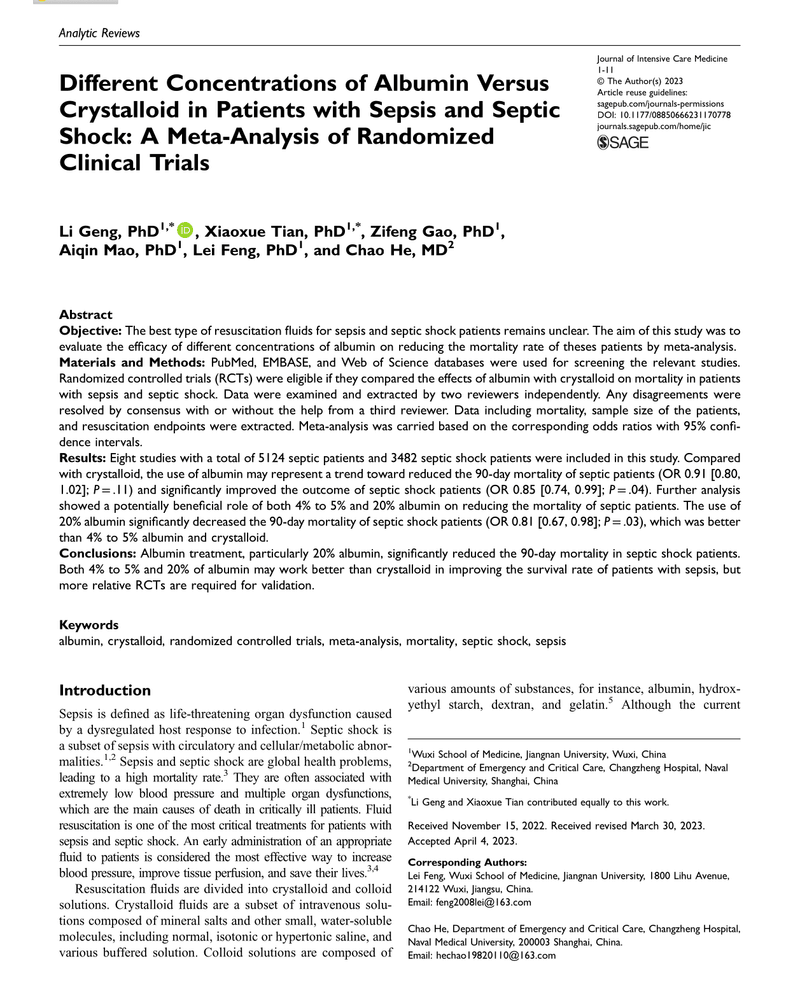
DIFFERENT CONCENTRATIONS OF ALBUMIN VERSUS CRYSTALLOID IN PATIENTS WITH SEPSIS AND SEPTIC SHOCK: A META-ANALYSIS OF RANDOMIZED CLINICAL TRIALS
Same clinical topic · Intensive Care Medicine
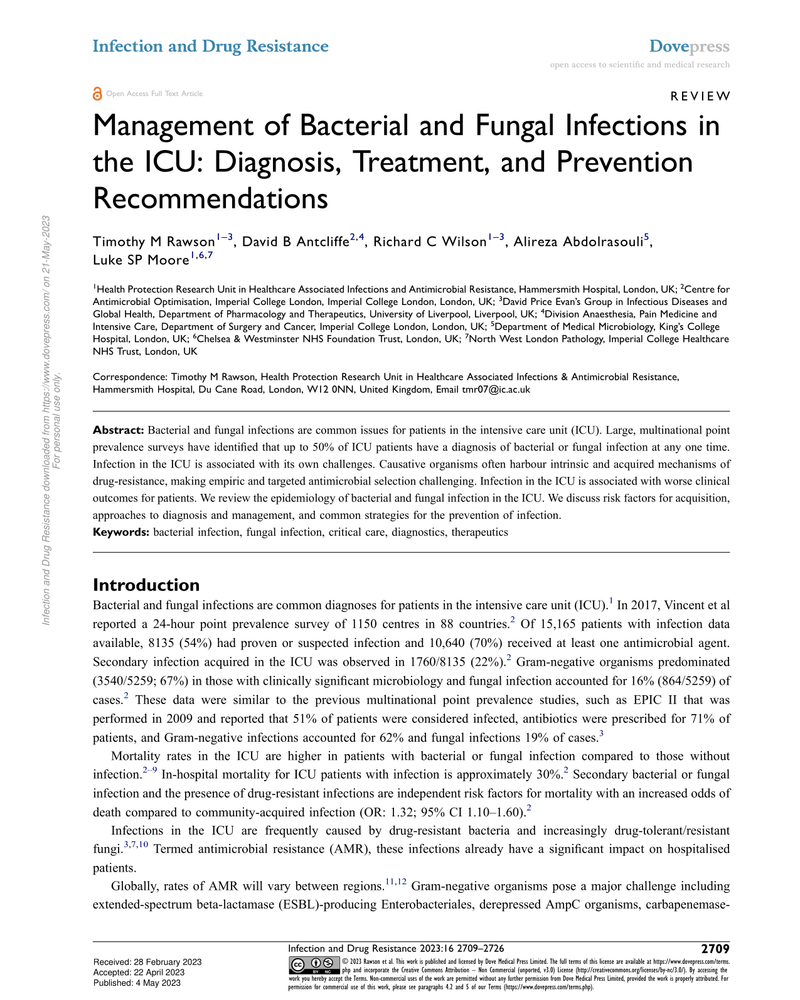
Management of Bacterial and Fungal Infections in the ICU: Diagnosis, Treatment, and Prevention Recommendations
Same clinical topic · Intensive Care Medicine
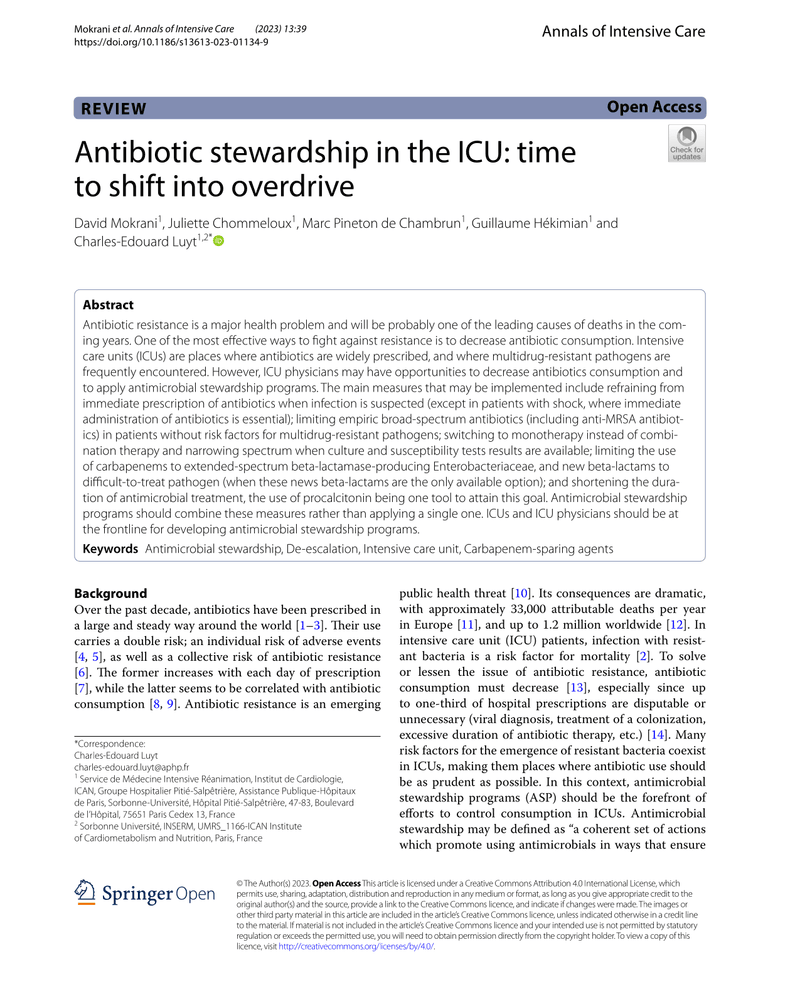
ANTIBIOTIC STEWARDSHIP IN THE ICU: TIME TO SHIFT INTO OVERDRIVE
Same clinical topic · Intensive Care Medicine
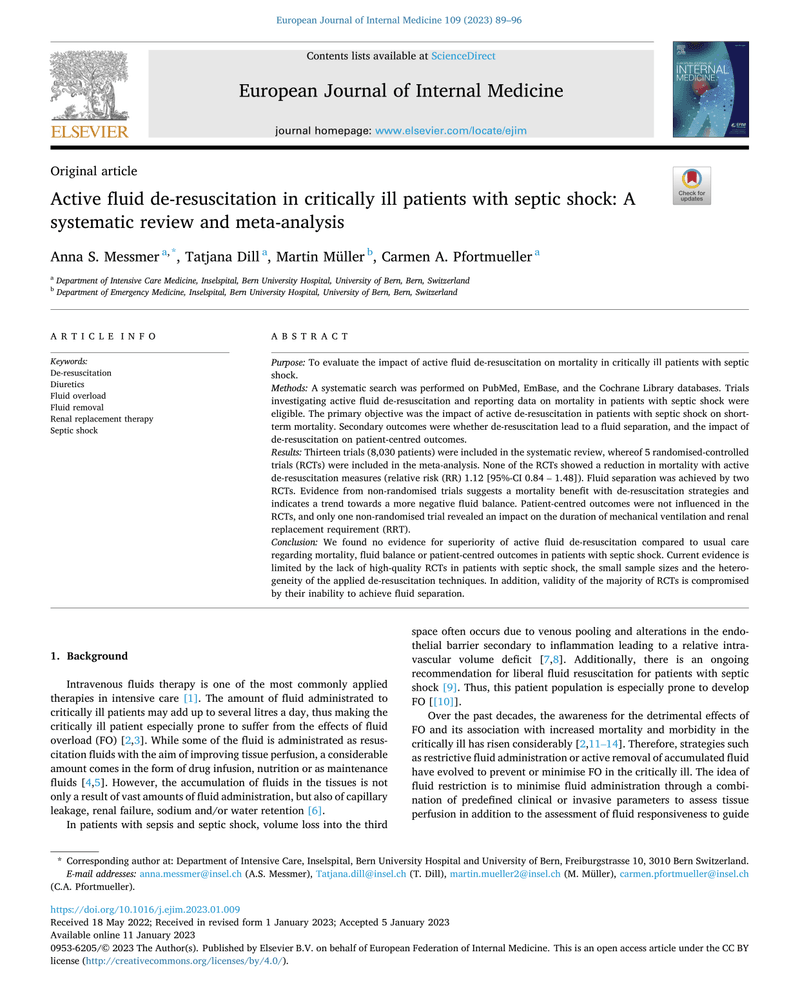
ACTIVE FLUID DE-RESUSCITATION IN CRITICALLY ILL PATIENTS WITH SEPTIC SHOCK: A SYSTEMATIC REVIEW AND META-ANALYSIS
Same clinical topic · Intensive Care Medicine
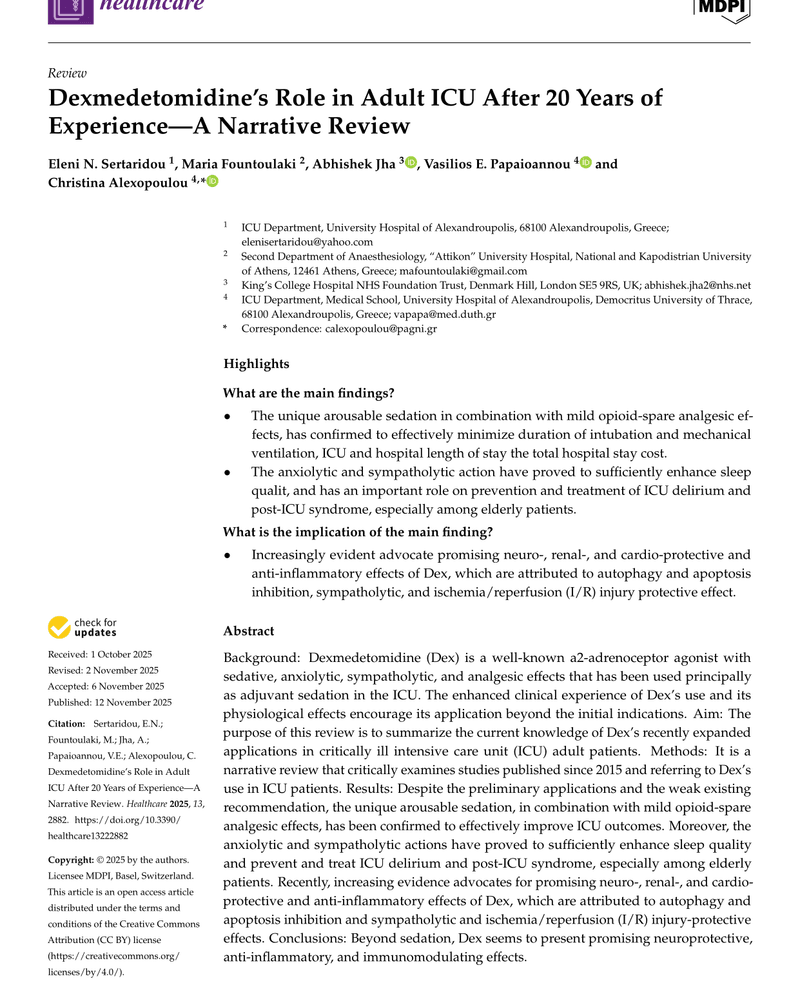
DEXMEDETOMIDINE’S ROLE IN ADULT ICU AFTER 20 YEARS OF EXPERIENCE—A NARRATIVE REVIEW
Same clinical topic · Intensive Care Medicine
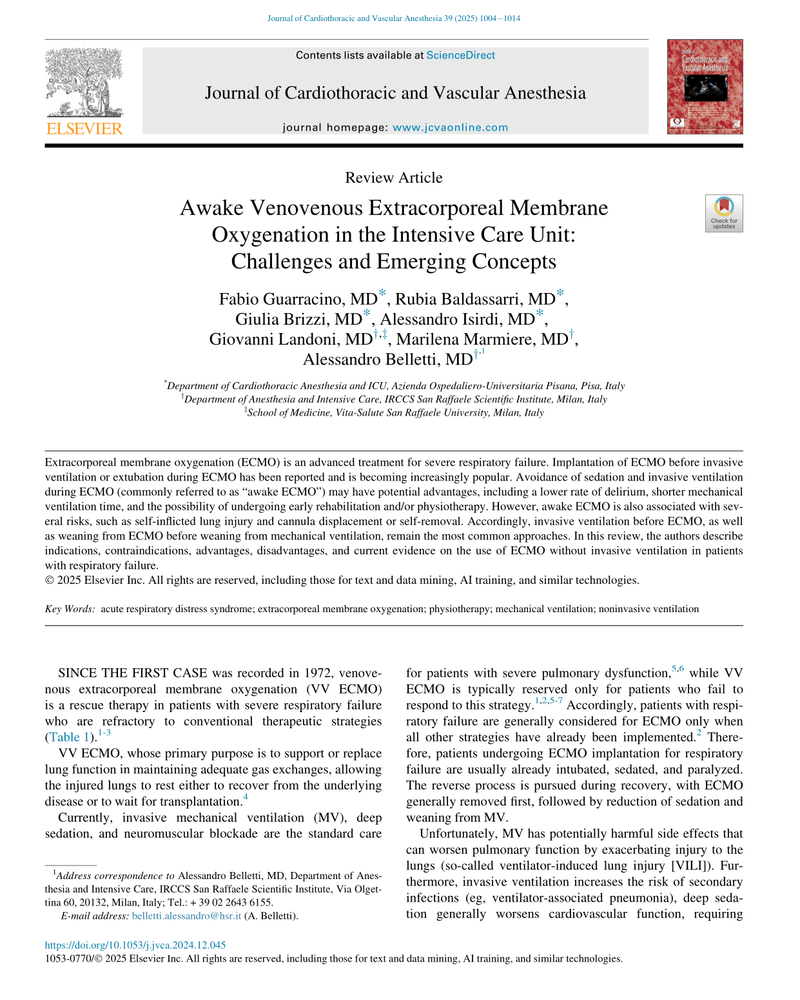
AWAKE VENOVENOUS EXTRACORPOREAL MEMBRANE OXYGENATION IN THE INTENSIVE CARE UNIT: CHALLENGES AND EMERGING CONCEPTS
Same clinical topic · Intensive Care Medicine