Please wait while we open this resource.


K

Clinical reviews
ACUTE DYSPNEA IN THE EMERGENCY DEPARTMENT: A CLINICAL REVIEW
Pierachille Santus, Dejan Radovanovic, Marina Saad, Camilla Zilianti, Silvia Coppola, Davide Alberto Chiumello, Matteo Pecchiari
PDF202317 pages2.1 MB
Acute dyspnea is a common symptom that leads to emergency room evaluations, necessitating careful assessment due to its significant prognostic implications. The differential diagnosis is complex, requiring prompt diagnostic evaluation to determine the appropriate care setting. Recent evidence highlights the utility of lung ultrasound and echocardiography in differentiating the causes of dyspnea. Additionally, non-invasive respiratory support methods, such as high-flow nasal oxygen and continuous positive airway pressure, are gaining attention for their effectiveness in treating patients with respiratory failure.
Sign in to open
Ask this resource
Answers use this document only.
Your first question is free.
More like this
Resources from the same specialty and type. Curated links will replace these when added.
Clinical Resources
Documents that extend or complement this resource.
Approach to Acute Abdominal Pain: Practical Algorithms
Same clinical topic · Emergency Medicine
TREATMENT AND MONITORING
Same clinical topic · Emergency Medicine
Managing Diabetic Ketoacidosis
Same clinical topic · Emergency Medicine
BLOOD PRESSURE MANAGEMENT IN NEUROLOGIC EMERGENCIES
Same clinical topic · Emergency Medicine
BLOOD PRESSURE MANAGEMENT IN NEUROLOGIC EMERGENCIES
Same clinical topic · Emergency Medicine
TOXICOLOGICAL CHAIN OF SURVIVAL (TCS): AN INTEGRAL APPROACH TO THE INTOXICATED PATIENT. NARRATIVE REVIEW
Same clinical topic · Emergency Medicine
FAILURES IN THE MANAGEMENT OF STATUS EPILEPTICUS
Same clinical topic · Emergency Medicine
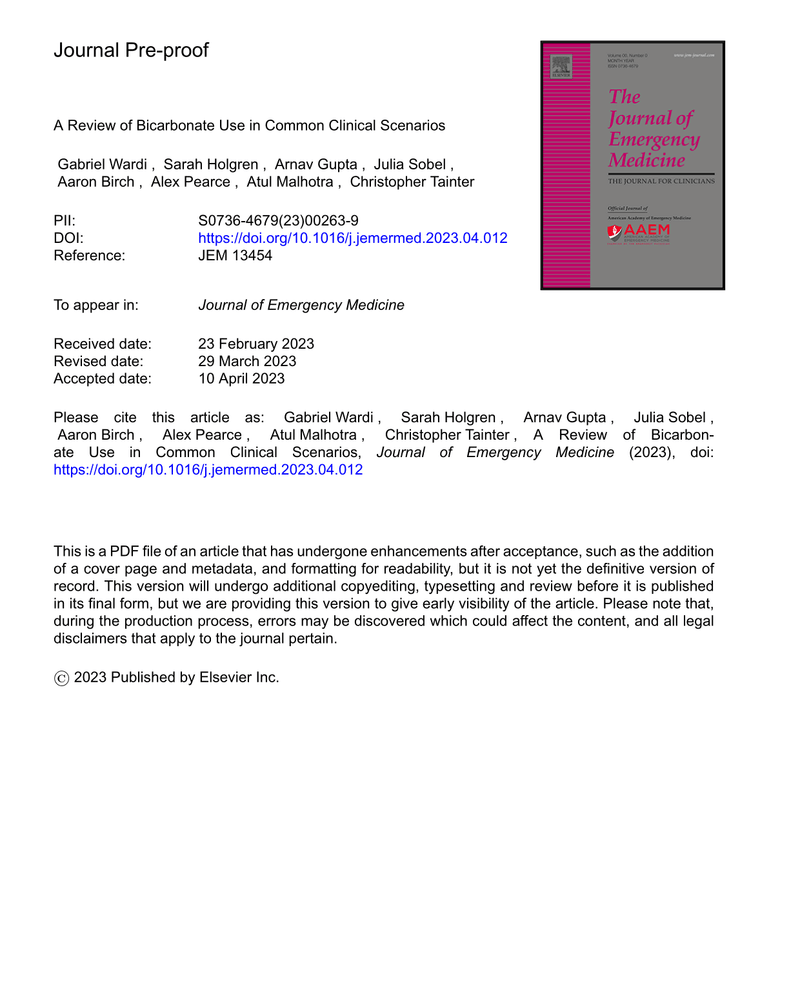
A Review of Bicarbonate Use in Common Clinical Scenarios
Same clinical topic · Emergency Medicine
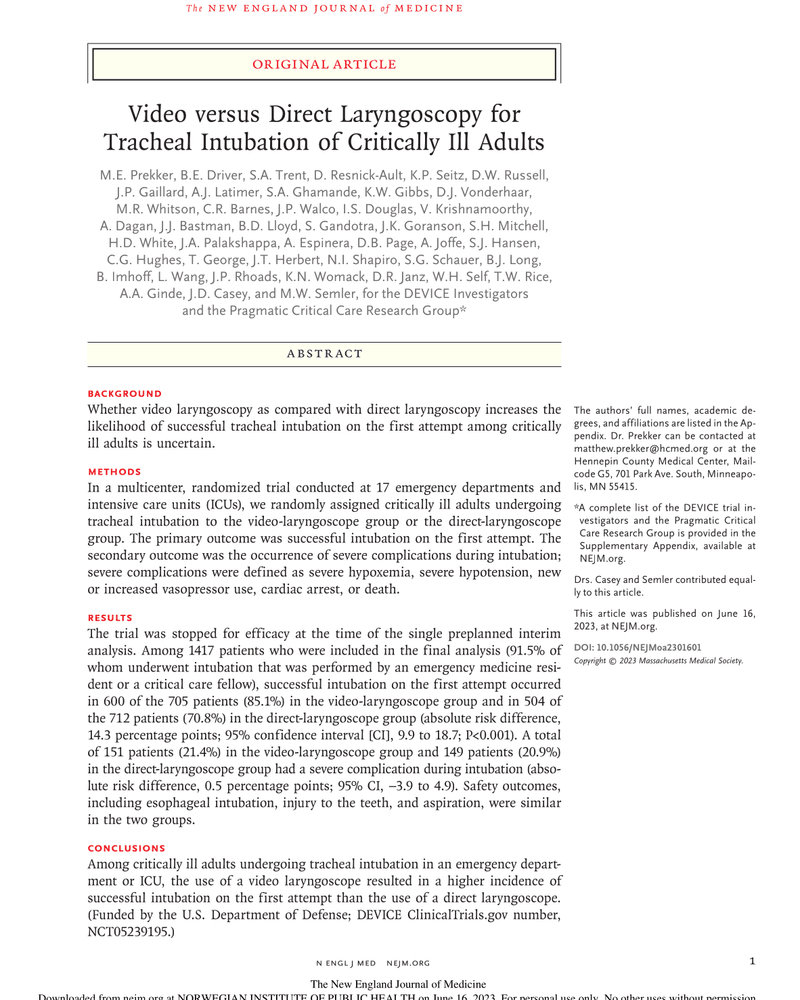
VIDEO VERSUS DIRECT LARYNGOSCOPY FOR TRACHEAL INTUBATION OF CRITICALLY ILL ADULTS
Same clinical topic · Emergency Medicine