Please wait while we open this resource.


K

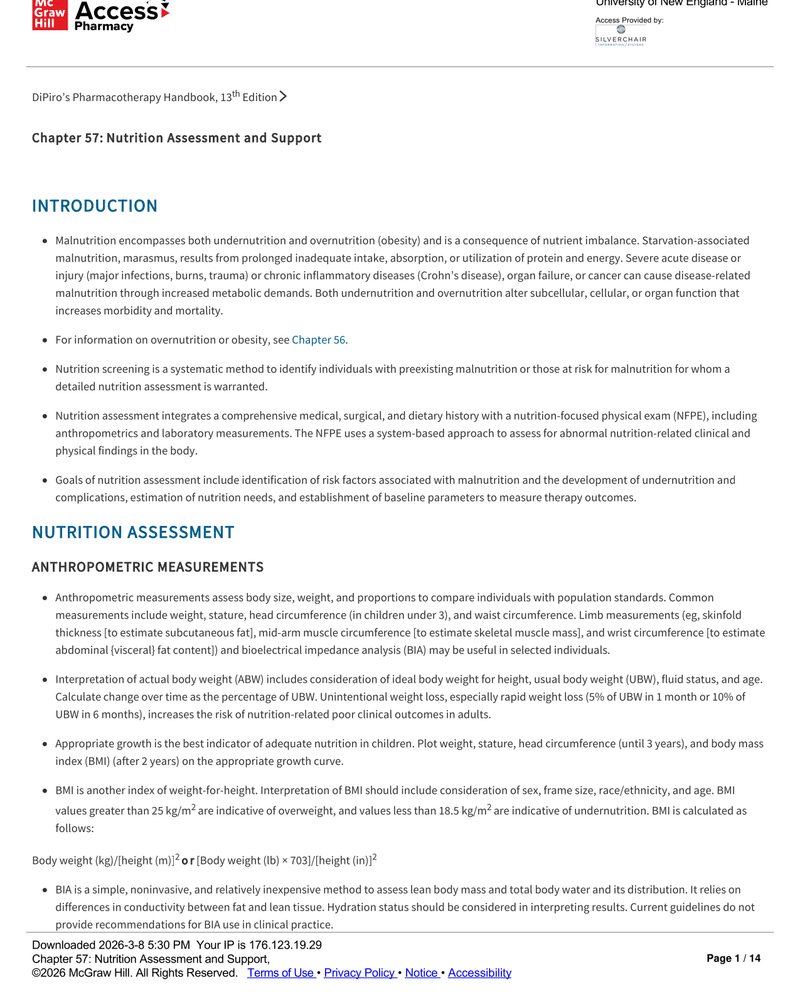
Clinical notes
ADULT ENTERAL NUTRITION FORMULATION CLASSIFICATION SYSTEM
Angela L
PDF14 pages278 KB
Malnutrition can result from both undernutrition and overnutrition, affecting patient morbidity and mortality. The chapter outlines the importance of nutrition screening and assessment, integrating medical history and physical examinations to identify malnutrition risk factors. It also details various methods of administering enteral nutrition, including continuous, cyclic, bolus, and intermittent feeding, along with their respective advantages and disadvantages. The evaluation of therapeutic outcomes for enteral and parenteral nutrition is also discussed, emphasizing the need for monitoring and assessment to optimize patient care.
Sign in to open
Ask this resource
Answers use this document only.
Your first question is free.
More like this
Resources from the same specialty and type. Curated links will replace these when added.
Clinical Resources
Documents that extend or complement this resource.
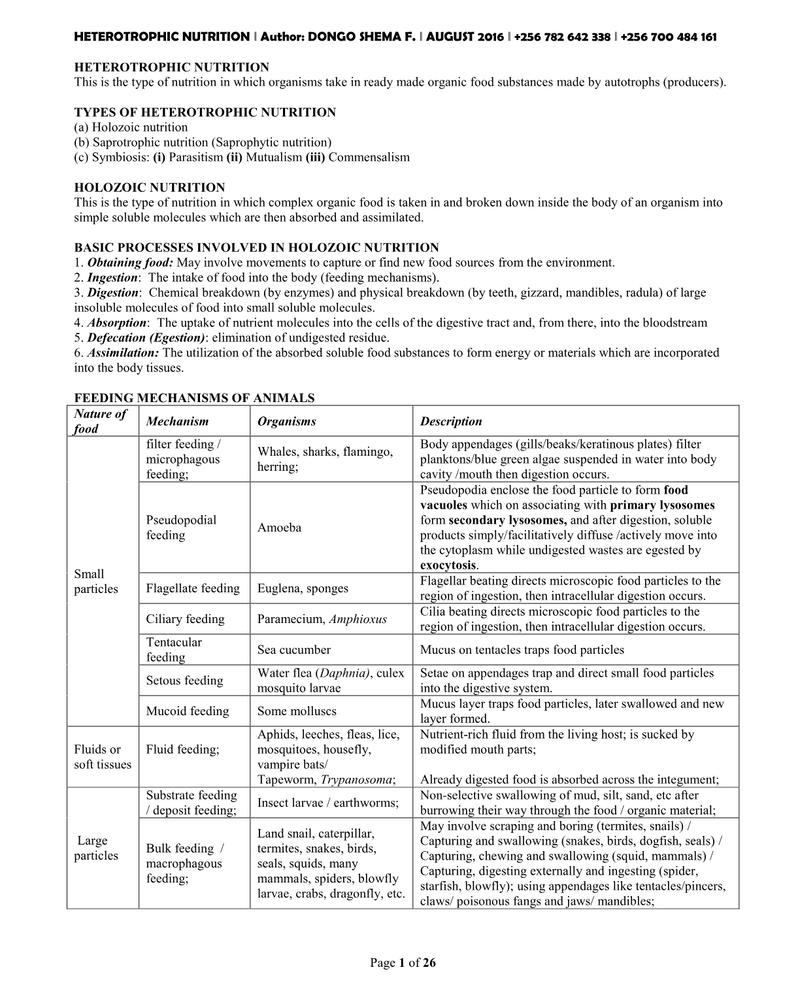
Heterotrophic Nutrition
Same clinical topic · Nutrition
Integrated Management of Acute Malnutrition Guidelines
Same specialty · Nutrition
Integrated Management of Acute Malnutrition Guidelines
Same specialty · Nutrition
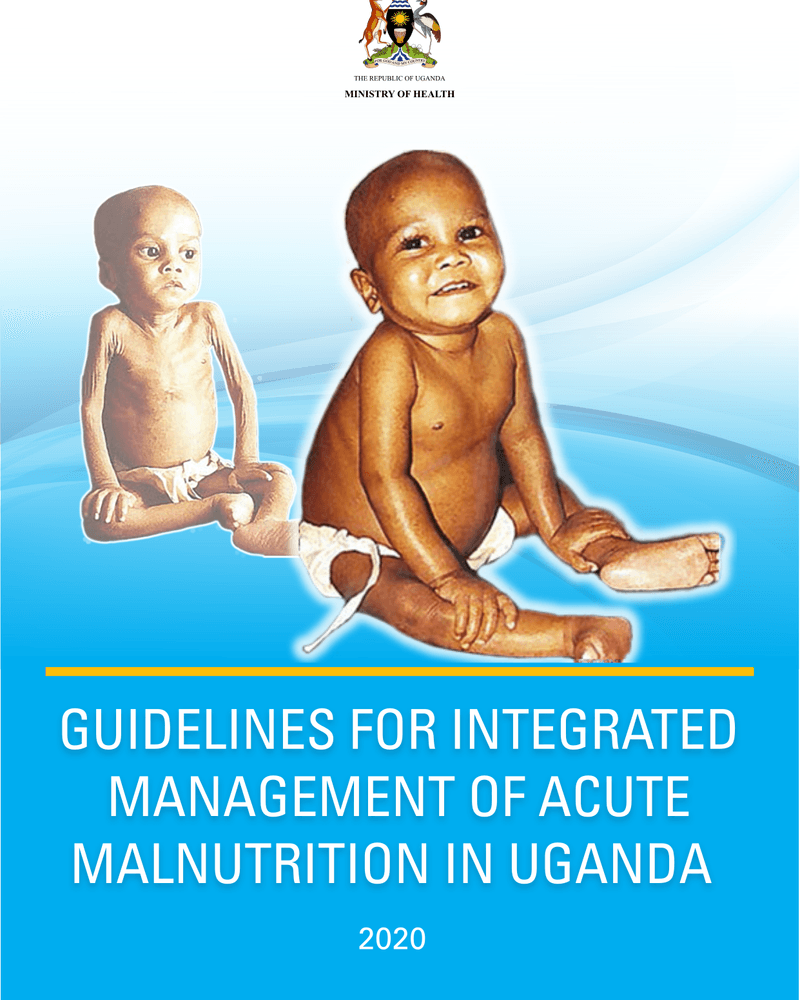
GUIDELINES FOR INTEGRATED MANAGEMENT OF ACUTE MALNUTRITION IN UGANDA
Same specialty · Nutrition
INTEGRATED MANAGEMENT OF ACUTE MALNUTRITION IN UGANDA
Same specialty · Nutrition
THE GUT MICROBIOTA IN MALNUTRITION
Same specialty · Nutrition
AN INTENSIVE LIFESTYLE INTERVENTION TO TREAT TYPE 2 DIABETES IN THE REPUBLIC OF THE MARSHALL ISLANDS: PROTOCOL FOR A RANDOMIZED CONTROLLED TRIAL
Same specialty · Nutrition
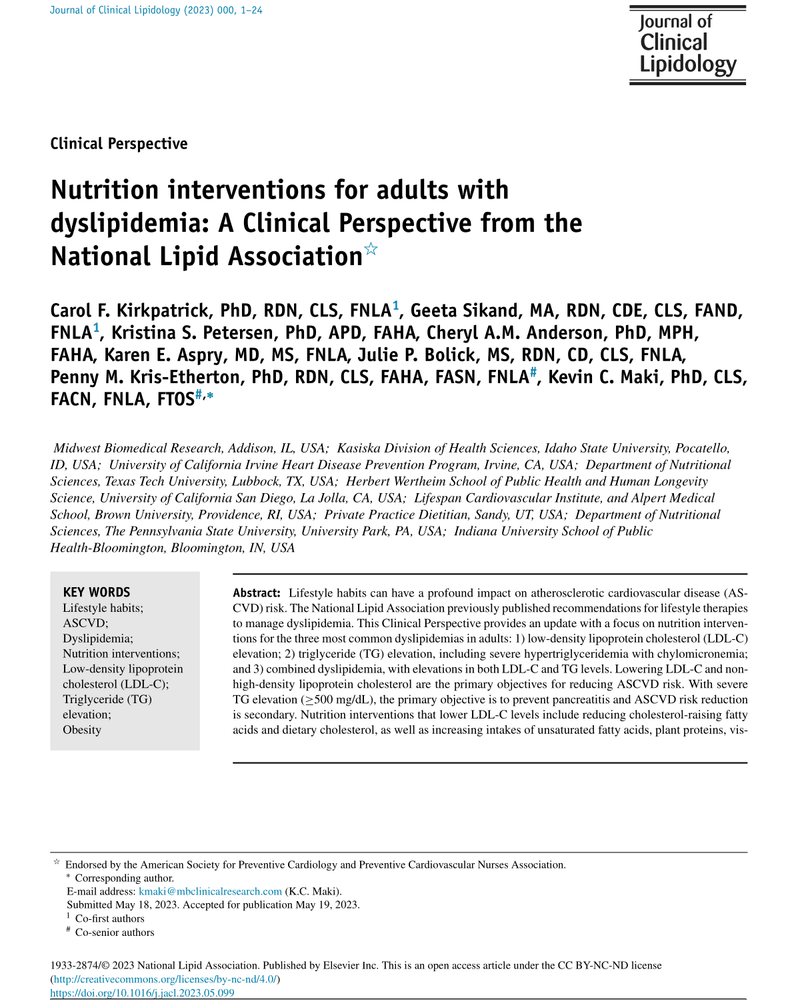
NUTRITION INTERVENTIONS FOR ADULTS WITH DYSLIPIDEMIA: A CLINICAL PERSPECTIVE FROM THE NATIONAL LIPID ASSOCIATION
Same specialty · Nutrition
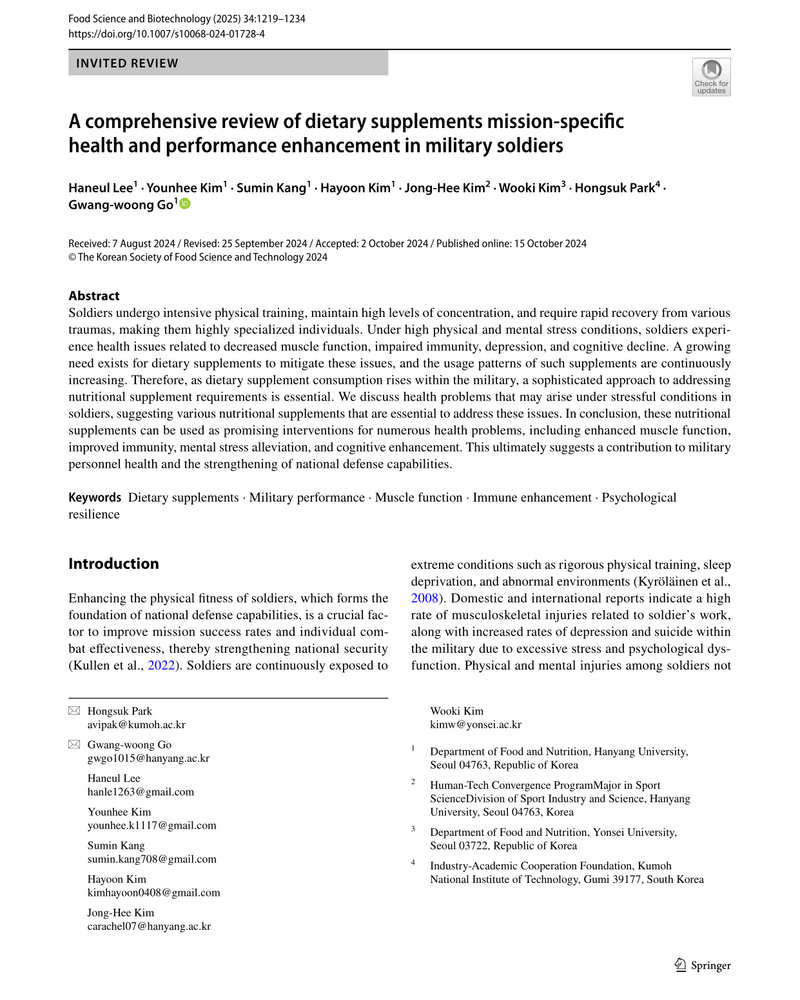
A COMPREHENSIVE REVIEW OF DIETARY SUPPLEMENTS MISSION-SPECIFIC HEALTH AND PERFORMANCE ENHANCEMENT IN MILITARY SOLDIERS
Same specialty · Nutrition