Please wait while we open this resource.


K

Clinical notes
CARDIAC ARREST
Jeffrey F
PDF5 pages222 KB
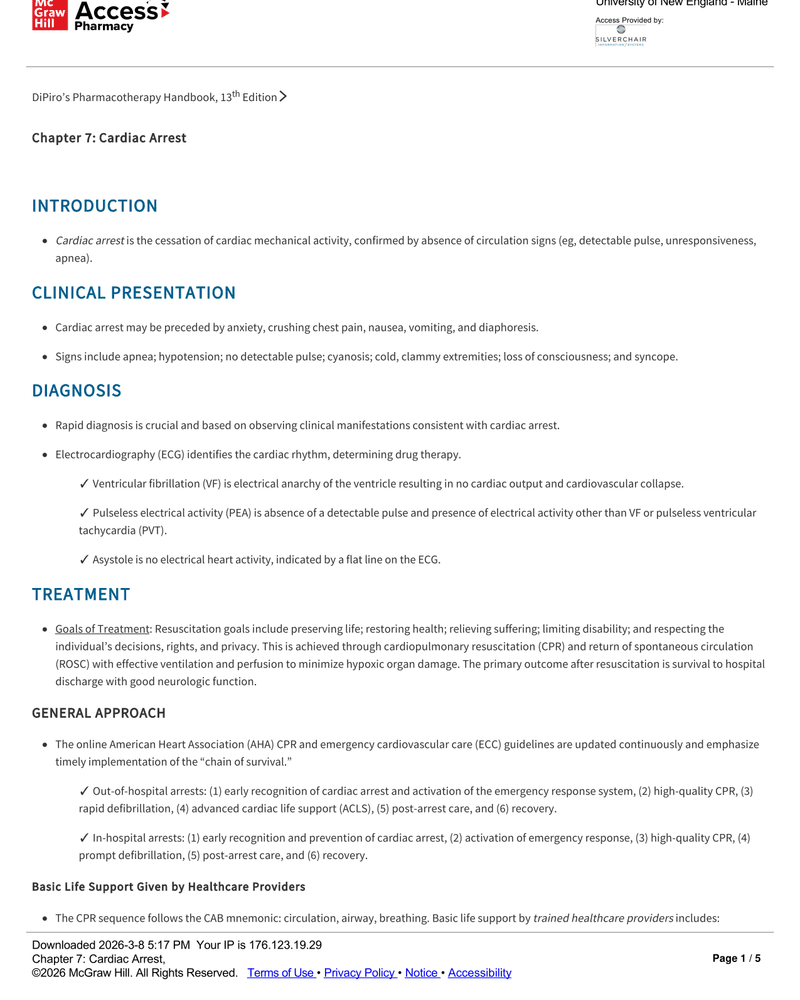
Cardiac arrest is defined as the cessation of cardiac mechanical activity, confirmed by the absence of circulation signs. The chapter outlines the clinical signs preceding cardiac arrest, the critical need for rapid diagnosis, and the treatment goals aimed at preserving life and minimizing organ damage. It also highlights the role of various medications in the management of cardiac arrest and the importance of post-resuscitation care.
Sign in to open
Ask this resource
Answers use this document only.
Your first question is free.
More like this
Resources from the same specialty and type. Curated links will replace these when added.
Clinical Resources
Documents that extend or complement this resource.
Approach to an Unconscious Patient
Same clinical topic · Emergency Medicine
Textbook of Emergency Medicine 2022
Same clinical topic · Emergency Medicine
5minute emergency medicine consult
Same clinical topic · Emergency Medicine
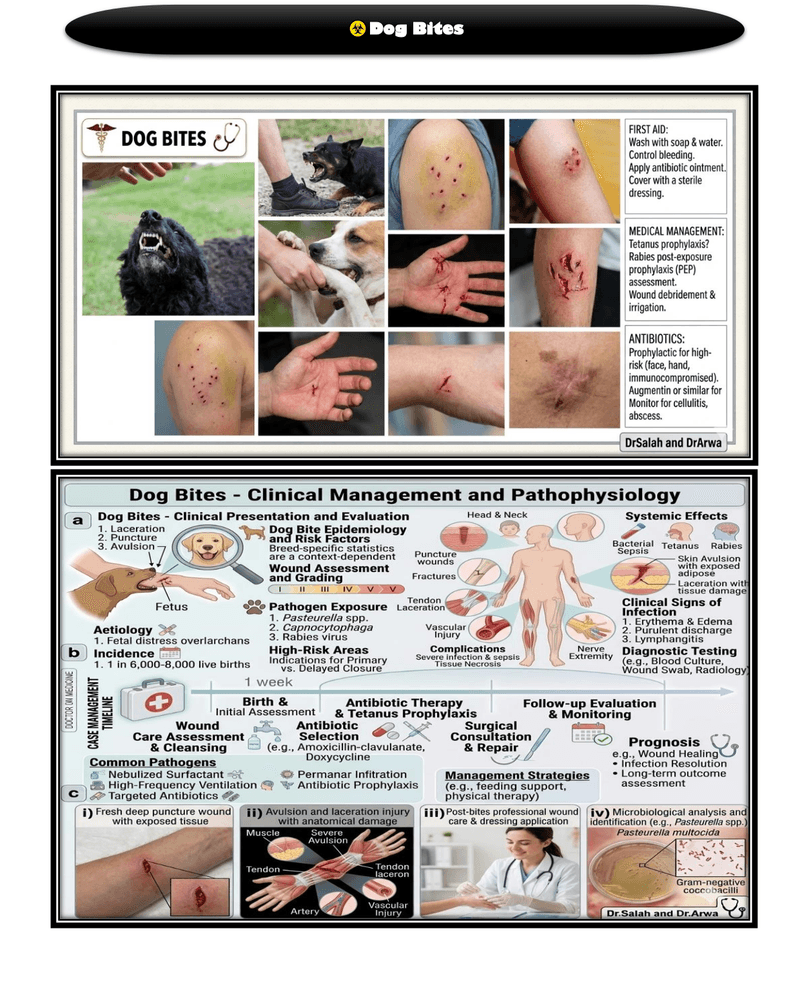
DOG BITES : PROFESSIONAL CLINICAL REFERENCE GUIDE ACADEMICLEVEL: POST-GRADUATE
Same clinical topic · Emergency Medicine
METABOLIC ACID-BASE DISORDERS
Same clinical topic · Emergency Medicine
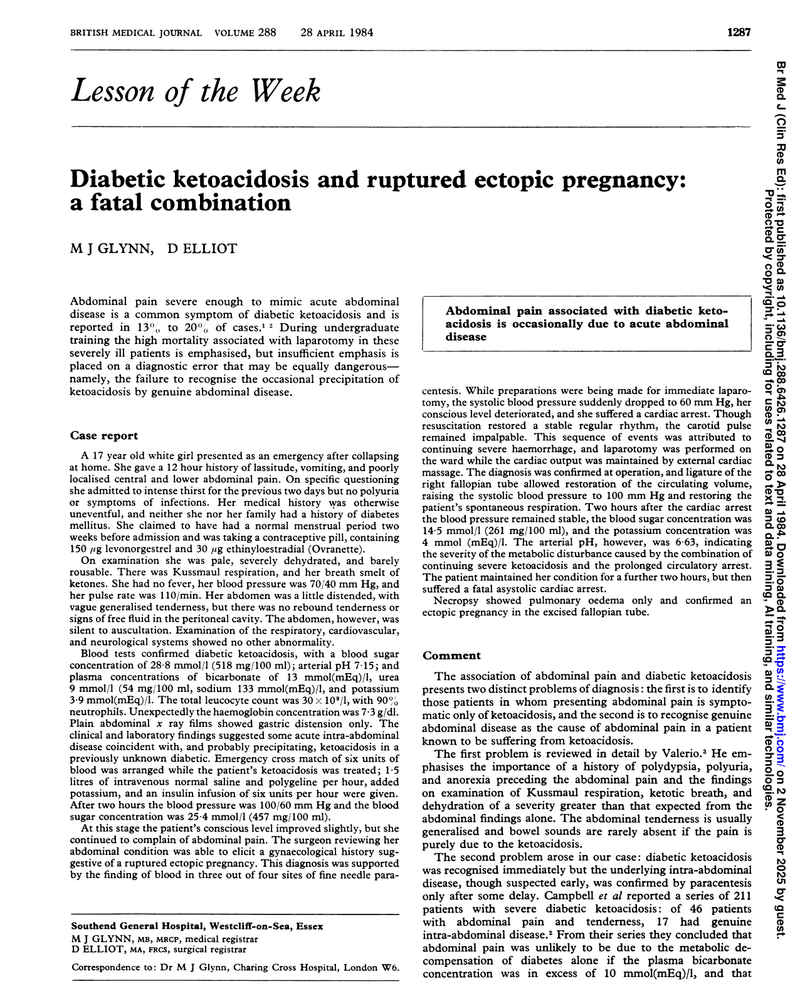
DIABETIC KETOACIDOSIS AND RUPTURED ECTOPIC PREGNANCY: A FATAL COMBINATION
Same clinical topic · Emergency Medicine
Ottawa Handbook of Emergency Medicine
Same clinical topic · Emergency Medicine
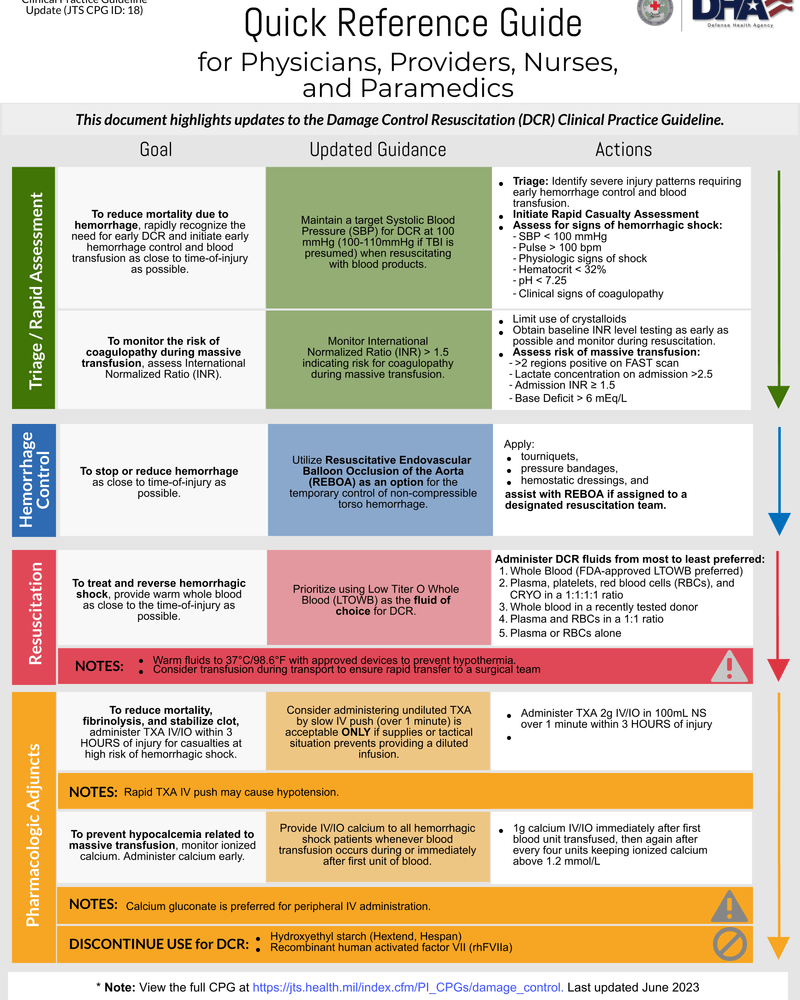
QUICK REFERENCE GUIDE FOR PHYSICIANS, PROVIDERS, NURSES, AND PARAMEDICS
Same specialty · Emergency Medicine
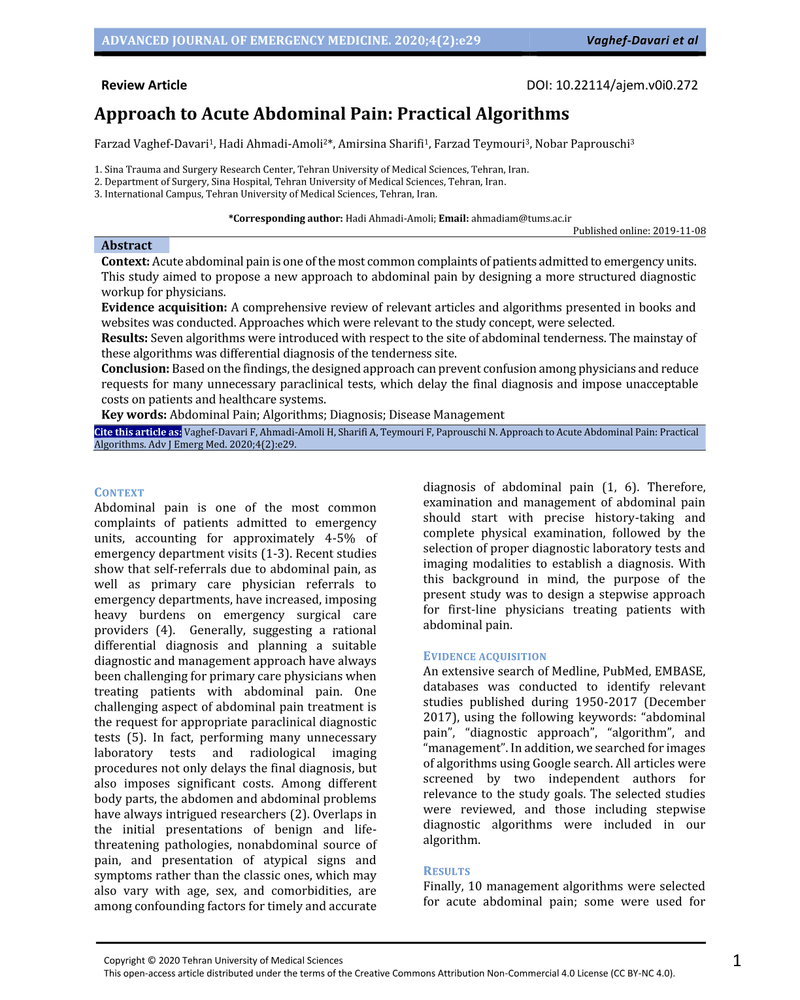
Approach to Acute Abdominal Pain: Practical Algorithms
Same specialty · Emergency Medicine