Please wait while we open this resource.


K

Clinical reviews
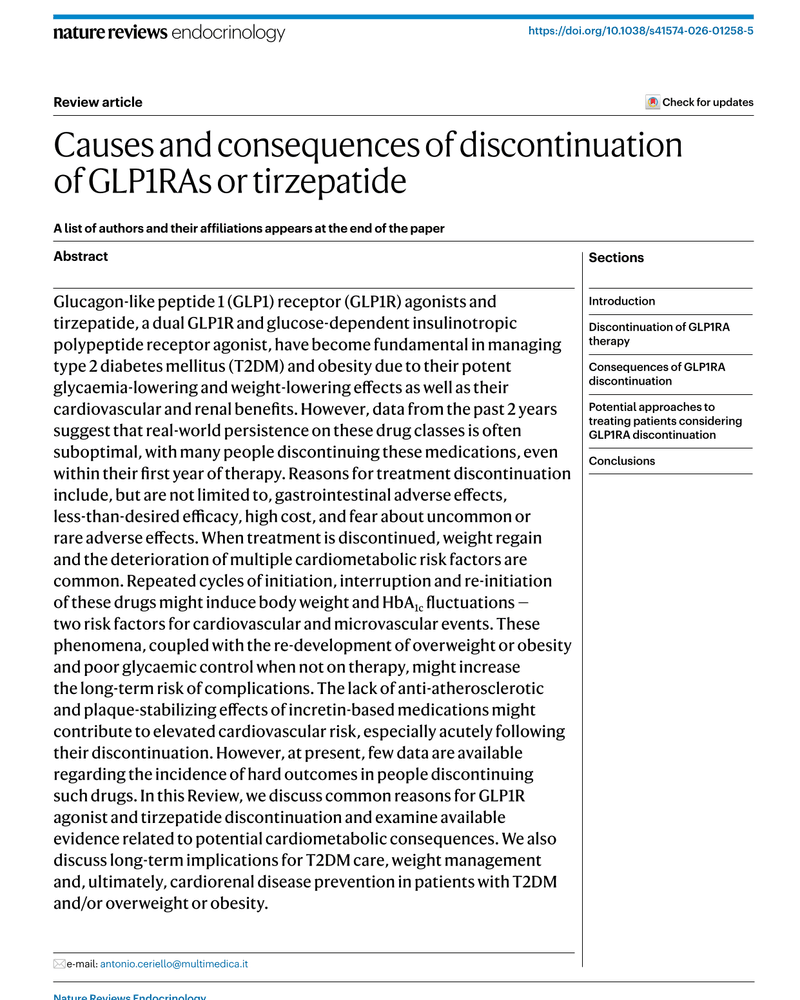
CAUSES AND CONSEQUENCES OF DISCONTINUATION OF GLP1RAS OR TIRZEPATIDE
Polo Scientifico e Tecnologico, IRCCS MultiMedica, Milan, Italy; Department of Clinical and Experimental Medicine, University of Messina, Messina, Italy; Department of Endocrinology and Metabolic Diseases, IRCCS MultiMedica, Milan, Italy; Department of
PDF202613 pages2.5 MB
Glucagon-like peptide 1 (GLP1) receptor agonists and tirzepatide are crucial in managing type 2 diabetes mellitus (T2DM) and obesity due to their glycaemia-lowering and weight-lowering effects. However, many patients discontinue these medications within the first year due to various reasons, including gastrointestinal side effects and high costs. This discontinuation can lead to weight regain and deterioration of cardiometabolic risk factors, increasing long-term complications. The review aims to explore the implications of discontinuation and the need for better management strategies.
Sign in to open
Ask this resource
Answers use this document only.
Your first question is free.
More like this
Resources from the same specialty and type. Curated links will replace these when added.
Clinical Resources
Documents that extend or complement this resource.
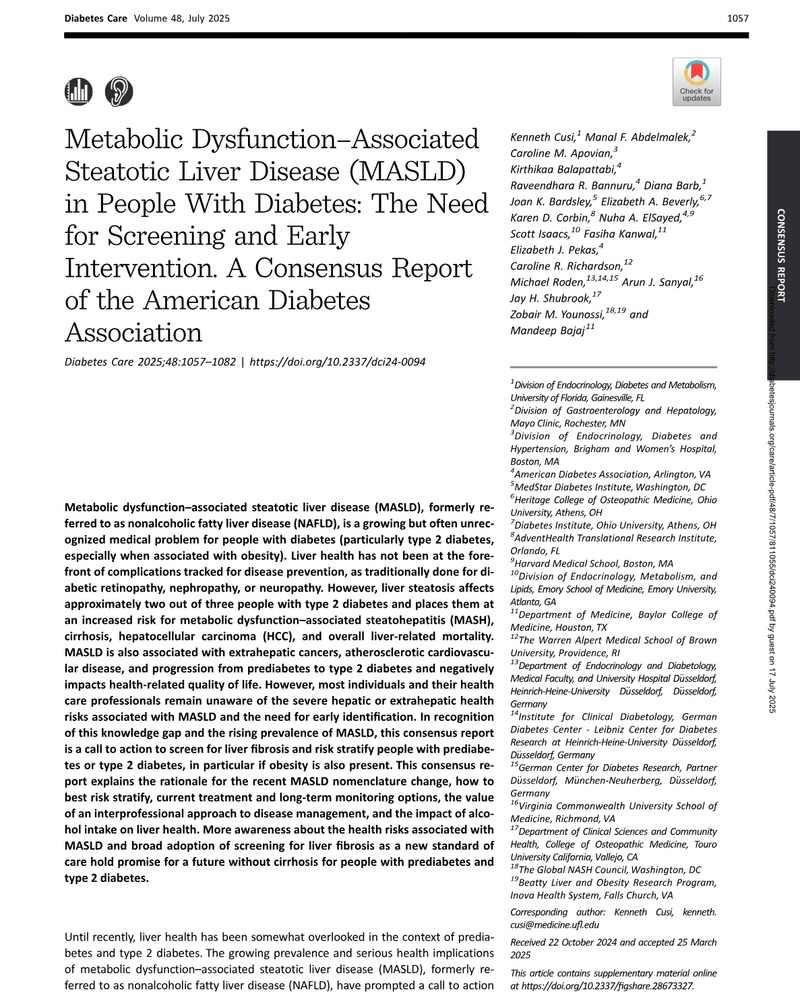
ADA Consensus Report: MASLD in People With Diabetes
Same clinical topic · Endocrinology
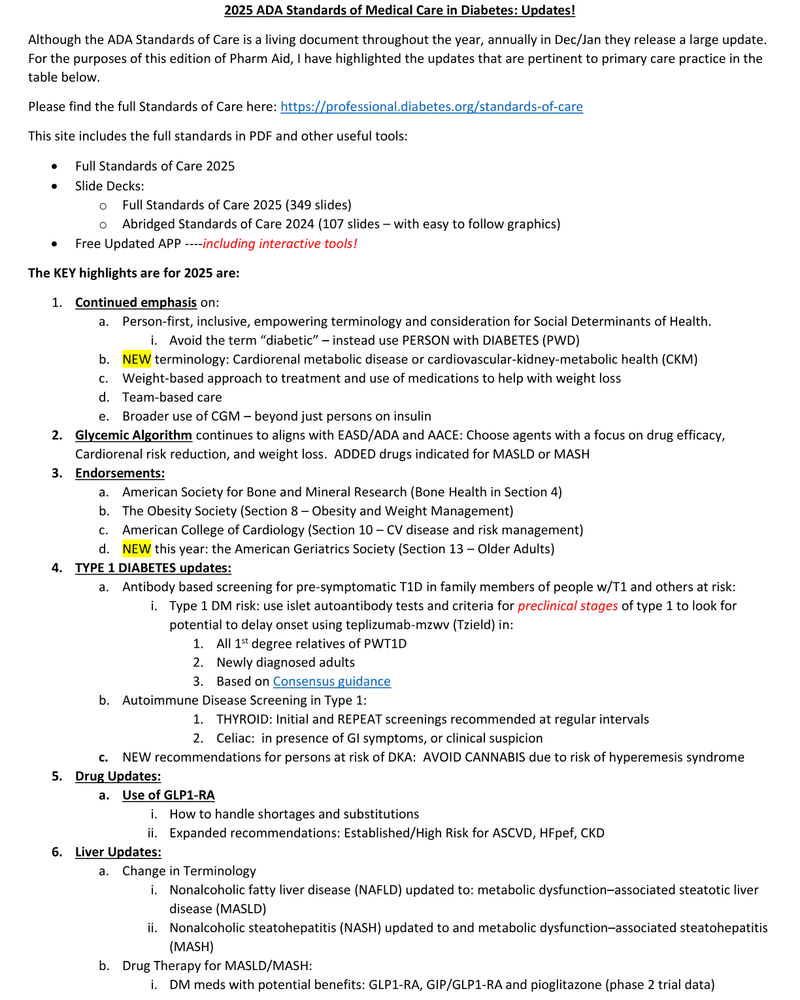
2025 ADA Diabetes Care Standards Updates
Same clinical topic · Endocrinology
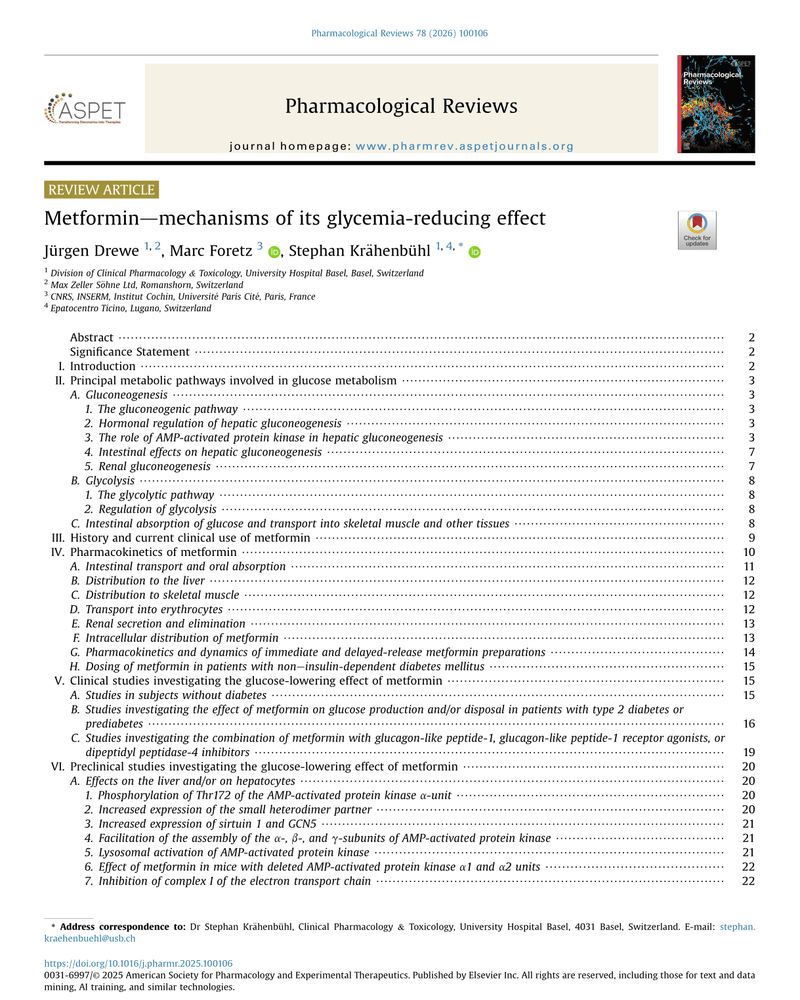
METFORMIN―MECHANISMS OF ITS GLYCEMIA-REDUCING EFFECT
Same clinical topic · Endocrinology
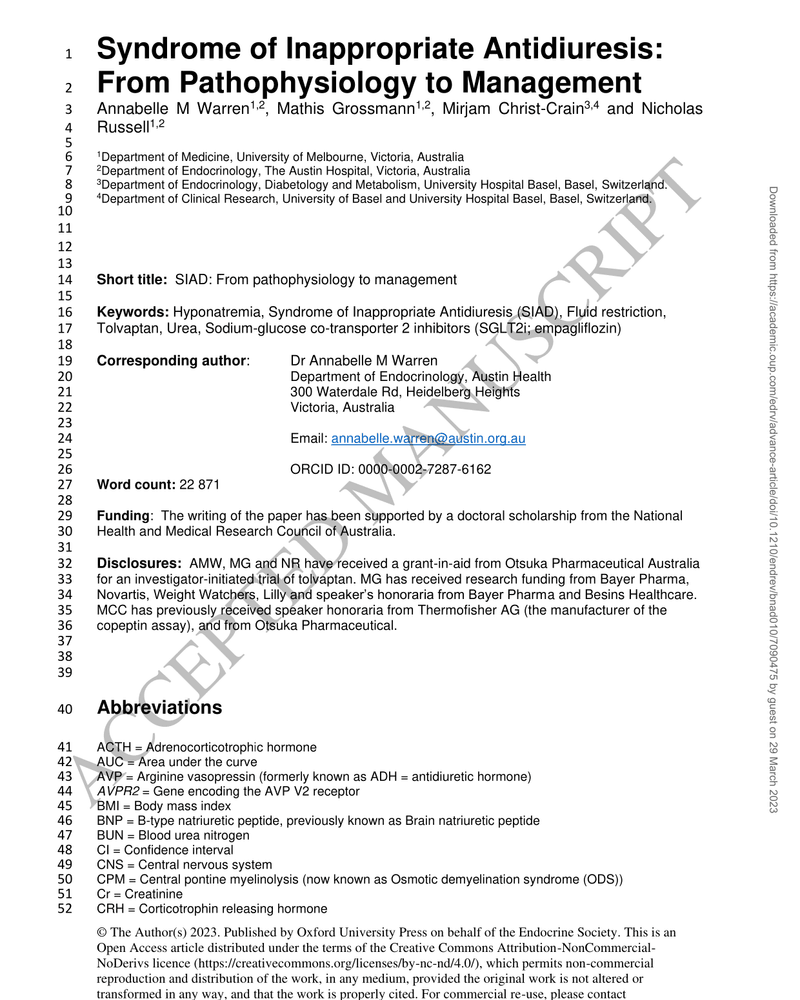
SYNDROME OF INAPPROPRIATE ANTIDIURESIS: FROM PATHOPHYSIOLOGY TO MANAGEMENT
Same clinical topic · Endocrinology
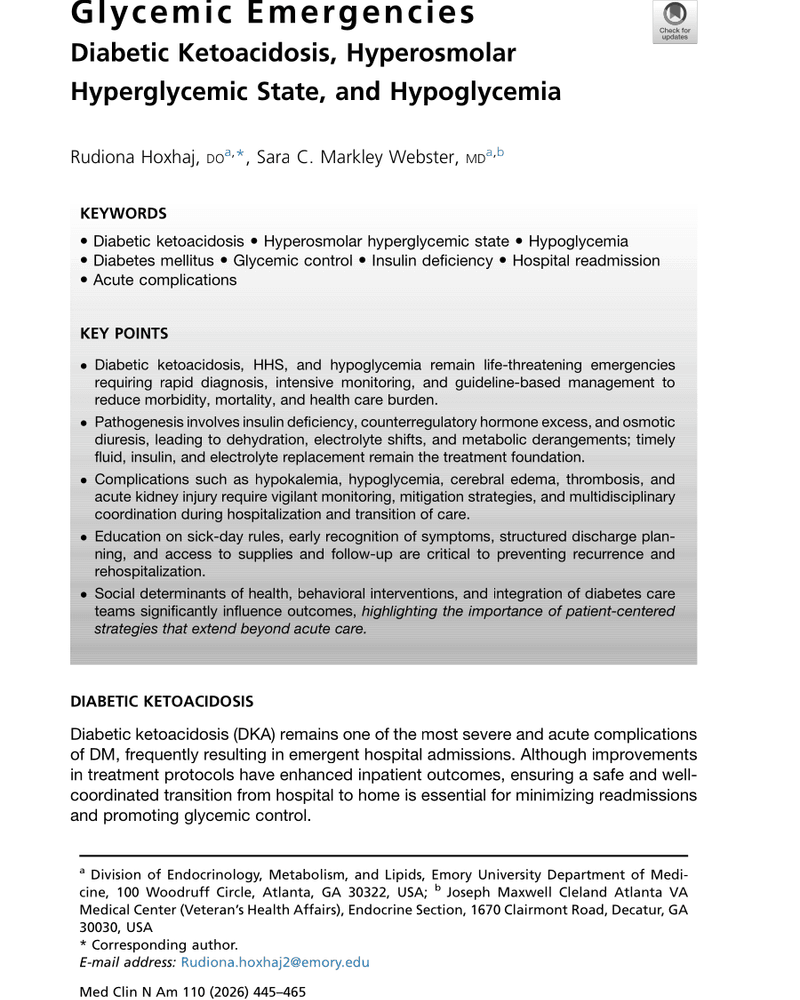
GLYCEMIC EMERGENCIES
Same clinical topic · Endocrinology
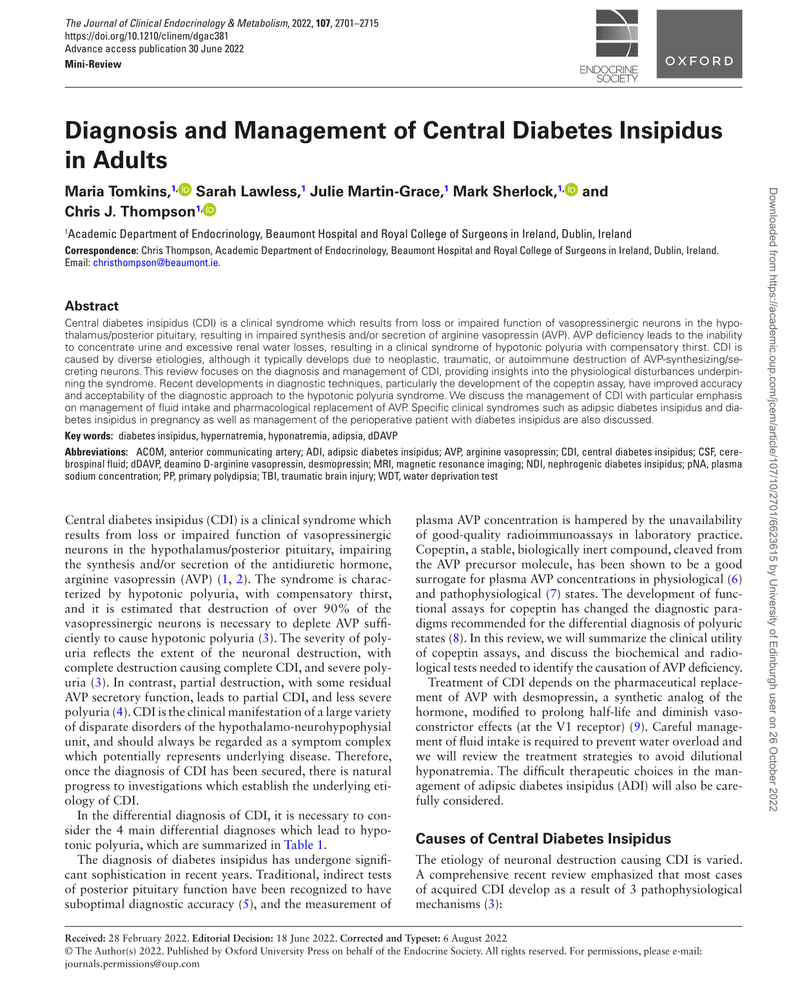
DIAGNOSIS AND MANAGEMENT OF CENTRAL DIABETES INSIPIDUS IN ADULTS
Same clinical topic · Endocrinology
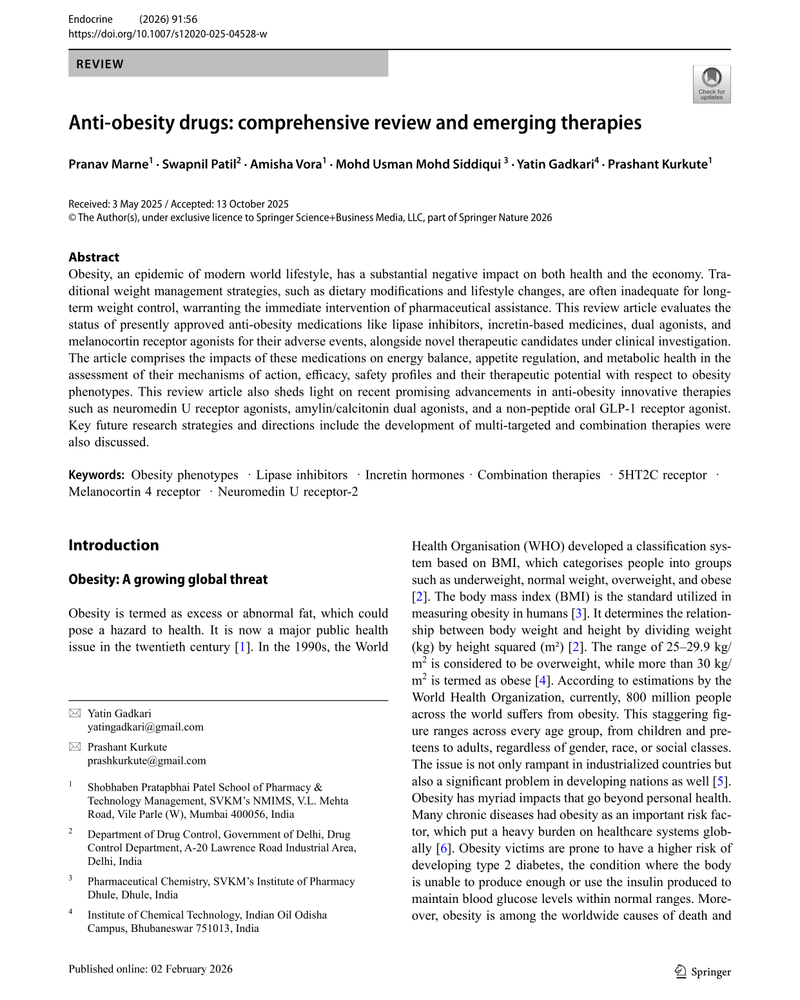
ANTI-OBESITY DRUGS: COMPREHENSIVE REVIEW AND EMERGING THERAPIES
Same clinical topic · Endocrinology
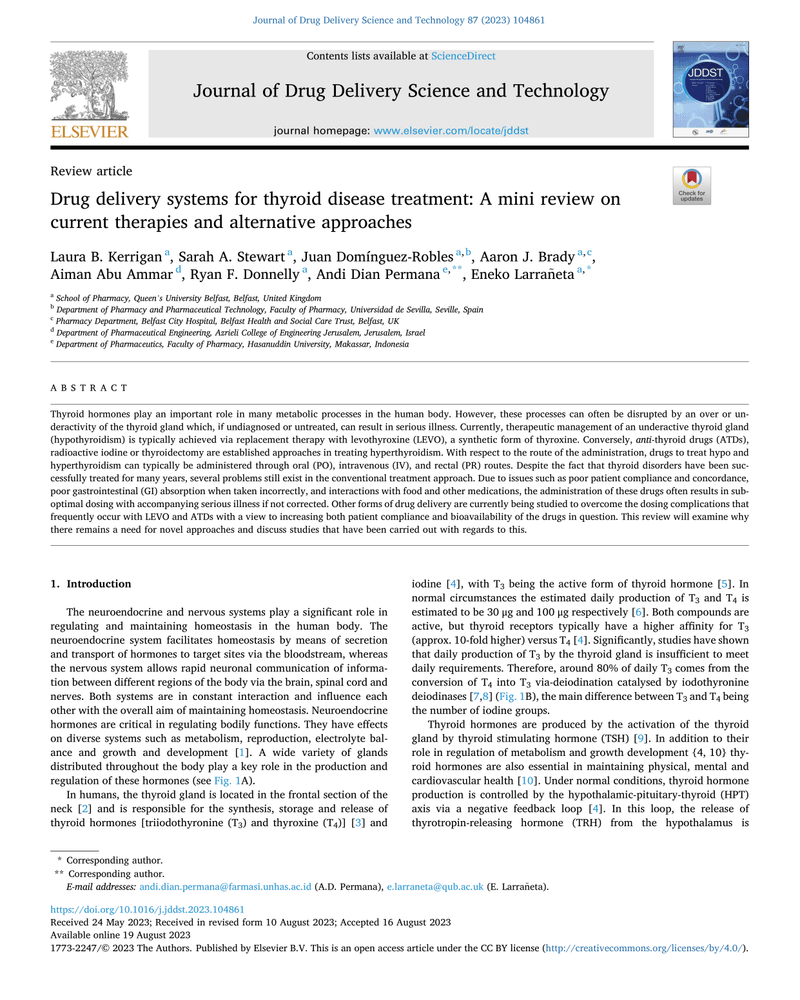
DRUG DELIVERY SYSTEMS FOR THYROID DISEASE TREATMENT: A MINI REVIEW ON CURRENT THERAPIES AND ALTERNATIVE APPROACHES
Same clinical topic · Endocrinology

OTHER BENEFITS OF CONTROLLING CARBOHYDRATES
Same clinical topic · Endocrinology