Please wait while we open this resource.


K

Clinical notes
CHAPTER 73: ACUTE KIDNEY INJURY
Jenana Maker and William Dager
PDF8 pages200 KB
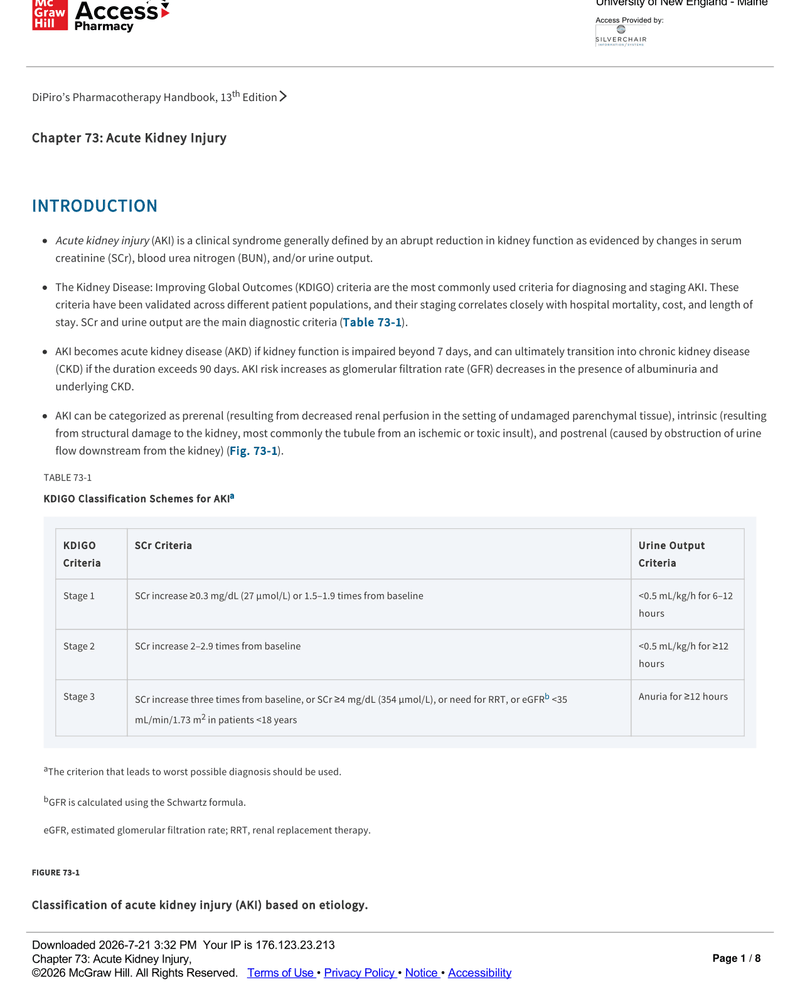
Acute kidney injury (AKI) is defined by an abrupt reduction in kidney function, often assessed through serum creatinine and urine output. The KDIGO criteria are utilized for diagnosing and staging AKI, which can lead to chronic kidney disease if not managed properly. The chapter emphasizes the importance of supportive care and monitoring in the treatment of AKI, including pharmacologic and non-pharmacologic strategies. It also highlights the need for individualized pharmacotherapy based on the patient's renal function and medication properties.
Sign in to open
Ask this resource
Answers use this document only.
Your first question is free.
More like this
Resources from the same specialty and type. Curated links will replace these when added.
Clinical Resources
Documents that extend or complement this resource.
Current Diagnosis and Treatment in Nephrology and Hypertension Edgar
Same clinical topic · Nephrology
Henrich's Principles and Practice of Dialysis
Same clinical topic · Nephrology
Handbook of Dialysis Therapy 6th Edition 2023
Same clinical topic · Nephrology
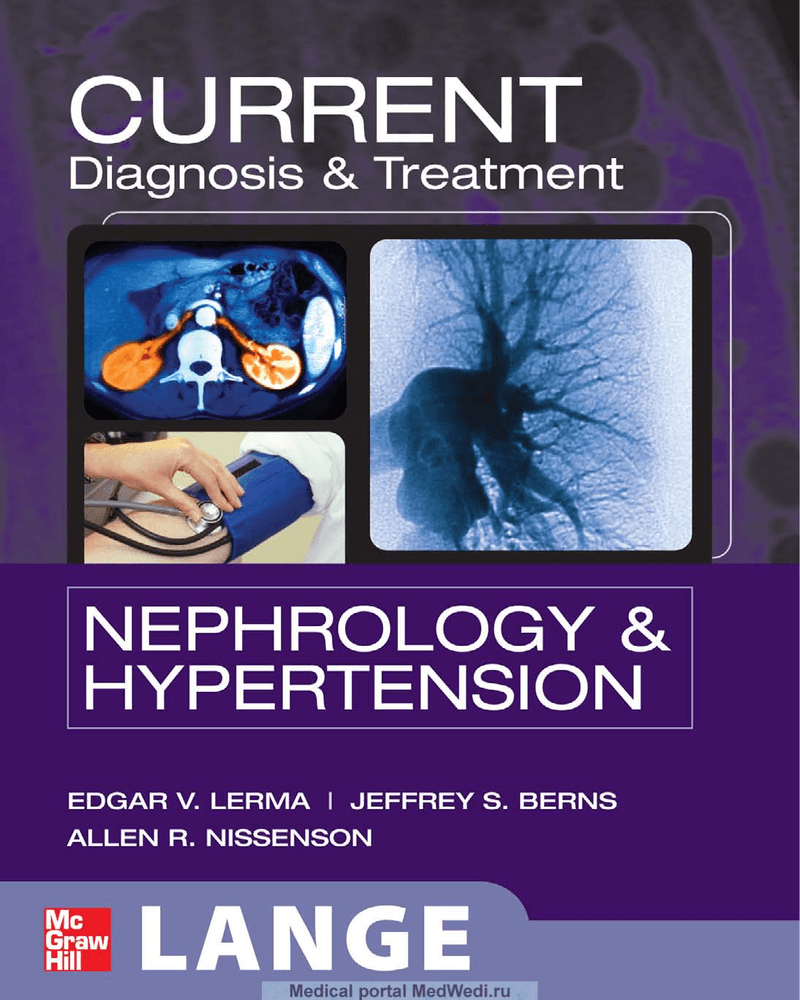
Current Diagnosis and Treatment Nephrology & Hypertension
Same clinical topic · Nephrology
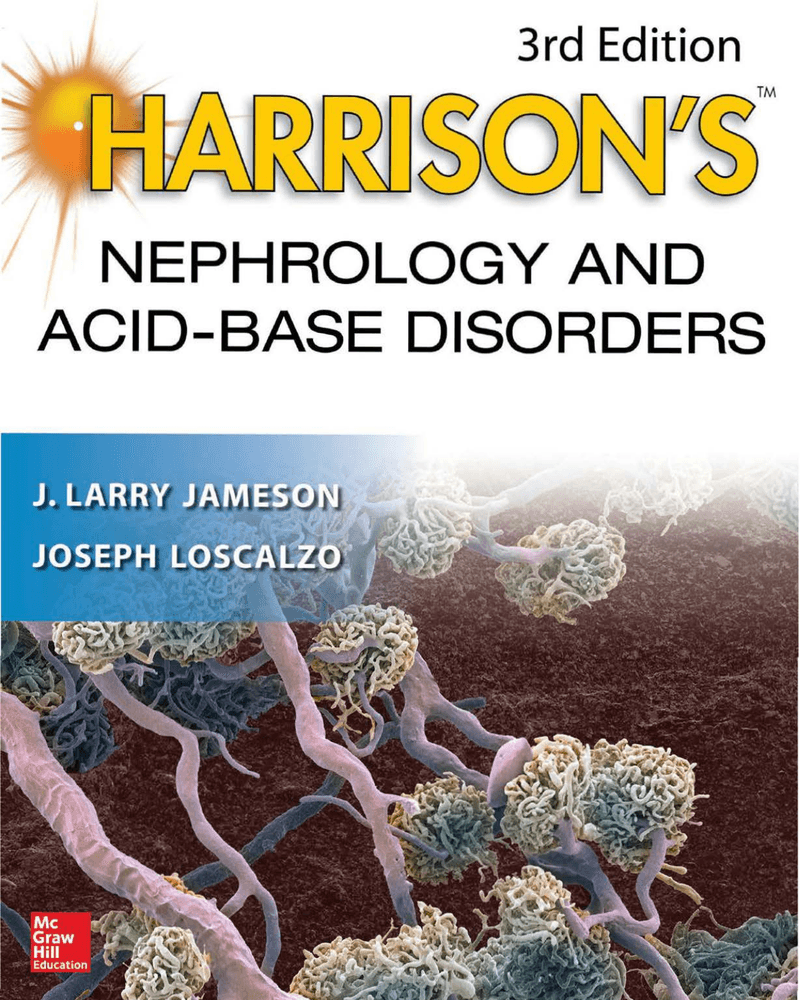
Harrison's Nephrology, 3rd Edition
Same clinical topic · Nephrology
Fluid, Electrolyte and Acid Base Disorders Clinical Evaluation and
Same clinical topic · Nephrology

Pediatric Kidney Disease First Edition 2025
Same clinical topic · Nephrology
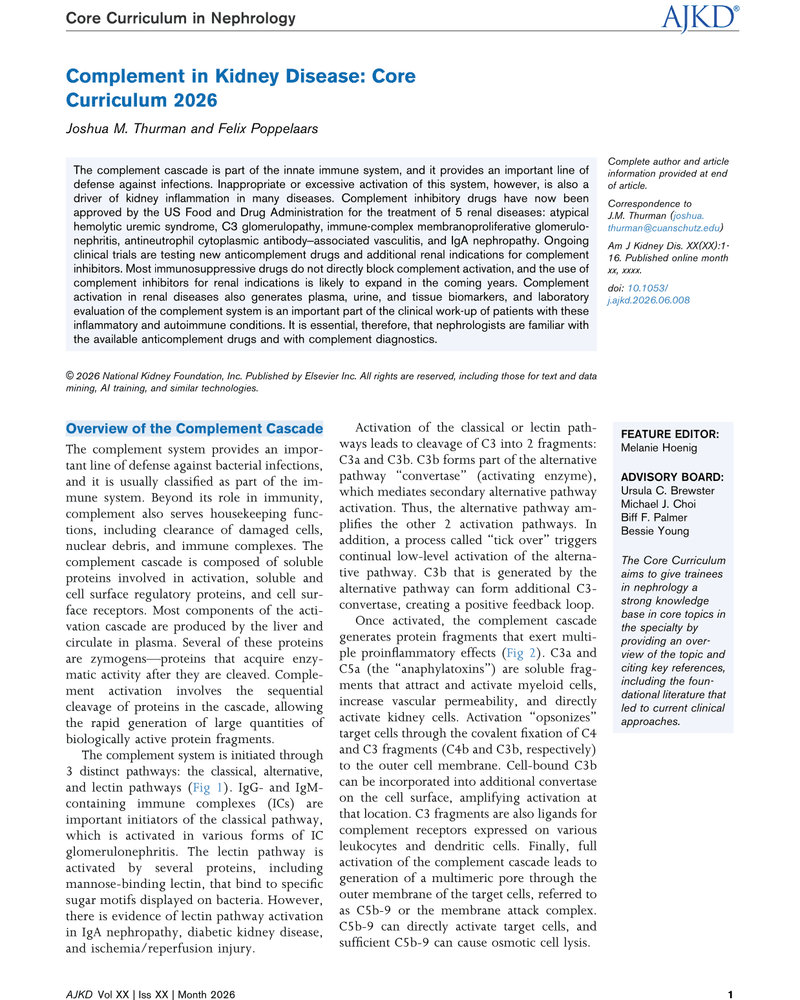
COMPLEMENT IN KIDNEY DISEASE: CORE CURRICULUM 2026
Same clinical topic · Nephrology
Renal Pharmacotherapy Dosage Adjustment of Medications Eliminated
Same clinical topic · Nephrology