Please wait while we open this resource.


K

Guidelines & protocols
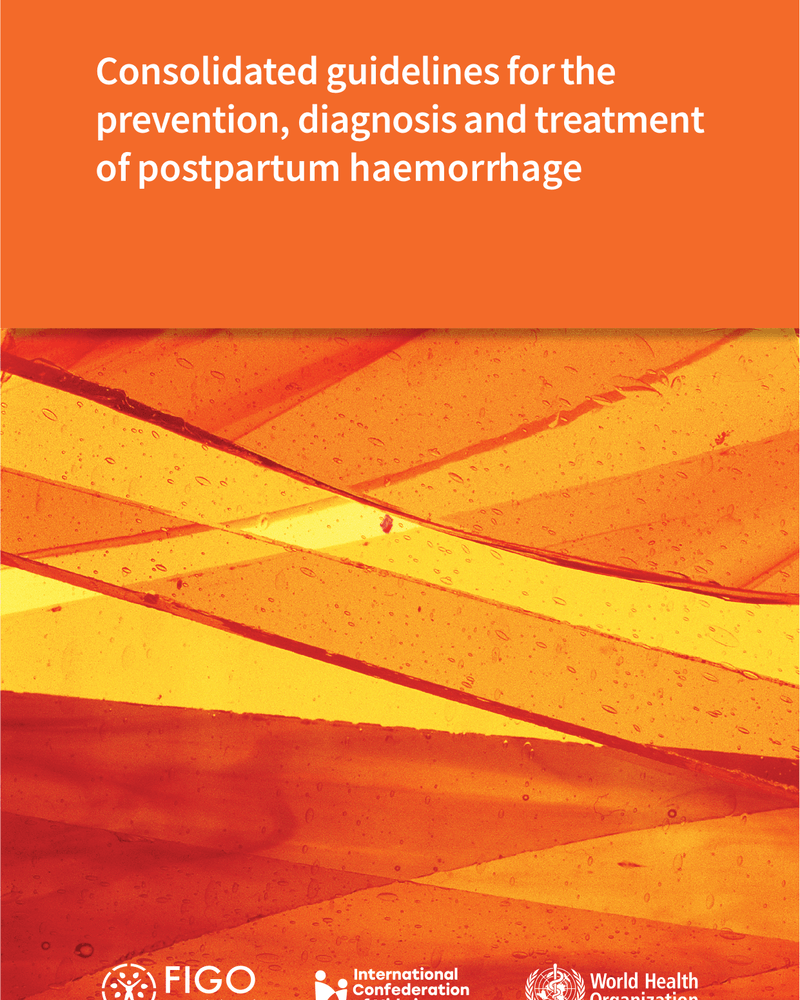
CONSOLIDATED GUIDELINES FOR THE PREVENTION, DIAGNOSIS AND TREATMENT OF POSTPARTUM HAEMORRHAGE
World Health Organization
PDF2025111 pages2.7 MB
The document outlines evidence-based practices aimed at reducing the incidence and impact of postpartum haemorrhage, a significant cause of maternal morbidity and mortality. It includes recommendations for healthcare providers on the use of uterotonics, controlled cord traction, and other interventions during and after childbirth. The guidelines also emphasize the importance of skilled birth attendance and the need for formal protocols in managing PPH effectively.
No account needed
Ask this resource
Answers use this document only.
More like this
Resources from the same specialty and type. Curated links will replace these when added.
Clinical Resources
Documents that extend or complement this resource.
Rwanda Gynecology and Obstetrics Clinical Protocols and Treatment Guidelines
Same clinical topic · Obstetrics and Gynecology
Essential Maternal and Newborn Clinical Care Guidelines for Uganda
Same clinical topic · Obstetrics and Gynecology
Postabortion Care Guidelines
Same clinical topic · Obstetrics and Gynecology
Obstetric Fistula: Guiding Principles for Clinical Management
Same clinical topic · Obstetrics and Gynecology
Clinical Management of Obstetric and Neonatal Emergencies in Africa
Same clinical topic · Obstetrics and Gynecology
SOCIETY FOR MATERNAL-FETAL MEDICINE SPECIAL STATEMENT: REDUCING THE RISK OF TRANSMITTING INFECTION DURING ULTRASOUND EXAMINATION—UPDATED 2026
Same clinical topic · Obstetrics and Gynecology
WHO/FIGO/ICM NEW RECOMMENDATIONS FOR PPH PREVENTION AND MANAGEMENT
Same clinical topic · Obstetrics and Gynecology
Maternal and Perinatal Death Surveillance and Response Guidelines
Same clinical topic · Obstetrics and Gynecology
A POCKET GUIDE FOR CLINICAL MANAGEMENT OF OBSTETRIC AND NEONATAL EMERGENCIES IN AFRICA
Same clinical topic · Obstetrics and Gynecology