Please wait while we open this resource.


K

Clinical reviews
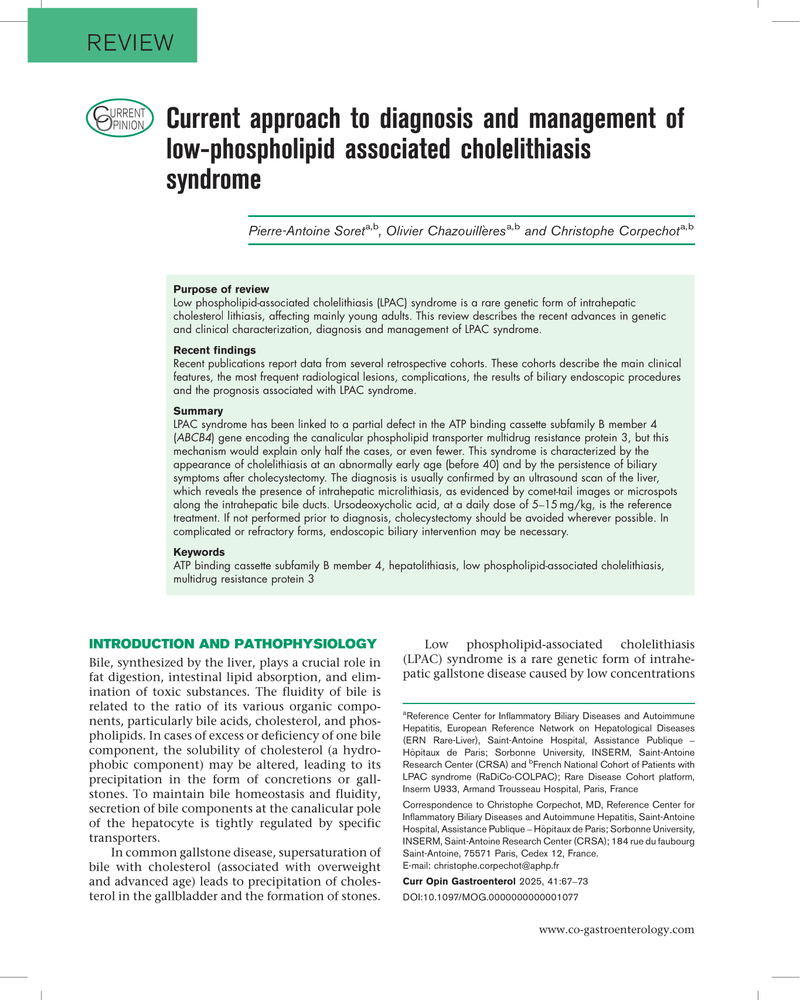
CURRENT APPROACH TO DIAGNOSIS AND MANAGEMENT OF LOW-PHOSPHOLIPID ASSOCIATED CHOLELITHIASIS SYNDROME
Hospital
PDF7 pages2.6 MB
LPAC syndrome is characterized by the appearance of cholelithiasis at an abnormally early age and the persistence of biliary symptoms after cholecystectomy. The diagnosis is usually confirmed by ultrasound, revealing intrahepatic microlithiasis. Recent findings highlight the importance of genetic factors, particularly mutations in the ABCB4 gene, in the syndrome's pathophysiology. Treatment typically involves ursodeoxycholic acid, with endoscopic interventions considered for complicated cases.
Sign in to open
Ask this resource
Answers use this document only.
Your first question is free.
More like this
Resources from the same specialty and type. Curated links will replace these when added.
Clinical Resources
Documents that extend or complement this resource.
ACUTE PANCREATITIS: MECHANISMS AND THERAPEUTIC APPROACHES
Same clinical topic · Gastroenterology
Functional Dyspepsia
Same clinical topic · Gastroenterology
AGA CLINICAL PRACTICE UPDATE ON EVALUATION AND MANAGEMENT OF REFRACTORY CONSTIPATION: EXPERT REVIEW
Same clinical topic · Gastroenterology
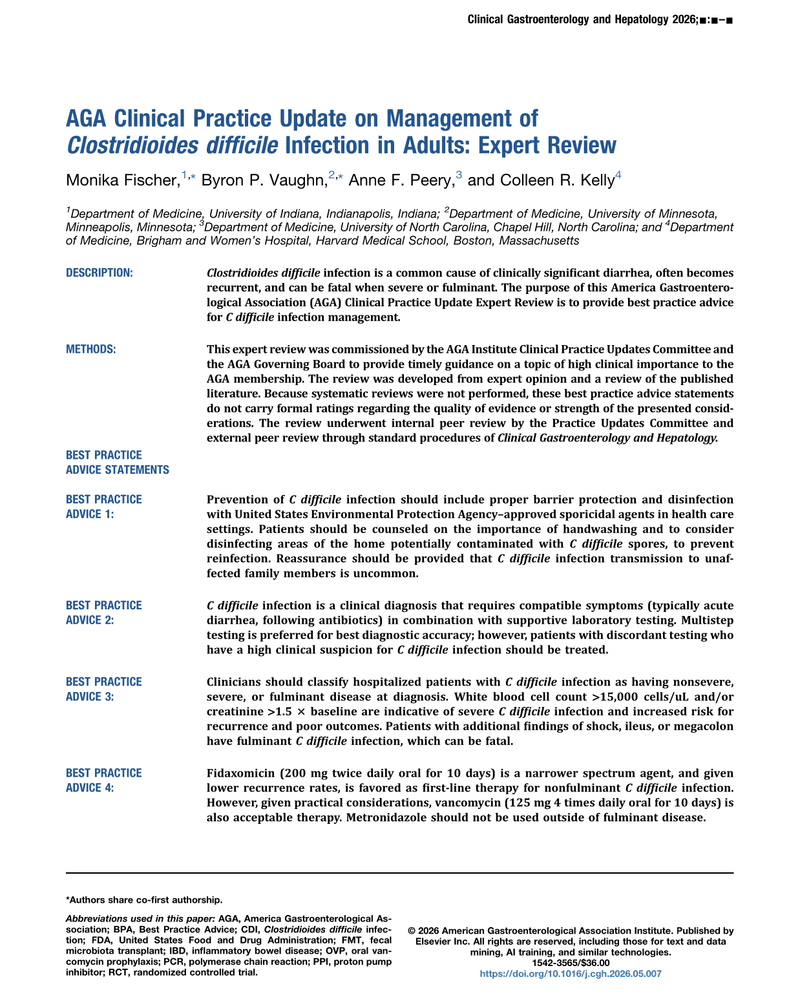
AGA CLINICAL PRACTICE UPDATE ON MANAGEMENT OF CLOSTRIDIOIDES DIFFICILE INFECTION IN ADULTS: EXPERT REVIEW
Same clinical topic · Gastroenterology
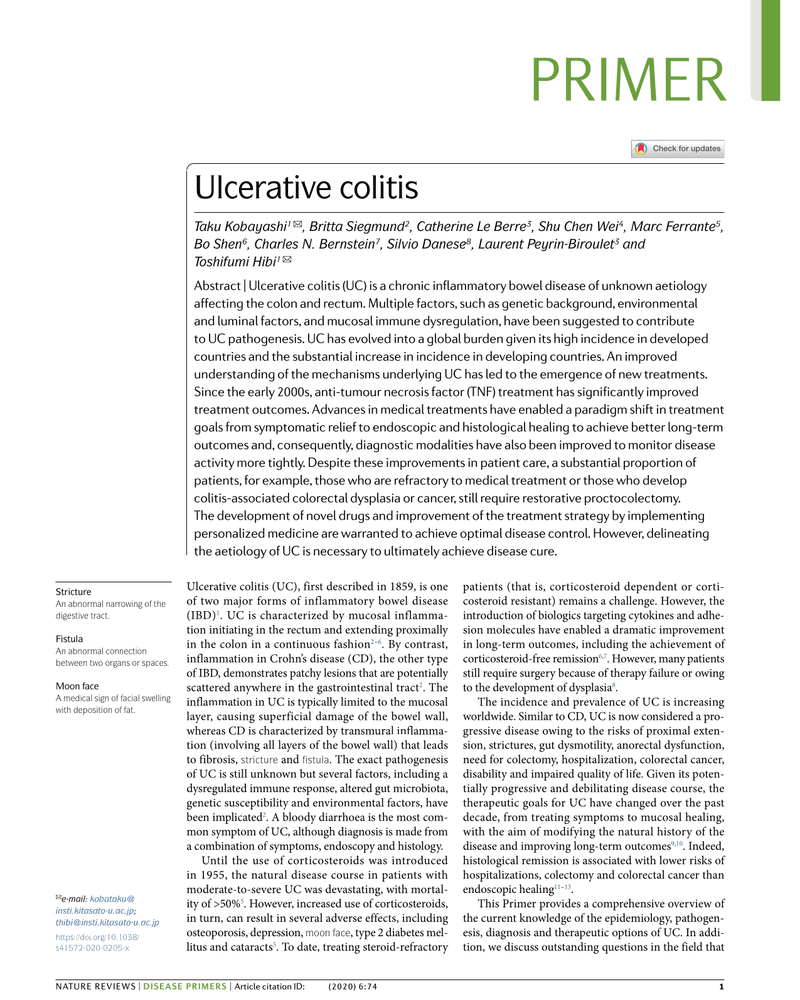
PRIMER Ulcerative colitis
Same clinical topic · Gastroenterology
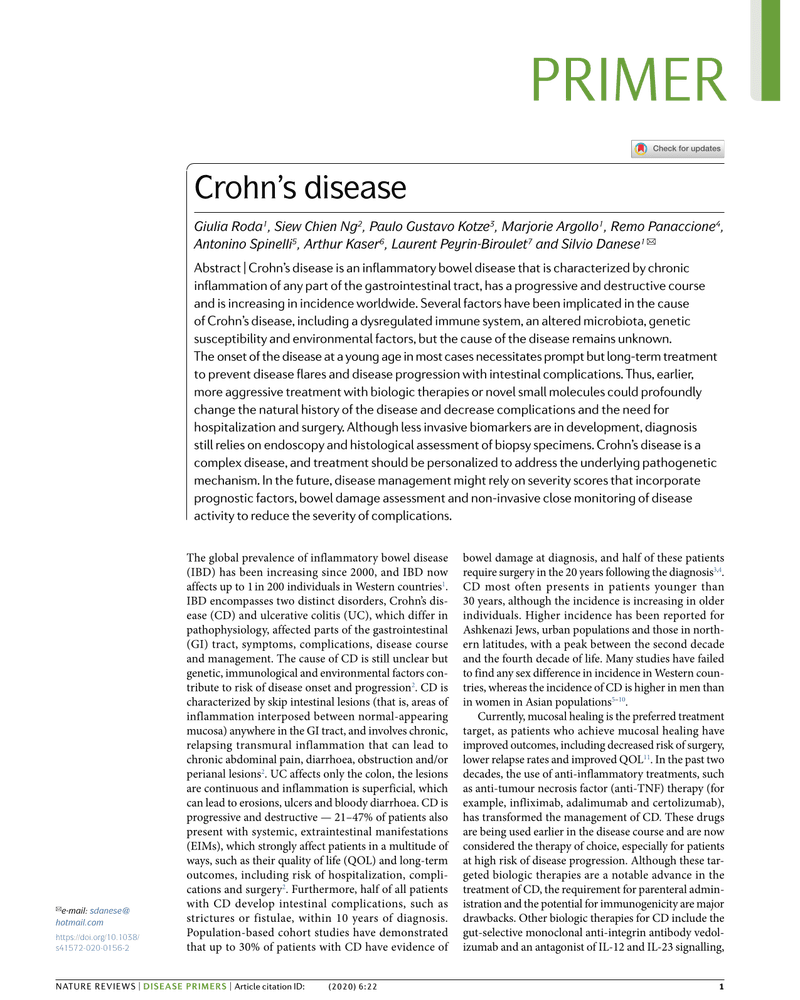
PRIMER CROHN’S DISEASE
Same clinical topic · Gastroenterology
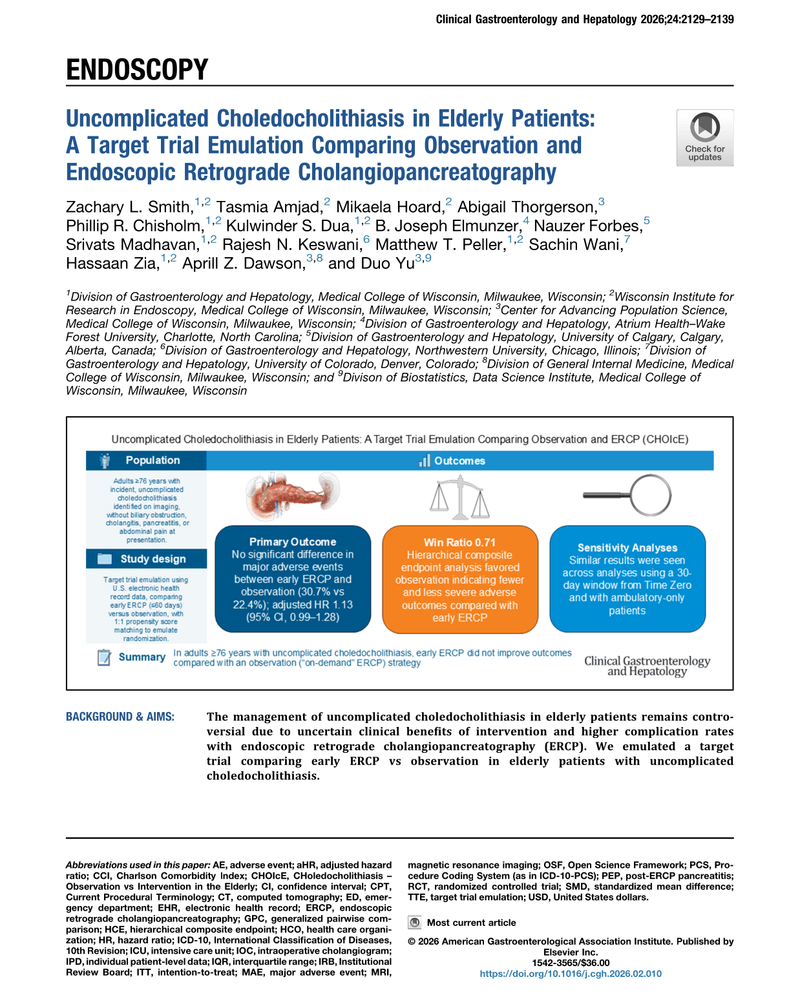
UNCOMPLICATED CHOLEDOCHOLITHIASIS IN ELDERLY PATIENTS: A TARGET TRIAL EMULATION COMPARING OBSERVATION AND ENDOSCOPIC RETROGRADE CHOLANGIOPANCREATOGRAPHY
Same clinical topic · Gastroenterology
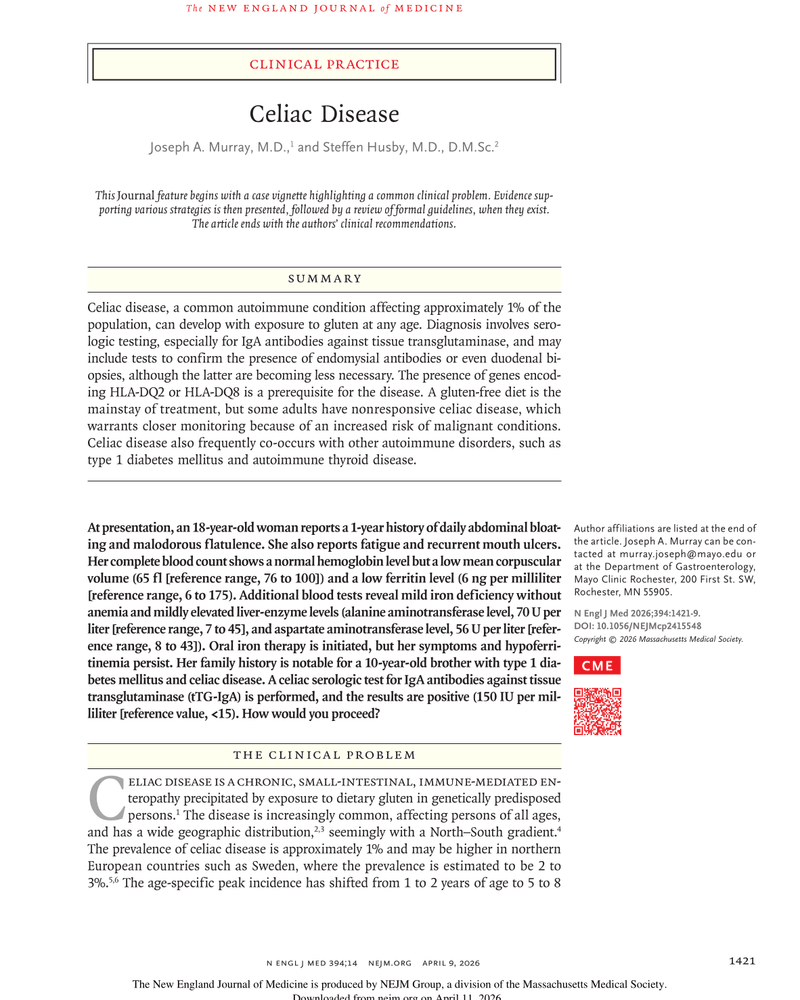
CELIAC DISEASE
Same clinical topic · Gastroenterology
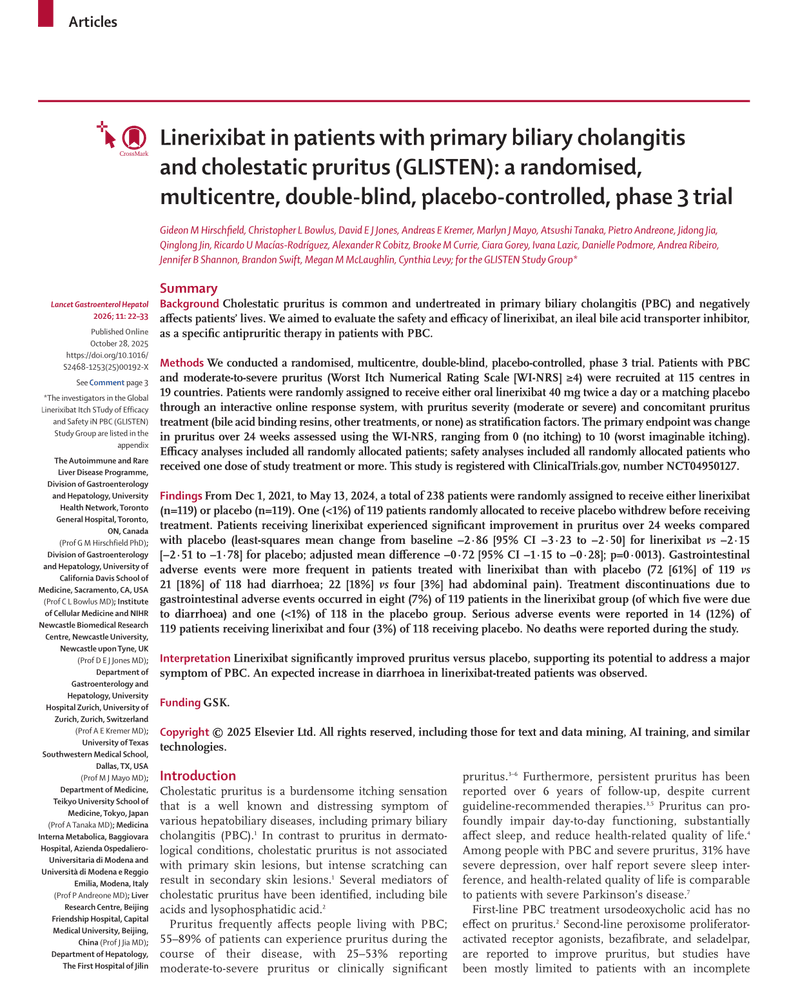
LINERIXIBAT IN PATIENTS WITH PRIMARY BILIARY CHOLANGITIS AND CHOLESTATIC PRURITUS (GLISTEN): A RANDOMISED, MULTICENTRE, DOUBLE-BLIND, PLACEBO-CONTROLLED, PHASE 3 TRIAL
Same clinical topic · Gastroenterology