Please wait while we open this resource.


K

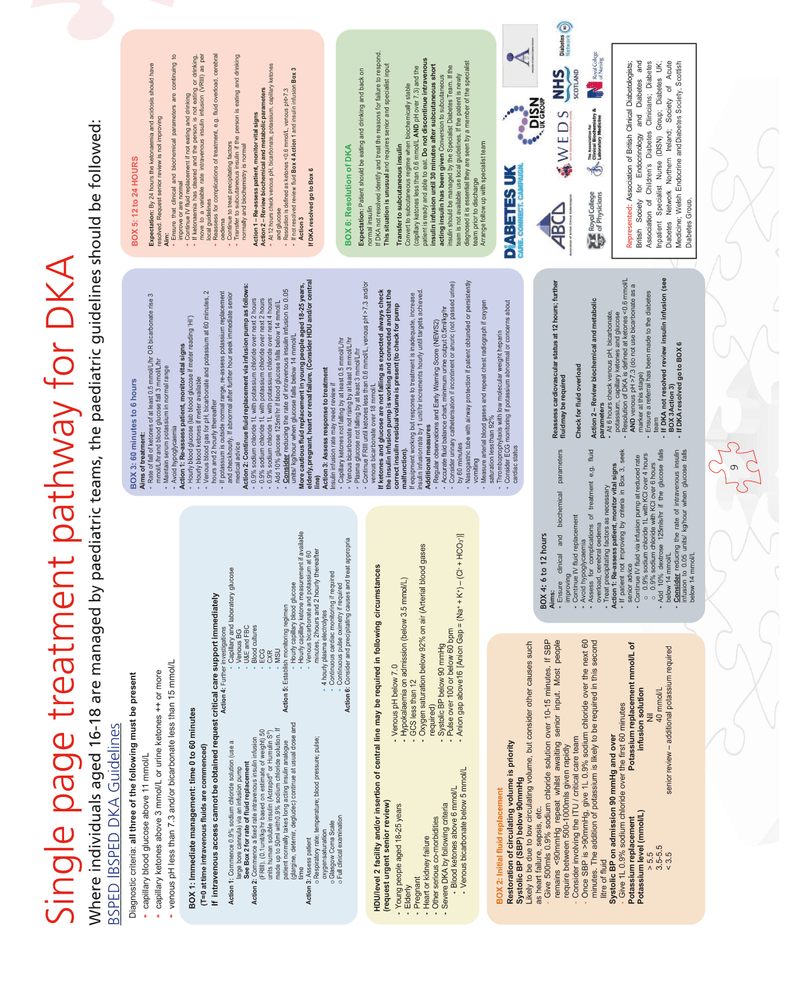
Clinical tools
DKA UPDATED GUIDELINES
Endocrinology
PDF1 pages1.1 MB
The document outlines a structured approach to DKA care, beginning with a detailed assessment of history, vital signs, and dehydration status. It specifies investigations such as blood glucose, electrolytes, venous blood gas, and ketones, followed by initiation of IV fluids and insulin infusion. Subsequent sections guide clinicians through ongoing monitoring, adjustment of therapy, and criteria for transitioning to subcutaneous insulin, with special attention to paediatric patients and the need for family education.
Sign in to open
Ask this resource
Answers use this document only.
Your first question is free.
More like this
Resources from the same specialty and type. Curated links will replace these when added.
Clinical Resources
Documents that extend or complement this resource.
Uganda Diabetes Management Guidelines – Summarised (2026)
Same specialty · Endocrinology
Kiruddu DKA guidelines
Same specialty · Endocrinology
DIABETES MELLITUS
Same specialty · Endocrinology
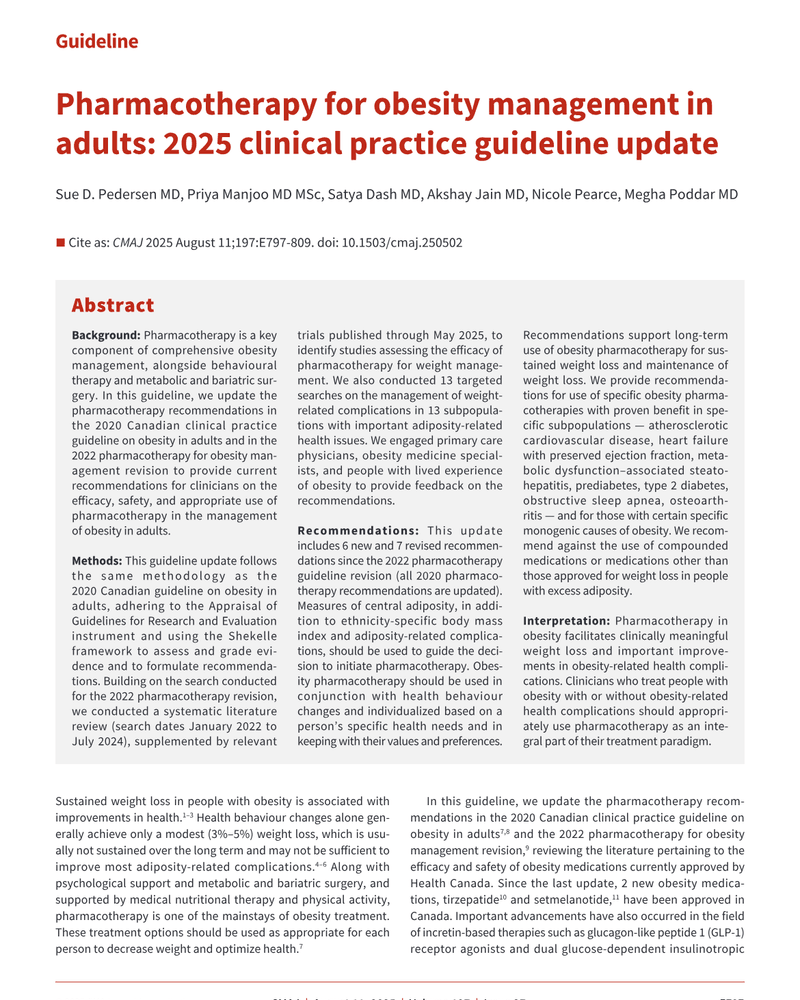
Pharmacotherapy for Obesity Management: 2025 Guidelines
Same specialty · Endocrinology
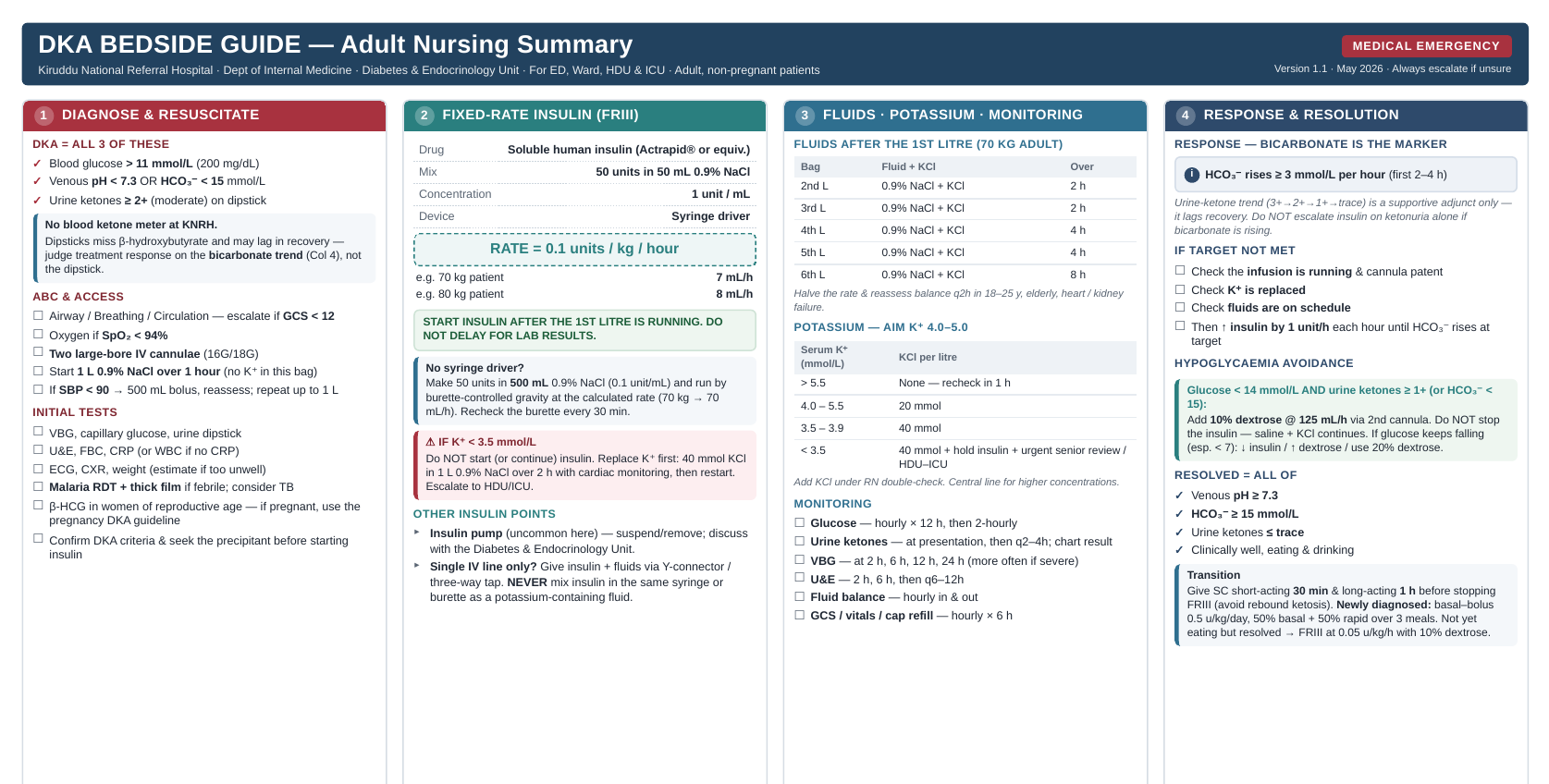
Management of DKA
Same specialty · Endocrinology
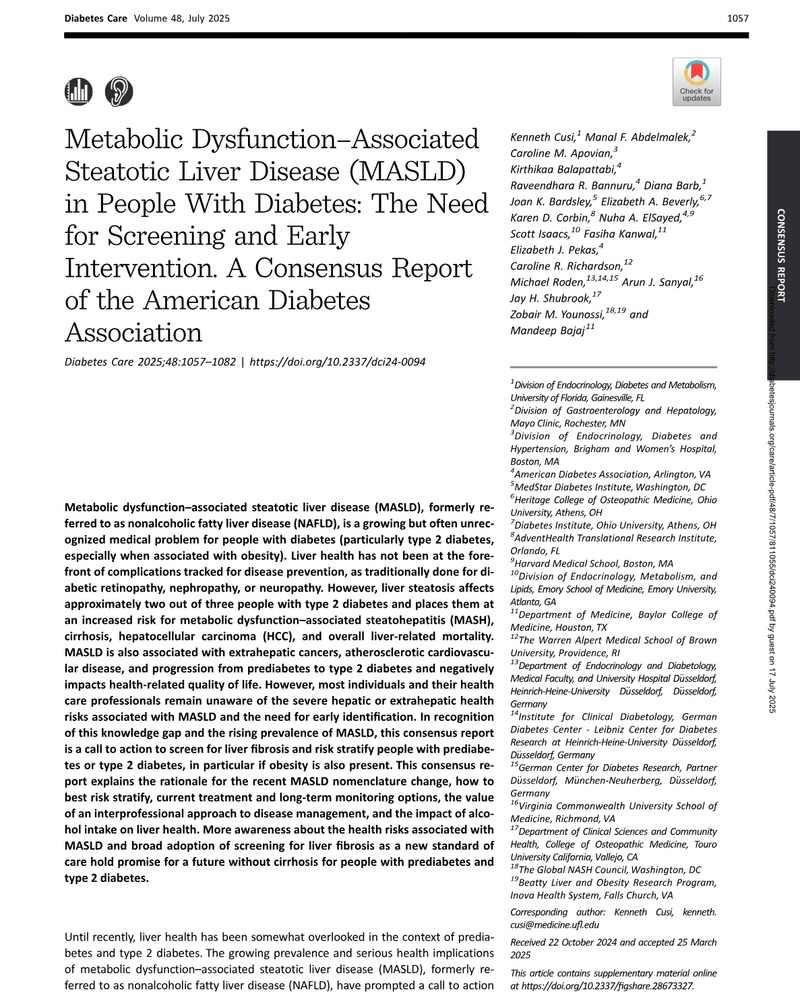
ADA Consensus Report: MASLD in People With Diabetes
Same specialty · Endocrinology
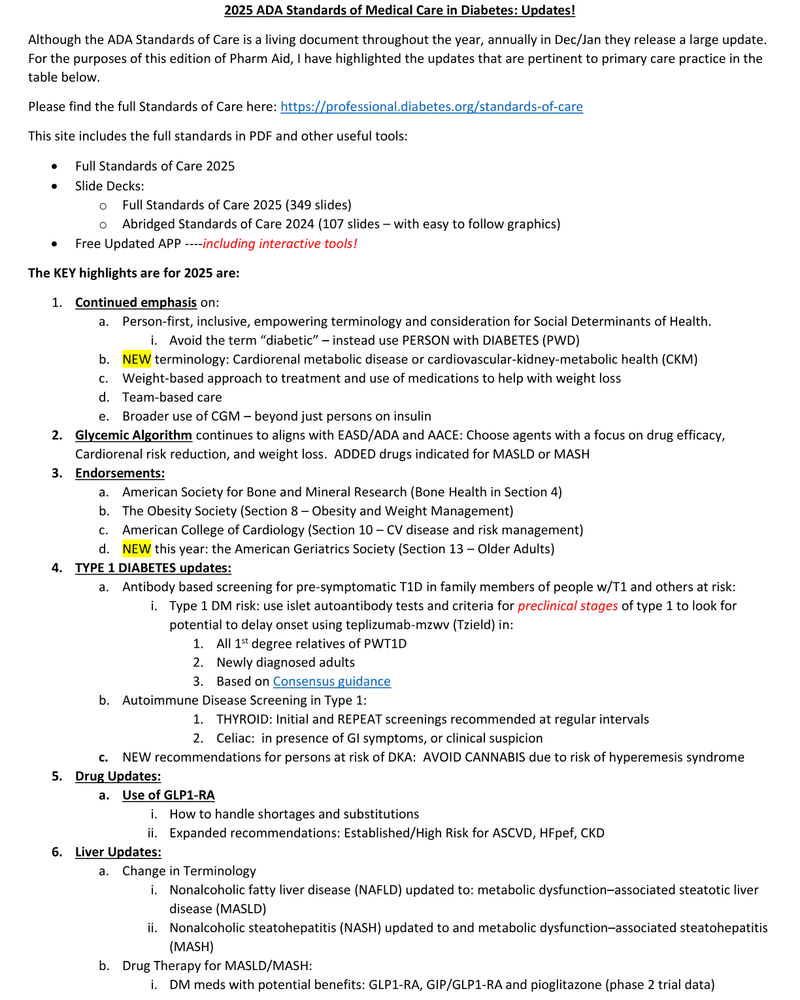
2025 ADA Diabetes Care Standards Updates
Same specialty · Endocrinology
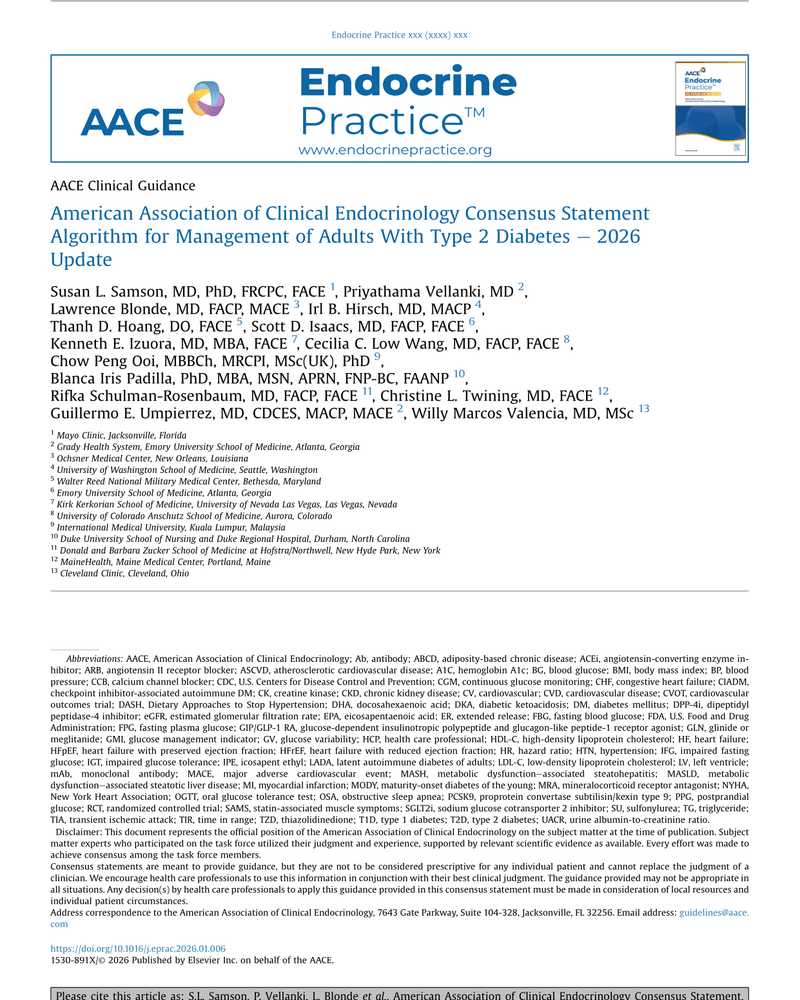
AMERICAN ASSOCIATION OF CLINICAL ENDOCRINOLOGY CONSENSUS STATEMENT ALGORITHM FOR MANAGEMENT OF ADULTS WITH TYPE 2 DIABETES — 2026 UPDATE
Same specialty · Endocrinology
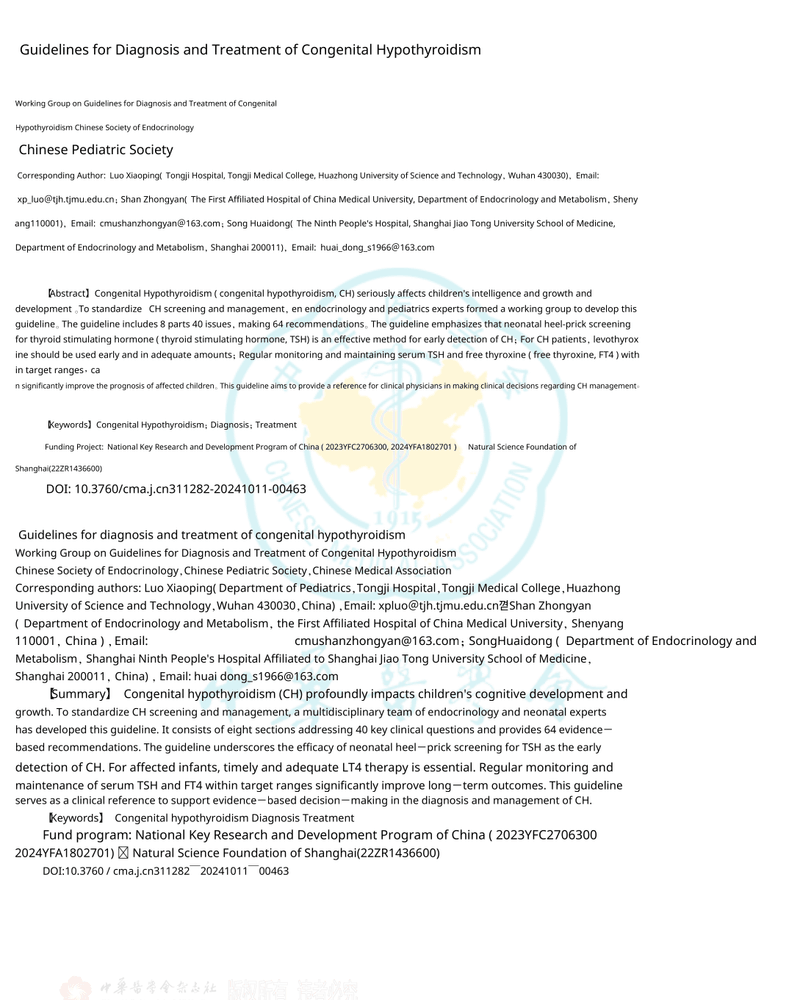
GUIDELINES FOR DIAGNOSIS AND TREATMENT OF CONGENITAL HYPOTHYROIDISM
Same specialty · Endocrinology