Please wait while we open this resource.


K

Clinical reviews
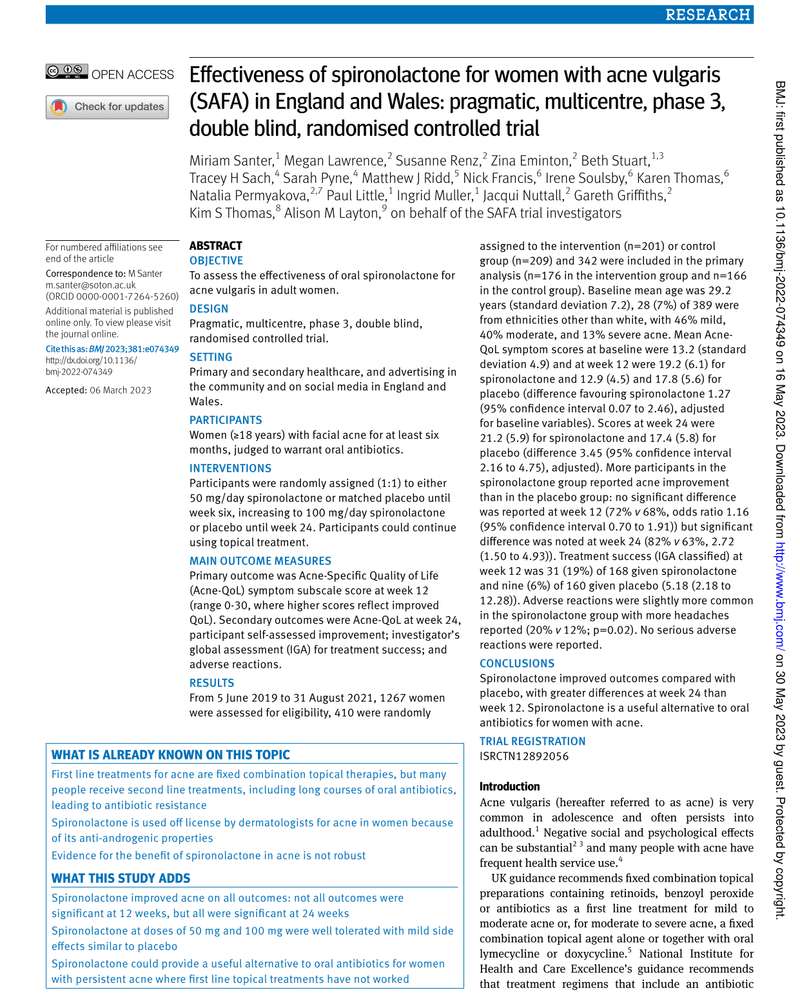
EFFECTIVENESS OF SPIRONOLACTONE FOR WOMEN WITH ACNE VULGARIS
BMJ
PDF202310 pages571 KB
The study evaluates the impact of spironolactone on women with facial acne who have not responded to topical treatments or antibiotics. Participants were randomly assigned to receive either spironolactone or a placebo, with outcomes measured at various intervals. The primary outcome focused on the quality of life related to acne, while secondary outcomes included self-assessment of improvement and adverse reactions. The trial was conducted across multiple centers in England and Wales, with a total of 413 women participating.
Sign in to open
Ask this resource
Answers use this document only.
Your first question is free.
More like this
Resources from the same specialty and type. Curated links will replace these when added.
Clinical Resources
Documents that extend or complement this resource.
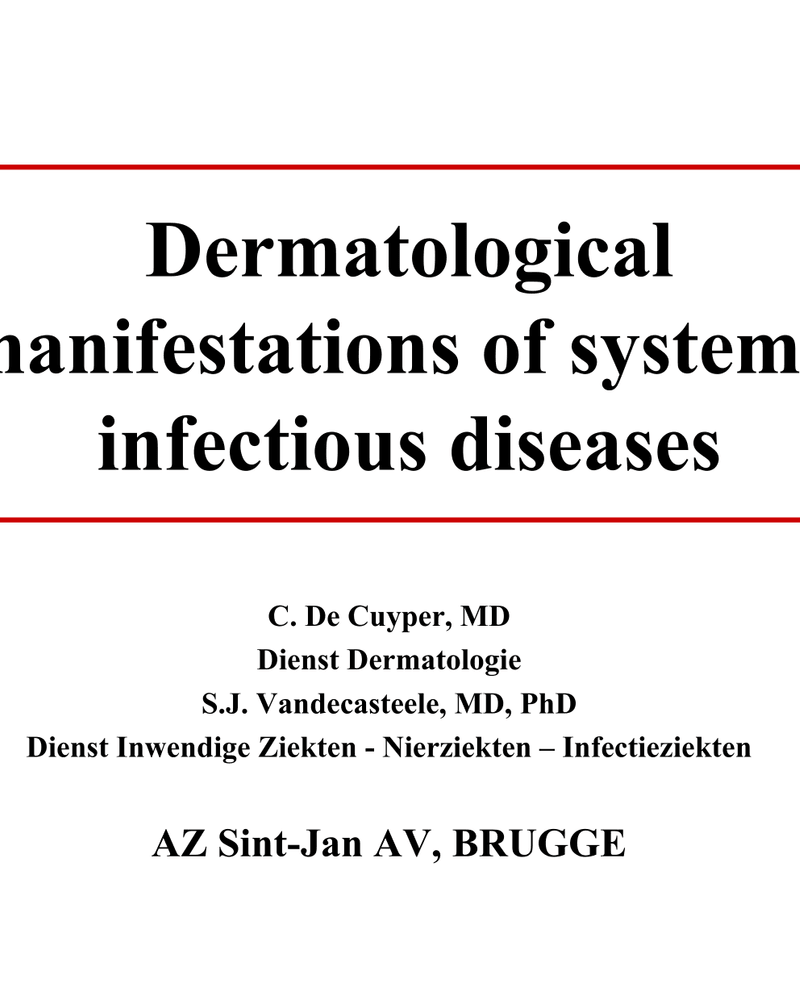
ERYTHEMA EXUDATIVUM MULTIFORME STEVENS JOHNSON SYNDROME
Same clinical topic · Dermatology
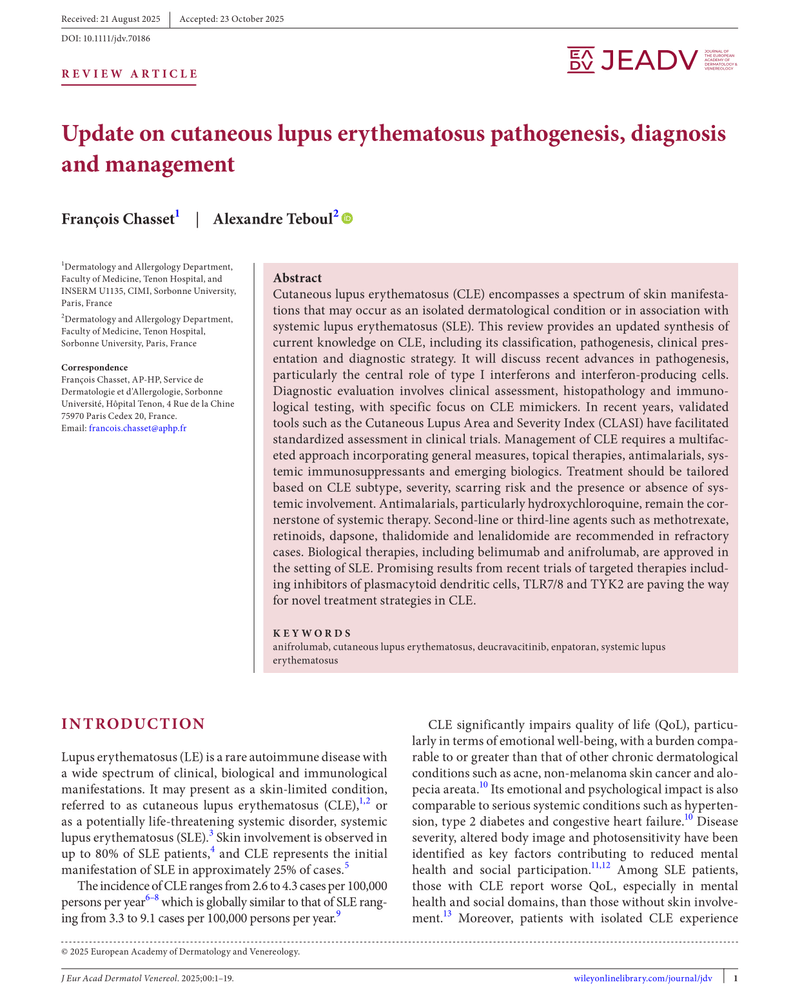
UPDATE ON CUTANEOUS LUPUS ERYTHEMATOSUS PATHOGENESIS, DIAGNOSIS AND MANAGEMENT
Same clinical topic · Dermatology
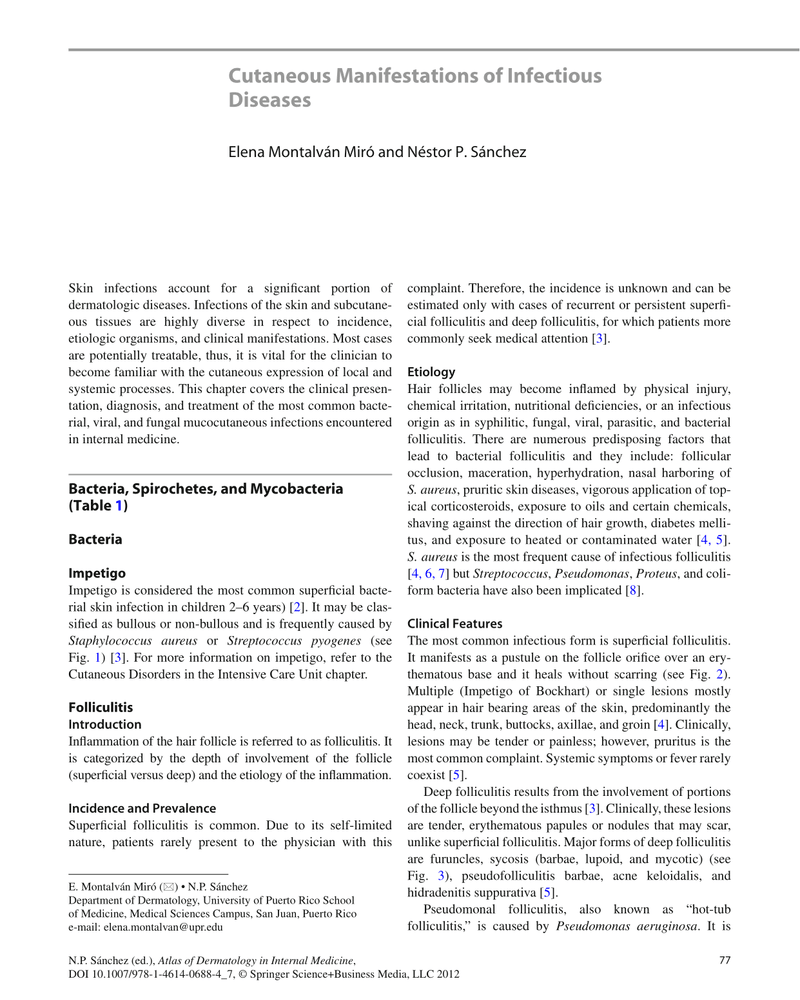
CUTANEOUS MANIFESTATIONS OF INFECTIOUS DISEASES
Same clinical topic · Dermatology
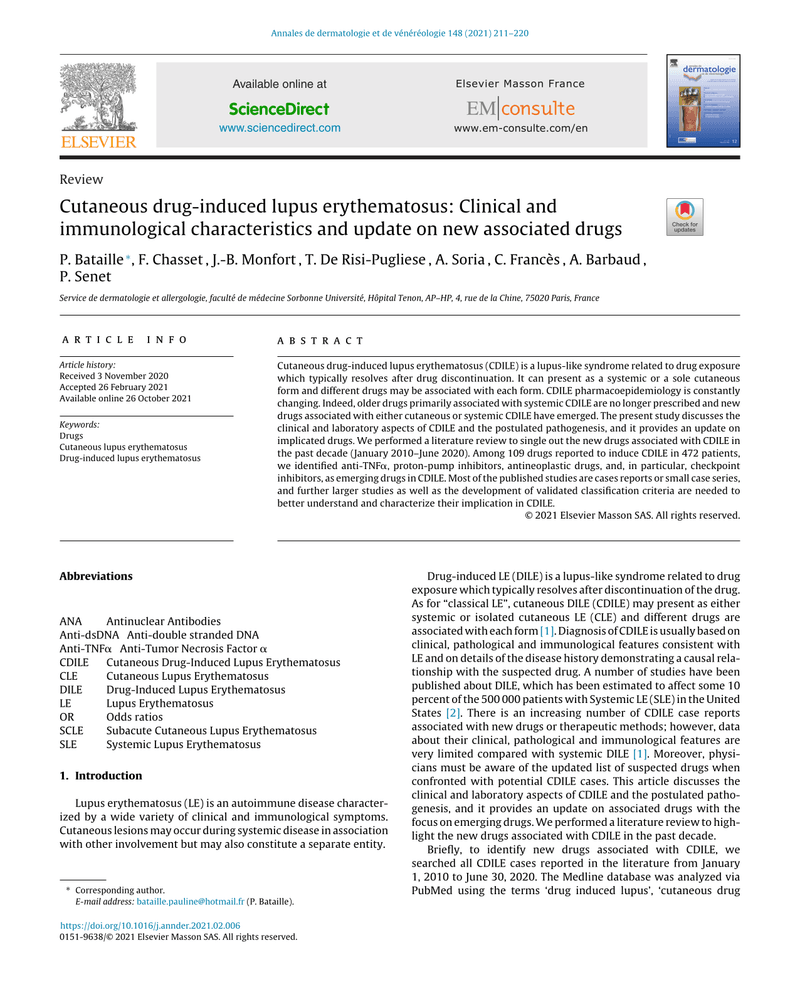
CUTANEOUS DRUG-INDUCED LUPUS ERYTHEMATOSUS: CLINICAL AND IMMUNOLOGICAL CHARACTERISTICS AND UPDATE ON NEW ASSOCIATED DRUGS
Same clinical topic · Dermatology
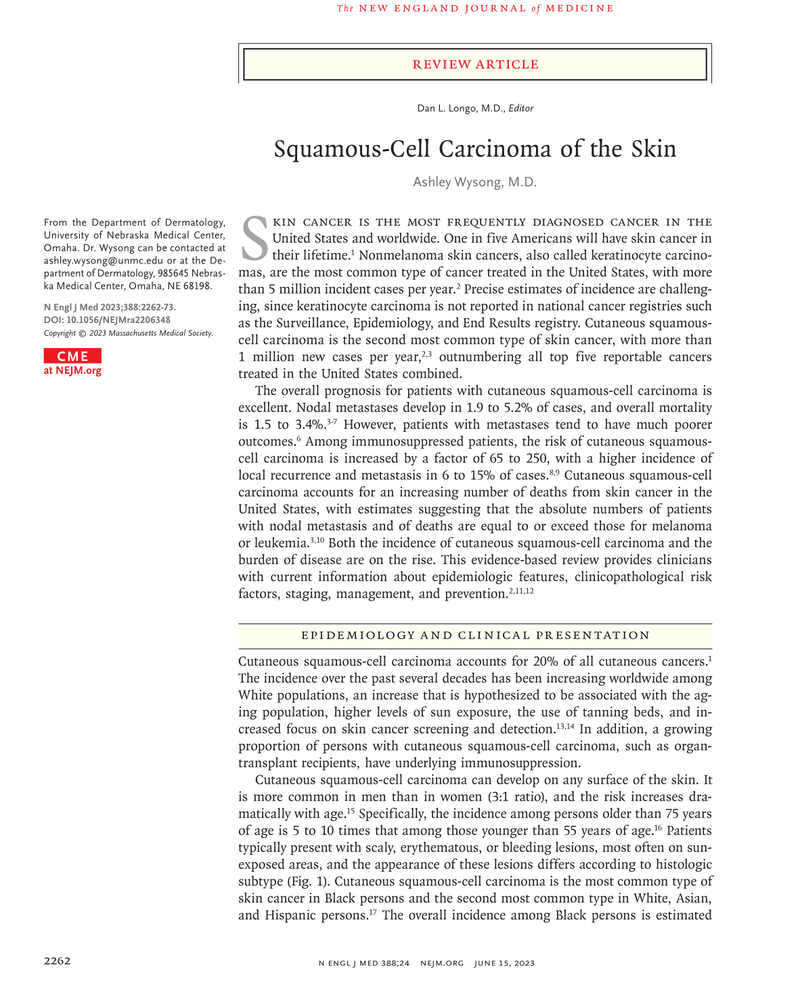
SQUAMOUS-CELL CARCINOMA OF THE SKIN
Same clinical topic · Dermatology
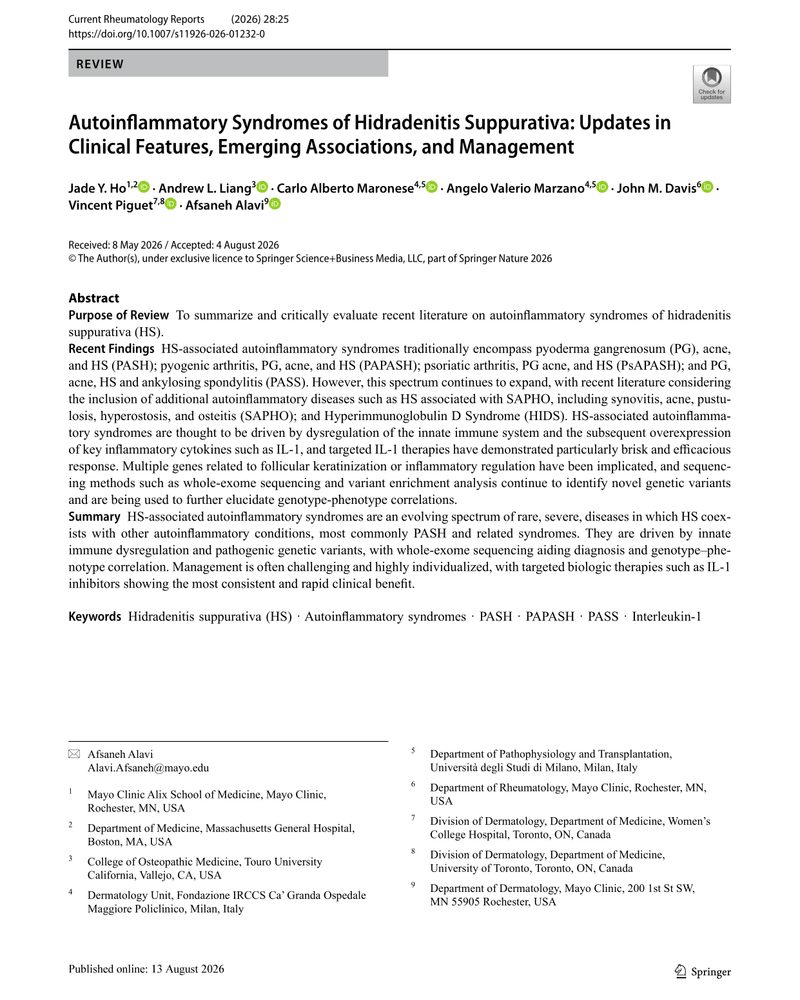
AUTOINFLAMMATORY SYNDROMES OF HIDRADENITIS SUPPURATIVA: UPDATES IN CLINICAL FEATURES, EMERGING ASSOCIATIONS, AND MANAGEMENT
Same clinical topic · Dermatology
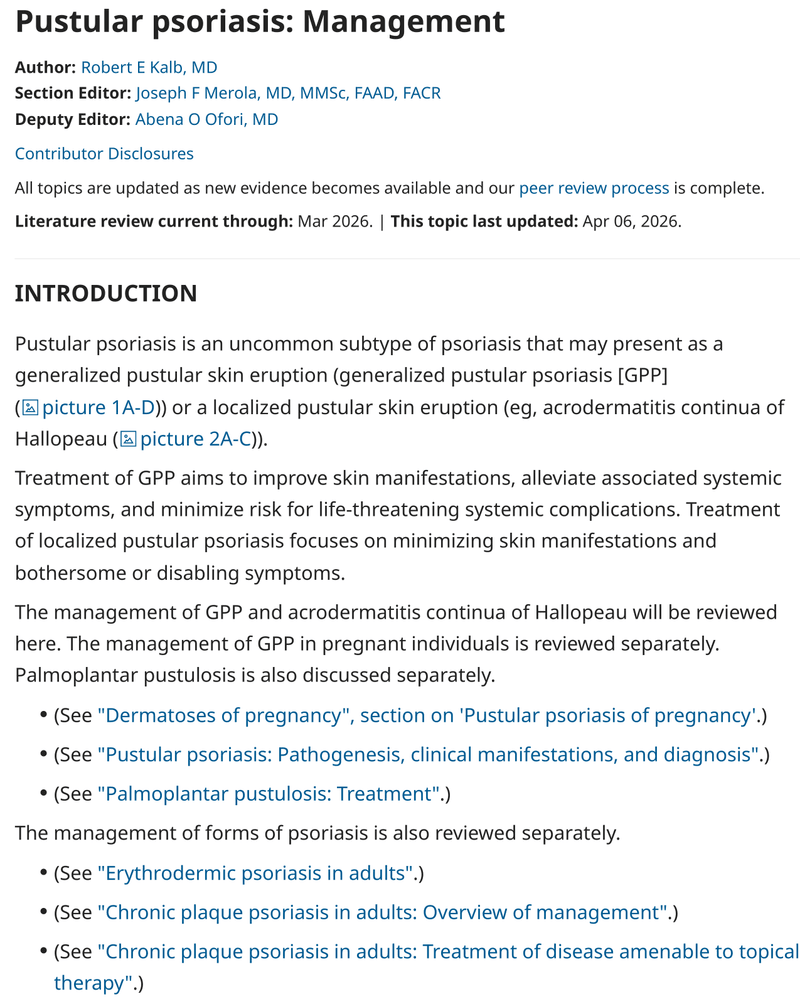
PUSTULAR PSORIASIS: MANAGEMENT
Same clinical topic · Dermatology
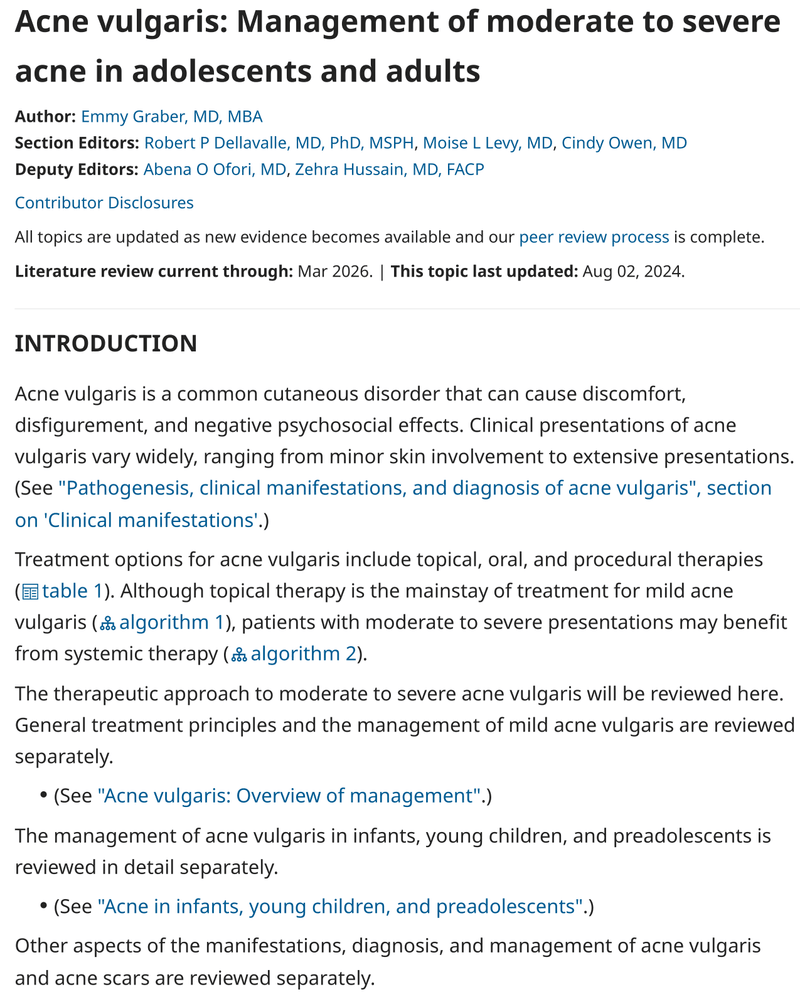
ACNE VULGARIS: MANAGEMENT OF MODERATE TO SEVERE ACNE IN ADOLESCENTS AND ADULTS
Same clinical topic · Dermatology
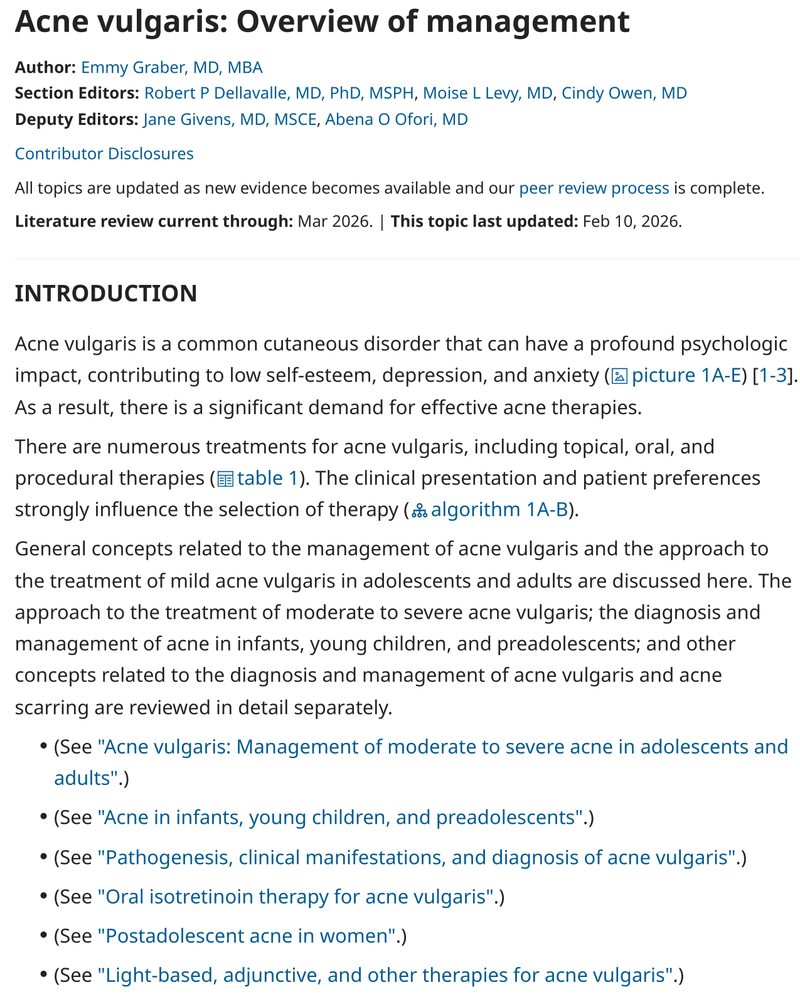
ACNE VULGARIS: OVERVIEW OF MANAGEMENT
Same clinical topic · Dermatology