Please wait while we open this resource.


K

Clinical reviews
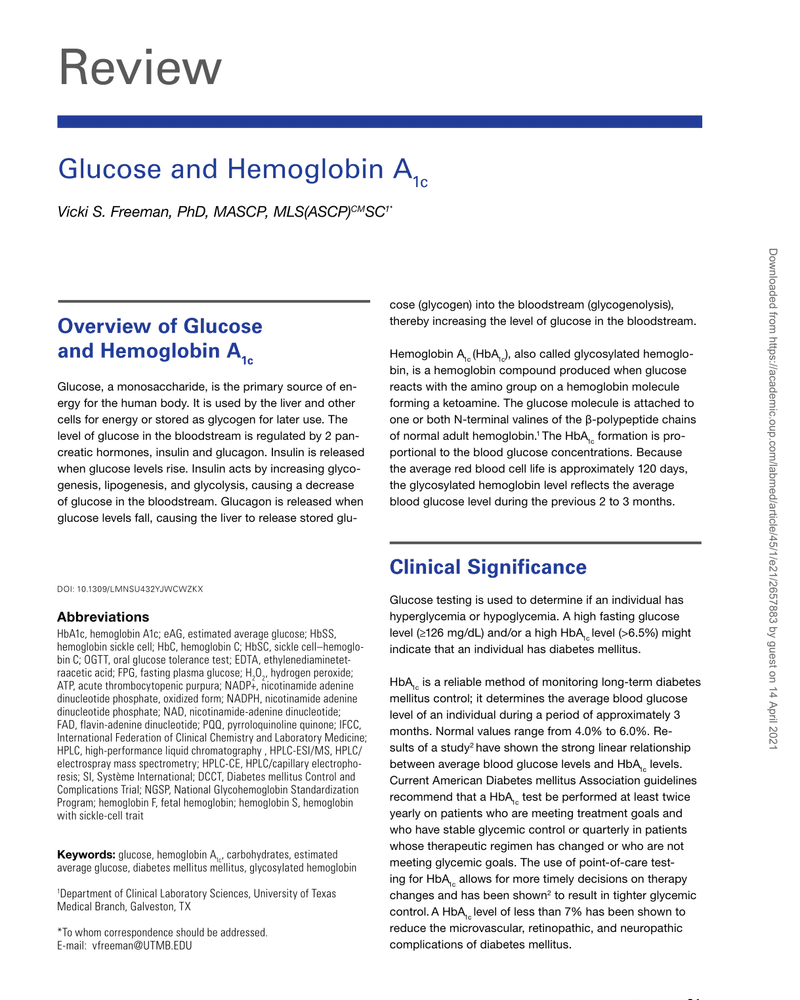
GLUCOSE AND HEMOGLOBIN A₁C
Department of Clinical Laboratory Sciences, University of Texas Medical Branch, Galveston
PDF4 pages528 KB
Glucose is a crucial energy source for the body, regulated by insulin and glucagon. The document elaborates on the biochemical processes that govern glucose levels and the importance of HbA₁c as a marker for long-term glucose control in diabetes management. It also details various laboratory methods for measuring glucose and HbA₁c, highlighting their accuracy and potential interferences.
Sign in to open
Ask this resource
Answers use this document only.
Your first question is free.
More like this
Resources from the same specialty and type. Curated links will replace these when added.
Clinical Resources
Documents that extend or complement this resource.
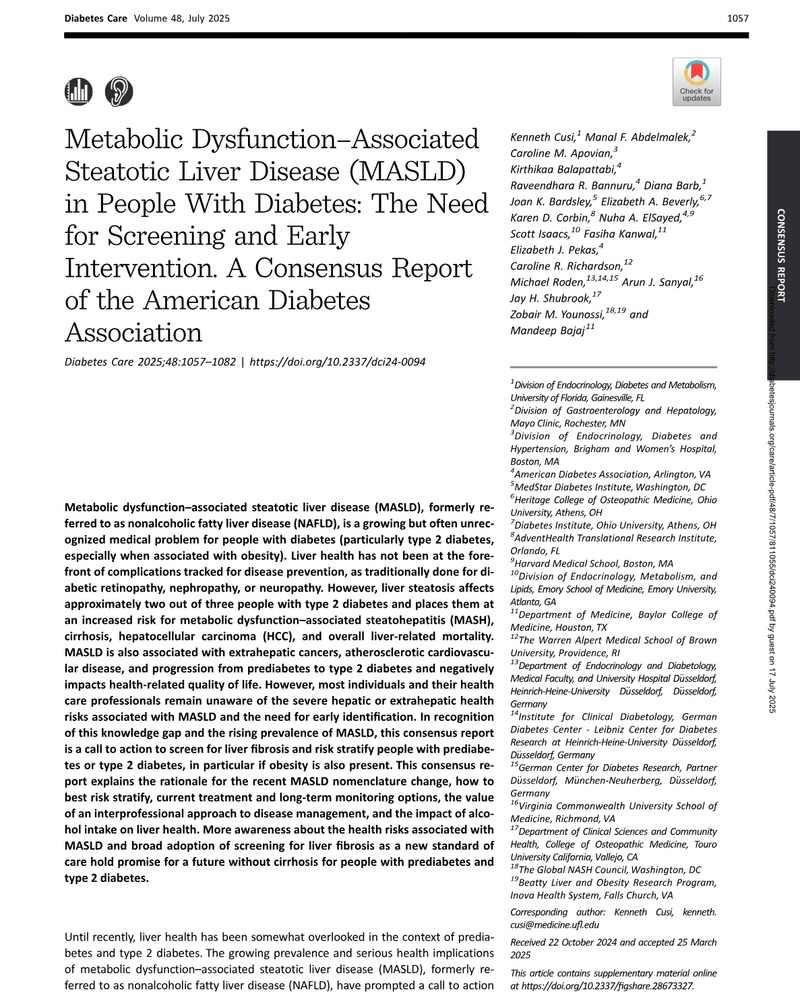
ADA Consensus Report: MASLD in People With Diabetes
Same clinical topic · Endocrinology
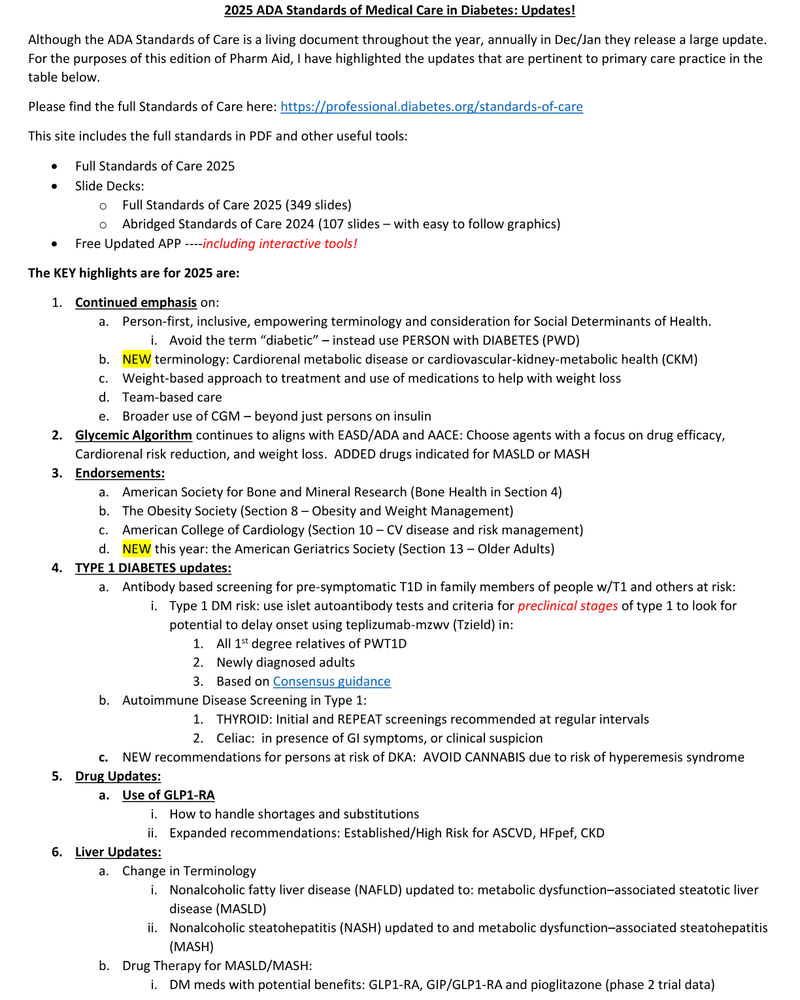
2025 ADA Diabetes Care Standards Updates
Same clinical topic · Endocrinology
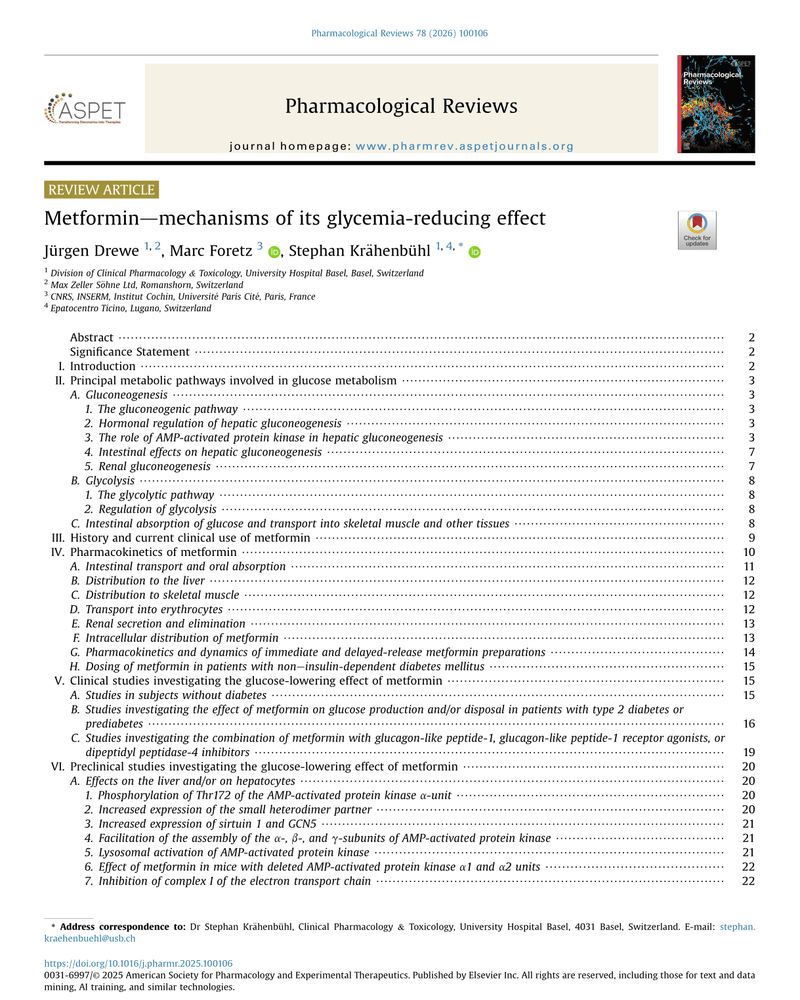
METFORMIN―MECHANISMS OF ITS GLYCEMIA-REDUCING EFFECT
Same clinical topic · Endocrinology
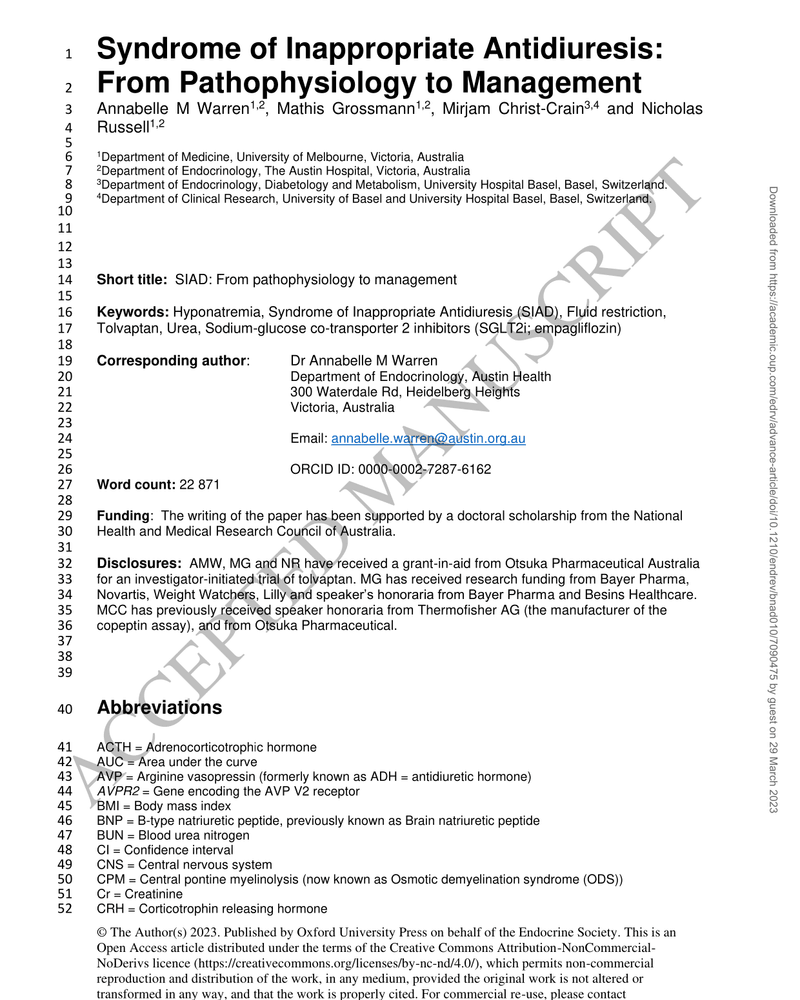
SYNDROME OF INAPPROPRIATE ANTIDIURESIS: FROM PATHOPHYSIOLOGY TO MANAGEMENT
Same clinical topic · Endocrinology
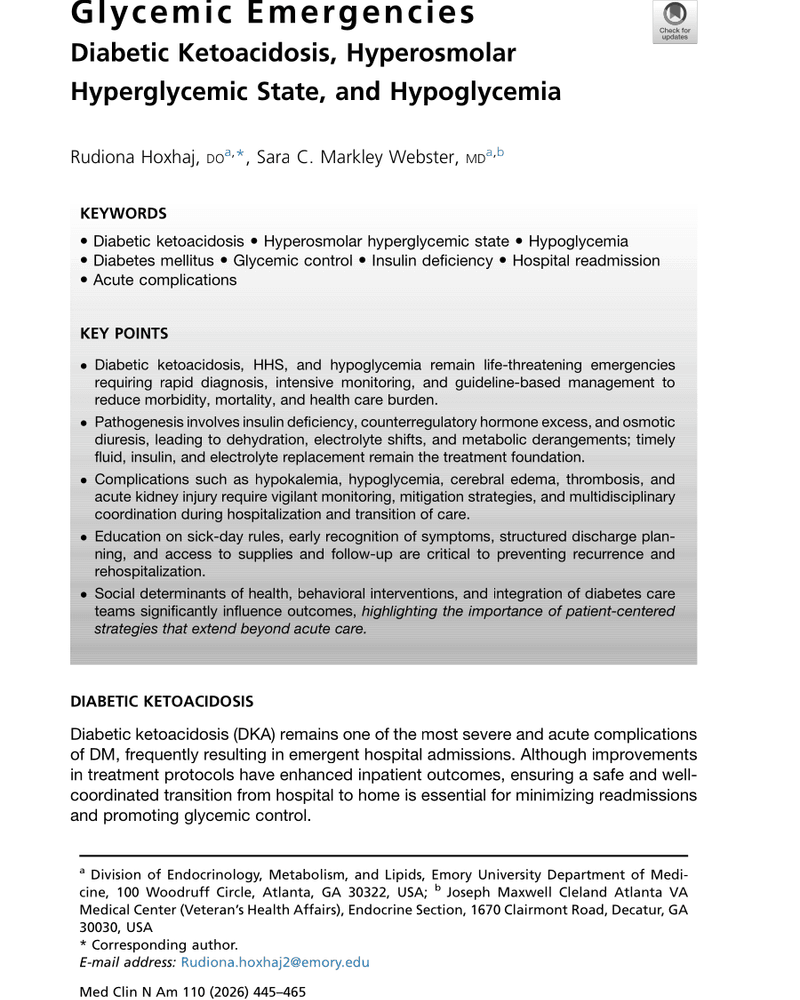
GLYCEMIC EMERGENCIES
Same clinical topic · Endocrinology
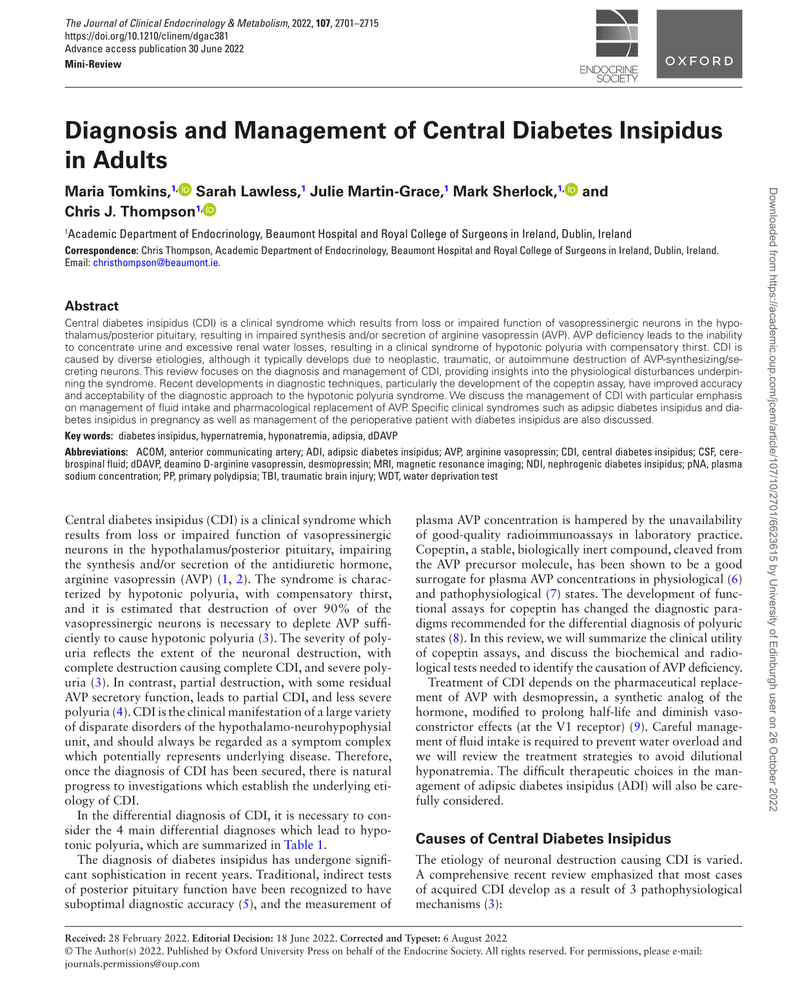
DIAGNOSIS AND MANAGEMENT OF CENTRAL DIABETES INSIPIDUS IN ADULTS
Same clinical topic · Endocrinology
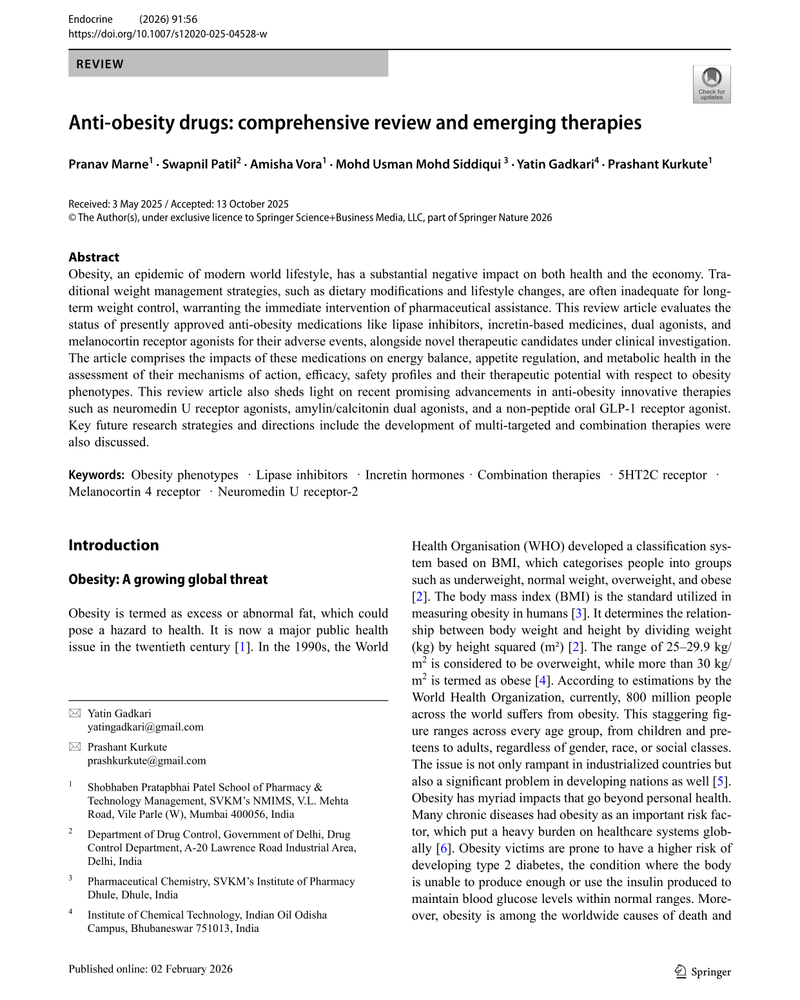
ANTI-OBESITY DRUGS: COMPREHENSIVE REVIEW AND EMERGING THERAPIES
Same clinical topic · Endocrinology
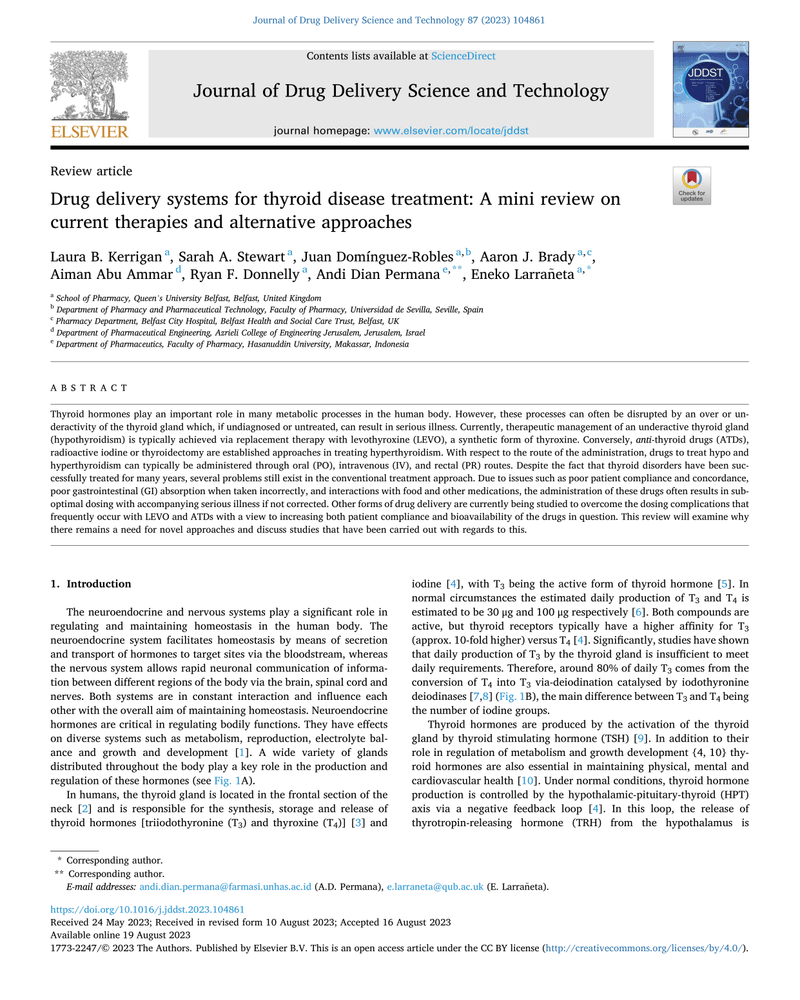
DRUG DELIVERY SYSTEMS FOR THYROID DISEASE TREATMENT: A MINI REVIEW ON CURRENT THERAPIES AND ALTERNATIVE APPROACHES
Same clinical topic · Endocrinology

OTHER BENEFITS OF CONTROLLING CARBOHYDRATES
Same clinical topic · Endocrinology