Please wait while we open this resource.


K

Clinical reviews
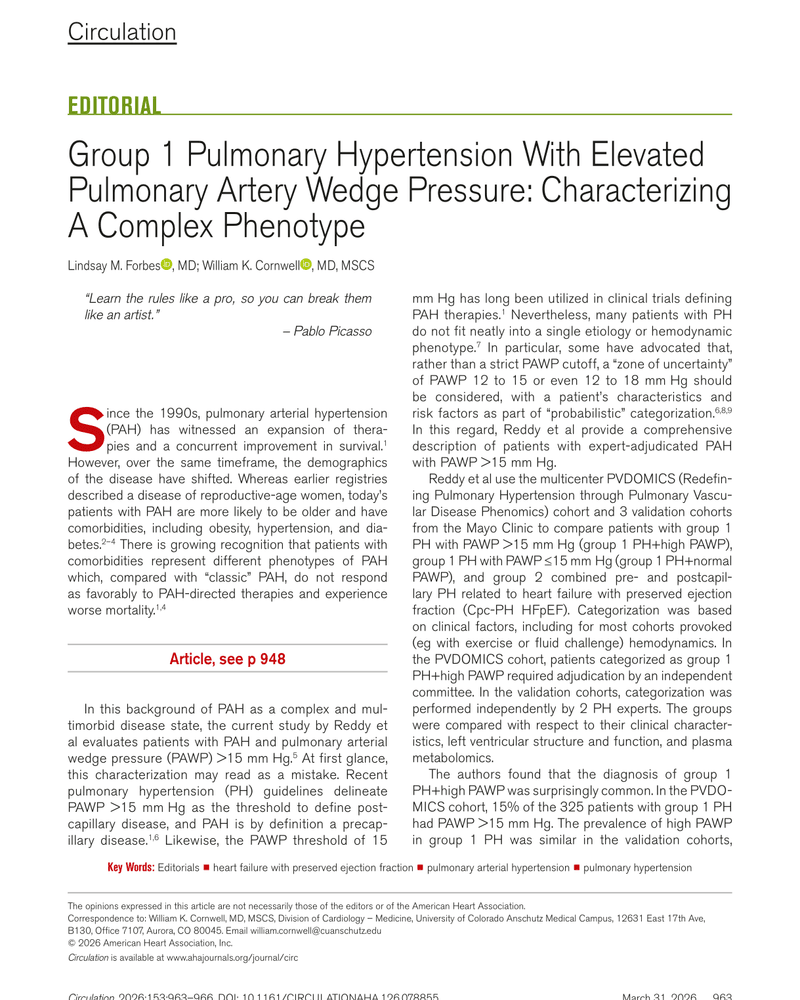
GROUP 1 PULMONARY HYPERTENSION WITH ELEVATED PULMONARY ARTERY WEDGE PRESSURE: CHARACTERIZING A COMPLEX PHENOTYPE
Lindsay M. Forbes, MD; William K. Cornwell, MD, MSCS
PDF20244 pages725 KB
Since the 1990s, the landscape of pulmonary arterial hypertension (PAH) has changed significantly, with an increase in older patients and those with comorbidities. This editorial evaluates a study that characterizes patients with PAH and elevated PAWP, challenging traditional definitions and highlighting the complexity of PAH phenotypes. It emphasizes the need for nuanced understanding in treatment approaches, particularly as some patients may not respond favorably to standard therapies. The editorial also discusses the limitations of current categorization strategies and the importance of high-quality data in guiding clinical practice.
Sign in to open
Ask this resource
Answers use this document only.
Your first question is free.
More like this
Resources from the same specialty and type. Curated links will replace these when added.
Clinical Resources
Documents that extend or complement this resource.
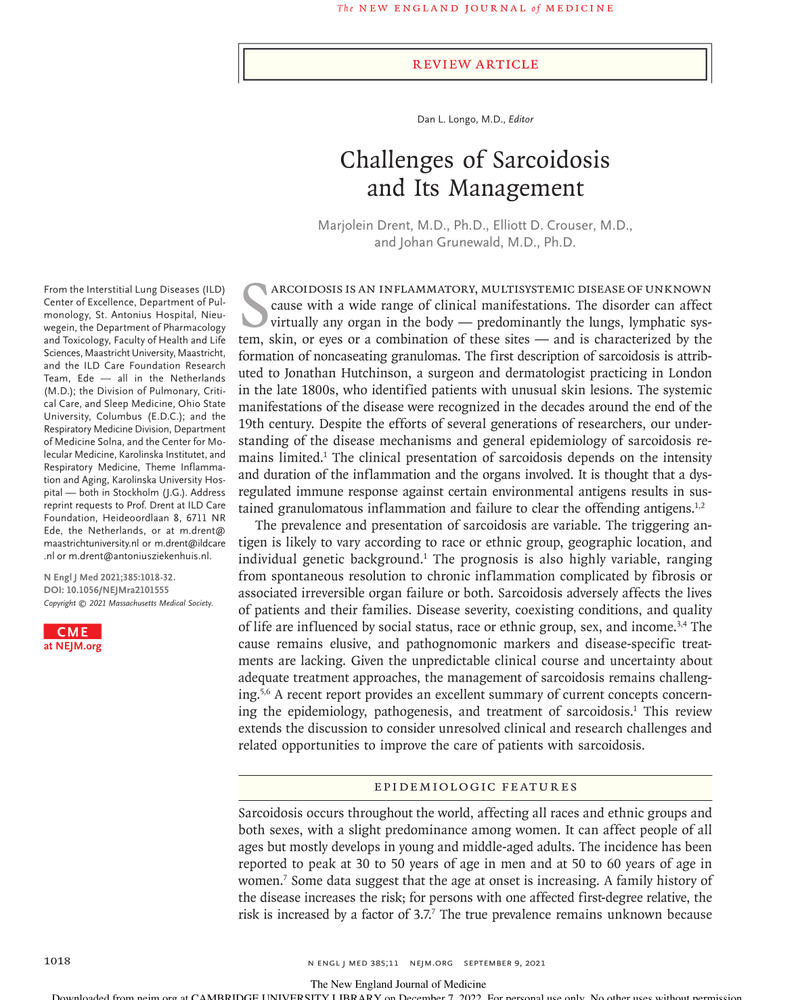
CHALLENGES OF SARCOIDOSIS AND ITS MANAGEMENT
Same clinical topic · Pulmonology
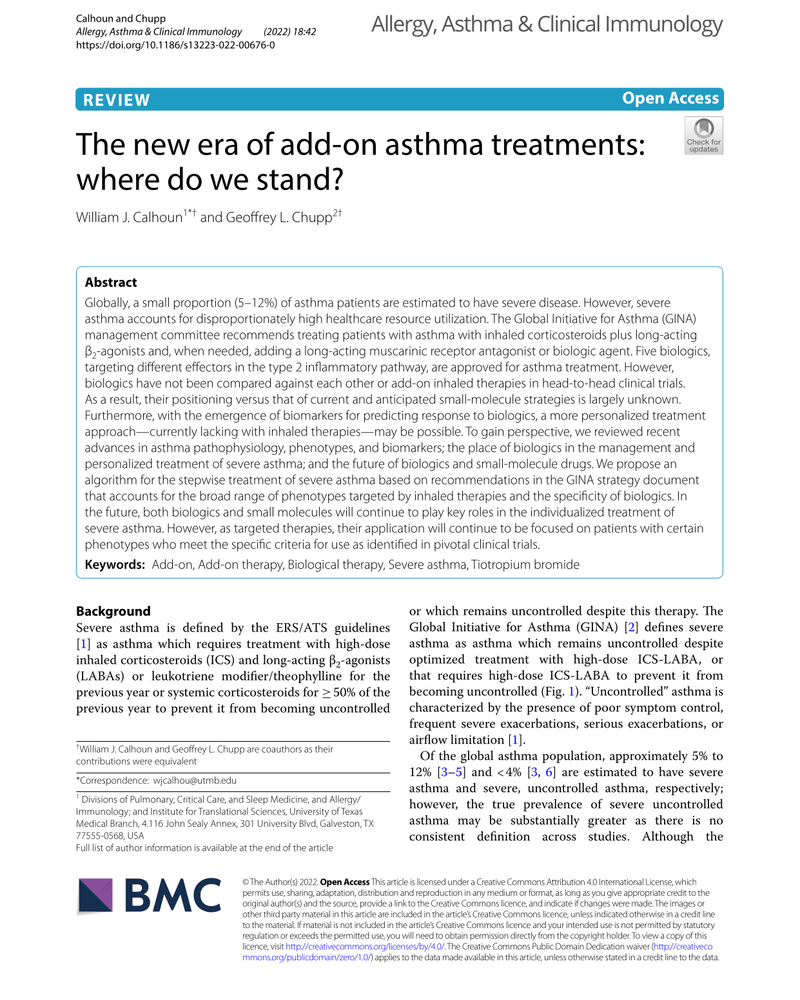
THE NEW ERA OF ADD-ON ASTHMA TREATMENTS: WHERE DO WE STAND?
Same clinical topic · Pulmonology
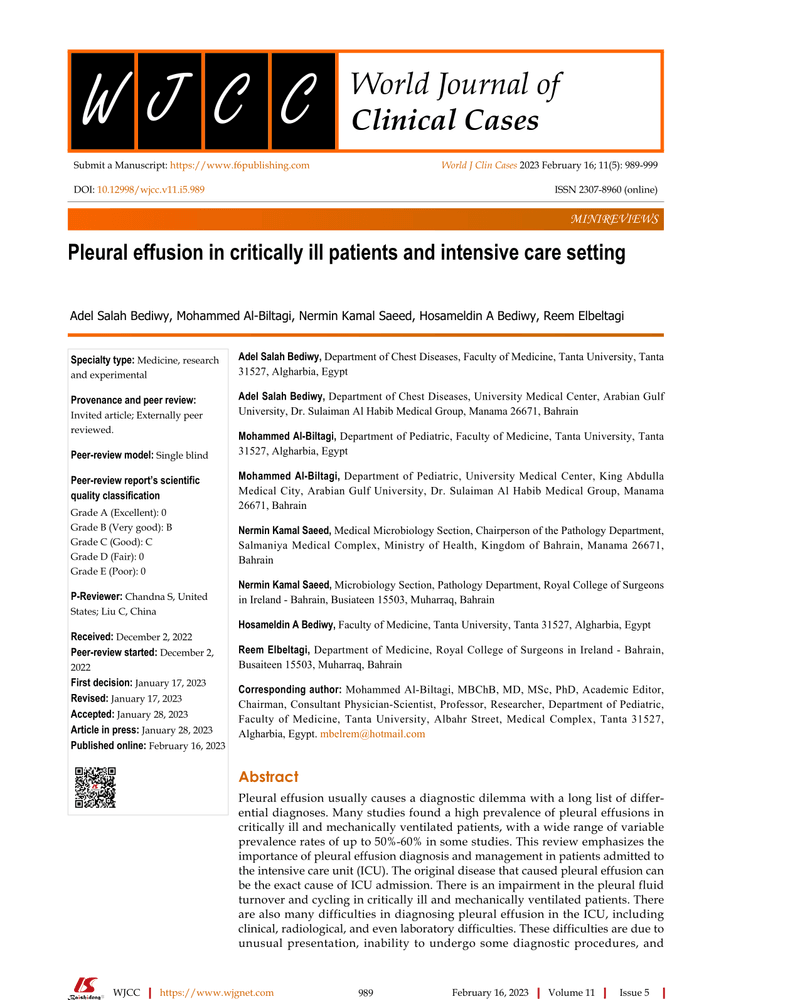
PLEURAL EFFUSION IN CRITICALLY ILL PATIENTS AND INTENSIVE CARE SETTING
Same clinical topic · Pulmonology
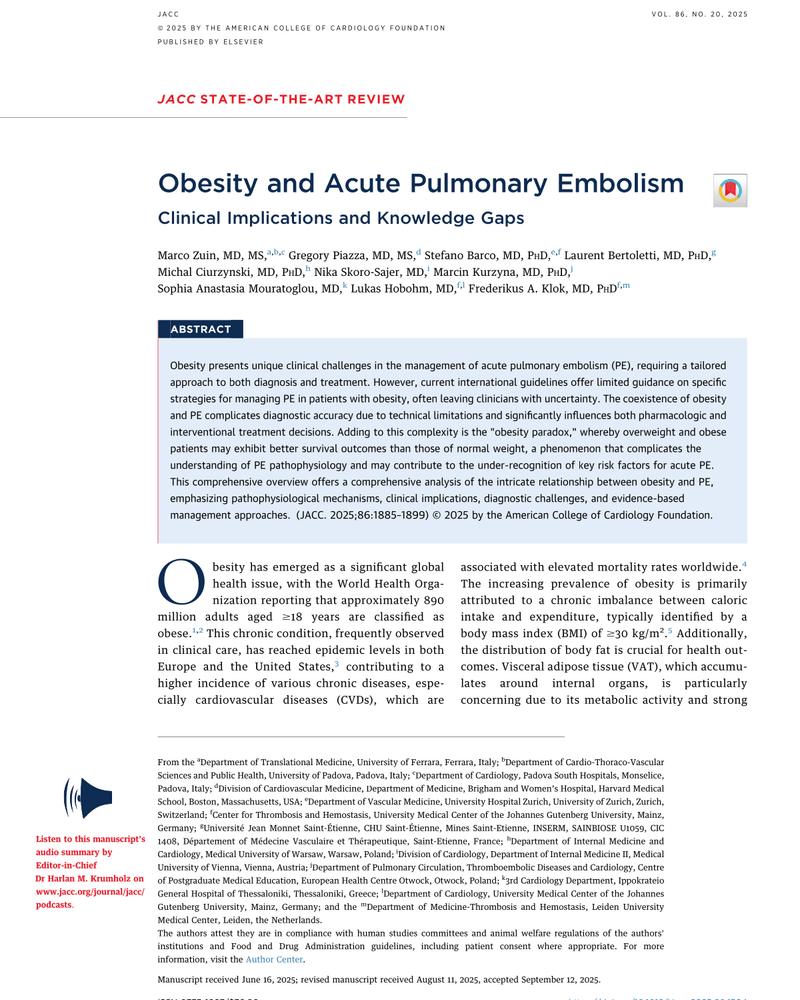
OBESITY AND ACUTE PULMONARY EMBOLISM
Same clinical topic · Pulmonology
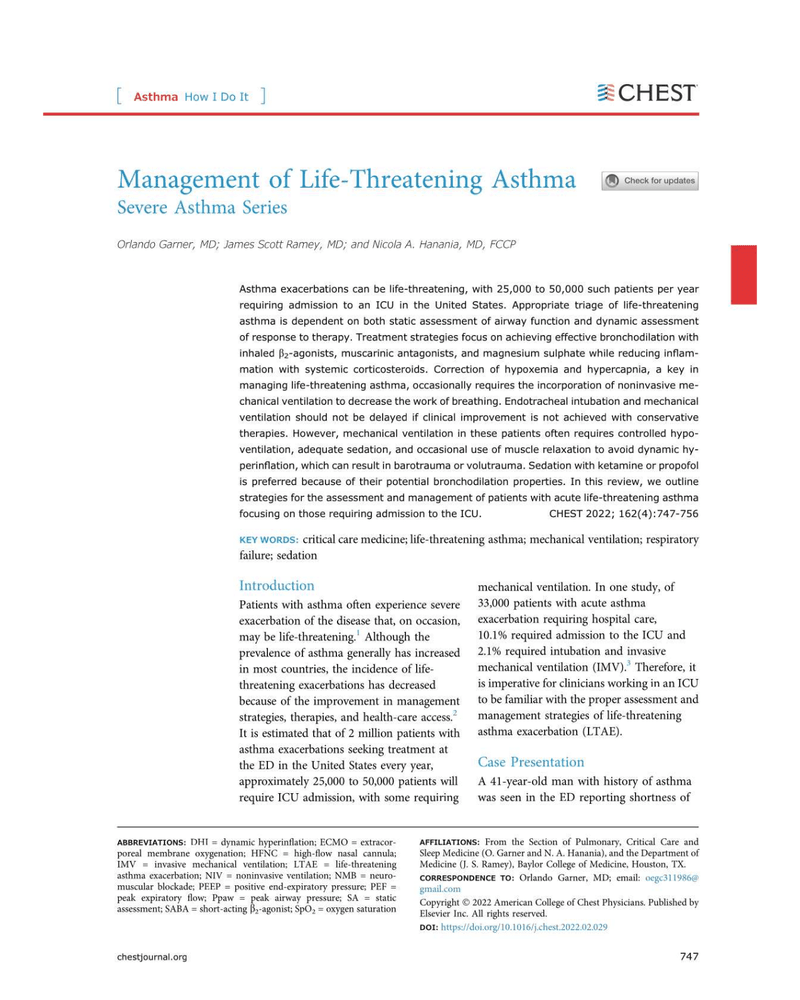
Management of Life-Threatening Asthma
Same clinical topic · Pulmonology
Management of Life-Threatening Asthma
Same clinical topic · Pulmonology
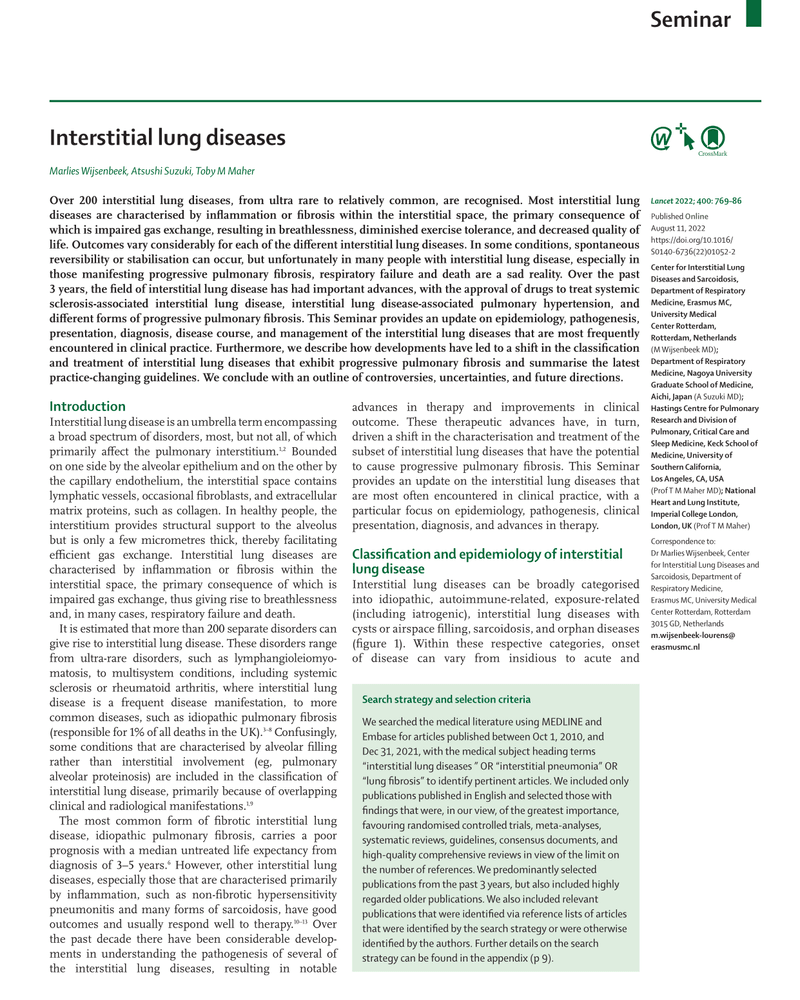
INTERSTITIAL LUNG DISEASES
Same clinical topic · Pulmonology
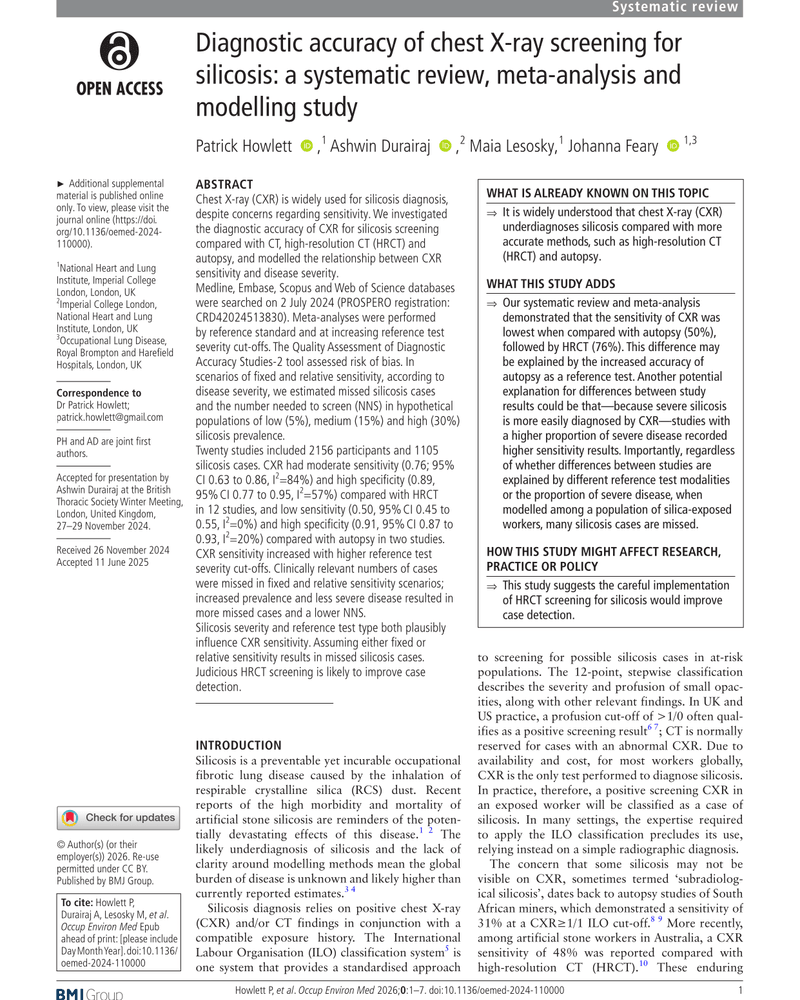
DIAGNOSTIC ACCURACY OF CHEST X-RAY SCREENING FOR SILICOSIS: A SYSTEMATIC REVIEW, META-ANALYSIS AND MODELLING STUDY
Same clinical topic · Pulmonology
Definitions of non-response and response to biological therapy for severe asthma: a systematic review
Same clinical topic · Pulmonology