Please wait while we open this resource.


K

SASI Bank
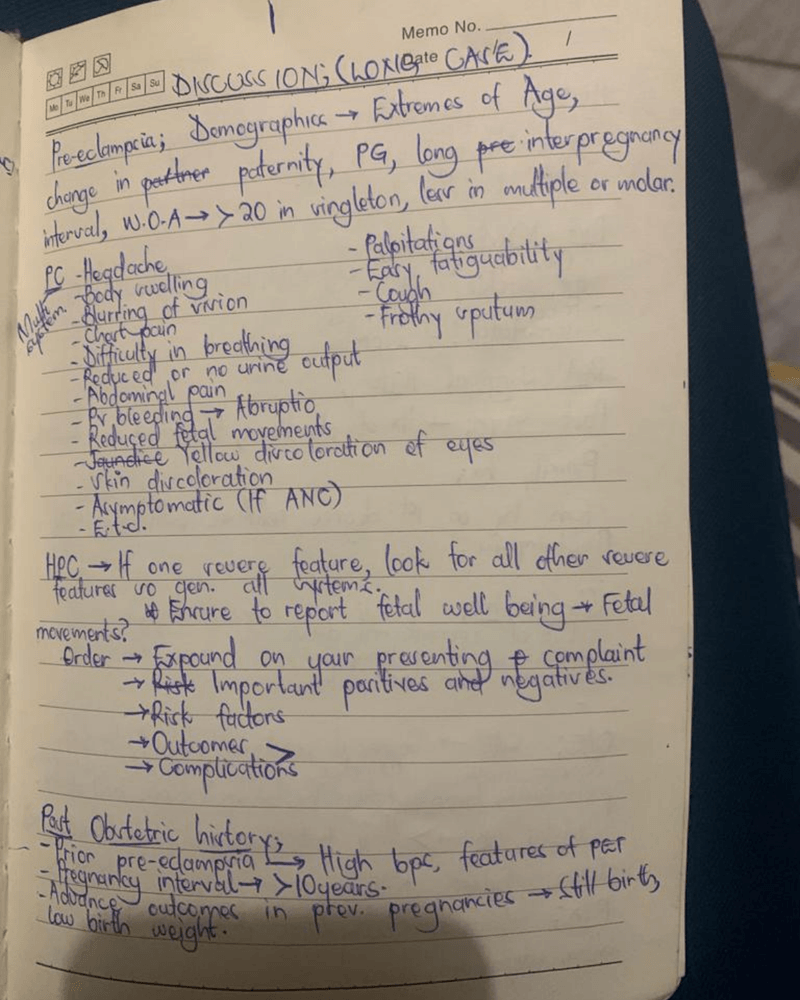
Long case discussion
Obstetrics & Gynecology
PDF14 pages1.2 MB
The document provides a systematic approach to identifying pre‑eclampsia risk factors such as extreme maternal age, long inter‑pregnancy intervals, and prior hypertensive disorders. It describes step‑by‑step assessment, including history, physical examination, vital signs, and targeted investigations like urine albumin, CBC, and obstetric ultrasound. Management recommendations cover the use of magnesium sulfate, antihypertensives, corticosteroids, and fluid therapy, as well as criteria for induction or cesarean delivery. Post‑natal care guidance includes monitoring for complications such as sepsis, fistula, and postpartum hemorrhage, and emphasizes breastfeeding, contraception, and maternal hygiene. The protocol is intended for use in obstetric settings to improve maternal and fetal outcomes.
Sign in to open
Ask this resource
Answers use this document only.
Your first question is free.
More like this
Resources from the same specialty and type. Curated links will replace these when added.
Clinical Resources
Documents that extend or complement this resource.
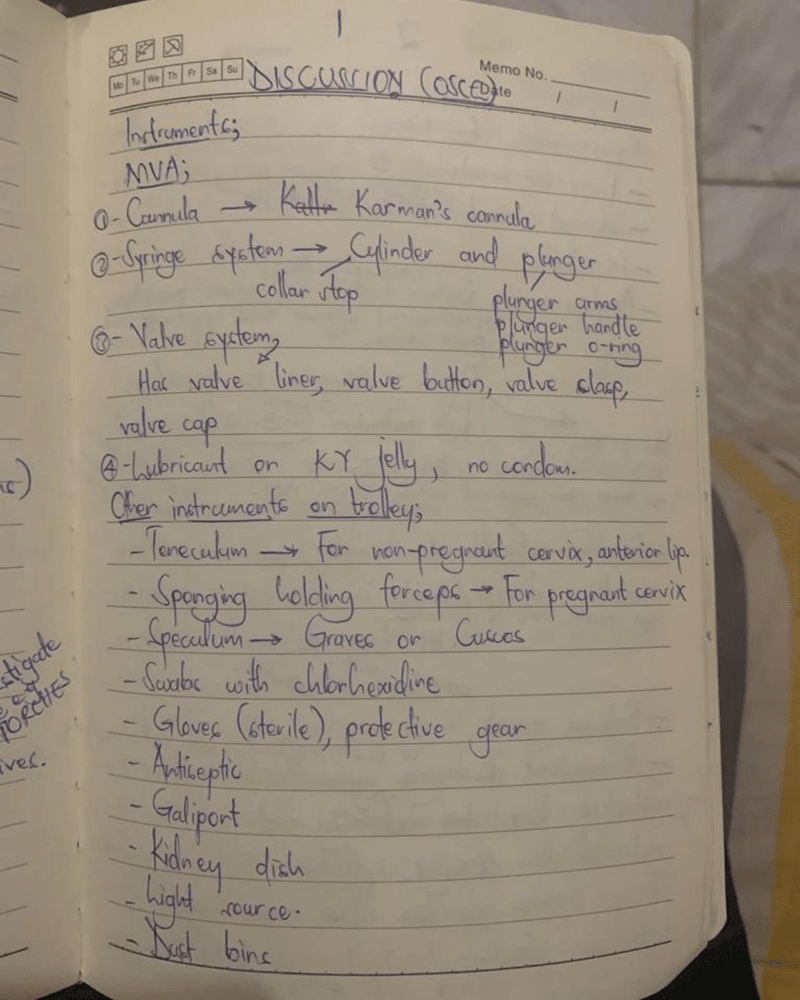
OSCE Discussion
Same clinical topic · Obstetrics & Gynecology

Hacker Moore’s Essentials of Obstetrics and Gynecology 6th16 by
Same specialty · Obstetrics & Gynecology

Uganda Preeclampsia District Leadership Briefing
Same specialty · Obstetrics & Gynecology
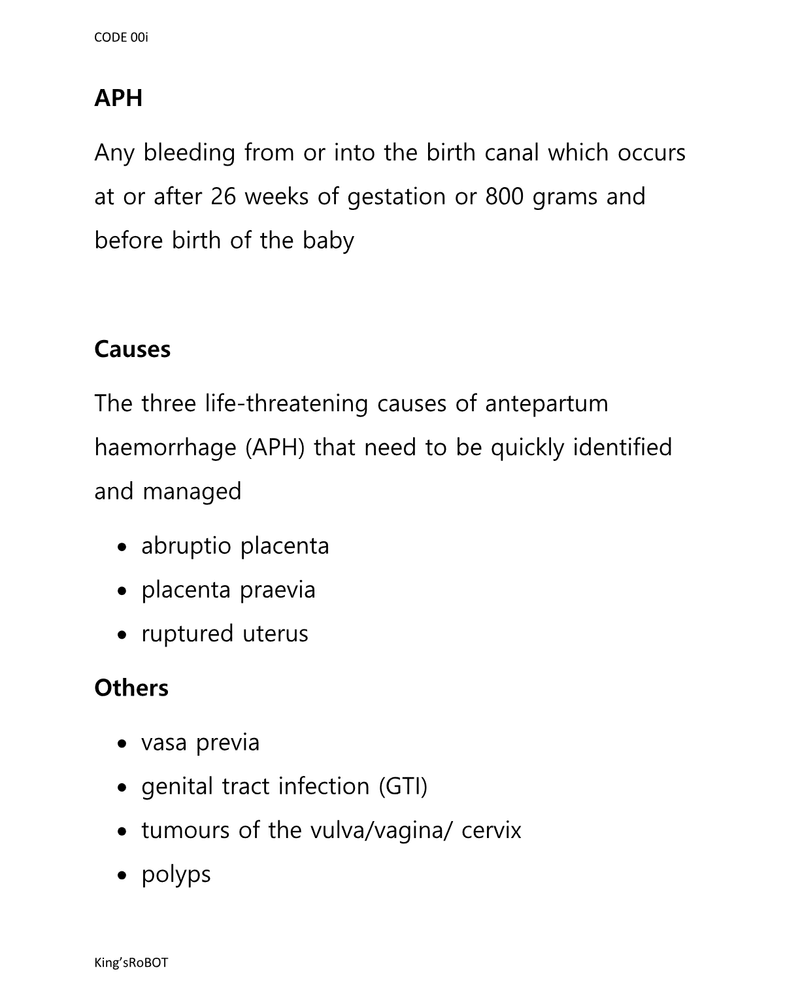
Antepartum Hemorrhage (APH)
Same specialty · Obstetrics & Gynecology
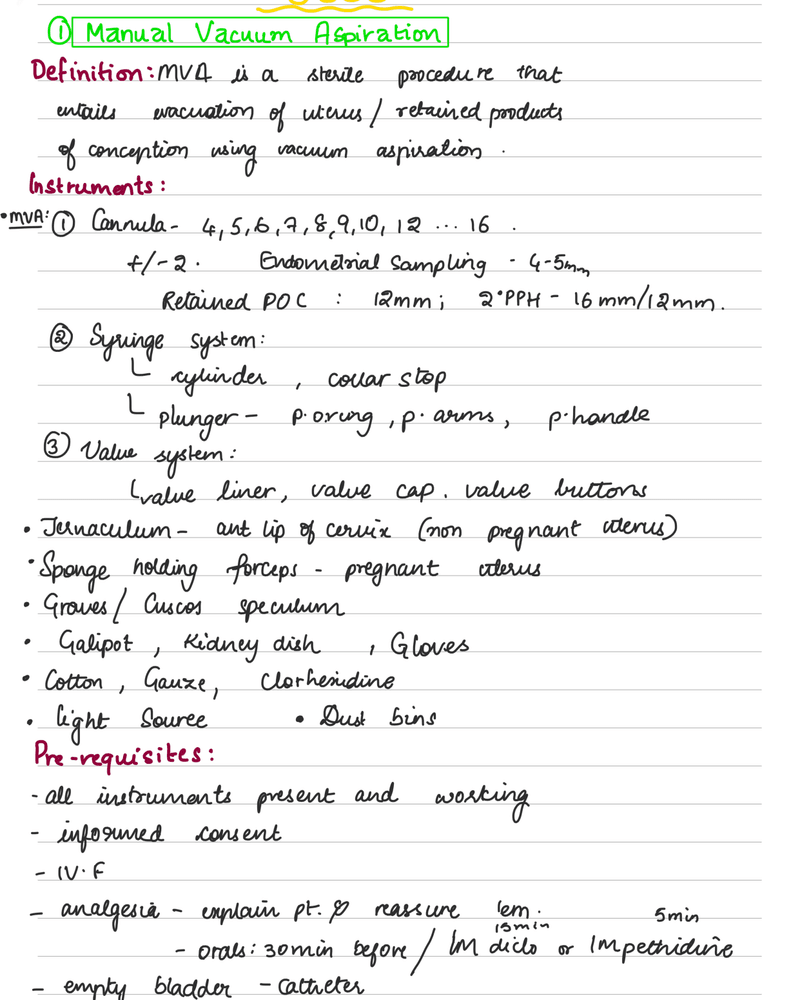
OSCE
Same specialty · Obstetrics & Gynecology

Gynaecology-DC-Dutta
Same specialty · Obstetrics & Gynecology
Family Planning: A Global Handbook for Providers
Same specialty · Obstetrics & Gynecology

OBGY MCQs
Same specialty · Obstetrics & Gynecology

VIA Cryo HPV Detection Module 2 Anatomy & Physiology
Same specialty · Obstetrics & Gynecology