Please wait while we open this resource.


K

Clinical reviews
LOVE AND COMPASSION: KEY INGREDIENTS IN THE TREATMENT OF OBESITY
Jean-Philippe Chaput
PDF20263 pages269 KB
Obesity management has traditionally focused on diet, physical activity, and medical interventions, while emotional and relational factors such as compassion, connection, and the reduction of shame remain underemphasized. Emerging evidence highlights the roles of love and compassion—defined as care, connection, and kindness toward oneself and others—as potential catalysts for sustainable lifestyle change. This Perspective posits that integrating love and compassion into obesity treatment offers a more humane and potentially more effective framework for improving health and well-being among individuals living with obesity.
Sign in to open
Ask this resource
Answers use this document only.
Your first question is free.
More like this
Resources from the same specialty and type. Curated links will replace these when added.
Clinical Resources
Documents that extend or complement this resource.
Traumatic Brain Injury
Same resource type · Neurology
ADA Consensus Report: MASLD in People With Diabetes
Same resource type · Endocrinology
Hospital Care for Children Guidelines
Same resource type · Pediatrics
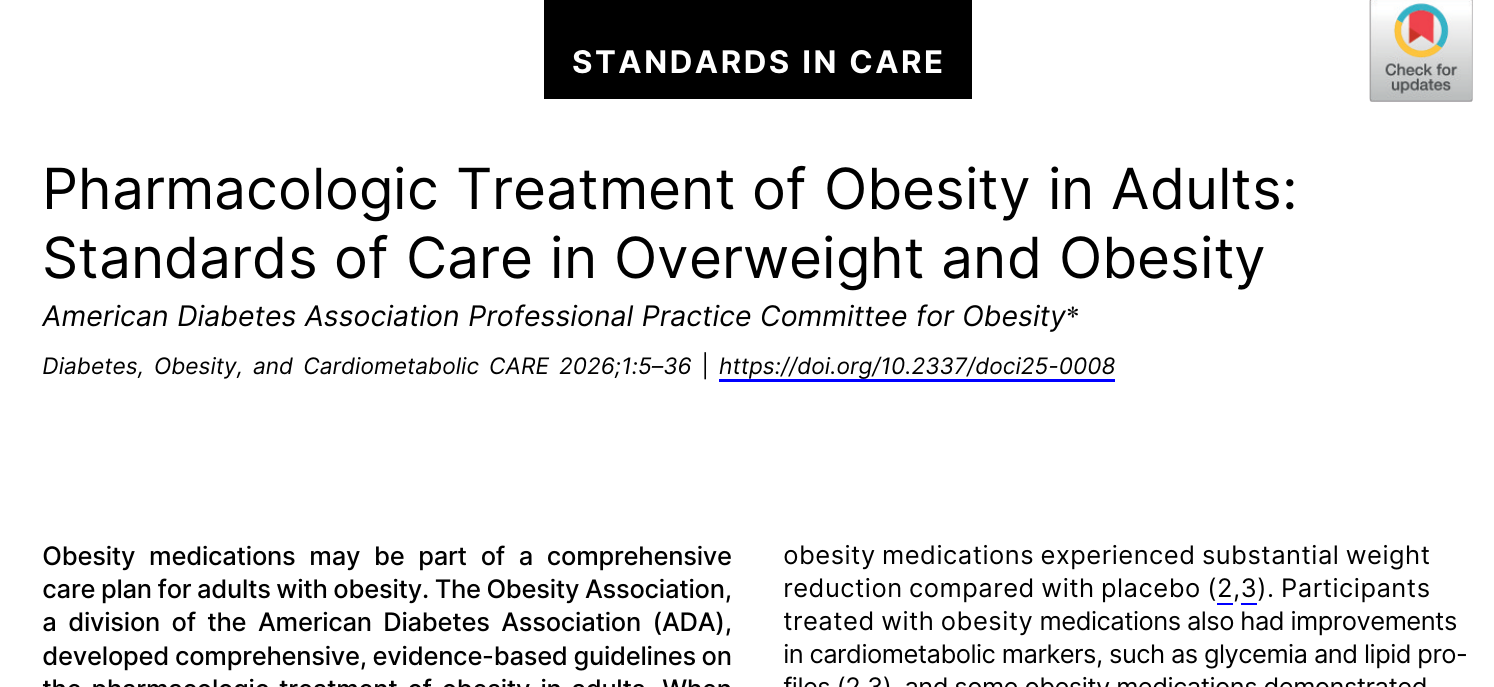
Management of Obesity
Same resource type
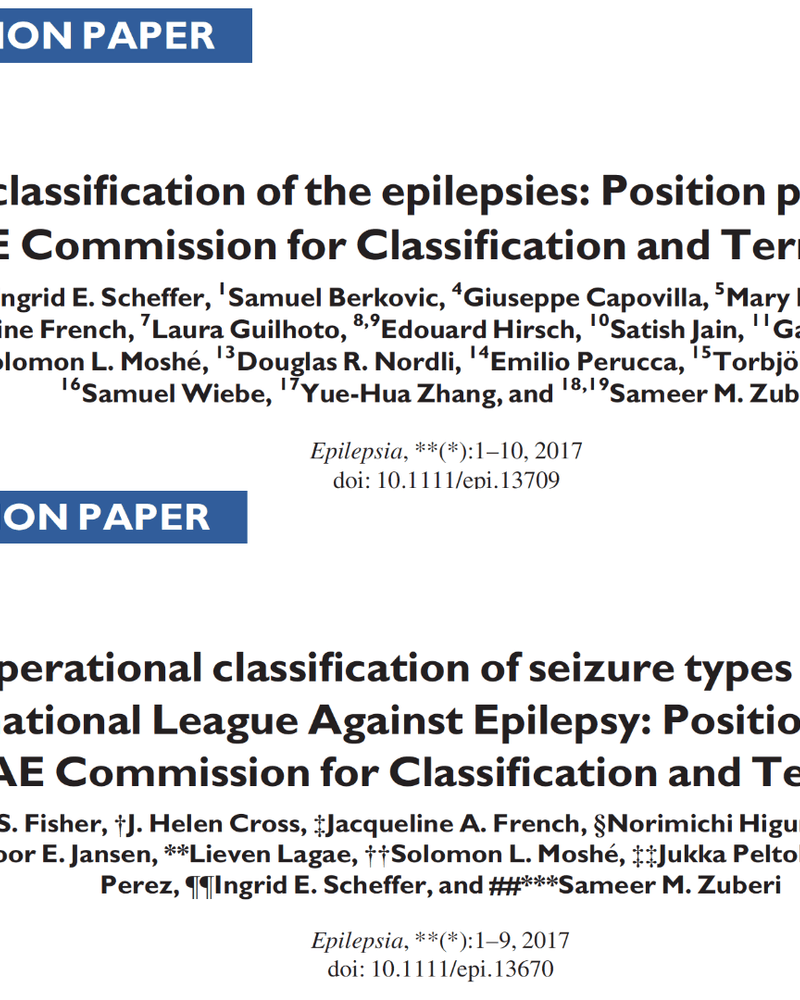
Classification of the Epilepsies
Same resource type · Neurology
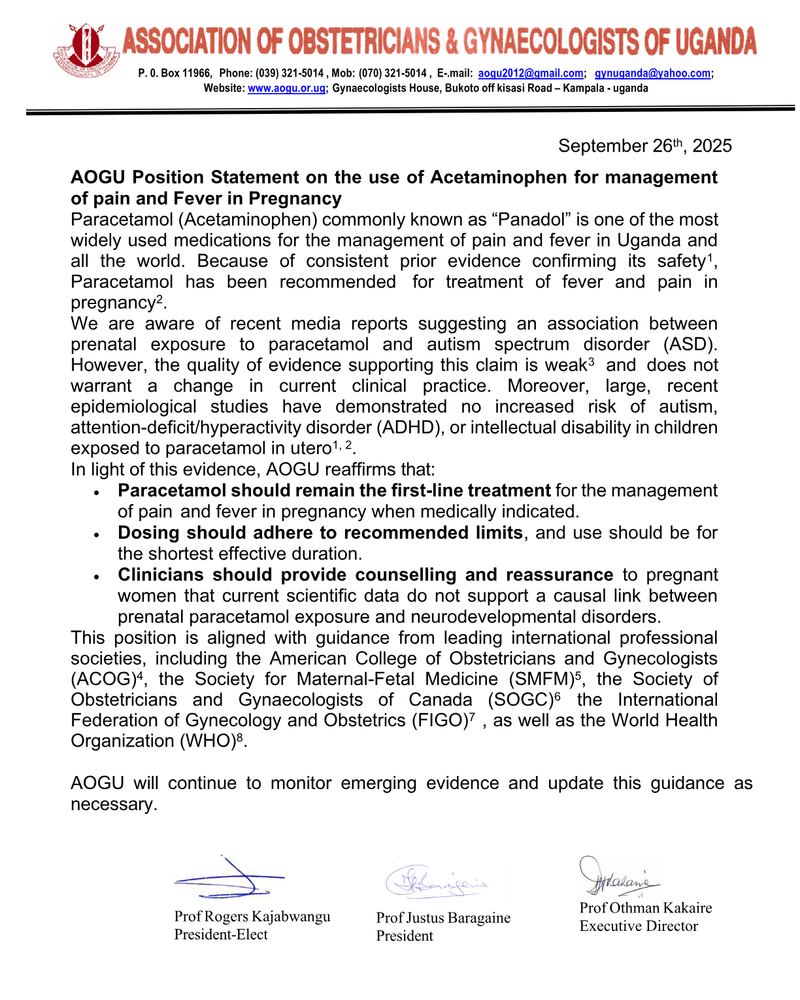
AOGU Position Statement on Acetaminophen Use in Pregnancy
Same resource type · Obstetrics and Gynecology
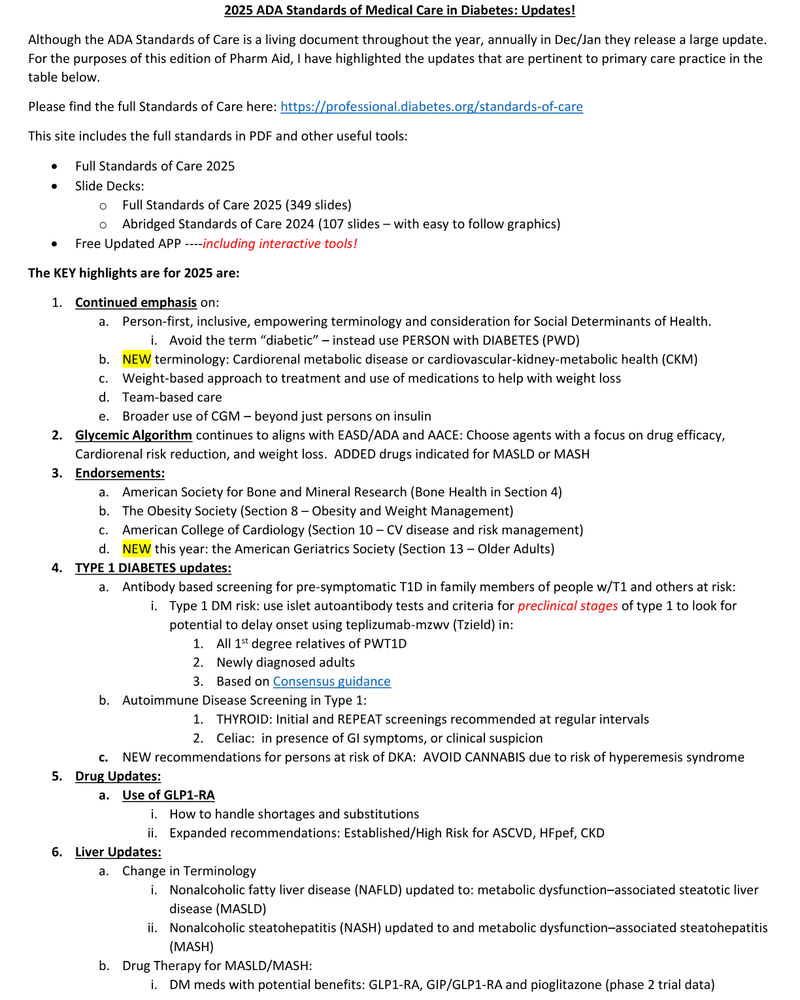
2025 ADA Diabetes Care Standards Updates
Same resource type · Endocrinology

971125482 The Complete Nursing School Bundle Nurse in the Making
Same resource type · General Medicine
5-Minute Clinical Consult 31E 2023
Same resource type · General Medicine