Please wait while we open this resource.


K

Guidelines & protocols
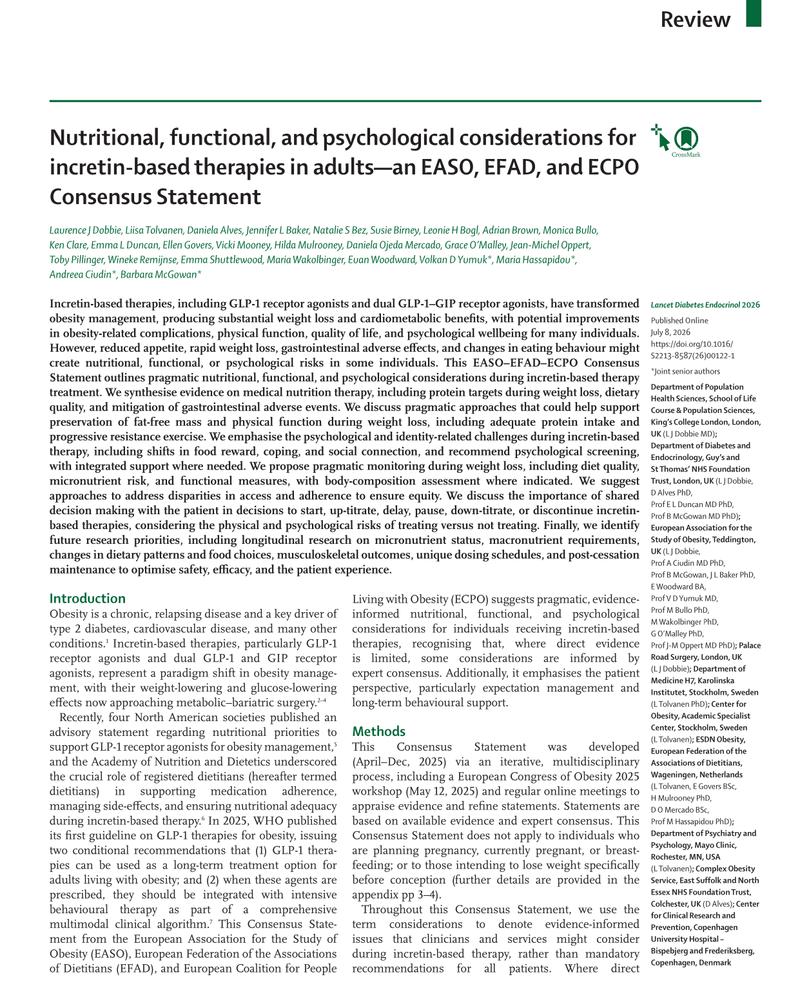
NUTRITIONAL, FUNCTIONAL, AND PSYCHOLOGICAL CONSIDERATIONS FOR INCRETIN-BASED THERAPIES IN ADULTS—AN EASO, EFAD, AND ECPO CONSENSUS STATEMENT
Department of Population Health Sciences, School of Life Course & Population Sciences, King’s College London
PDF202624 pages267 KB
Incretin-based therapies, including GLP-1 receptor agonists, have significantly impacted obesity management, leading to weight loss and improvements in cardiometabolic health. However, these therapies can also pose nutritional and psychological risks, such as reduced appetite and gastrointestinal side effects. This document provides recommendations on dietary management, protein intake, and exercise to support individuals during treatment, emphasizing the need for individualized dietary advice and multidisciplinary care.
No account needed
Ask this resource
Answers use this document only.
More like this
Resources from the same specialty and type. Curated links will replace these when added.
Clinical Resources
Documents that extend or complement this resource.

Uganda Diabetes Management Guidelines – Summarised (2026)
Same clinical topic · Endocrinology
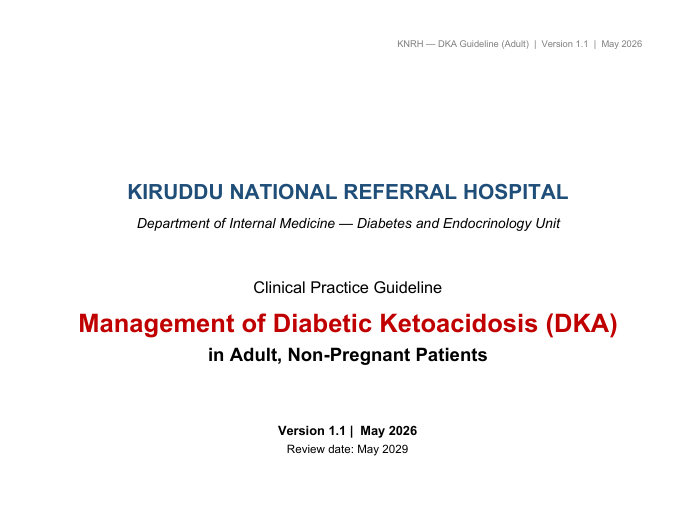
Kiruddu DKA guidelines
Same clinical topic · Endocrinology
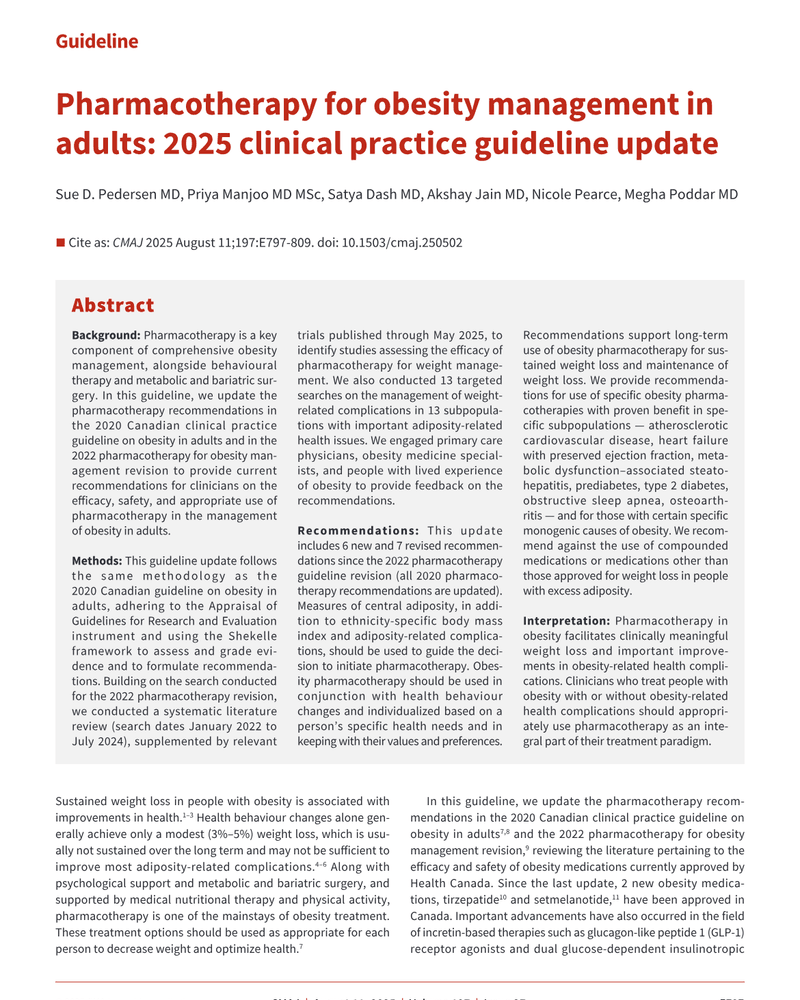
Pharmacotherapy for Obesity Management: 2025 Guidelines
Same clinical topic · Endocrinology
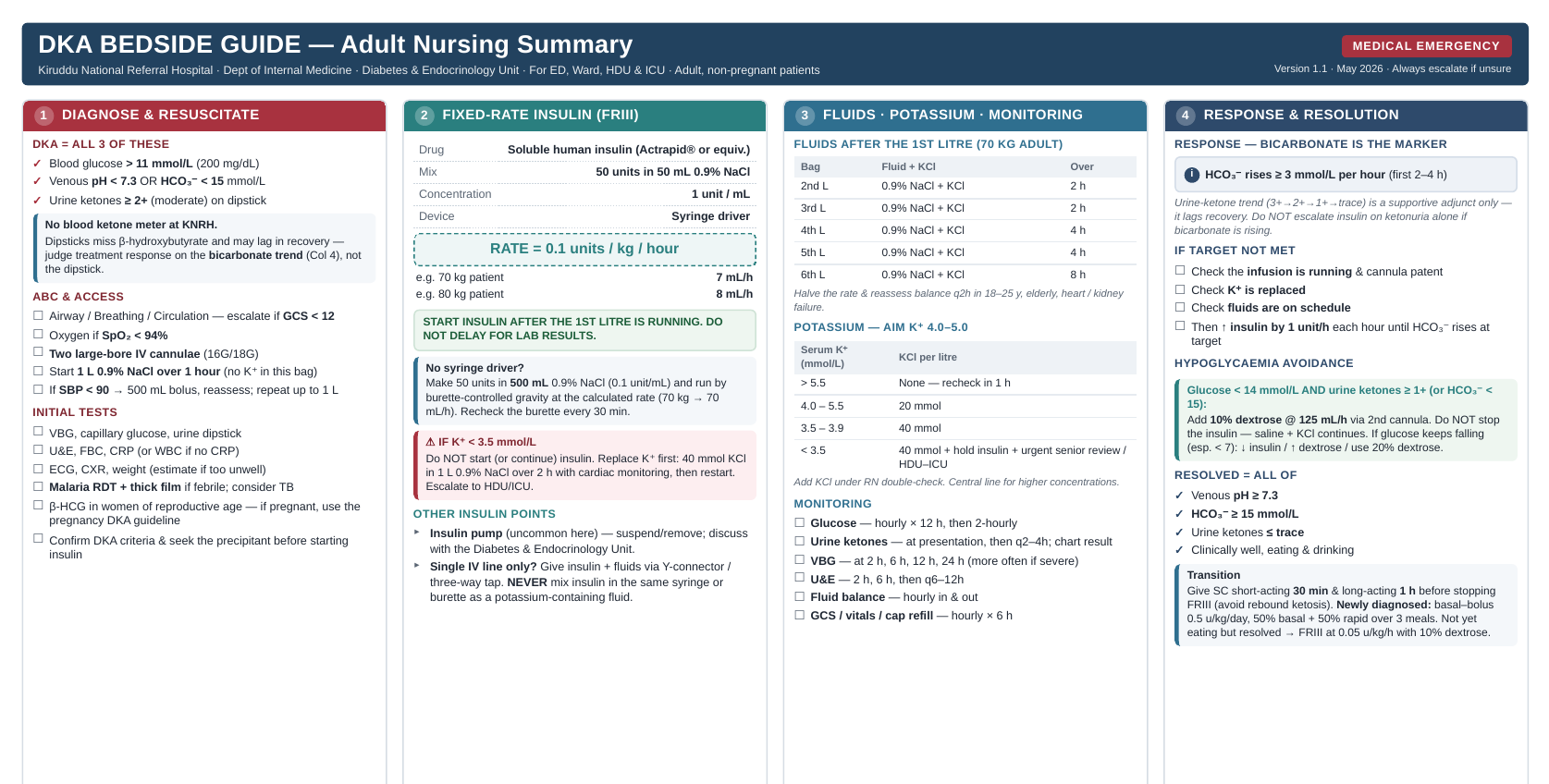
Management of DKA
Same clinical topic · Endocrinology
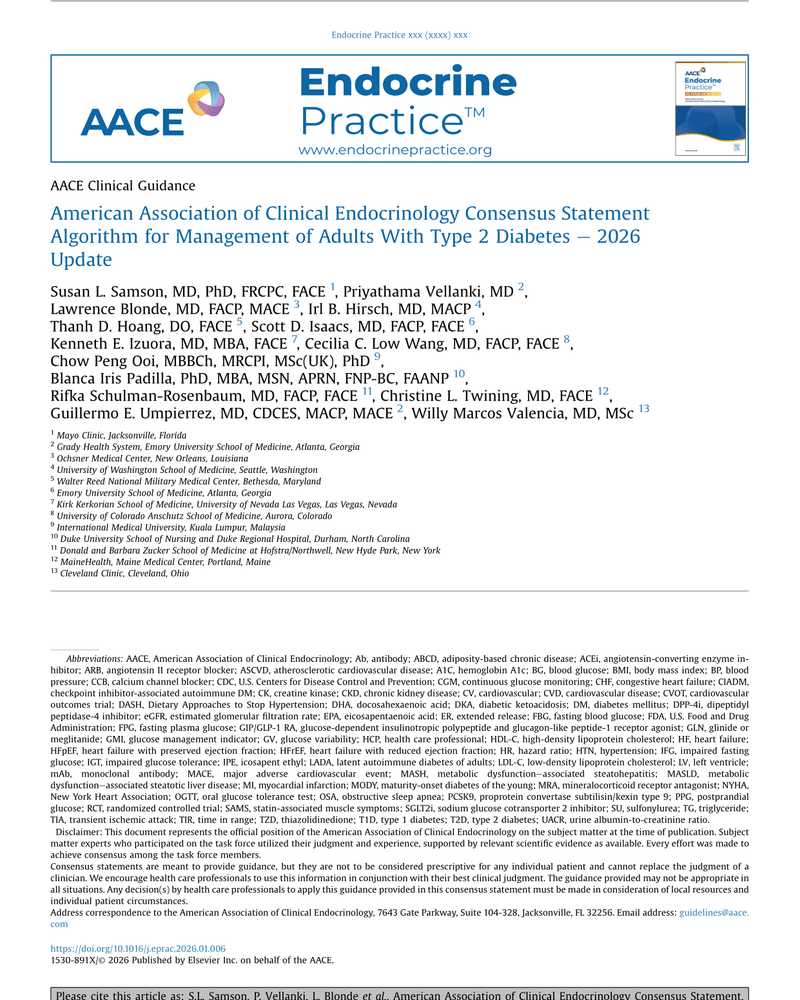
AMERICAN ASSOCIATION OF CLINICAL ENDOCRINOLOGY CONSENSUS STATEMENT ALGORITHM FOR MANAGEMENT OF ADULTS WITH TYPE 2 DIABETES — 2026 UPDATE
Same clinical topic · Endocrinology
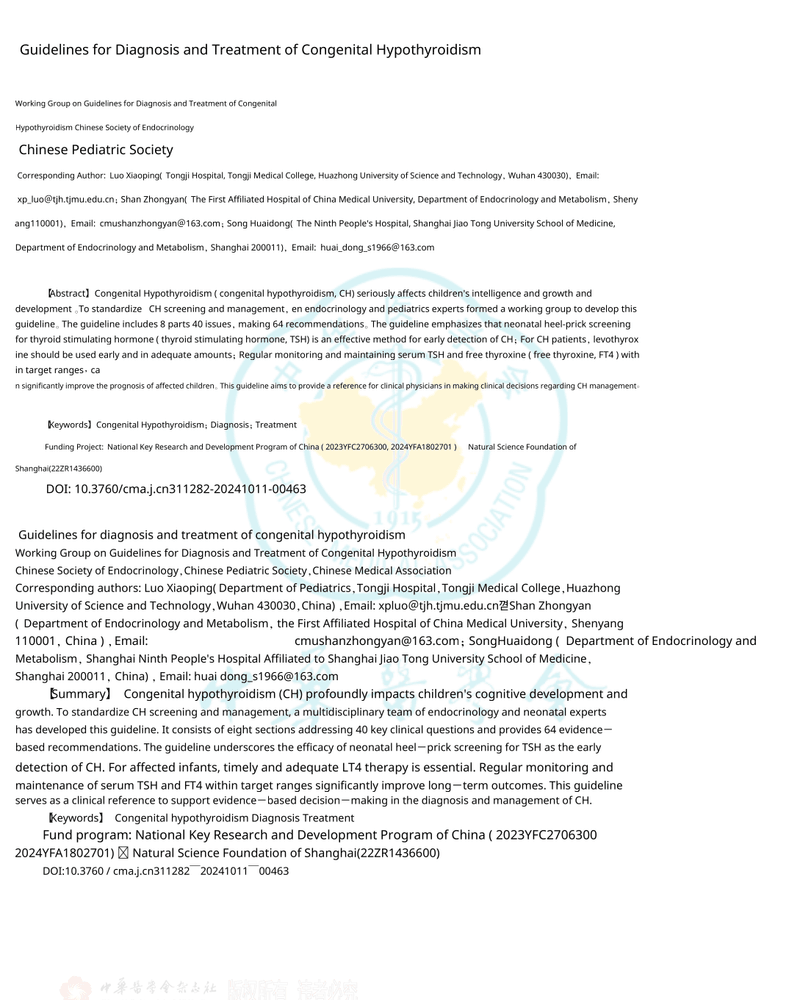
GUIDELINES FOR DIAGNOSIS AND TREATMENT OF CONGENITAL HYPOTHYROIDISM
Same clinical topic · Endocrinology
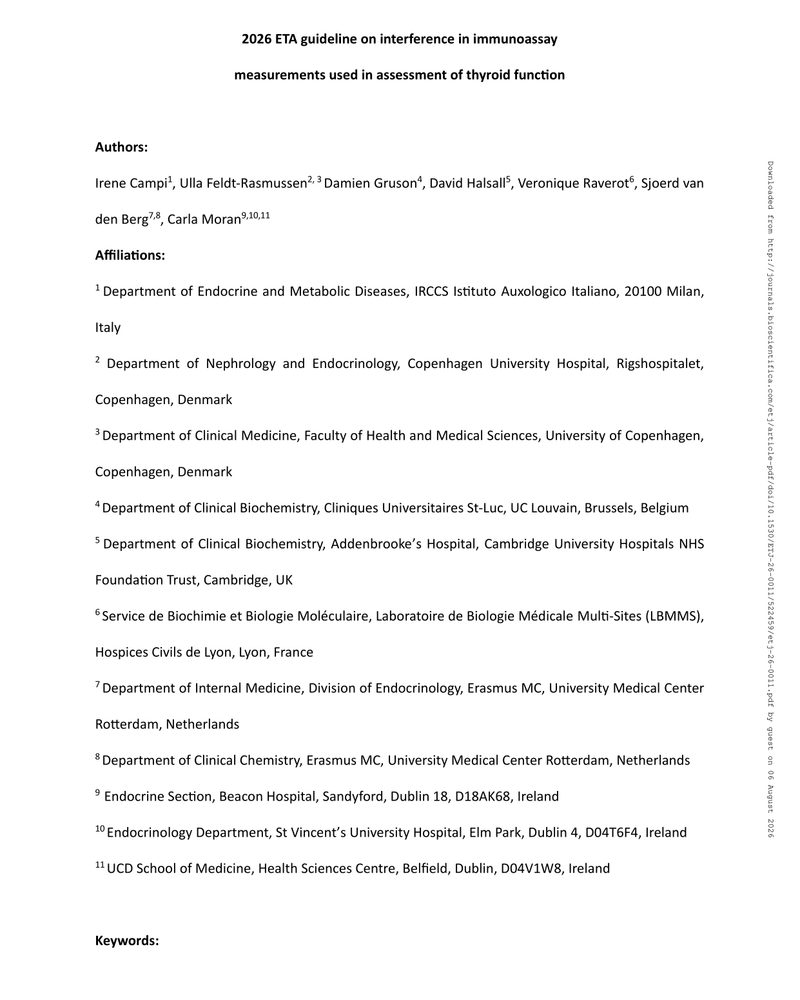
2026 ETA GUIDELINE ON INTERFERENCE IN IMMUNOASSAY MEASUREMENTS USED IN ASSESSMENT OF THYROID FUNCTION
Same clinical topic · Endocrinology

CANADIAN ADULT OBESITY CLINICAL PRACTICE GUIDELINE: PHARMACOTHERAPY FOR OBESITY MANAGEMENT IN ADULTS
Same clinical topic · Endocrinology
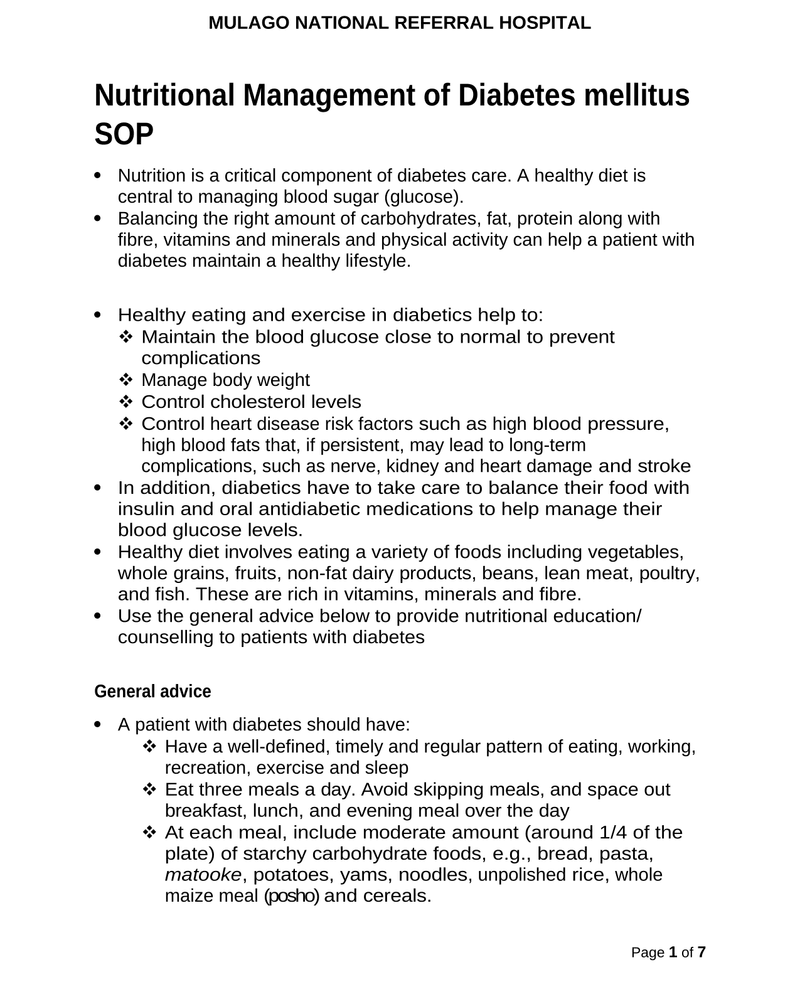
Nutritional Management of Diabetes SOP (2)
Same clinical topic · Endocrinology