Please wait while we open this resource.


K

Clinical reviews
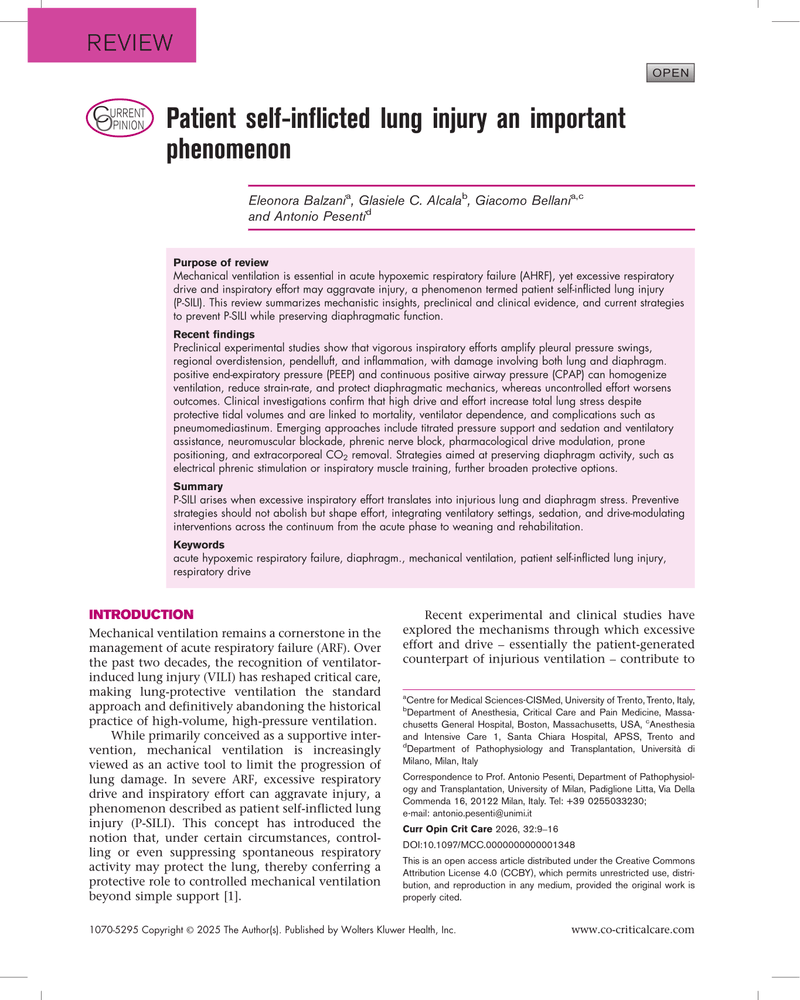
PATIENT SELF-INFLICTED LUNG INJURY AN IMPORTANT PHENOMENON
Eleonora Balzani, Glasiele C. Alcala, Giacomo Bellani, Antonio Pesenti
PDF8 pages652 KB
Mechanical ventilation is essential in acute hypoxemic respiratory failure (AHRF), yet excessive respiratory drive and inspiratory effort may aggravate injury, termed patient self-inflicted lung injury (P-SILI). Preclinical studies show that vigorous inspiratory efforts can lead to lung and diaphragm damage. Clinical investigations confirm that high drive and effort increase lung stress and are linked to worse outcomes. The review discusses various strategies to prevent P-SILI, including the use of positive end-expiratory pressure (PEEP), sedation, and neuromuscular blockade.
Sign in to open
Ask this resource
Answers use this document only.
Your first question is free.
More like this
Resources from the same specialty and type. Curated links will replace these when added.
Clinical Resources
Documents that extend or complement this resource.
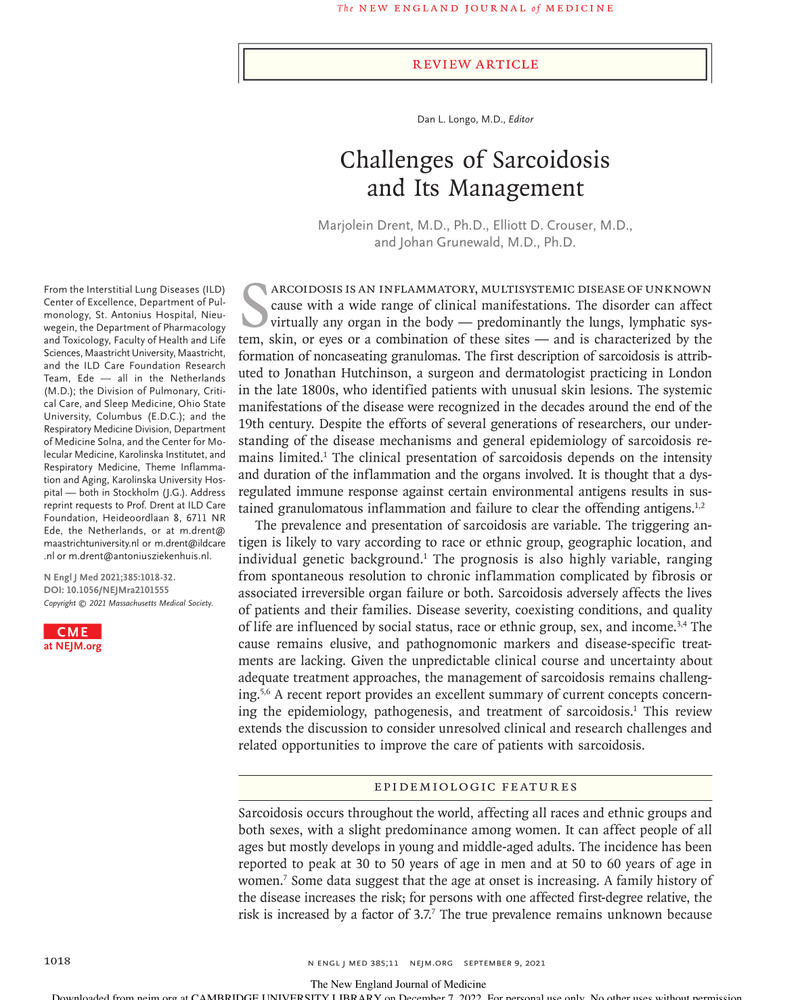
CHALLENGES OF SARCOIDOSIS AND ITS MANAGEMENT
Same clinical topic · Pulmonology
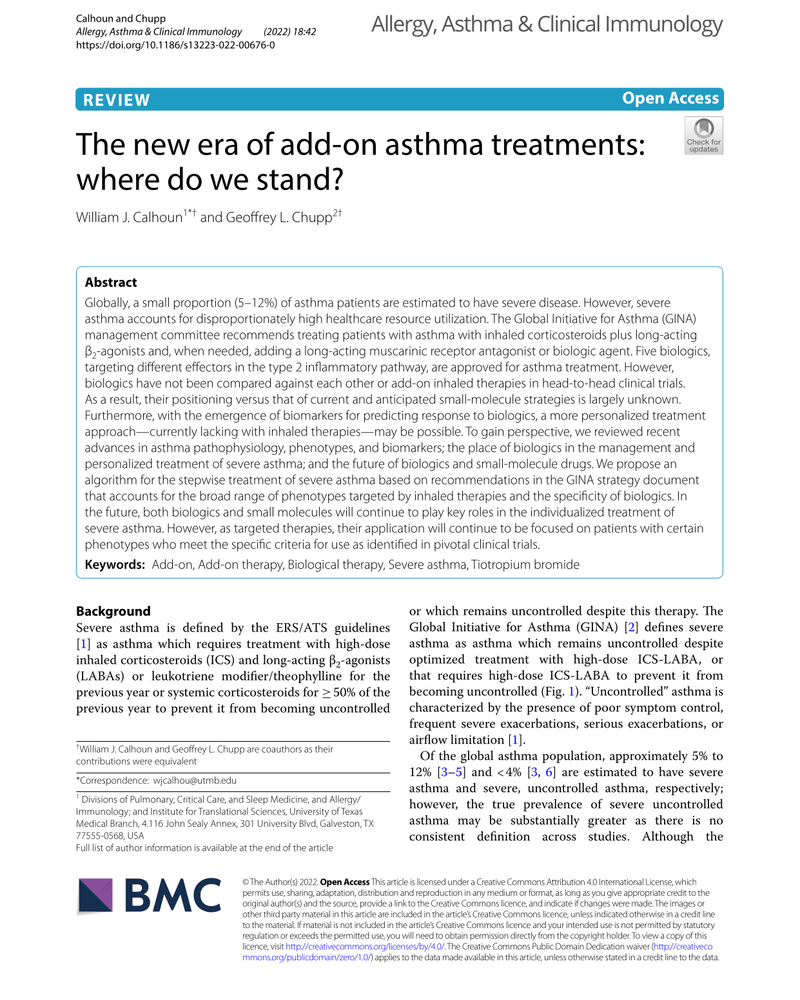
THE NEW ERA OF ADD-ON ASTHMA TREATMENTS: WHERE DO WE STAND?
Same clinical topic · Pulmonology
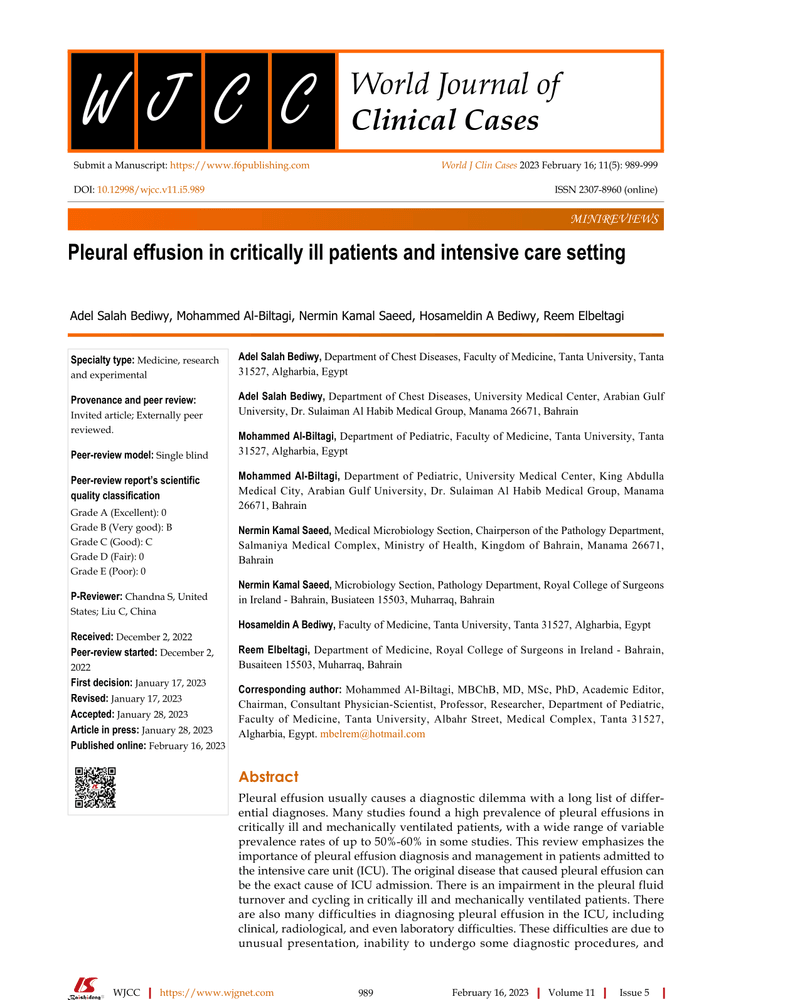
PLEURAL EFFUSION IN CRITICALLY ILL PATIENTS AND INTENSIVE CARE SETTING
Same clinical topic · Pulmonology
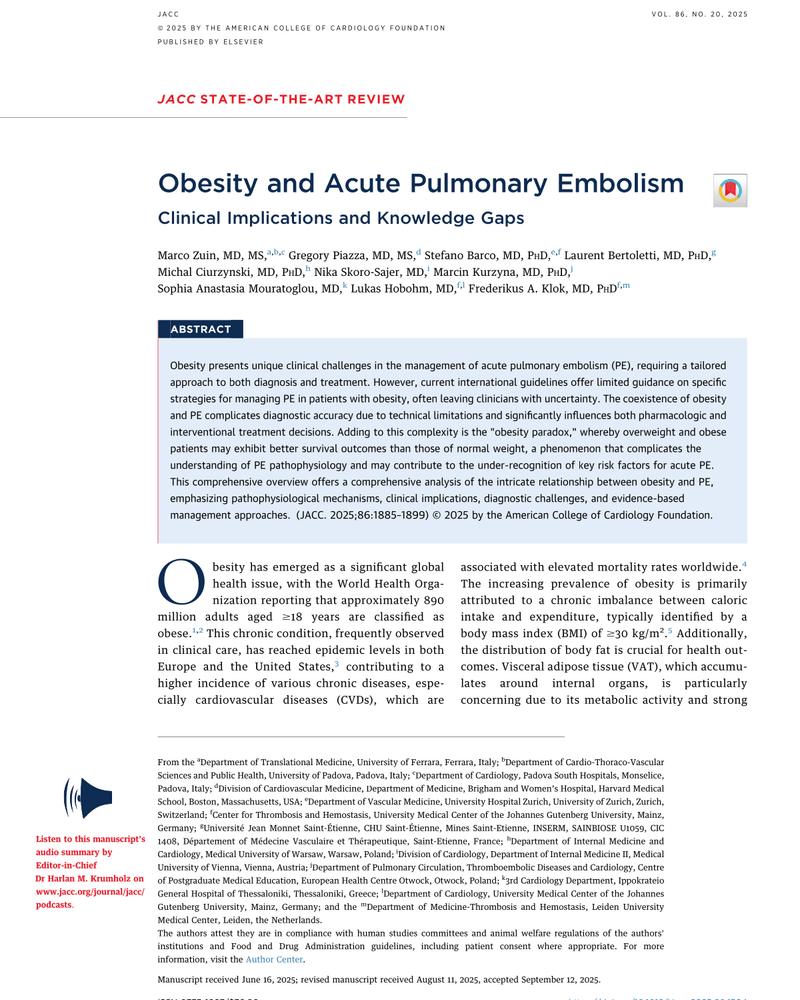
OBESITY AND ACUTE PULMONARY EMBOLISM
Same clinical topic · Pulmonology
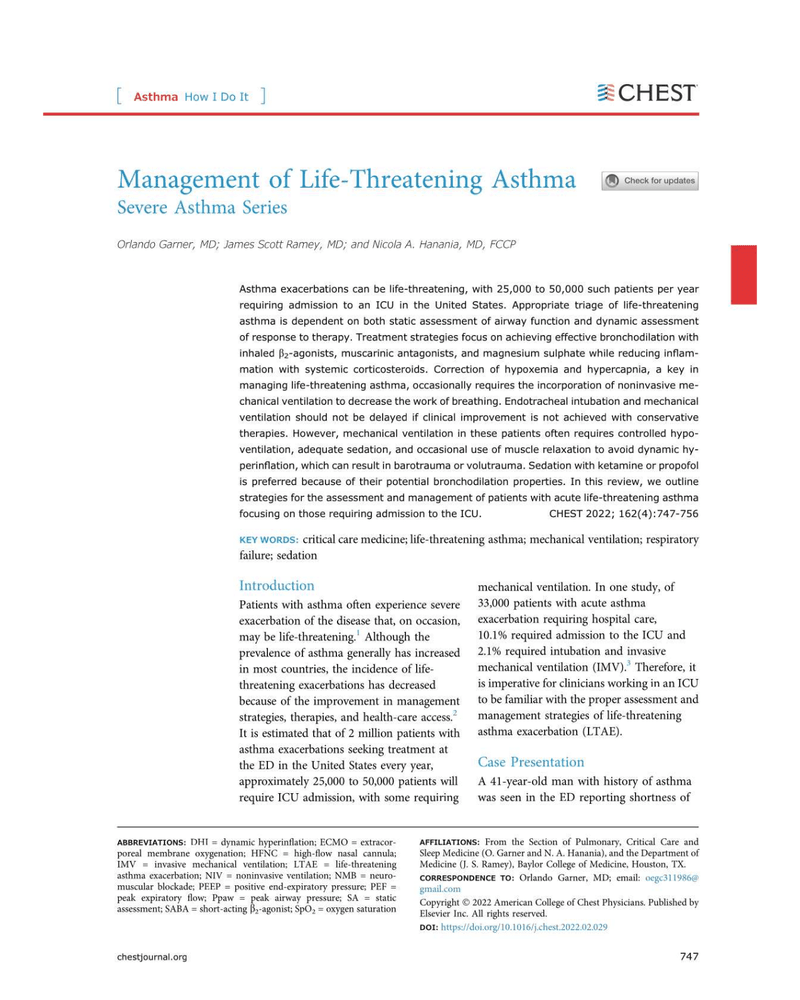
Management of Life-Threatening Asthma
Same clinical topic · Pulmonology
Management of Life-Threatening Asthma
Same clinical topic · Pulmonology
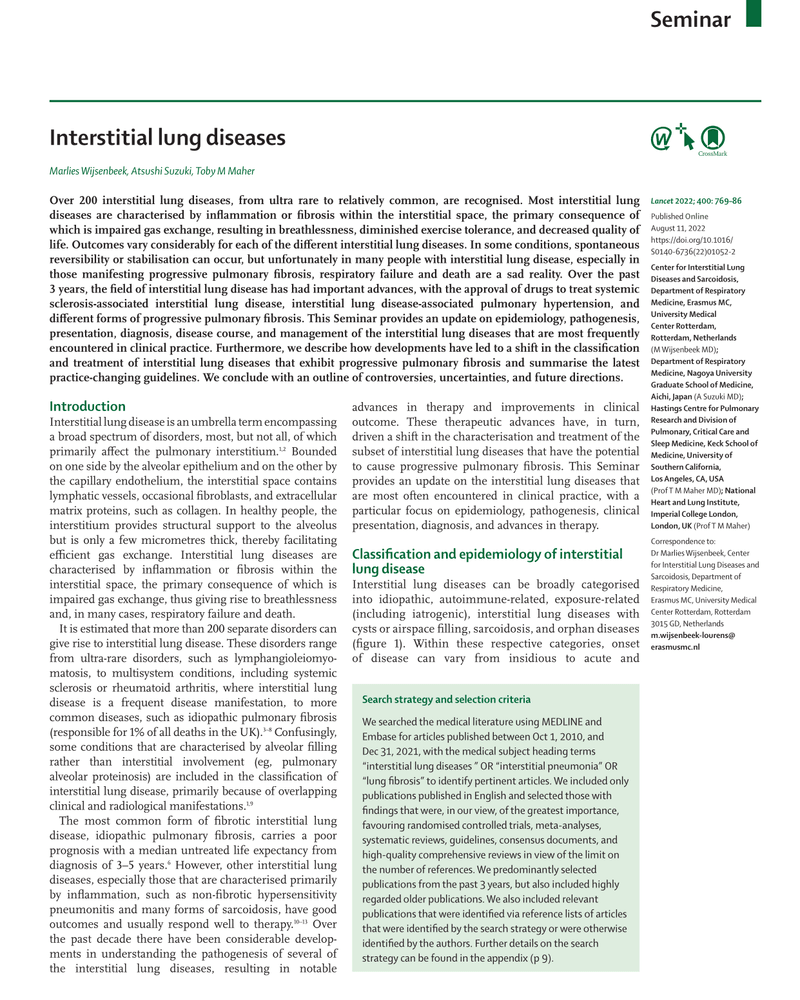
INTERSTITIAL LUNG DISEASES
Same clinical topic · Pulmonology
DIAGNOSTIC ACCURACY OF CHEST X-RAY SCREENING FOR SILICOSIS: A SYSTEMATIC REVIEW, META-ANALYSIS AND MODELLING STUDY
Same clinical topic · Pulmonology
Definitions of non-response and response to biological therapy for severe asthma: a systematic review
Same clinical topic · Pulmonology