Please wait while we open this resource.


K

Clinical reviews
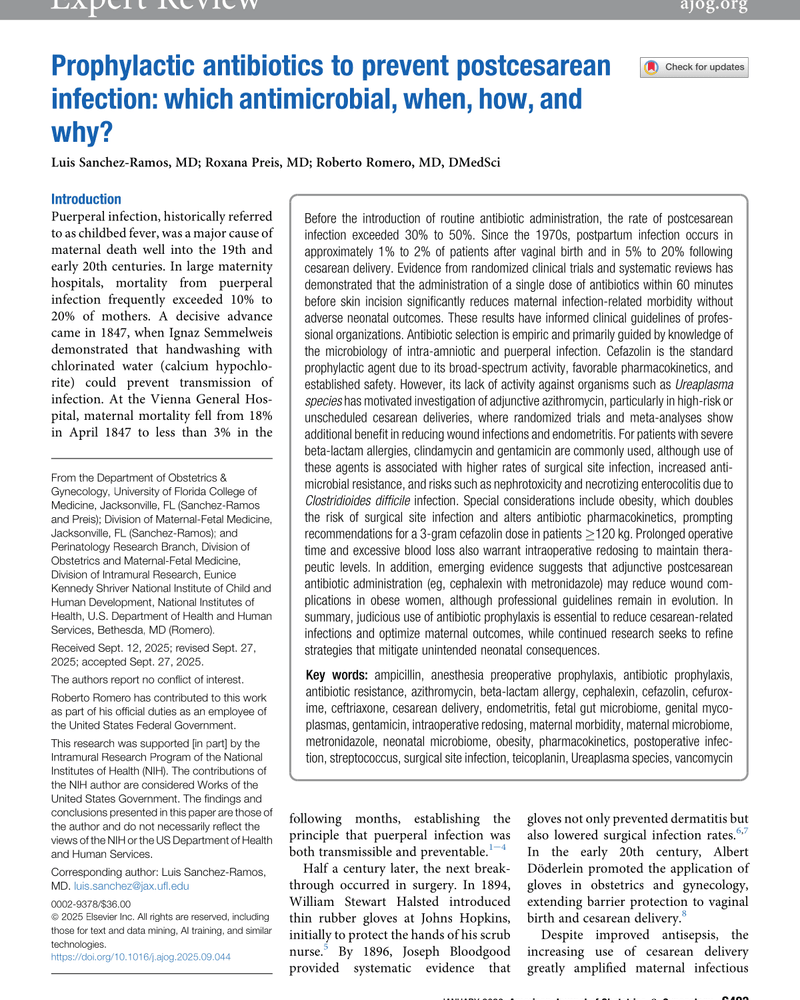
PROPHYLACTIC ANTIBIOTICS TO PREVENT POSTCESAREAN INFECTION: WHY? WHICH ANTIMICROBIAL, WHEN, HOW
Luis Sanchez-Ramos, MD; Roxana Preis, MD; Roberto Romero, MD, DMedSci
PDF21 pages2.7 MB
Puerperal infection, historically known as childbed fever, was a significant cause of maternal mortality before the routine use of antibiotics. The document highlights that the rate of postcesarean infection can be significantly reduced with the administration of a single dose of antibiotics prior to skin incision. It reviews evidence from clinical trials and guidelines regarding the selection of appropriate antibiotics, with a focus on cefazolin and its adjunctive use with azithromycin in high-risk cases.
Sign in to open
Ask this resource
Answers use this document only.
Your first question is free.
More like this
Resources from the same specialty and type. Curated links will replace these when added.
Clinical Resources
Documents that extend or complement this resource.
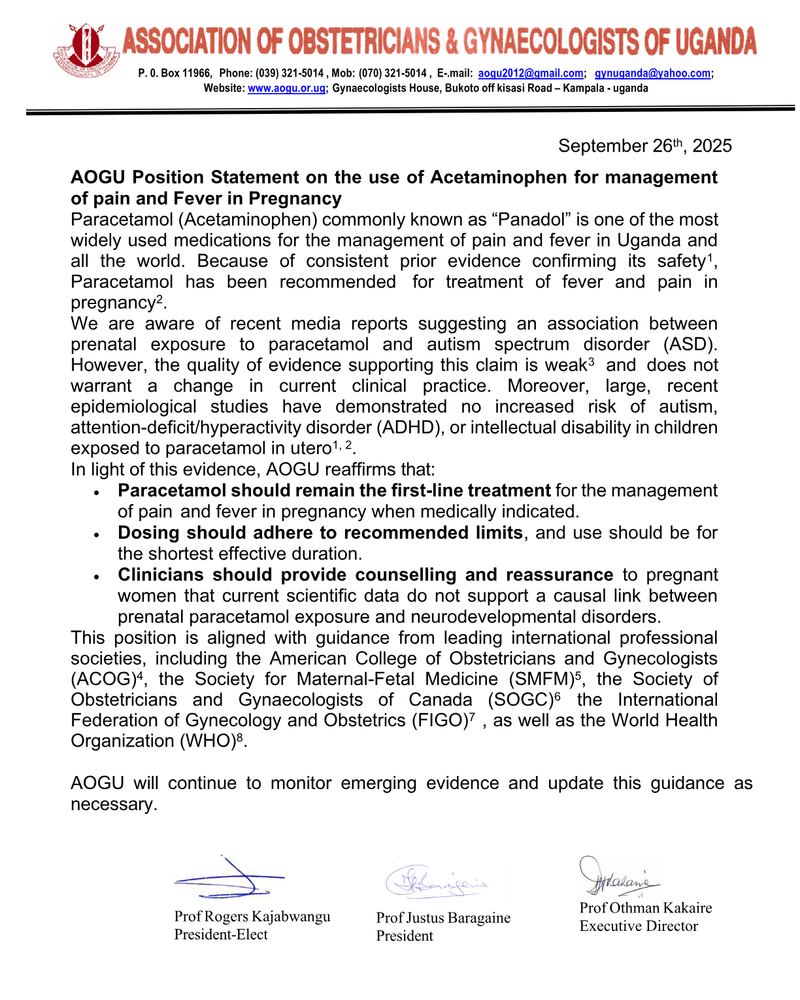
AOGU Position Statement on Acetaminophen Use in Pregnancy
Same clinical topic · Obstetrics and Gynecology
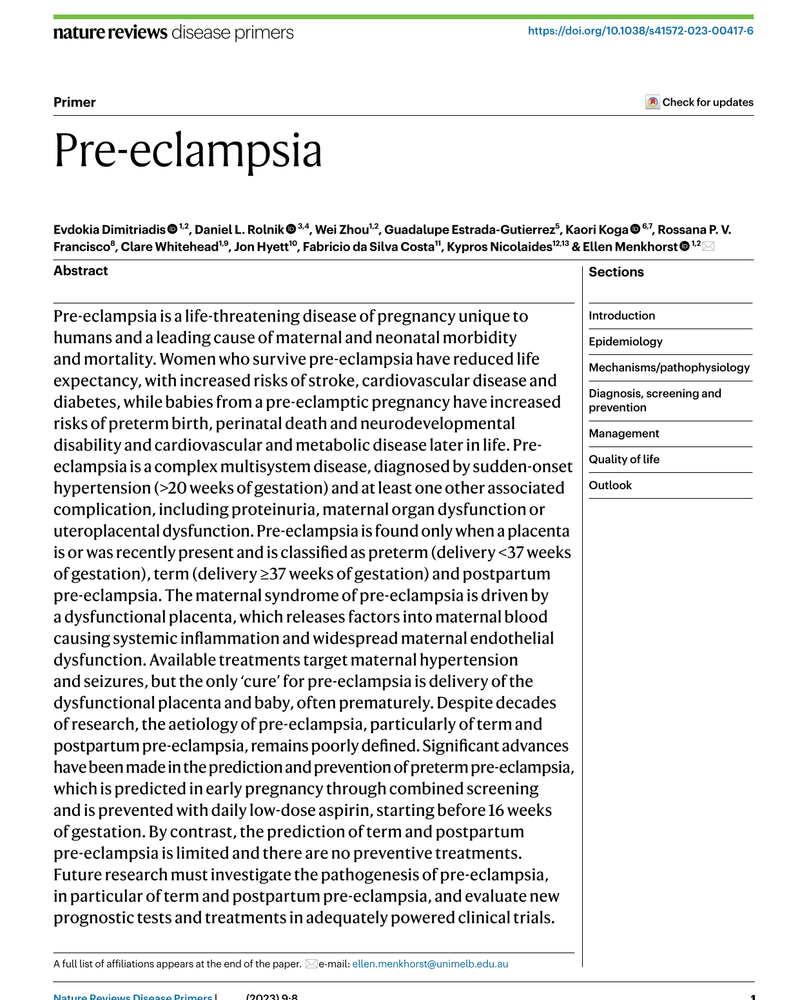
PRE-ECLAMPSIA
Same clinical topic · Obstetrics and Gynecology
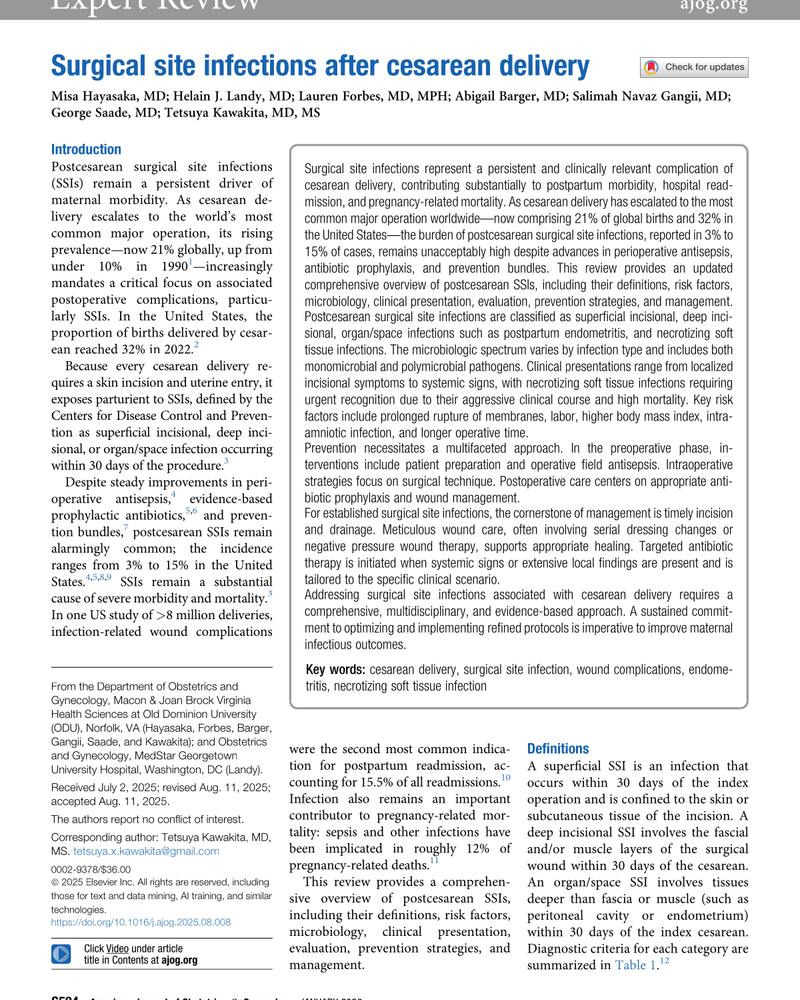
SURGICAL SITE INFECTIONS AFTER CESAREAN DELIVERY
Same clinical topic · Obstetrics and Gynecology
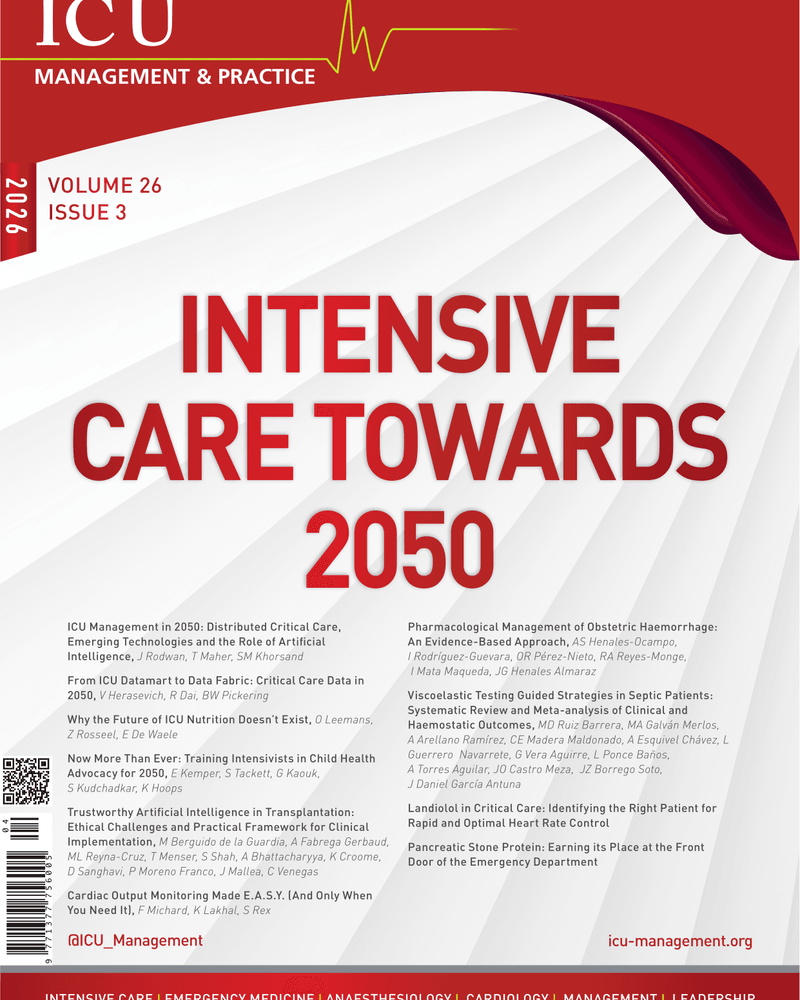
PHARMACOLOGICAL MANAGEMENT OF OBSTETRIC HAEMORRHAGE: AN EVIDENCE-BASED APPROACH
Same clinical topic · Obstetrics and Gynecology
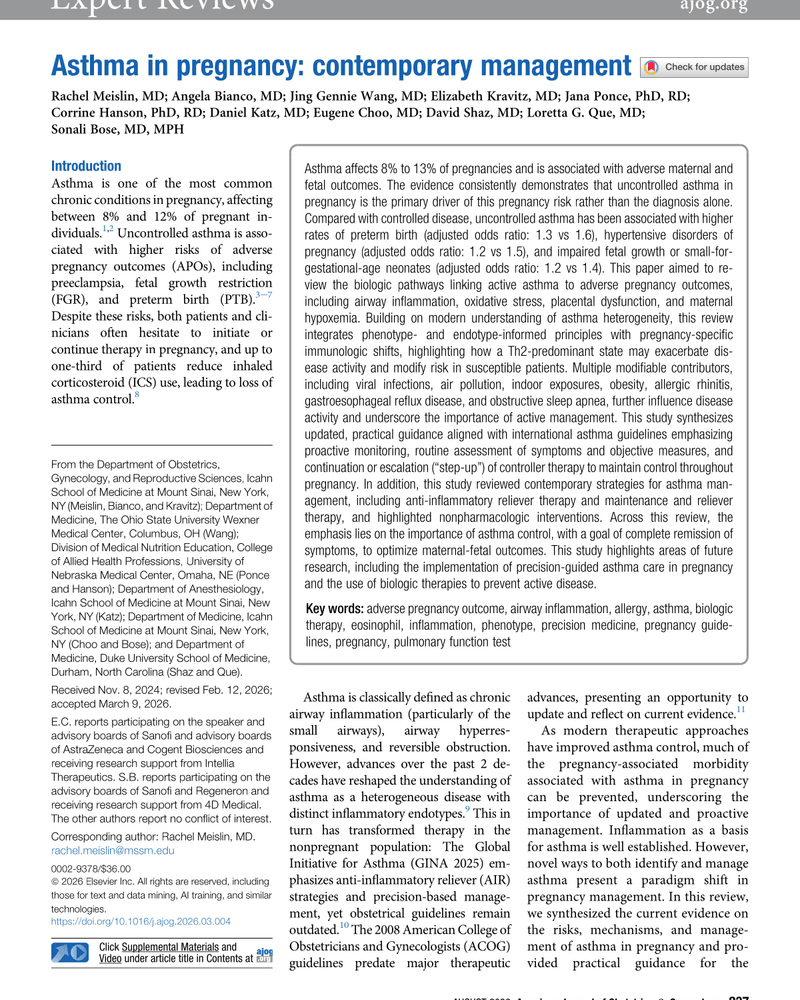
ASTHMA IN PREGNANCY: CONTEMPORARY MANAGEMENT
Same clinical topic · Obstetrics and Gynecology
MANAGEMENT OF POSTPARTUM HYPERTENSIVE DISORDERS OF PREGNANCY
Same clinical topic · Obstetrics and Gynecology
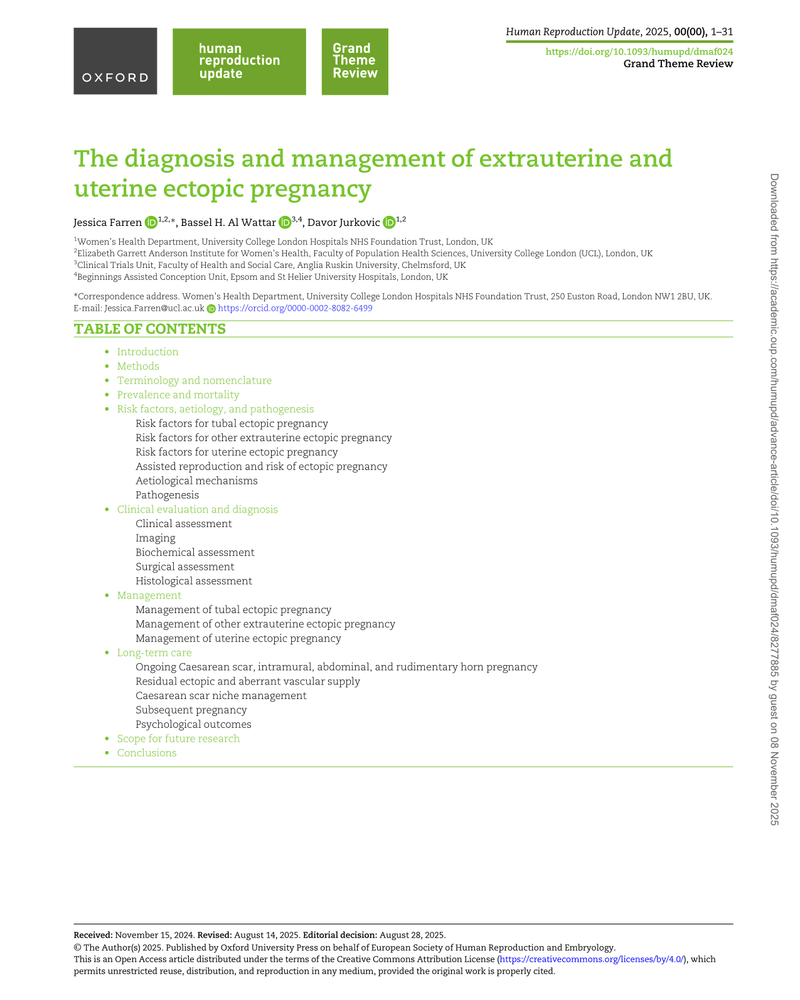
THE DIAGNOSIS AND MANAGEMENT OF EXTRAUTERINE AND UTERINE ECTOPIC PREGNANCY
Same clinical topic · Obstetrics and Gynecology
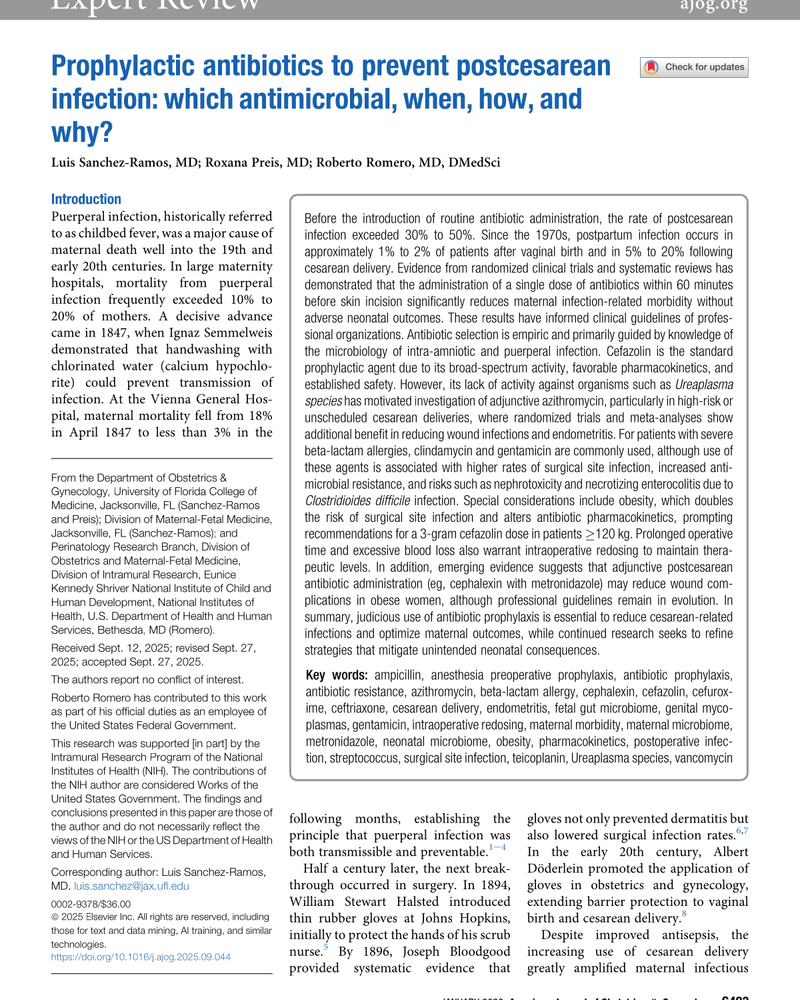
PROPHYLACTIC ANTIBIOTICS TO PREVENT POSTCESAREAN INFECTION: WHY? WHICH ANTIMICROBIAL, WHEN, HOW
Same clinical topic · Obstetrics and Gynecology
PATIENT BLOOD MANAGEMENT IN OBSTETRICS AND GYNECOLOGY: A GLOBAL SCOPING REVIEW OF STRATEGIES ACROSS DIFFERENT INCOME COUNTRIES
Same clinical topic · Obstetrics and Gynecology