Please wait while we open this resource.


K

Lecture slides
Psychoactive drugs (2)
Psychiatry
PPTX21 pages48 KB
Psychoactive drugs are categorized based on their common effects, chemical structure, and addiction liability. The document details specific classes including stimulants, depressants (sedative-hypnotics), narcotics (opiates), hallucinogens, and cannabis. For each class, it lists examples, describes typical physiological responses, and outlines the adverse effects associated with overuse, such as irritability, hallucinations, respiratory depression, and psychosis. The material also introduces the distinction between physical and psychological dependence and the management of withdrawal symptoms.
Sign in to open
Ask this resource
Answers use this document only.
Your first question is free.
More like this
Resources from the same specialty and type. Curated links will replace these when added.
Clinical Resources
Documents that extend or complement this resource.
PSYCHOTIC DISORDERS
Same clinical topic · Psychiatry
SUBSTANCE RELATED AND ADDICTIVE DISORDERS (2)
Same clinical topic · Psychiatry
ALCOHOL
Same clinical topic · Psychiatry
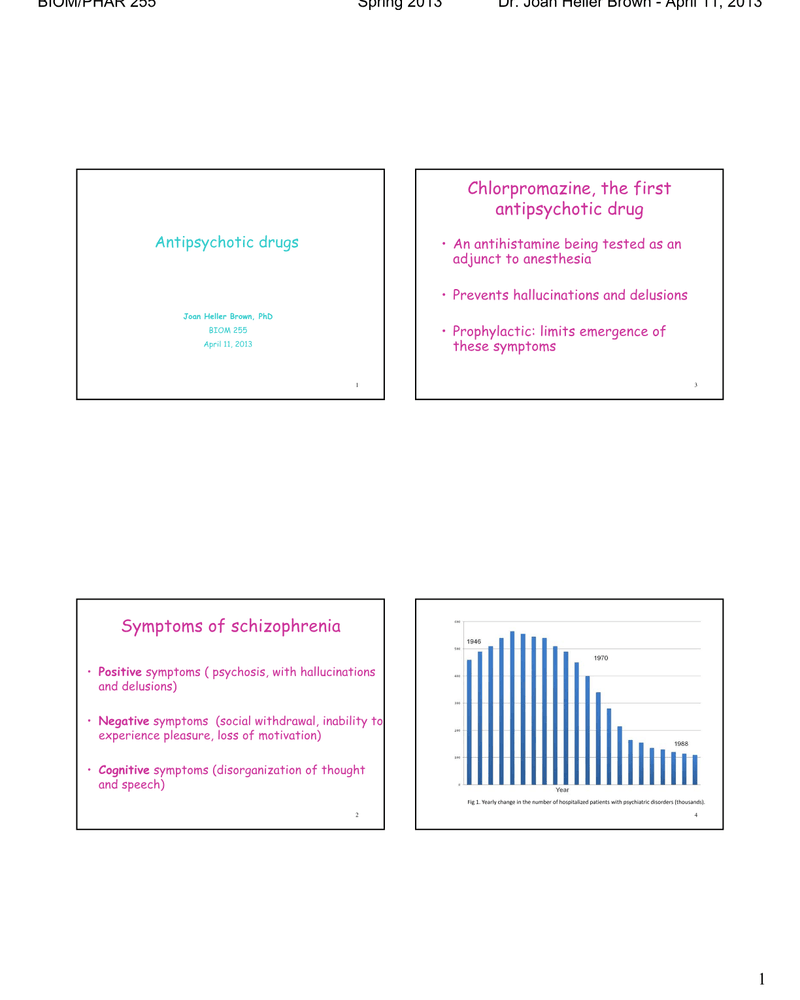
Chlorpromazine: First Antipsychotic Drug
Same clinical topic · Psychiatry

Eating and Feeding Disorders
Same clinical topic · Psychiatry

Eating and feeding disorders
Same clinical topic · Psychiatry
Mental Health and Psychosocial Support for Mpox
Same clinical topic · Psychiatry

Depression and Anxiety in Patients With Diabetes
Same clinical topic · Psychiatry
Mental Health Act, 2018
Same specialty · Psychiatry