Please wait while we open this resource.


K

Guidelines & protocols
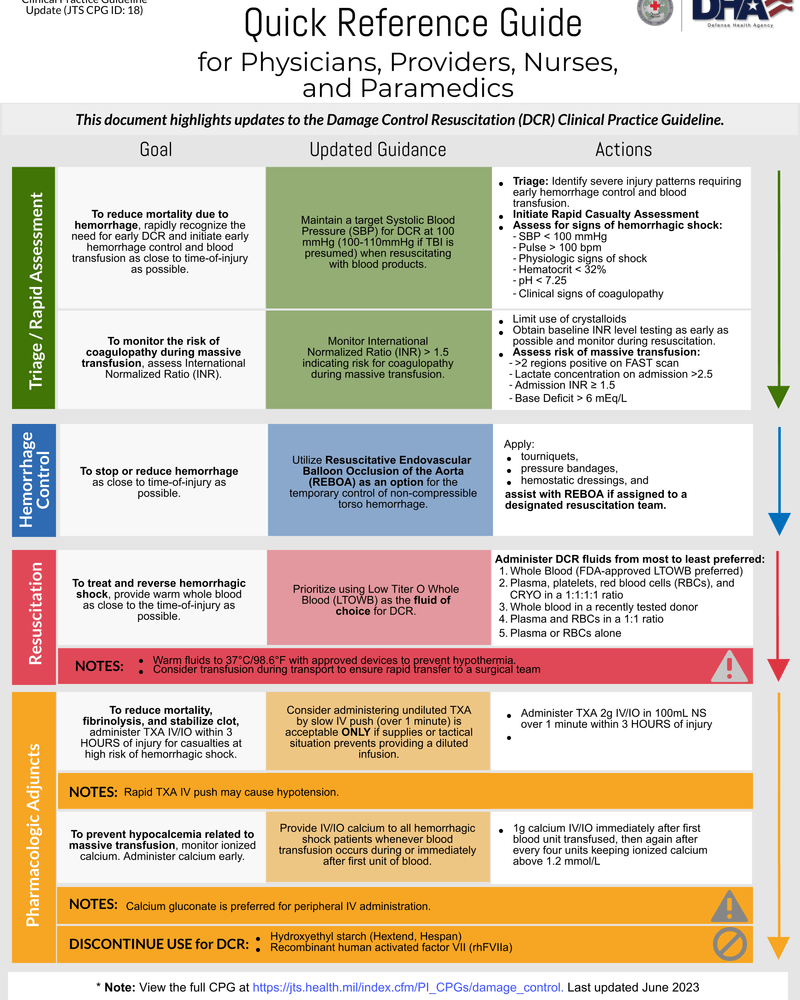
QUICK REFERENCE GUIDE FOR PHYSICIANS, PROVIDERS, NURSES, AND PARAMEDICS
Emergency Medicine
PDF1 pages195 KB
The guide provides essential updates and recommendations for healthcare providers involved in the management of trauma patients experiencing hemorrhagic shock. It emphasizes the importance of early recognition and intervention, including the use of specific resuscitation techniques and pharmacologic adjuncts. Key actions include maintaining target systolic blood pressure, utilizing advanced techniques like REBOA, and administering appropriate blood products and medications within critical timeframes.
No account needed
Ask this resource
Answers use this document only.
More like this
Resources from the same specialty and type. Curated links will replace these when added.
Clinical Resources
Documents that extend or complement this resource.
GUIDELINES FOR REASONABLE AND APPROPRIATE CARE IN THE EMERGENCY DEPARTMENT 3 (GRACE-3): ACUTE DIZZINESS AND VERTIGO IN THE EMERGENCY DEPARTMENT
Same clinical topic · Emergency Medicine
GUIDELINES FOR REASONABLE AND APPROPRIATE CARE IN THE EMERGENCY DEPARTMENT 3 (GRACE-3): ACUTE DIZZINESS AND VERTIGO IN THE EMERGENCY DEPARTMENT
Same clinical topic · Emergency Medicine
PREHOSPITAL GUIDELINES FOR THE MANAGEMENT OF TRAUMATIC BRAIN INJURY – 3RD EDITION
Same clinical topic · Emergency Medicine
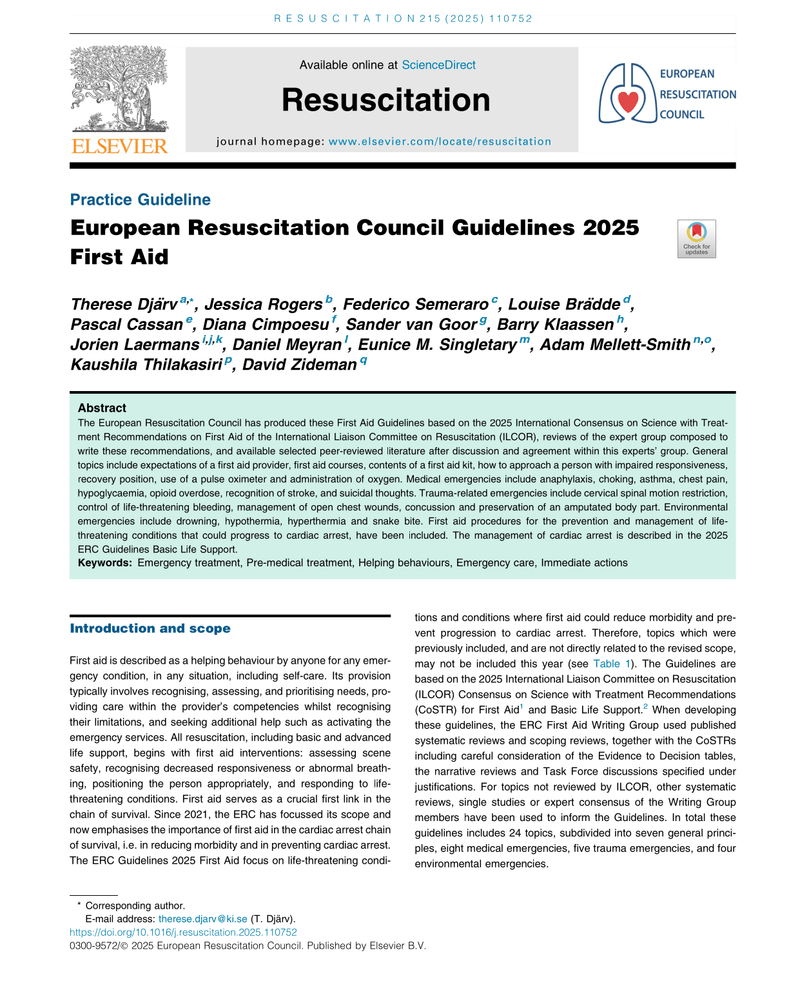
EUROPEAN RESUSCITATION COUNCIL GUIDELINES 2025 FIRST AID
Same clinical topic · Emergency Medicine
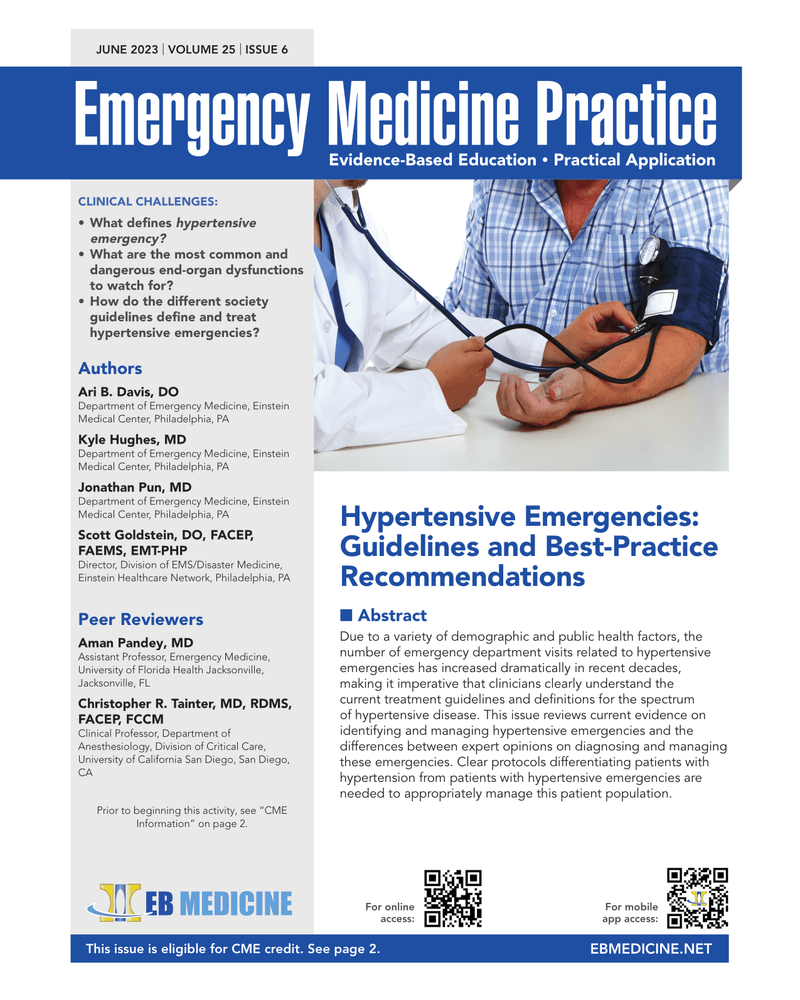
HYPERTENSIVE EMERGENCIES: GUIDELINES AND BEST-PRACTICE RECOMMENDATIONS
Same clinical topic · Emergency Medicine
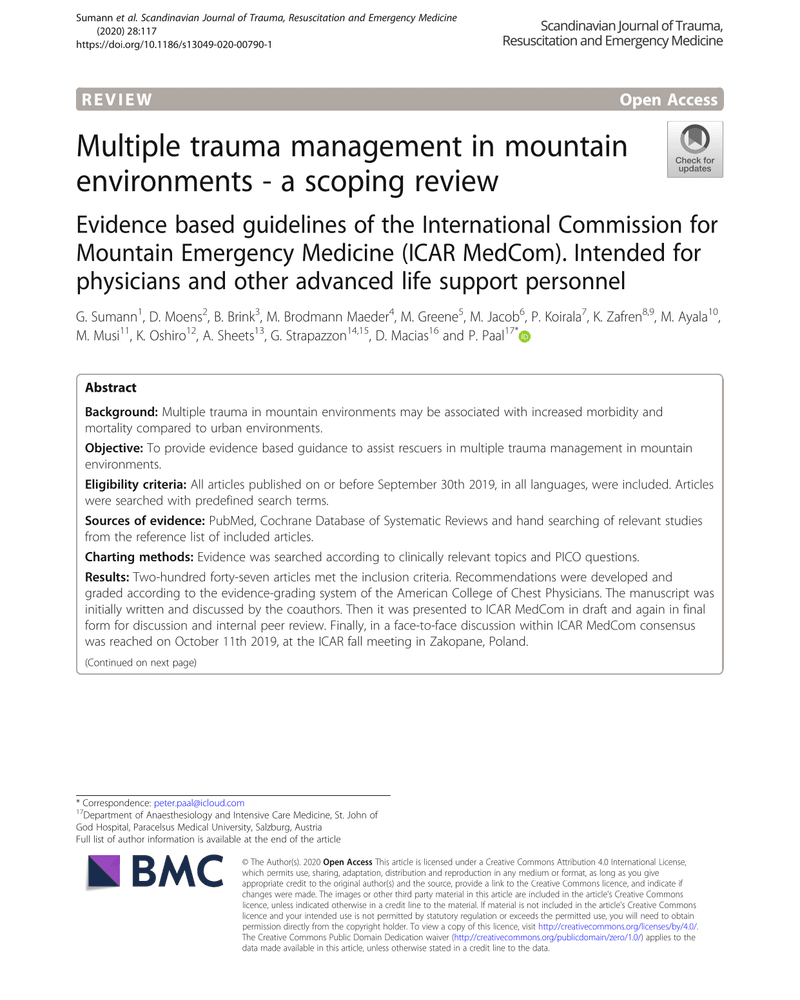
MULTIPLE TRAUMA MANAGEMENT IN MOUNTAIN ENVIRONMENTS - A SCOPING REVIEW
Same clinical topic · Emergency Medicine
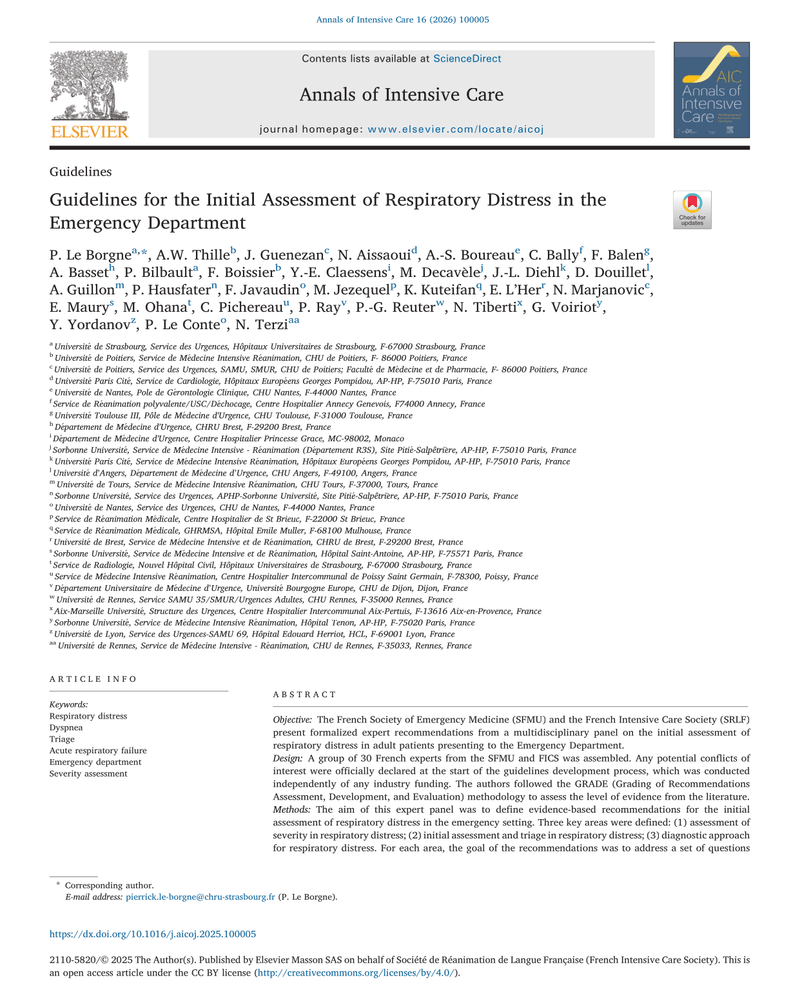
GUIDELINES FOR THE INITIAL ASSESSMENT OF RESPIRATORY DISTRESS IN THE EMERGENCY DEPARTMENT
Same clinical topic · Emergency Medicine
CHANGES TO THE EUROPEAN RESUSCITATION COUNCIL GUIDELINES FOR ADULT RESUSCITATION
Same clinical topic · Emergency Medicine
Approach to an Unconscious Patient
Same specialty · Emergency Medicine