Please wait while we open this resource.


K

Clinical reviews
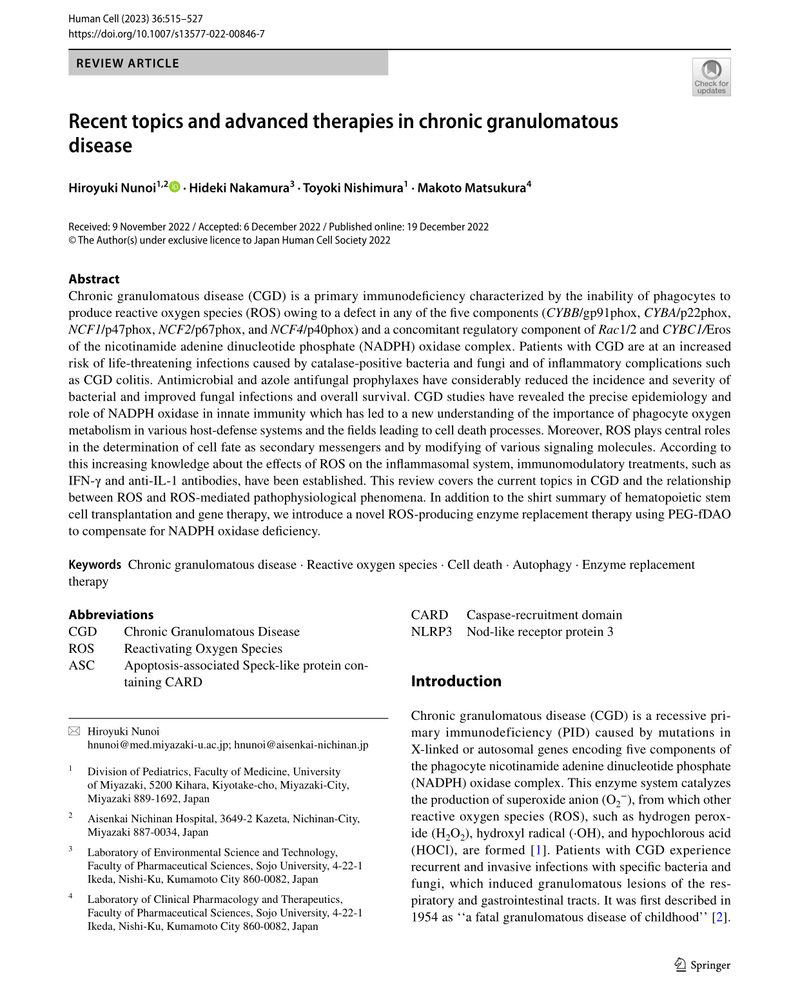
RECENT TOPICS AND ADVANCED THERAPIES IN CHRONIC GRANULOMATOUS DISEASE
Japan Human Cell Society
PDF202213 pages1.5 MB
Chronic granulomatous disease (CGD) is a primary immunodeficiency characterized by the inability of phagocytes to produce reactive oxygen species (ROS), leading to increased risk of life-threatening infections and inflammatory complications. The document discusses advancements in antimicrobial prophylaxis and immunomodulatory treatments, as well as the role of gene therapy in treating CGD. It highlights the importance of understanding ROS in innate immunity and its implications for patient management.
Sign in to open
Ask this resource
Answers use this document only.
Your first question is free.
More like this
Resources from the same specialty and type. Curated links will replace these when added.
Clinical Resources
Documents that extend or complement this resource.
IMMUNOLOGY AND IMMUNE SYSTEM DISORDERS
Same clinical topic · Immunology
Humoral Immunity-1 (2)
Same specialty · Immunology
T CELLS, ANTIGEN RECOGNITION, ANTIGEN PROCESSING
Same specialty · Immunology
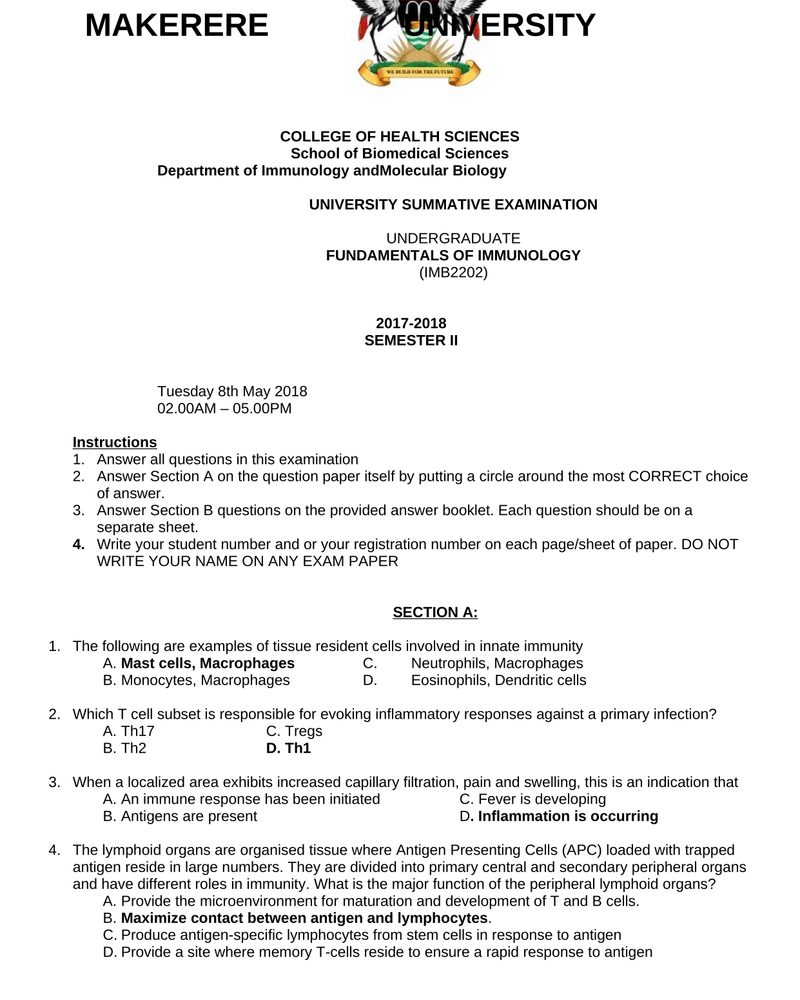
IMB2202 Fundamentals of Immmunology 2018 Summative higlighted
Same specialty · Immunology
COMPLEMENT SYSTEM
Same specialty · Immunology
Humoral Immunity
Same specialty · Immunology
Overview of the Complement System
Same specialty · Immunology
Complement System Overview and Pathways
Same specialty · Immunology
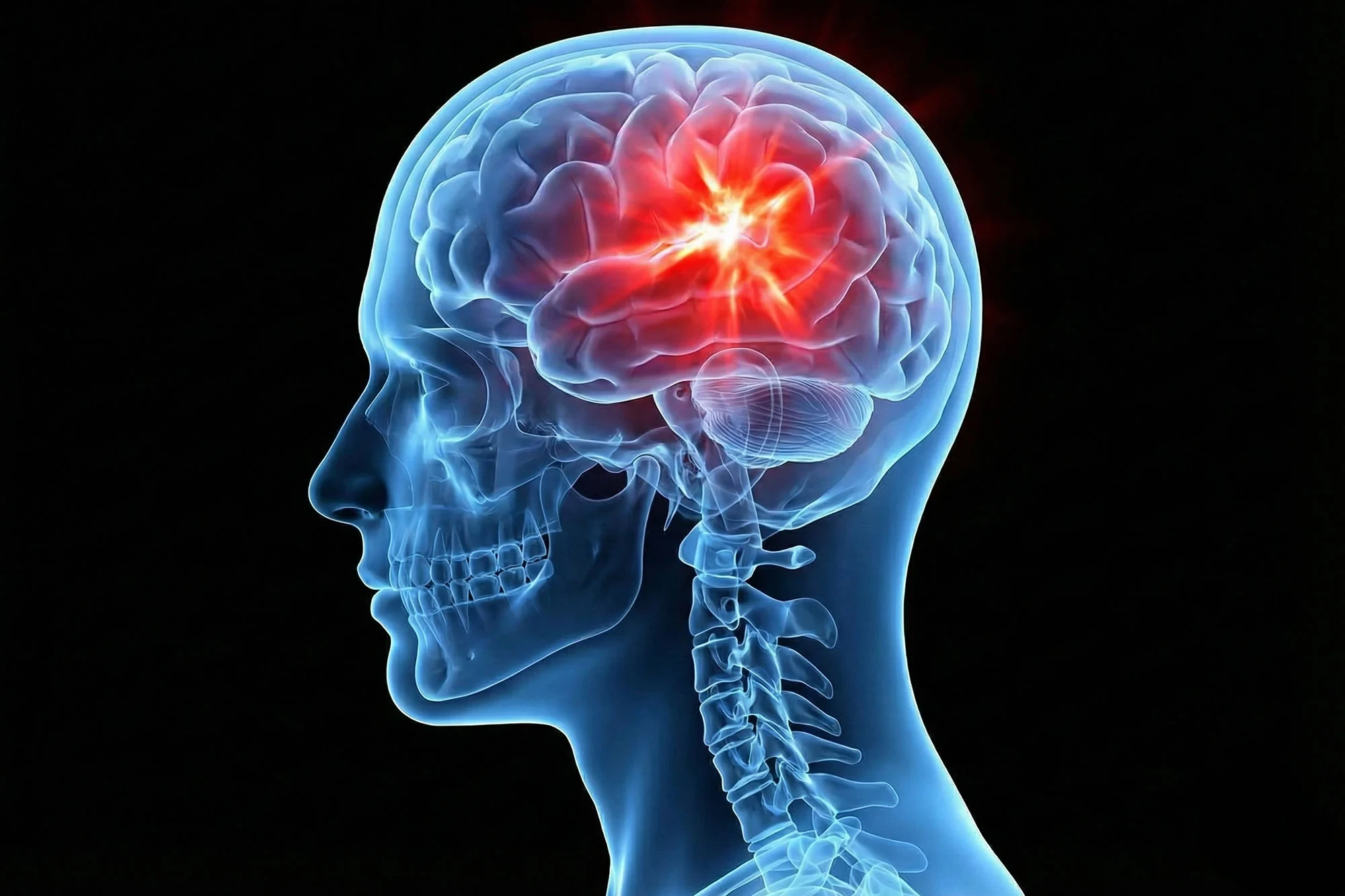
Traumatic Brain Injury
Same resource type · Neurology