Preparing your experience, please wait…


K

Lecture slides
Sampling Strategies
Busitema University
PPTX202628 pages1.3 MB
This resource defines sampling as the selection of a subset from a population to represent the entire group, highlighting its essential role in clinical and epidemiological research due to cost, time, and feasibility benefits. It categorizes sampling methods into probability and non-probability types, detailing specific techniques within each, such as simple random sampling, systematic sampling, stratified sampling, cluster sampling, multistage sampling, convenience sampling, consecutive sampling, and purposive sampling. The document also compares the two main categories, discusses common sampling errors and how to minimize bias, and provides examples of sampling in clinical trials and proposal development.
No account needed
Discuss clinical evidence & guidelines
Examine in Ask OslerAsk this resource
Answers from this document onlyMore like this
Resources from the same specialty and type. Curated links will replace these when added.
Clinical Resources
Documents that extend or complement this resource.

AN INTRODUCTION TO THE ECG and arrythmias revision ECG Oct 2025 (2)
Same clinical topic · Internal Medicine
Internal Medicine Lecture Notes for Medical Students
Same clinical topic · Internal Medicine

BACTERIAL STDs
Same clinical topic · Internal Medicine
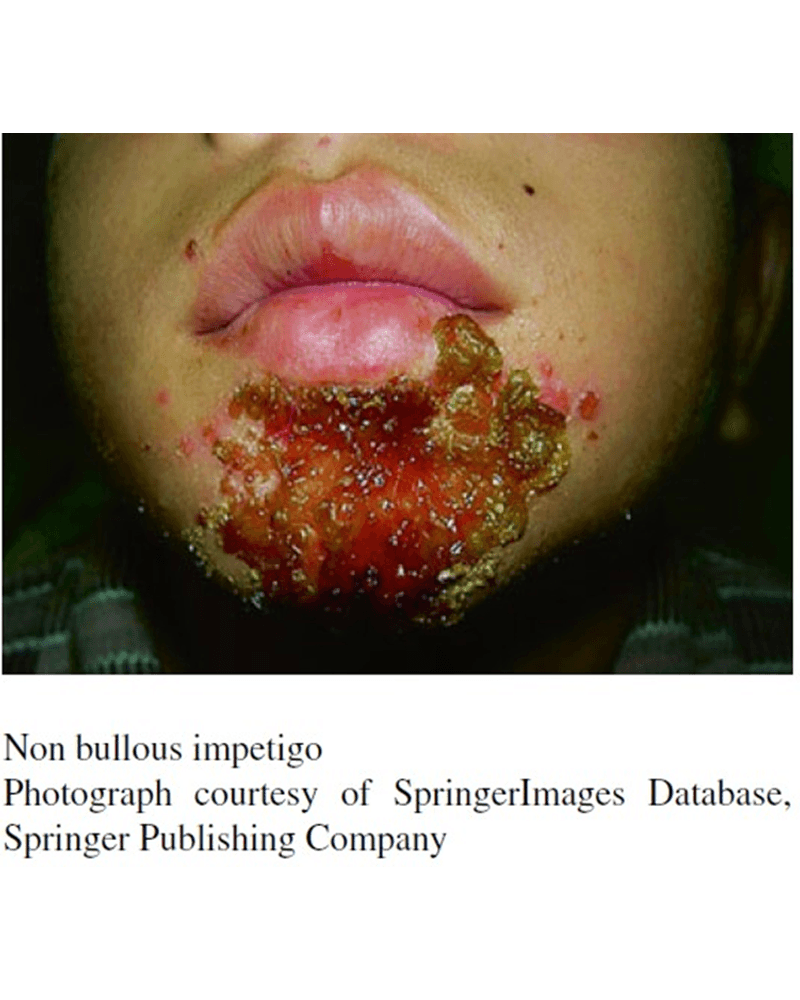
SKIN INFECTIONS
Same clinical topic · Internal Medicine
Internal Medicine Lecture Notes for Medical Students
Same clinical topic · Internal Medicine

SYMPTOM MANAGEMENT IN PALLIATIVE CARE
Same clinical topic · Internal Medicine
CHRONIC OBSTRUCTIVE PULMONARY DISEASE
Same clinical topic · Internal Medicine

CASE SUMMARY
Same clinical topic · Internal Medicine

Berne & Levy Physiology ( PDFDrive )
Same clinical topic · Internal Medicine