Preparing your experience, please wait…


K

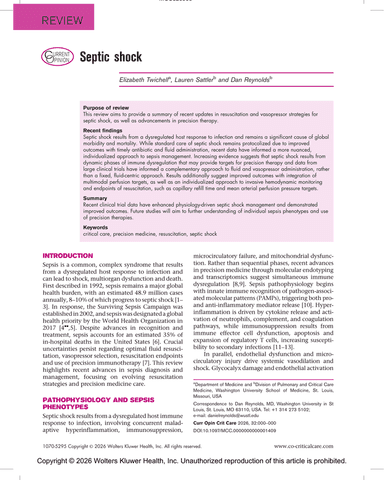
Clinical reviews
SEPTIC SHOCK: CURRENT OPINION IN CRITICAL CARE
Washington University
PDF20268 pages937 KB
Septic shock results from a dysregulated host response to infection and remains a significant cause of global morbidity and mortality. While standard care of septic shock remains protocolized due to improved outcomes with timely antibiotic and fluid administration, recent data have informed a more nuanced, individualized approach to sepsis management. Increasing evidence suggests that septic shock results from dynamic phases of immune dysregulation that may provide targets for precision therapy and data from large clinical trials have informed a complementary approach to fluid and vasopressor administration.
No account needed
Discuss clinical evidence & guidelines
Examine in Ask OslerAsk this resource
Answers from this document onlyMore like this
Resources from the same specialty and type. Curated links will replace these when added.
Clinical Resources
Documents that extend or complement this resource.

Management of ARDS – What Works and What Does Not
Same clinical topic · Critical Care
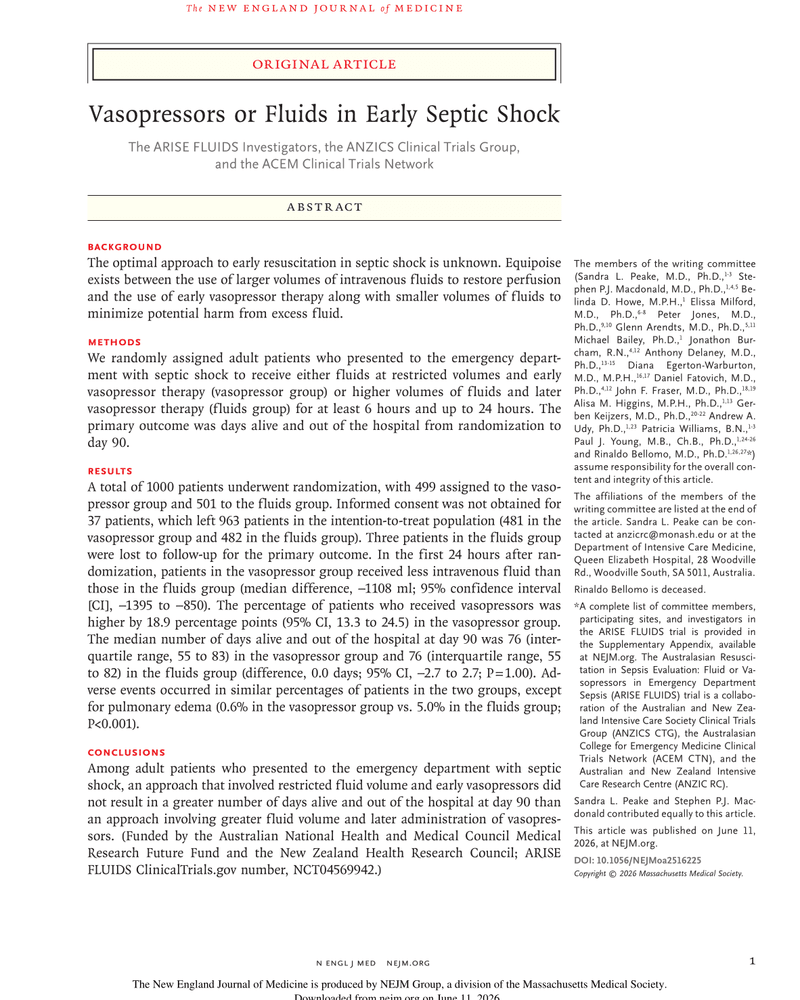
VASOPRESSORS OR FLUIDS IN EARLY SEPTIC SHOCK
Same clinical topic · Critical Care
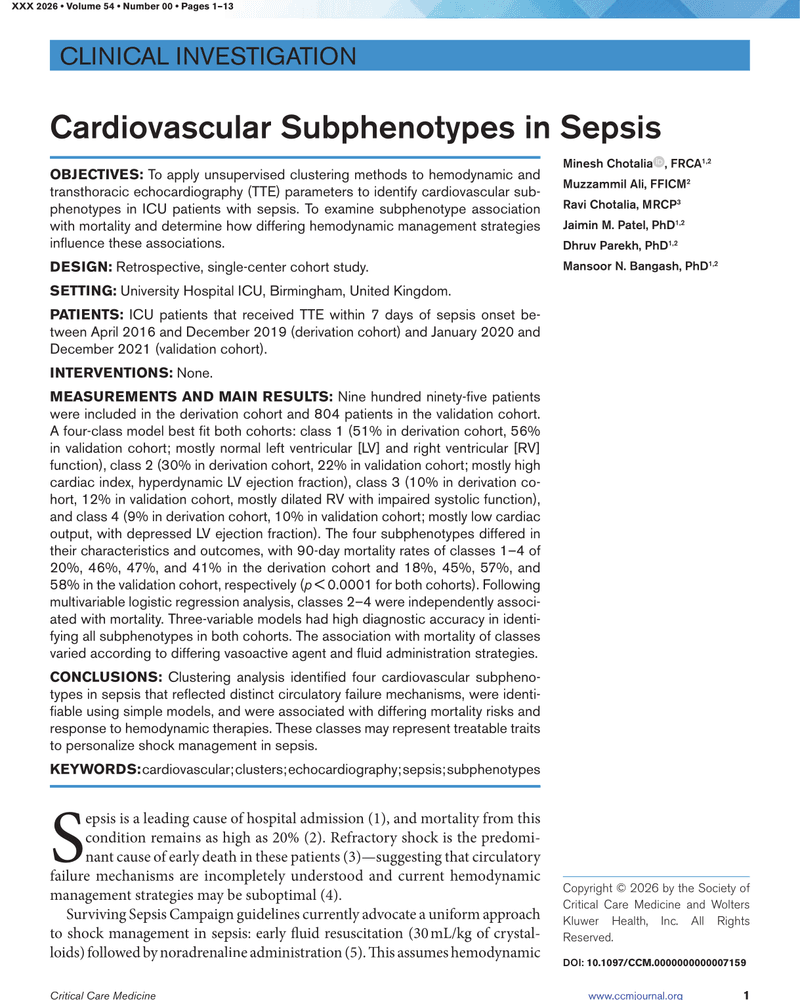
CARDIOVASCULAR SUBPHENOTYPES IN SEPSIS
Same clinical topic · Critical Care
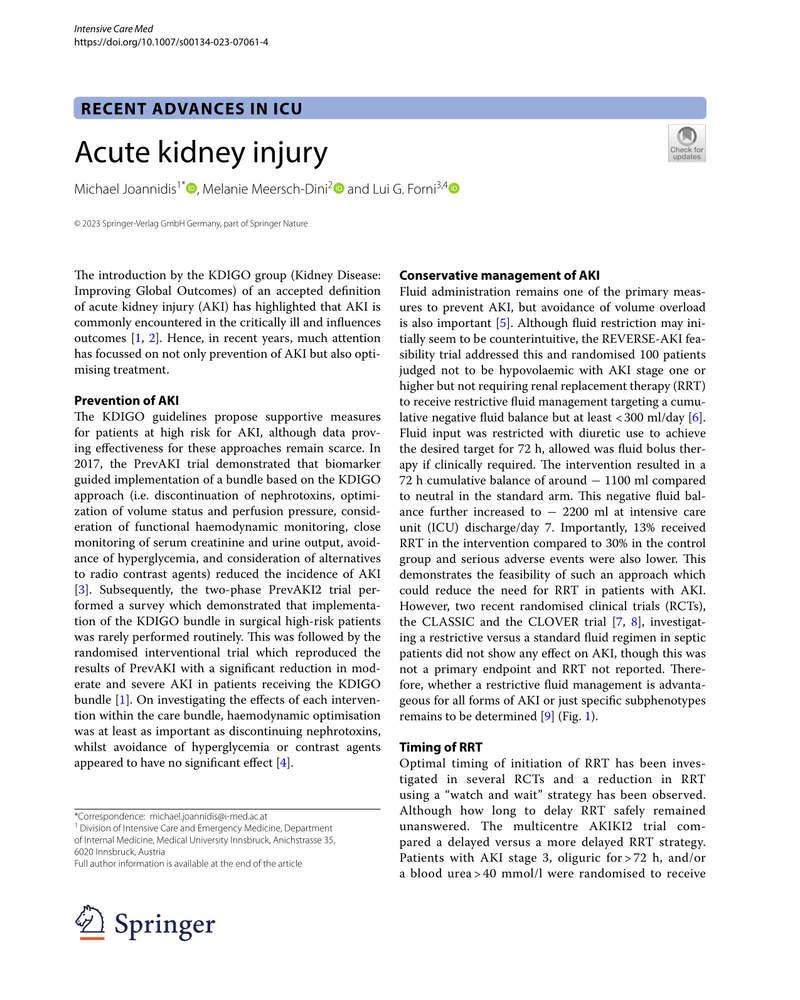
RECENT ADVANCES IN ICU: Acute kidney injury
Same clinical topic · Critical Care
Intubation in the Critically Ill: When, How, and How Long?
Same clinical topic · Critical Care
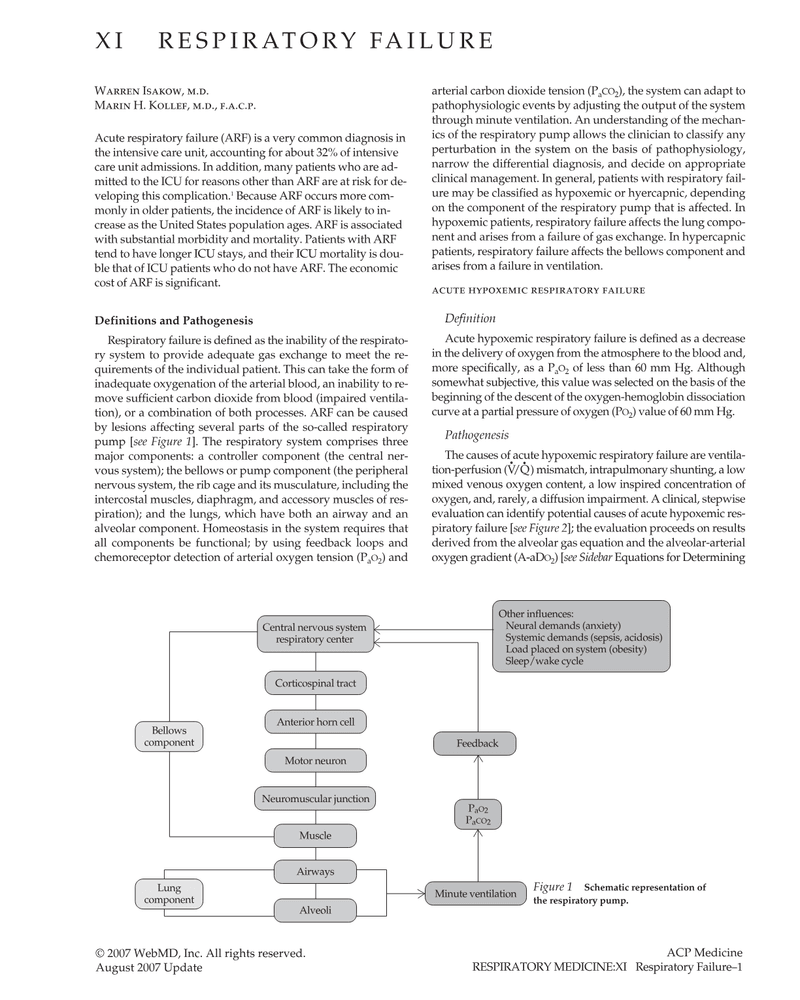
Acute Hypoxemic Respiratory Failure
Same clinical topic · Critical Care
MECHANICAL VENTILATION IN THE CRITICALLY ILL OBESE PATIENT
Same clinical topic · Critical Care
SEPSIS DEFINITIONS, PATHOPHYSIOLOGY AND THE CHALLENGE OF BEDSIDE MANAGEMENT
Same clinical topic · Critical Care
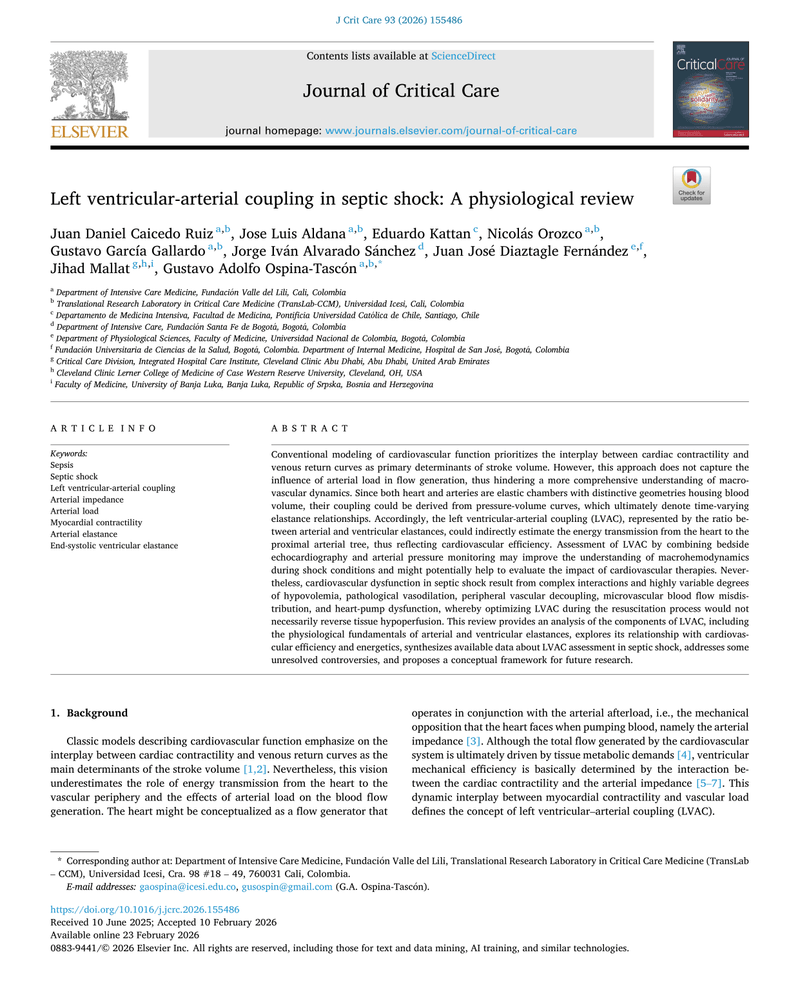
LEFT VENTRICULAR-ARTERIAL COUPLING IN SEPTIC SHOCK: A PHYSIOLOGICAL REVIEW
Same clinical topic · Critical Care