Please wait while we open this resource.


K


Lecture slides
SEPTIC SHOCK2345-1 (2)
JHO DR. MUHEREZA LIVING GODFREY; SHO DR. NIWAMANYIRE VICTOR
PPTX47 pages2.3 MB
Sepsis is defined as life‑threatening acute organ dysfunction caused by a dysregulated host response to infection, while septic shock adds persistent hypotension requiring vasopressors and elevated lactate despite adequate fluid resuscitation. The document outlines global and Ugandan epidemiology, common causative organisms, and predisposing factors such as diabetes, cirrhosis, and invasive devices. It reviews diagnostic considerations, source‑control strategies, fluid and vasopressor therapy, antimicrobial and antifungal recommendations, and adjunctive measures including awake proning and supportive care. The material is organized as a teaching deck with detailed sections on investigations, monitoring, and additional therapies.
Sign in to open
Ask this resource
Answers use this document only.
Your first question is free.
More like this
Resources from the same specialty and type. Curated links will replace these when added.
Clinical Resources
Documents that extend or complement this resource.
Kiruddu National Referral Hospital Treatment Algorithms
Same specialty · Critical Care
Handbook of Critical and Intensive Care Medicine
Same specialty · Critical Care
LEFT VENTRICULAR-ARTERIAL COUPLING IN SEPTIC SHOCK: A PHYSIOLOGICAL REVIEW
Same specialty · Critical Care
INTERNATIONAL MULTIDISCIPLINARY CONSENSUS STATEMENT ON SEPSIS CODE GUIDELINES: A DELPHI APPROACH
Same specialty · Critical Care
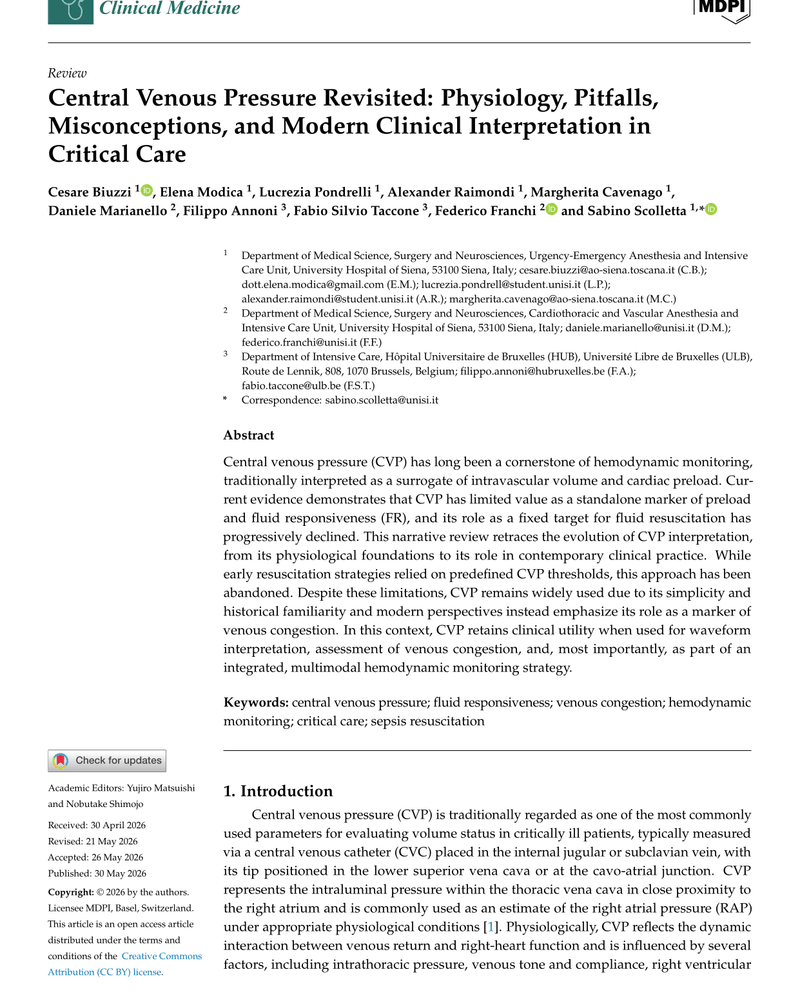
CENTRAL VENOUS PRESSURE REVISITED: PHYSIOLOGY, PITFALLS, MISCONCEPTIONS, AND MODERN CLINICAL INTERPRETATION IN CRITICAL CARE
Same specialty · Critical Care
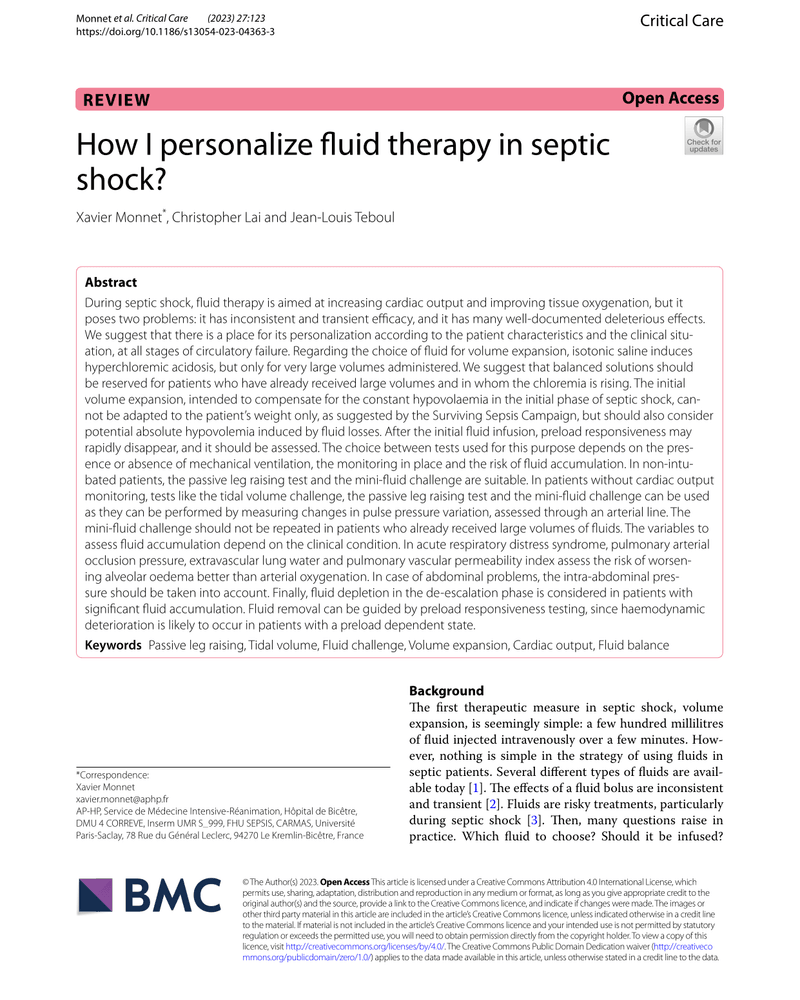
HOW I PERSONALIZE FLUID THERAPY IN SEPTIC SHOCK?
Same specialty · Critical Care
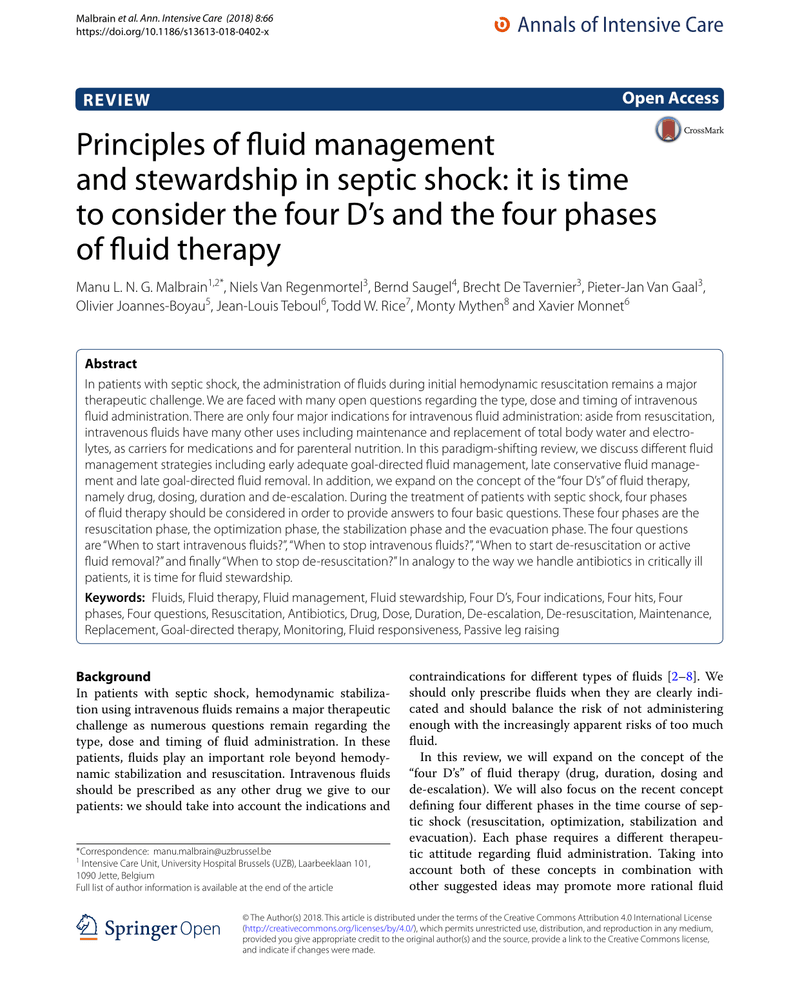
PRINCIPLES OF FLUID MANAGEMENT
Same specialty · Critical Care
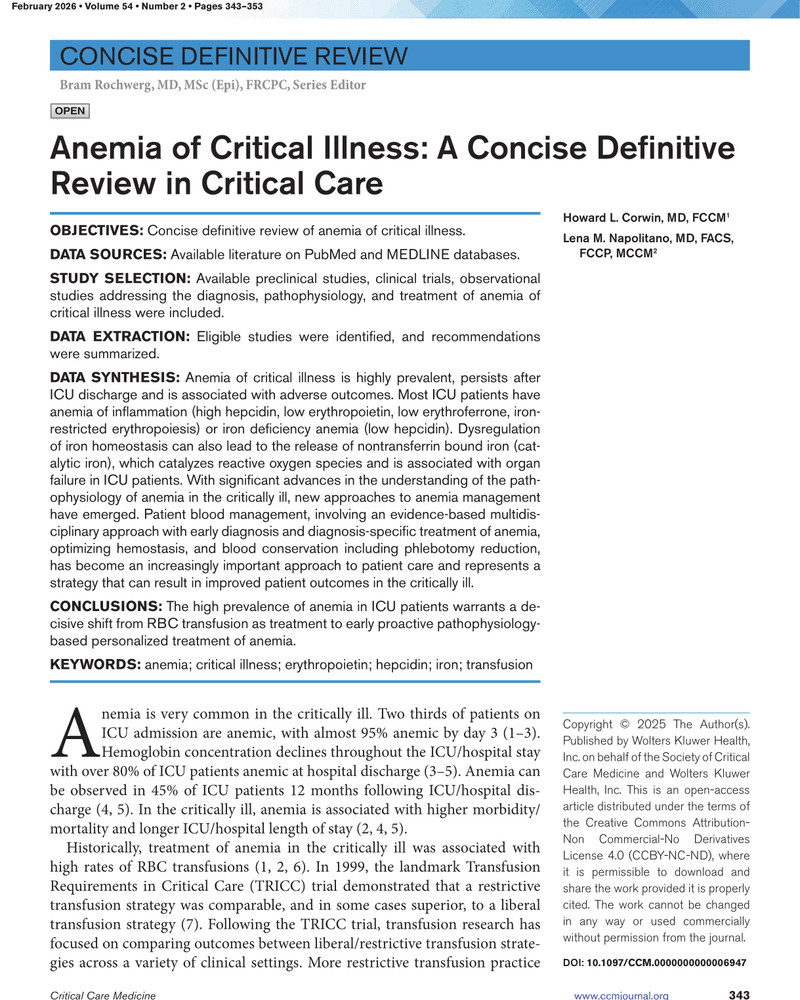
ANEMIA OF CRITICAL ILLNESS: A CONCISE DEFINITIVE REVIEW IN CRITICAL CARE
Same specialty · Critical Care

The Vasopressor Inotrope Handbook Eddy J (1). Gutierrez
Same specialty · Critical Care