Please wait while we open this resource.


K

Lecture slides
Sleep and Consciousness (2)
Prof Jehu E Iputo
PPTX19 pages810 KB
The material reviews the anatomy and function of the reticular formation and thalamic projections, then explains primary evoked potentials and EEG rhythms. It details the characteristics of each sleep stage, including REM, non‑REM stages, sleep spindles, and K‑complexes, and relates these to behavioural and EEG changes. Age‑related variations in sleep architecture and the physiological mechanisms governing wakefulness and sleep are also described.
Sign in to open
Ask this resource
Answers use this document only.
Your first question is free.
More like this
Resources from the same specialty and type. Curated links will replace these when added.
Clinical Resources
Documents that extend or complement this resource.
HIV AND THE CNS
Same clinical topic · Neurology

2026 AIS Guideline Essentials Clincial Slides
Same clinical topic · Neurology
UMN LMN MUSCLE
Same clinical topic · Neurology
STROKE IN ADULTS
Same clinical topic · Neurology

The Brain and Emotions (2)
Same clinical topic · Neurology
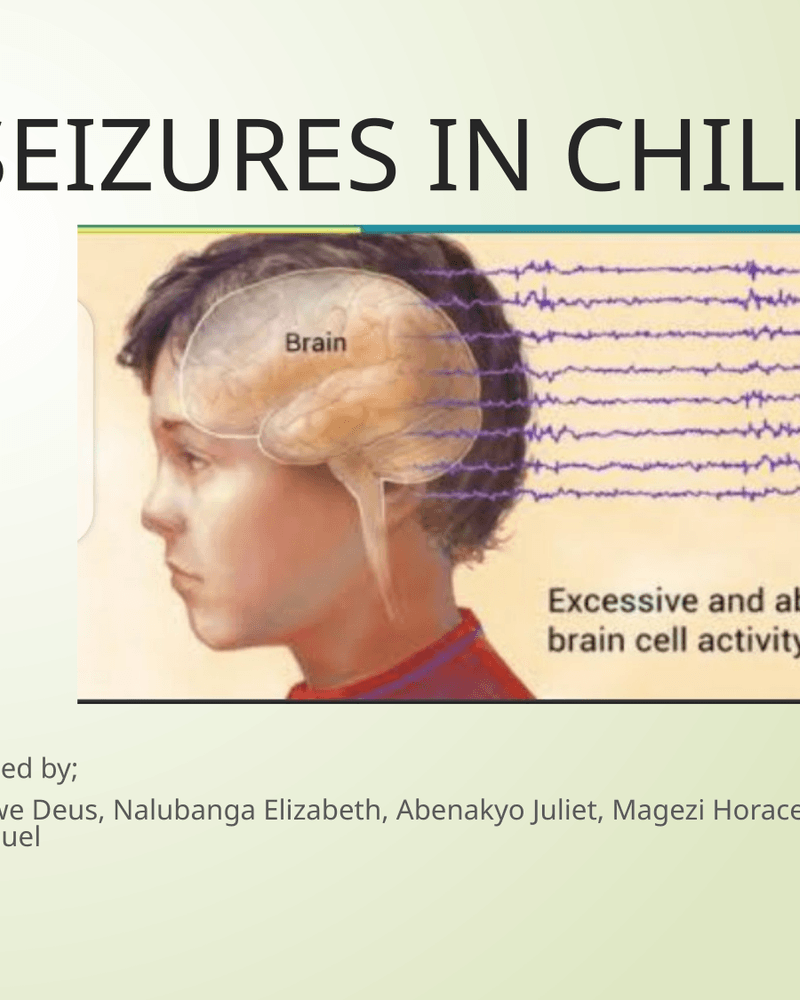
SEIZURES IN CHILDREN. final copy
Same clinical topic · Neurology
EPILEPSY AND OTHER SEIZURE DISORDERS
Same clinical topic · Neurology
CEREBRAL-VASCULAR ACCIDENT
Same clinical topic · Neurology
CVA presentation
Same clinical topic · Neurology