Please wait while we open this resource.


K

Clinical notes
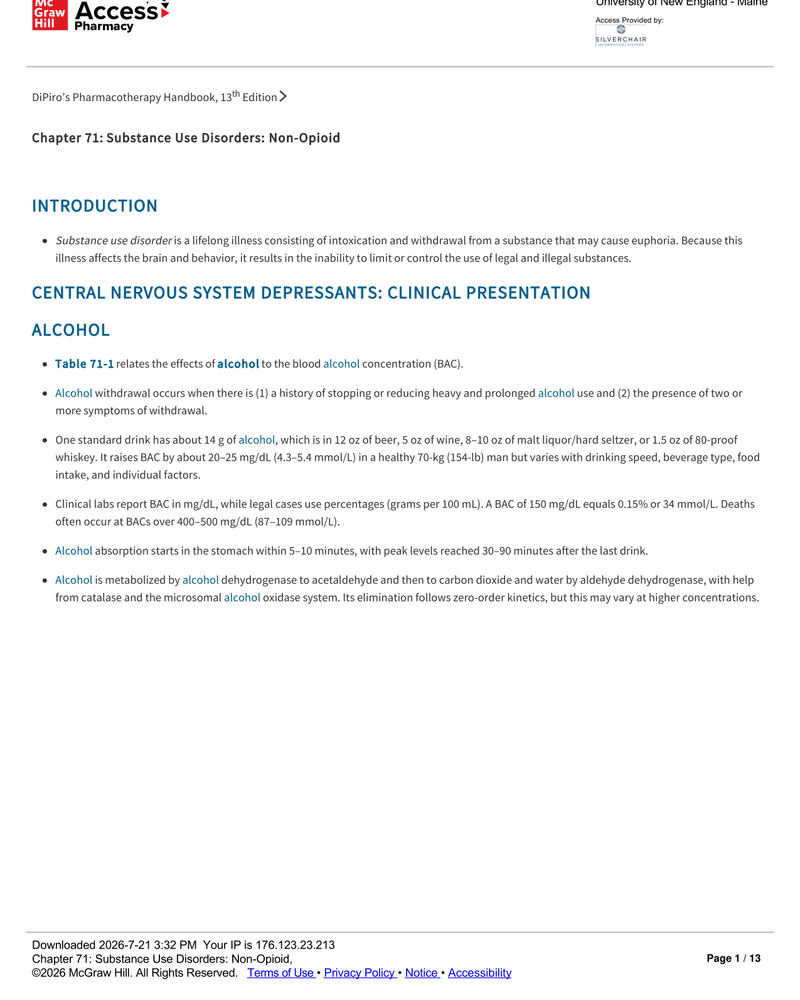
SUBSTANCE USE DISORDERS: NON-OPIOID
DiPiro’s Pharmacotherapy Handbook
PDF13 pages238 KB
Substance use disorder is characterized by the inability to control the use of substances that can lead to intoxication and withdrawal symptoms. This chapter provides an in-depth look at various non-opioid substances, including alcohol and benzodiazepines, detailing their effects, withdrawal management, and therapeutic outcomes. It emphasizes the importance of ongoing psychosocial support in treatment and highlights the need for careful evaluation of therapeutic efficacy and safety.
Sign in to open
Ask this resource
Answers use this document only.
Your first question is free.
More like this
Resources from the same specialty and type. Curated links will replace these when added.
Clinical Resources
Documents that extend or complement this resource.
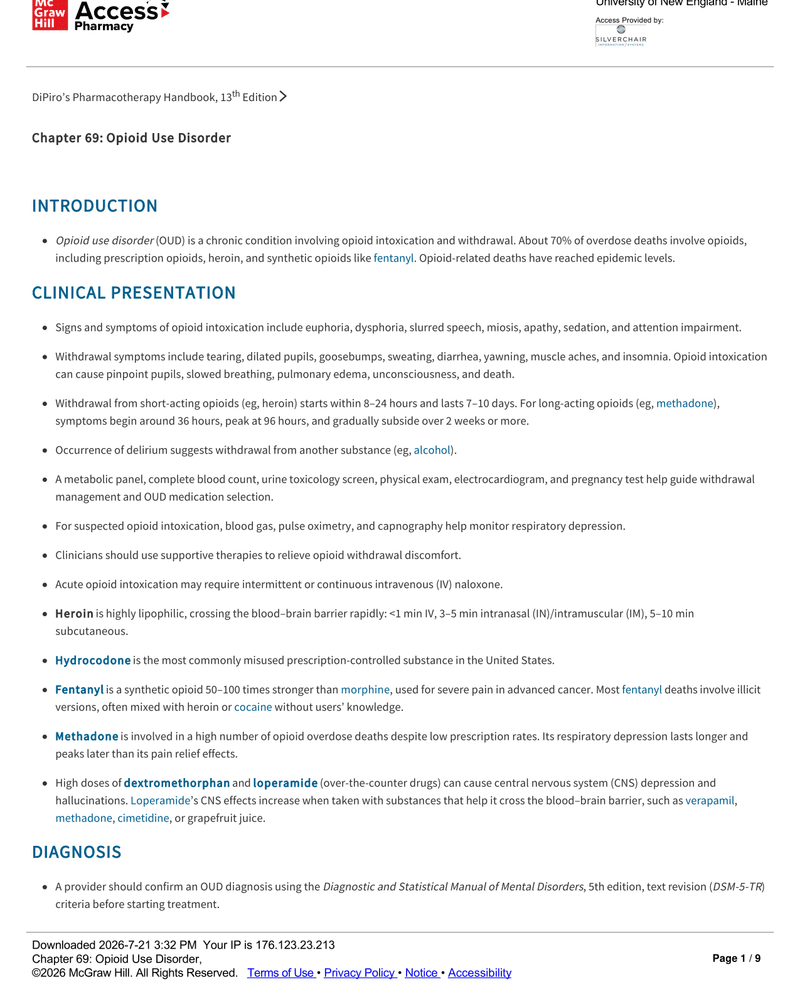
AVAILABLE NALOXONE FORMULATIONS
Same clinical topic · Addiction Medicine
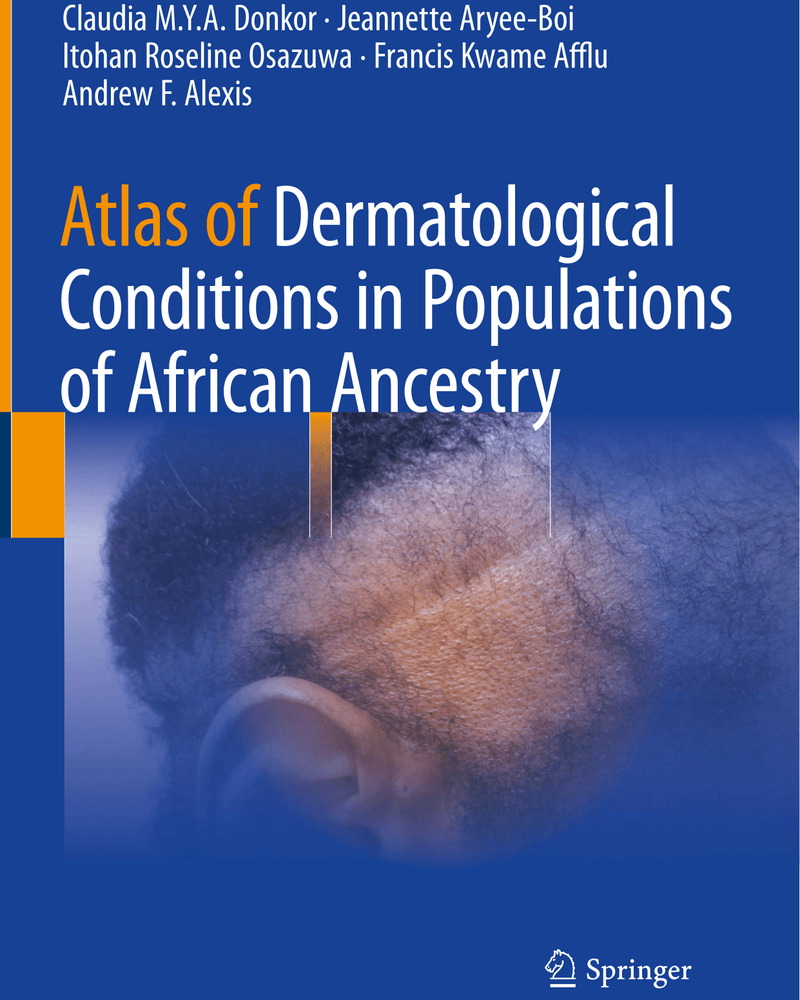
ATLAS OF DERMATOLOGICAL CONDITIONS IN POPULATIONS OF AFRICAN ANCESTRY
Same resource type · Dermatology
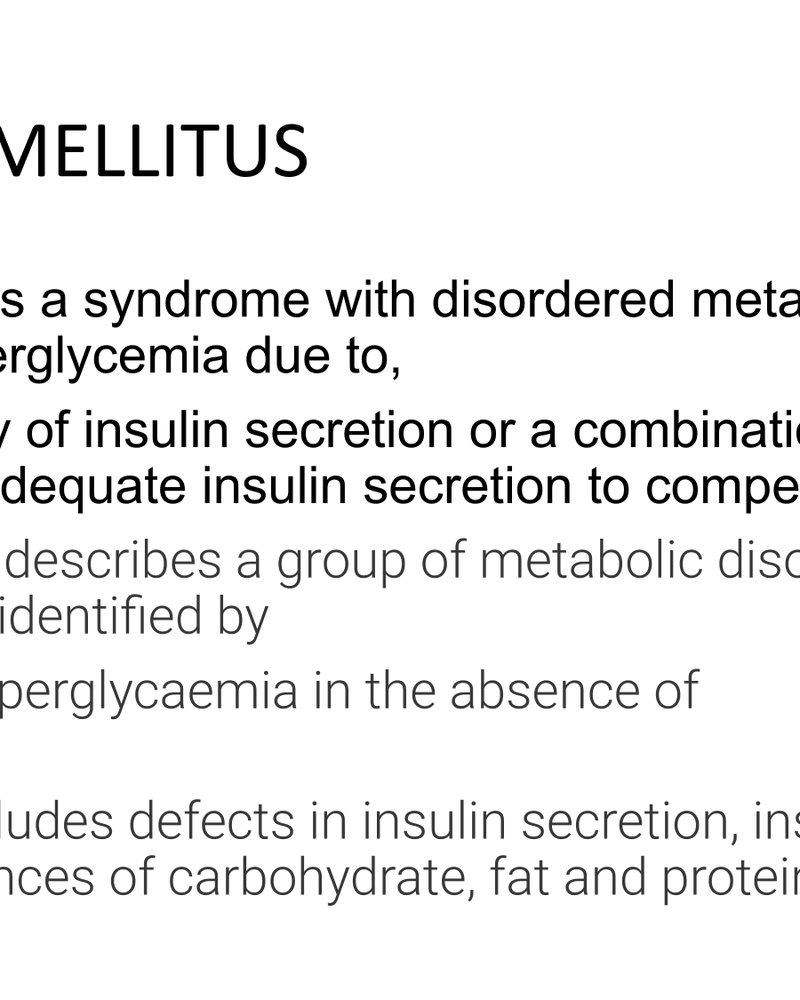
DIABETES MELLITUS
Same resource type · Endocrinology
dermatology-secrets-6nbsped-9780323673235 compress
Same resource type · Dermatology
Andrews' Diseases of the Skin Clinical Dermatology 14th Edition
Same resource type · Dermatology
Neonatal Resuscitation Guidelines
Same resource type · Neonatology
Approach to an Unconscious Patient
Same resource type · Emergency Medicine
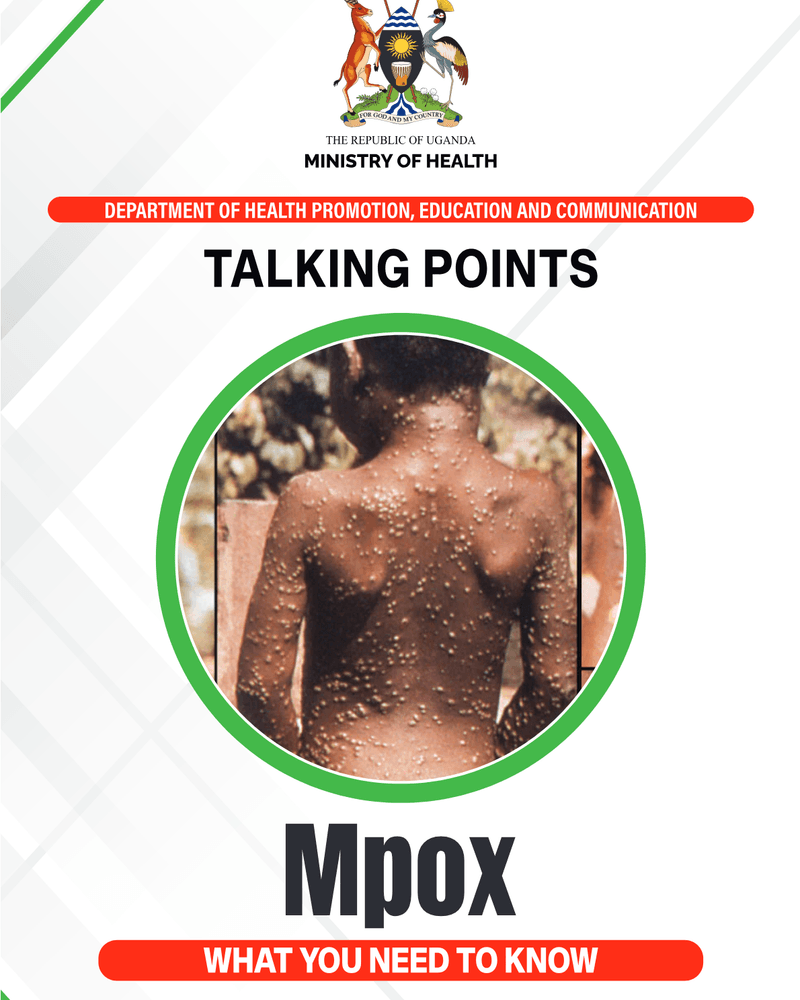
Mpox: What You Need to Know
Same resource type · Infectious Disease
Clinical Anatomy by Systems -- Snell MD PhD, Richard
Same resource type · Anatomy