Preparing your experience, please wait…


K

Clinical reviews
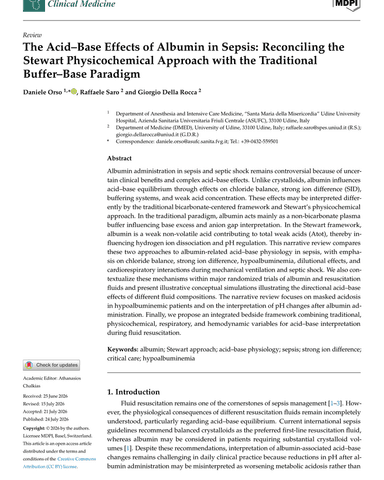
THE ACID-BASE EFFECTS OF ALBUMIN IN SEPSIS: RECONCILING THE STEWART PHYSICOCHEMICAL APPROACH WITH THE TRADITIONAL BUFFER-BASE PARADIGM
Department of Anesthesia and Intensive Care Medicine, 'Santa Maria della Misericordia' Udine University Hospital; Department of Medicine, University of Udine
PDF19 pages3.6 MB
Albumin administration in sepsis and septic shock remains controversial due to uncertain clinical benefits and complex acid–base effects. The review discusses how albumin influences acid–base equilibrium through its effects on chloride balance, strong ion difference, and buffering systems. It contrasts the traditional paradigm, where albumin is viewed primarily as a non-bicarbonate plasma buffer, with the Stewart framework, which considers albumin as a weak non-volatile acid affecting hydrogen ion dissociation and pH regulation. The paper emphasizes the implications of these mechanisms in clinical practice, particularly during mechanical ventilation and fluid resuscitation in septic patients.
No account needed
Discuss clinical evidence & guidelines
Examine in Ask OslerAsk this resource
Answers from this document onlyMore like this
Resources from the same specialty and type. Curated links will replace these when added.
Clinical Resources
Documents that extend or complement this resource.

Management of ARDS – What Works and What Does Not
Same clinical topic · Critical Care
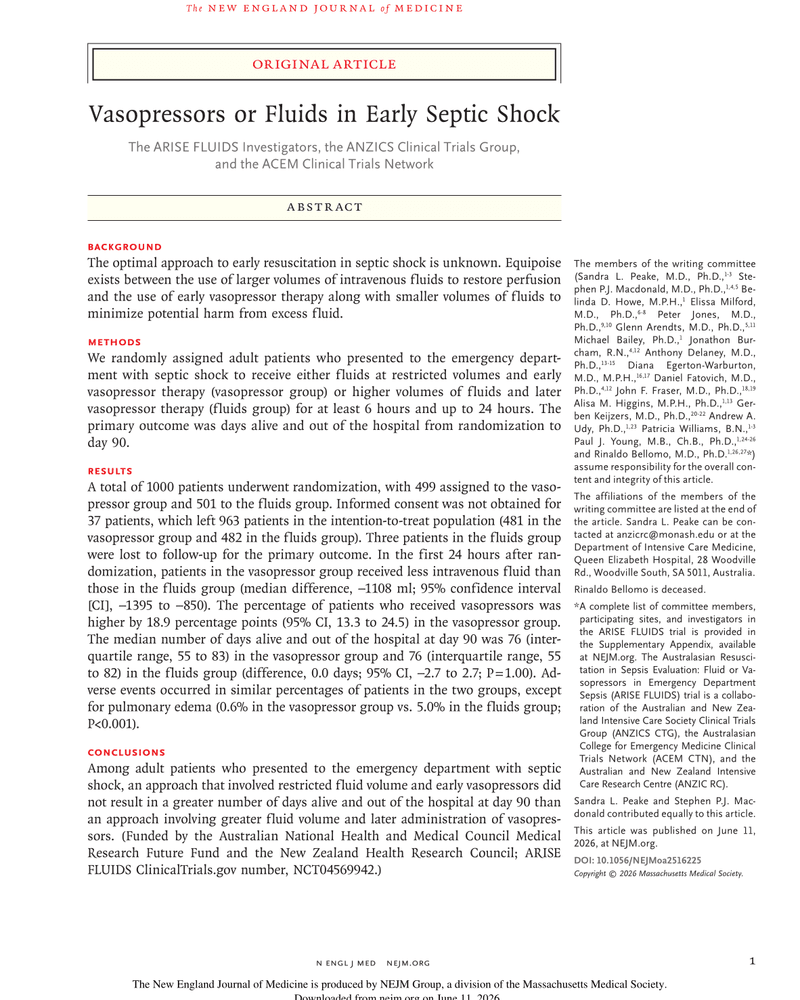
VASOPRESSORS OR FLUIDS IN EARLY SEPTIC SHOCK
Same clinical topic · Critical Care
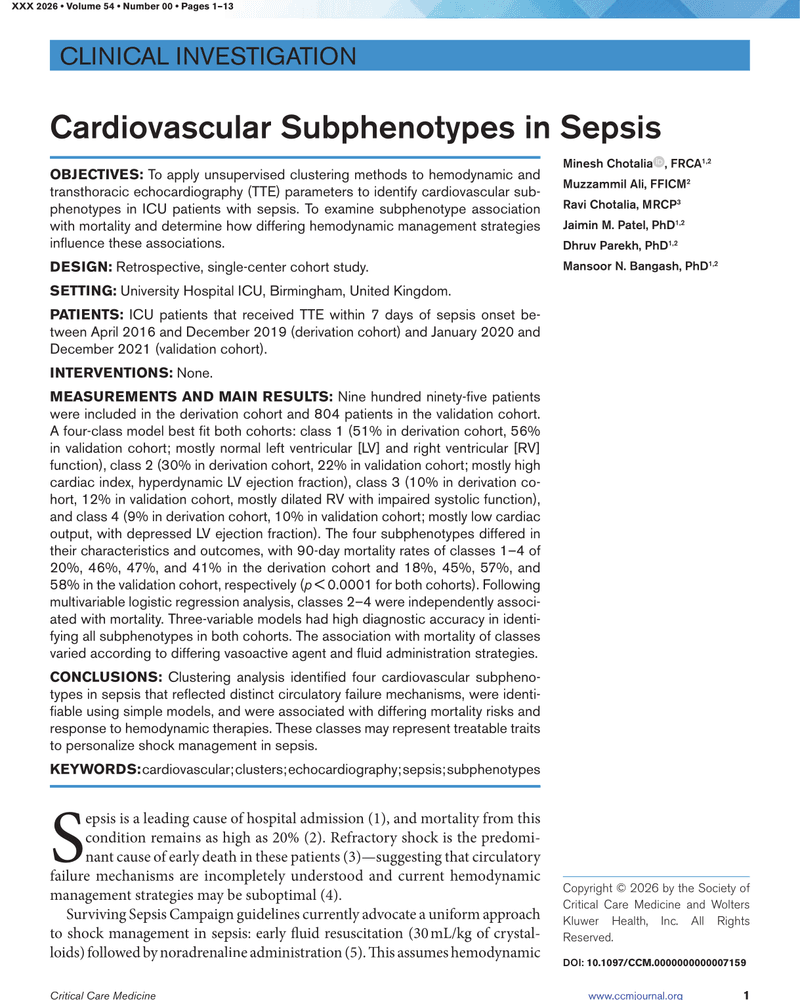
CARDIOVASCULAR SUBPHENOTYPES IN SEPSIS
Same clinical topic · Critical Care
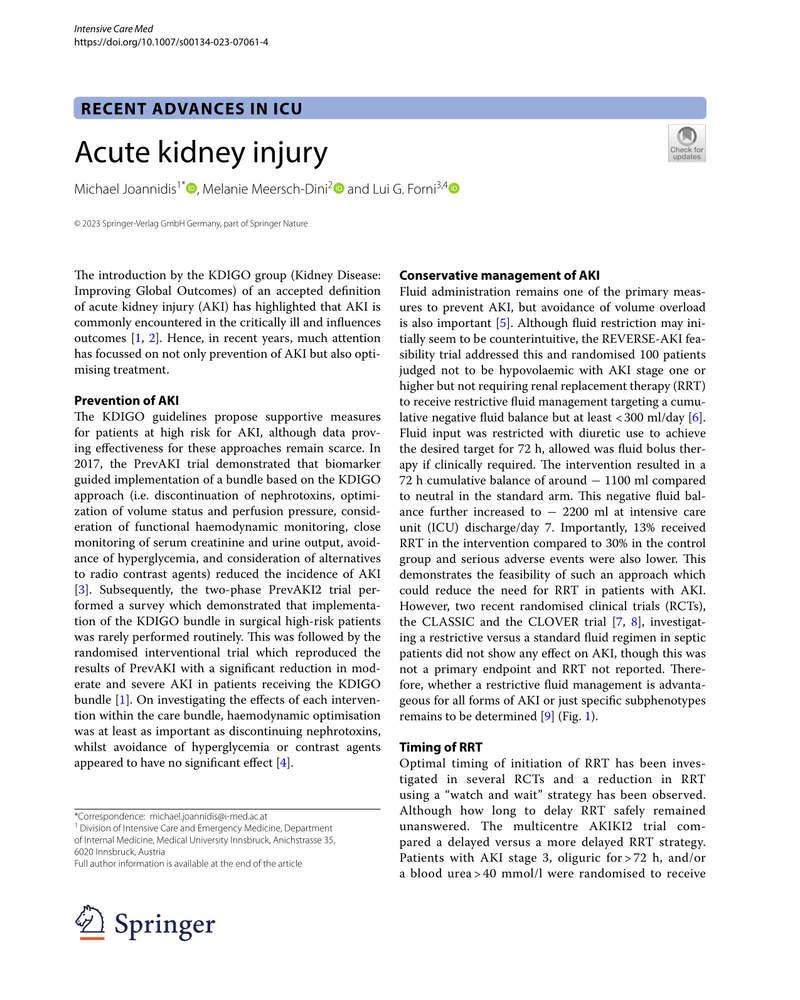
RECENT ADVANCES IN ICU: Acute kidney injury
Same clinical topic · Critical Care
Intubation in the Critically Ill: When, How, and How Long?
Same clinical topic · Critical Care
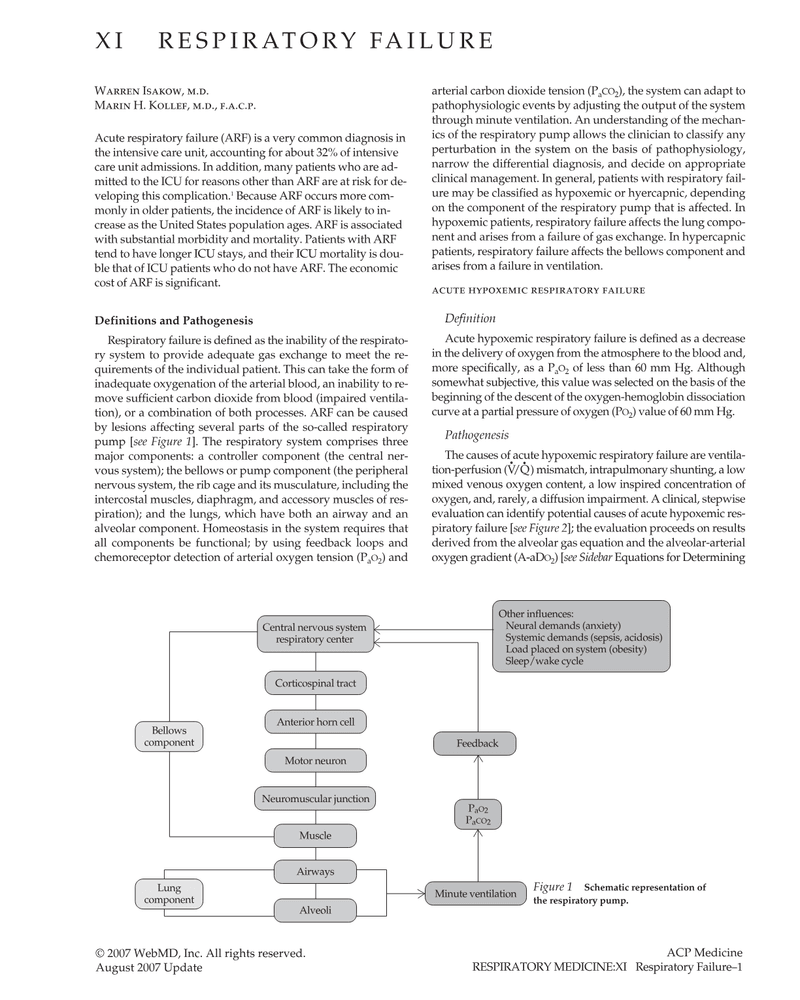
Acute Hypoxemic Respiratory Failure
Same clinical topic · Critical Care
MECHANICAL VENTILATION IN THE CRITICALLY ILL OBESE PATIENT
Same clinical topic · Critical Care
SEPSIS DEFINITIONS, PATHOPHYSIOLOGY AND THE CHALLENGE OF BEDSIDE MANAGEMENT
Same clinical topic · Critical Care
LEFT VENTRICULAR-ARTERIAL COUPLING IN SEPTIC SHOCK: A PHYSIOLOGICAL REVIEW
Same clinical topic · Critical Care