Please wait while we open this resource.


K

Clinical reviews
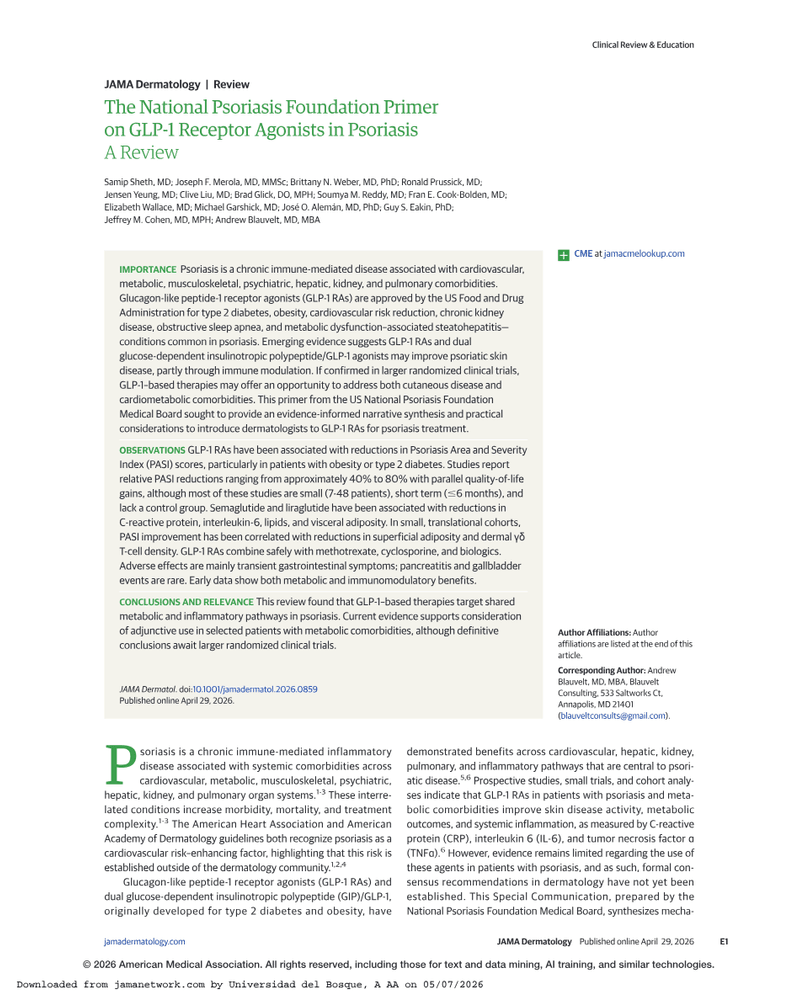
THE NATIONAL PSORIASIS FOUNDATION PRIMER ON GLP-1 RECEPTOR AGONISTS IN PSORIASIS
National Psoriasis Foundation
PDF11 pages325 KB
Psoriasis is a chronic immune-mediated disease that is often accompanied by various comorbidities, including cardiovascular and metabolic disorders. GLP-1 receptor agonists, primarily used for managing type 2 diabetes and obesity, have shown promise in improving psoriatic skin disease through immune modulation. This review discusses emerging evidence and potential therapeutic implications of GLP-1 RAs in psoriasis management, suggesting that these therapies could address both skin disease and related metabolic issues if validated in larger clinical trials.
Sign in to open
Ask this resource
Answers use this document only.
Your first question is free.
More like this
Resources from the same specialty and type. Curated links will replace these when added.
Clinical Resources
Documents that extend or complement this resource.

ERYTHEMA EXUDATIVUM MULTIFORME STEVENS JOHNSON SYNDROME
Same clinical topic · Dermatology
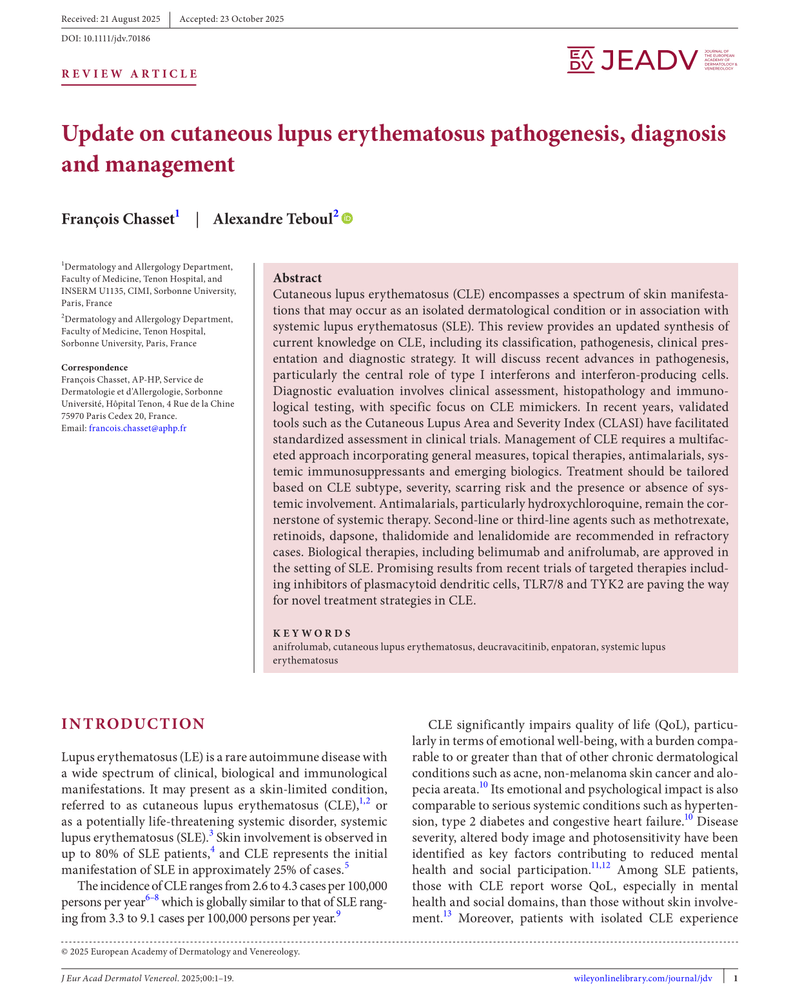
UPDATE ON CUTANEOUS LUPUS ERYTHEMATOSUS PATHOGENESIS, DIAGNOSIS AND MANAGEMENT
Same clinical topic · Dermatology
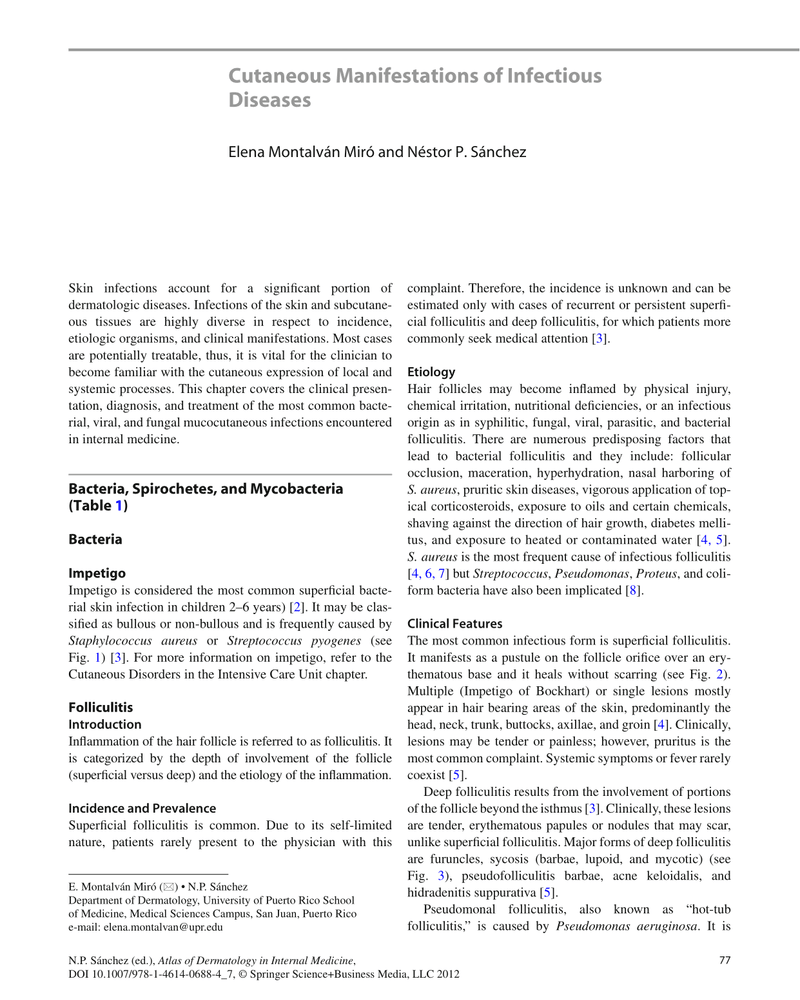
CUTANEOUS MANIFESTATIONS OF INFECTIOUS DISEASES
Same clinical topic · Dermatology
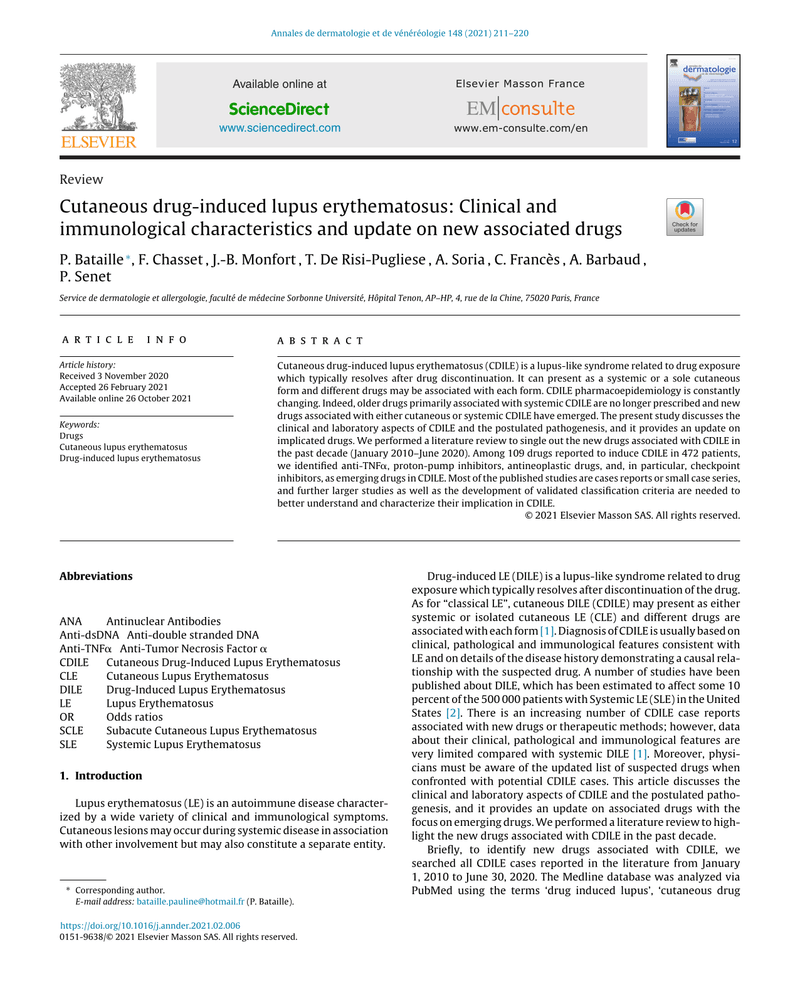
CUTANEOUS DRUG-INDUCED LUPUS ERYTHEMATOSUS: CLINICAL AND IMMUNOLOGICAL CHARACTERISTICS AND UPDATE ON NEW ASSOCIATED DRUGS
Same clinical topic · Dermatology
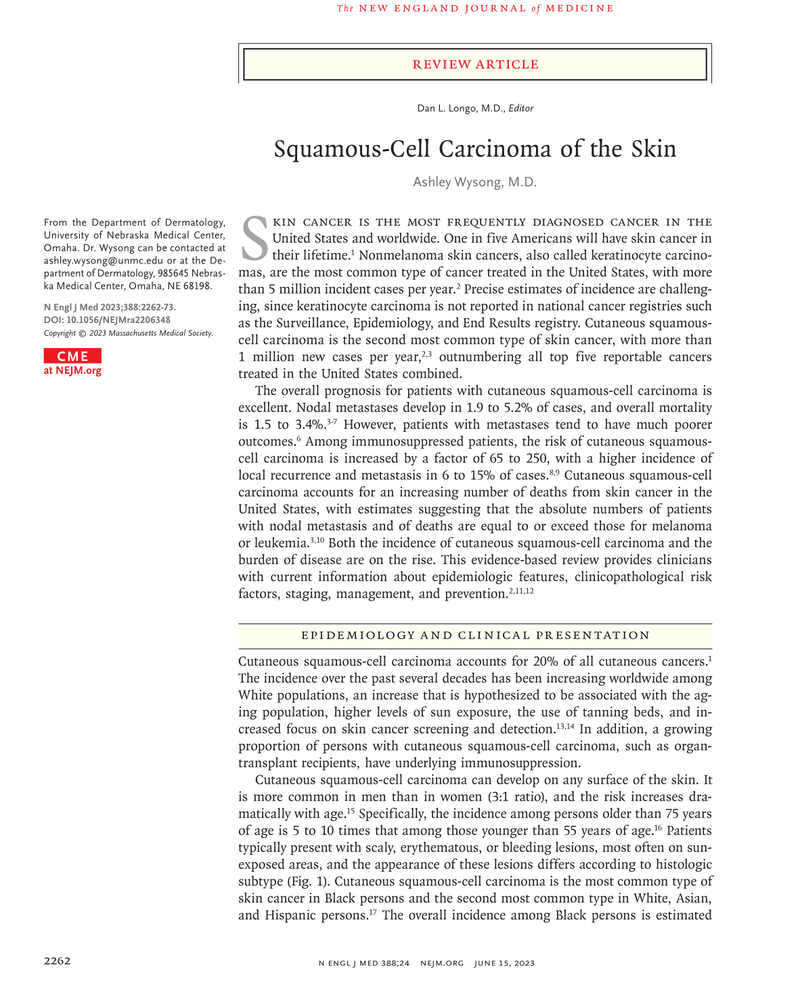
SQUAMOUS-CELL CARCINOMA OF THE SKIN
Same clinical topic · Dermatology
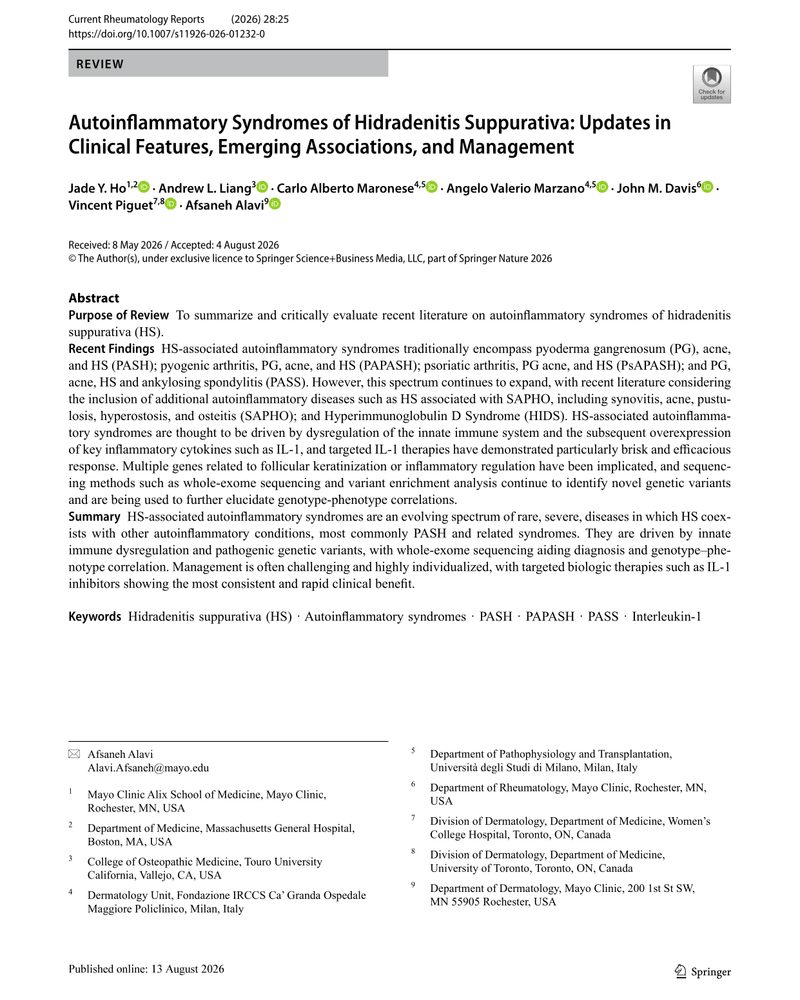
AUTOINFLAMMATORY SYNDROMES OF HIDRADENITIS SUPPURATIVA: UPDATES IN CLINICAL FEATURES, EMERGING ASSOCIATIONS, AND MANAGEMENT
Same clinical topic · Dermatology

PUSTULAR PSORIASIS: MANAGEMENT
Same clinical topic · Dermatology

ACNE VULGARIS: MANAGEMENT OF MODERATE TO SEVERE ACNE IN ADOLESCENTS AND ADULTS
Same clinical topic · Dermatology

ACNE VULGARIS: OVERVIEW OF MANAGEMENT
Same clinical topic · Dermatology