Please wait while we open this resource.


K

Guidelines & protocols
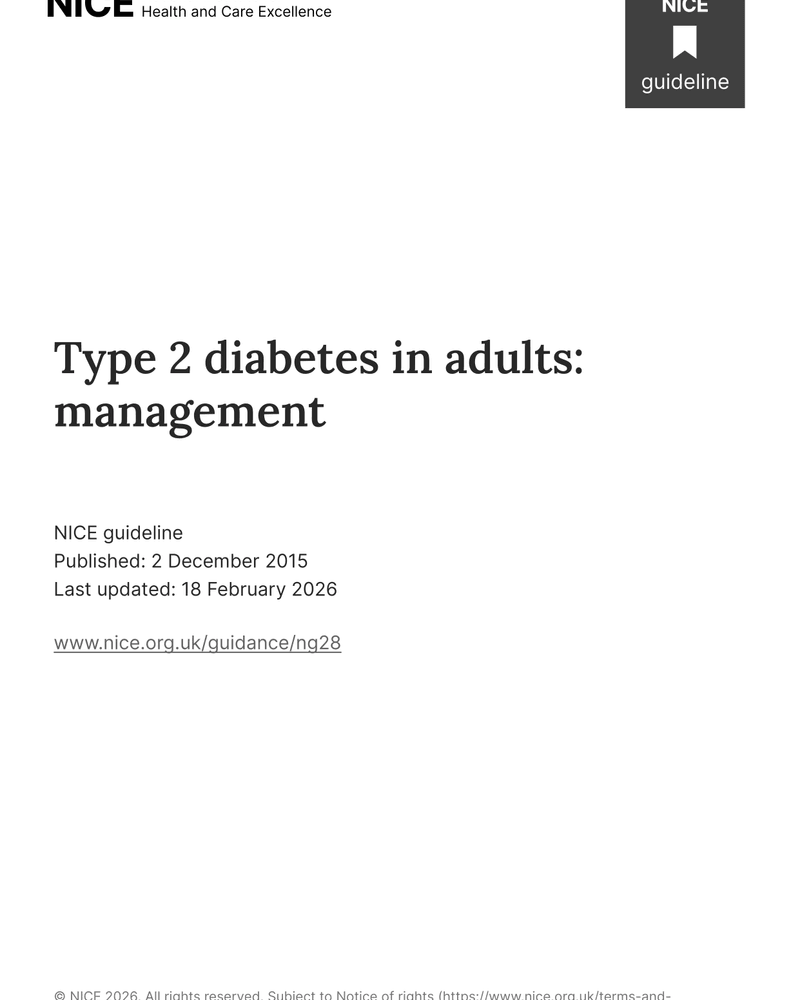
TYPE 2 DIABETES IN ADULTS: MANAGEMENT
NICE
PDF2026124 pages642 KB
The guideline outlines the responsibilities of healthcare professionals in applying the recommendations while considering individual patient needs and preferences. It emphasizes the importance of self-monitoring blood glucose levels and the role of continuous glucose monitoring (CGM) technologies. The document also discusses the evolving nature of diabetes management and the need for healthcare providers to stay updated on the latest evidence and technologies.
No account needed
Ask this resource
Answers use this document only.
More like this
Resources from the same specialty and type. Curated links will replace these when added.
Clinical Resources
Documents that extend or complement this resource.
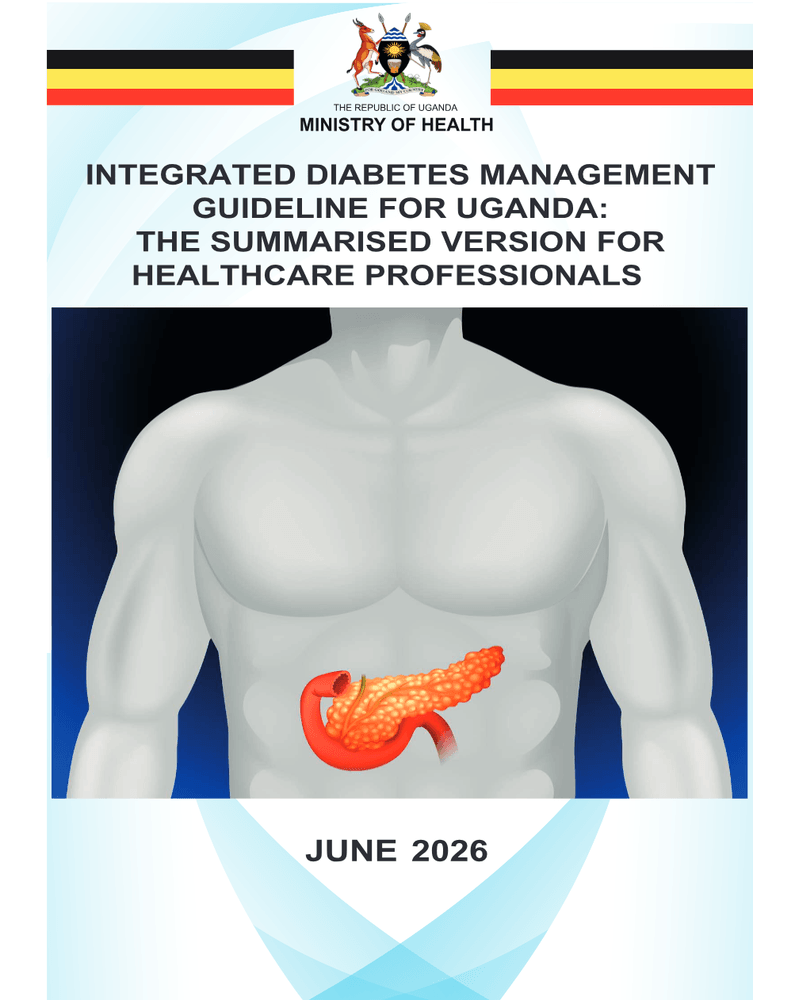
Uganda Diabetes Management Guidelines – Summarised (2026)
Same clinical topic · Endocrinology
Kiruddu DKA guidelines
Same clinical topic · Endocrinology
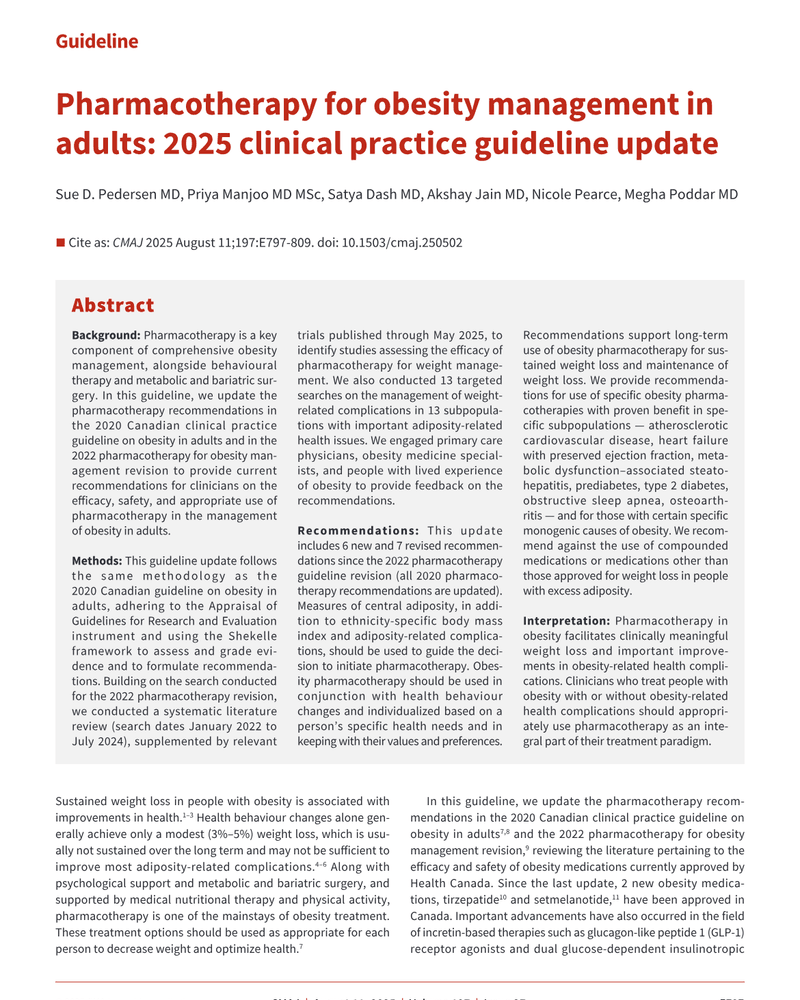
Pharmacotherapy for Obesity Management: 2025 Guidelines
Same clinical topic · Endocrinology
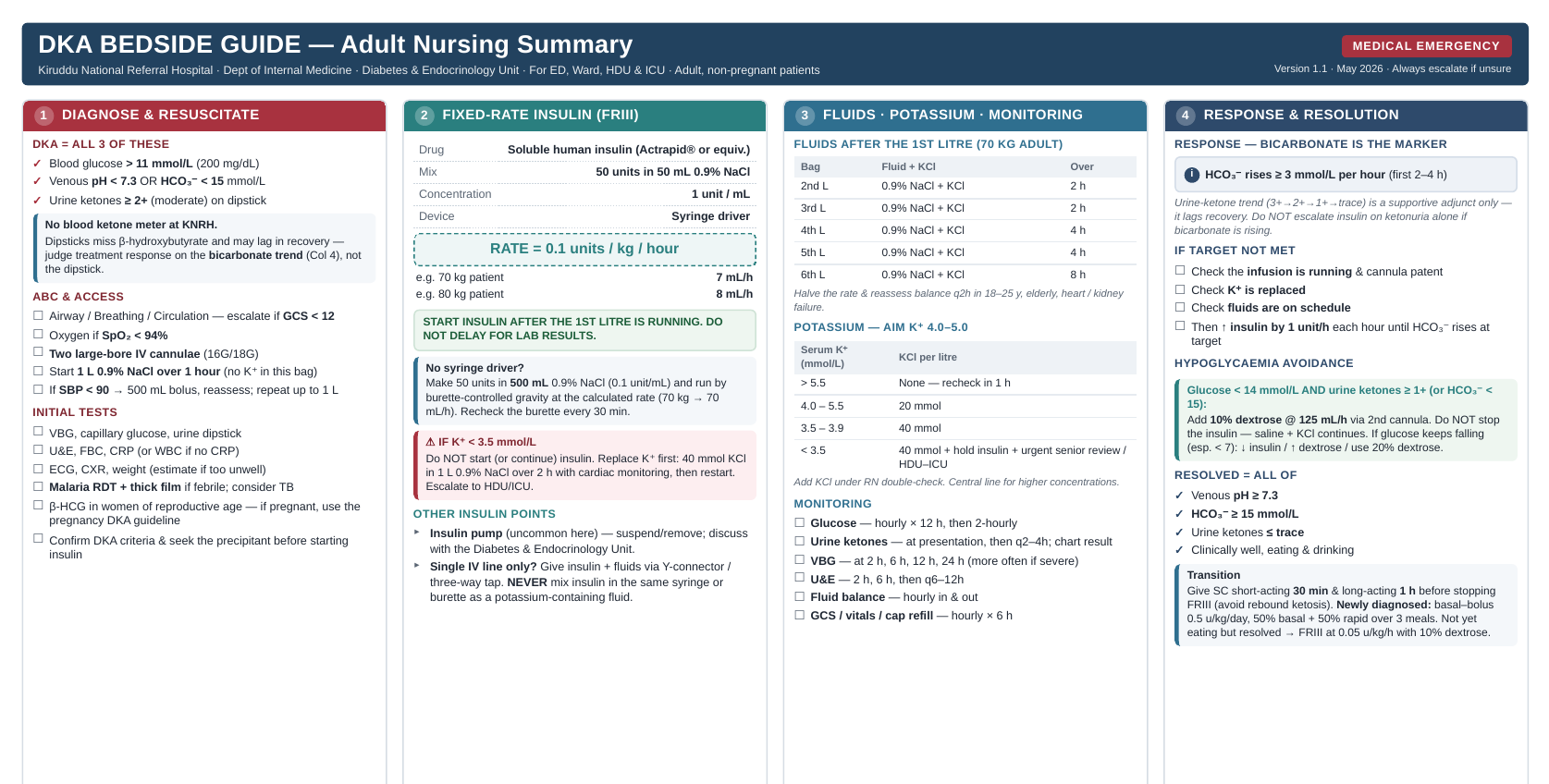
Management of DKA
Same clinical topic · Endocrinology
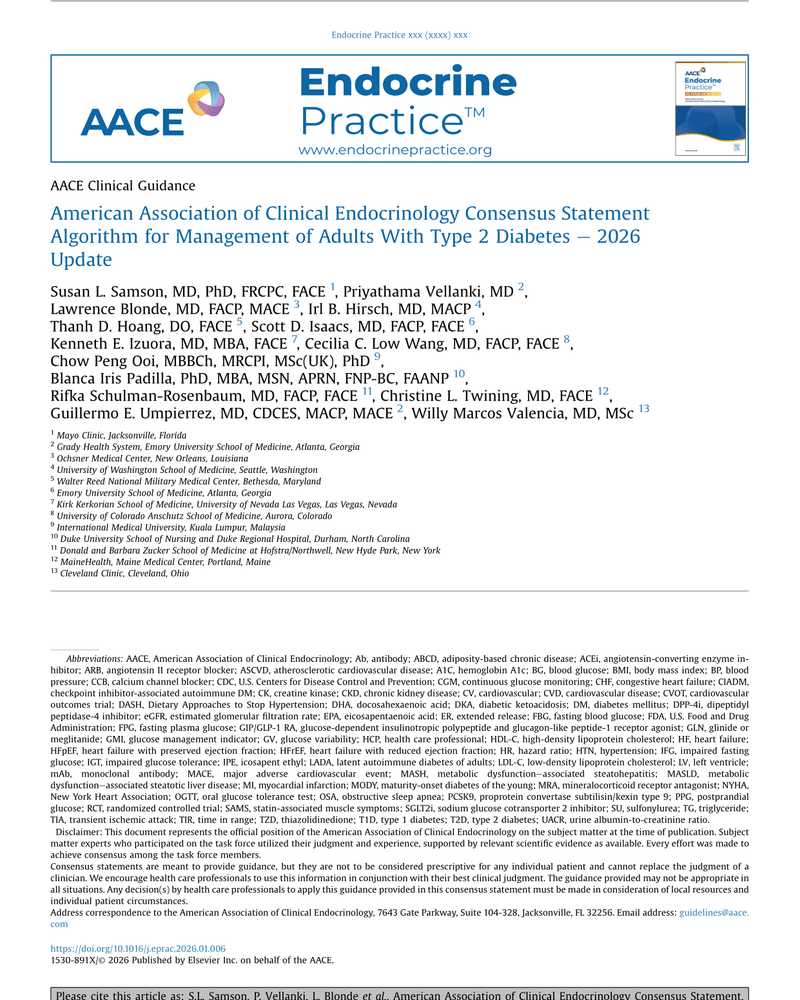
AMERICAN ASSOCIATION OF CLINICAL ENDOCRINOLOGY CONSENSUS STATEMENT ALGORITHM FOR MANAGEMENT OF ADULTS WITH TYPE 2 DIABETES — 2026 UPDATE
Same clinical topic · Endocrinology
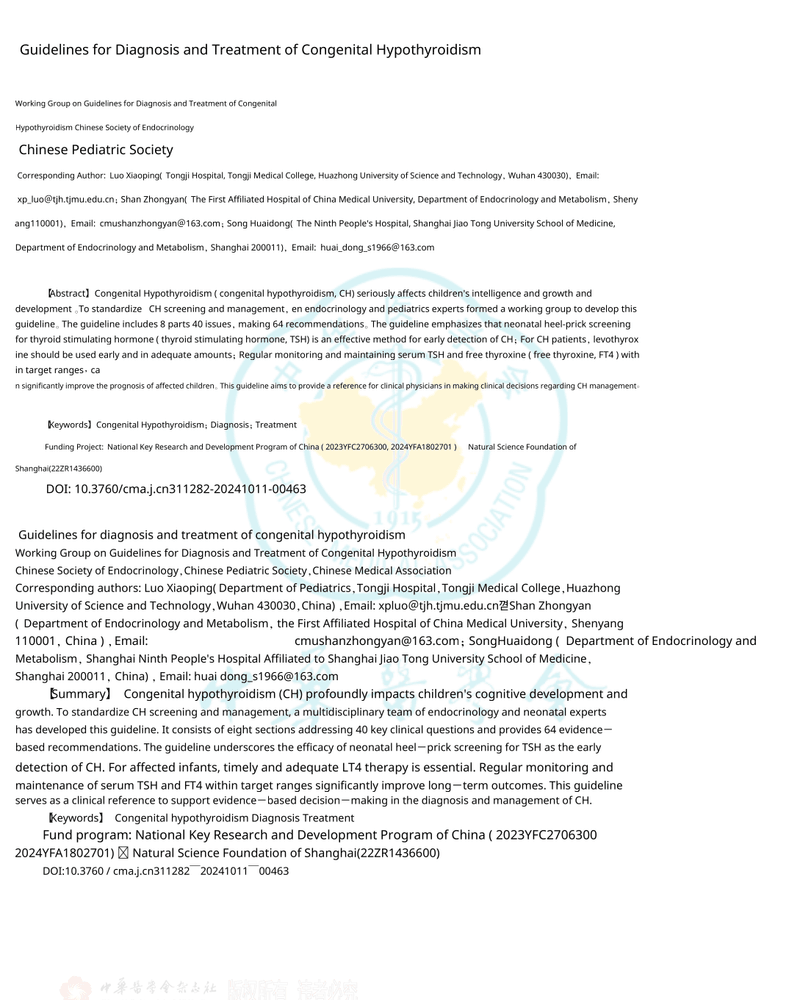
GUIDELINES FOR DIAGNOSIS AND TREATMENT OF CONGENITAL HYPOTHYROIDISM
Same clinical topic · Endocrinology
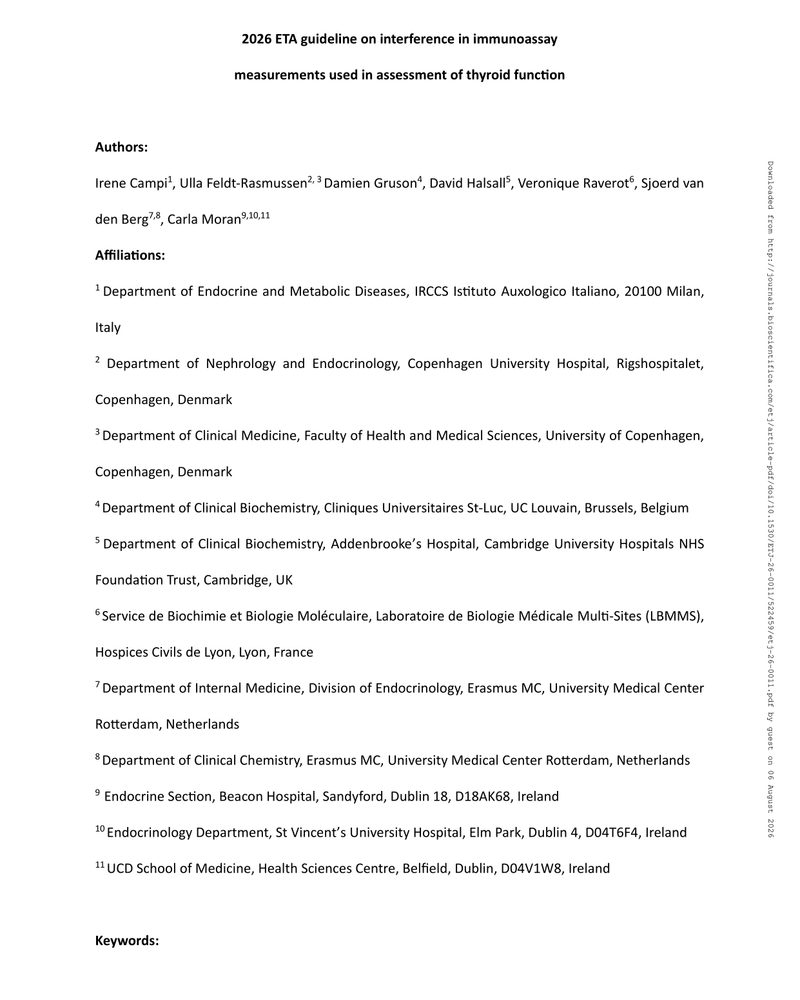
2026 ETA GUIDELINE ON INTERFERENCE IN IMMUNOASSAY MEASUREMENTS USED IN ASSESSMENT OF THYROID FUNCTION
Same clinical topic · Endocrinology
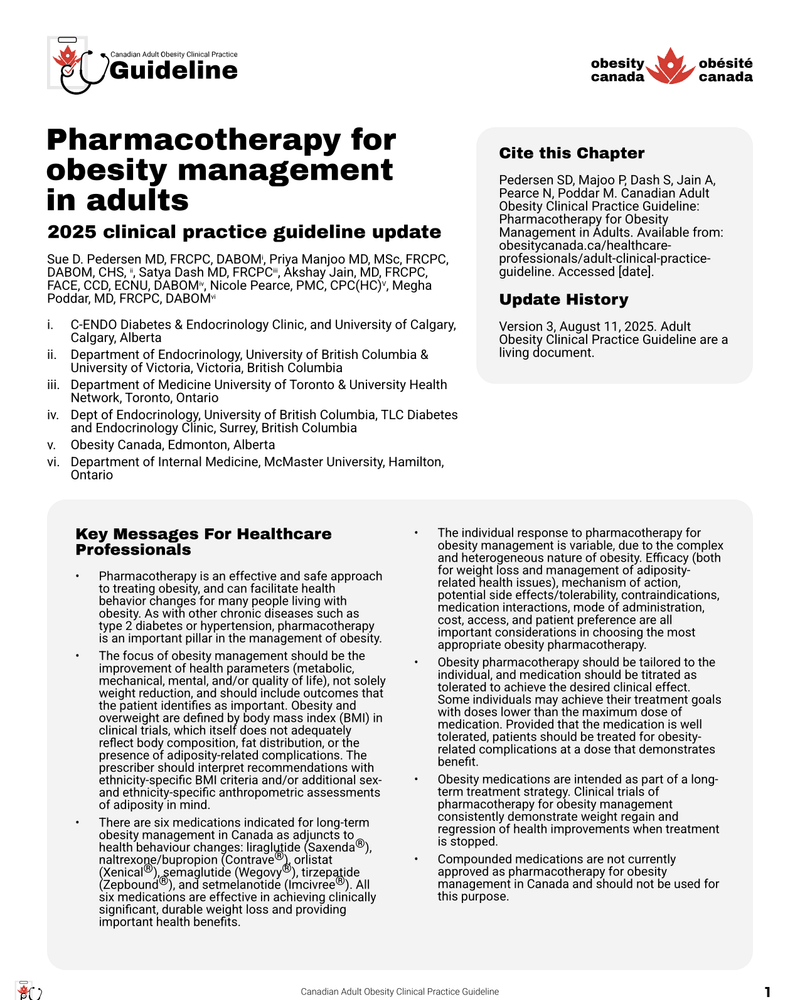
CANADIAN ADULT OBESITY CLINICAL PRACTICE GUIDELINE: PHARMACOTHERAPY FOR OBESITY MANAGEMENT IN ADULTS
Same clinical topic · Endocrinology
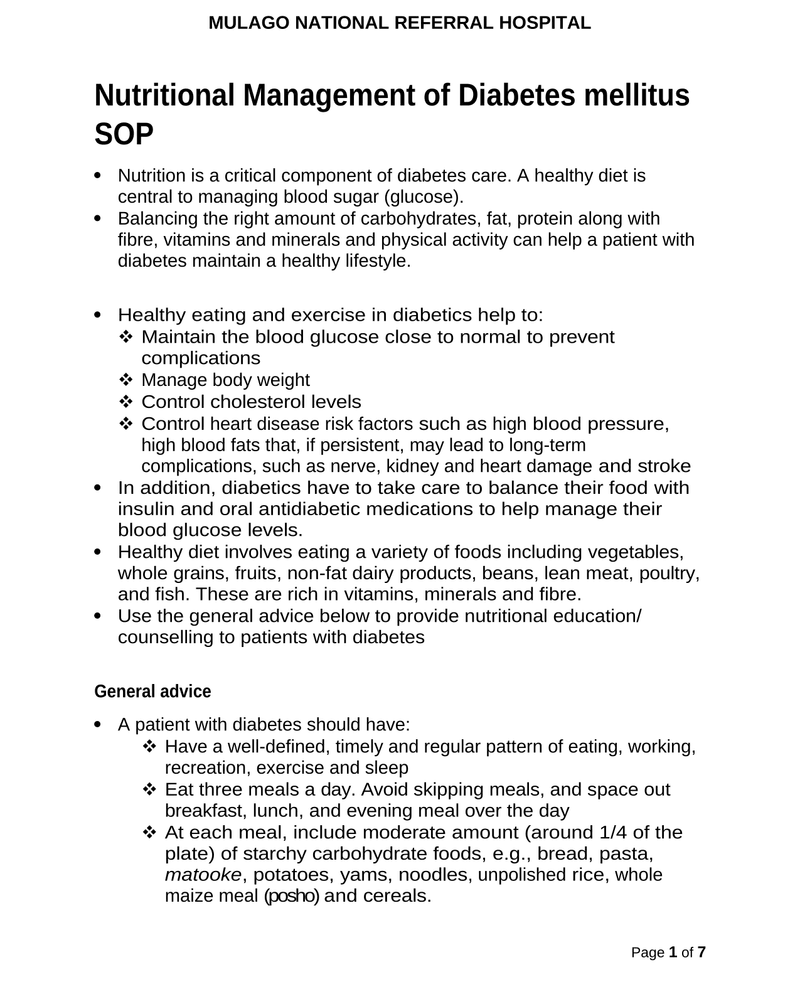
Nutritional Management of Diabetes SOP (2)
Same clinical topic · Endocrinology