Please wait while we open this resource.


K

Clinical reviews
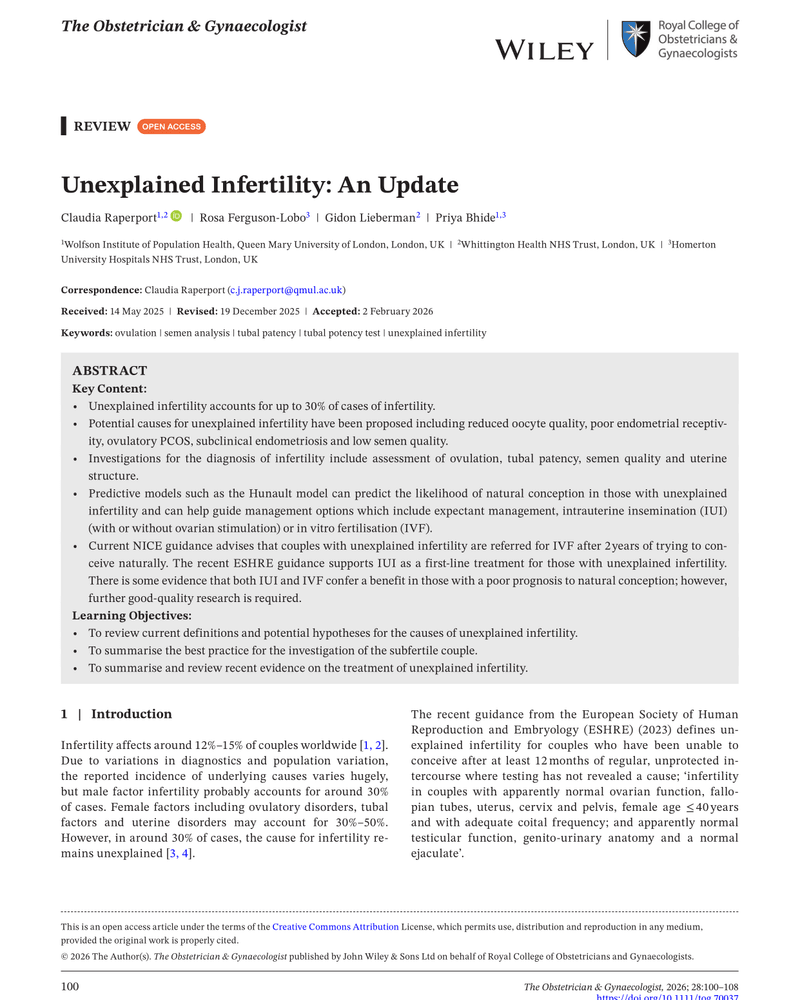
UNEXPLAINED INFERTILITY: AN UPDATE
Wolfson Institute of Population Health, Queen Mary University of London; Whittington Health NHS Trust; Homerton University Hospitals NHS Trust
PDF20269 pages273 KB
Unexplained infertility accounts for up to 30% of infertility cases, with various potential causes including reduced oocyte quality and low semen quality. The document reviews diagnostic investigations and predictive models that can guide management options such as expectant management, intrauterine insemination (IUI), and in vitro fertilization (IVF). Current guidelines from NICE and ESHRE are also discussed, emphasizing the importance of evidence-based treatment approaches for couples facing unexplained infertility.
Sign in to open
Ask this resource
Answers use this document only.
Your first question is free.
More like this
Resources from the same specialty and type. Curated links will replace these when added.
Clinical Resources
Documents that extend or complement this resource.
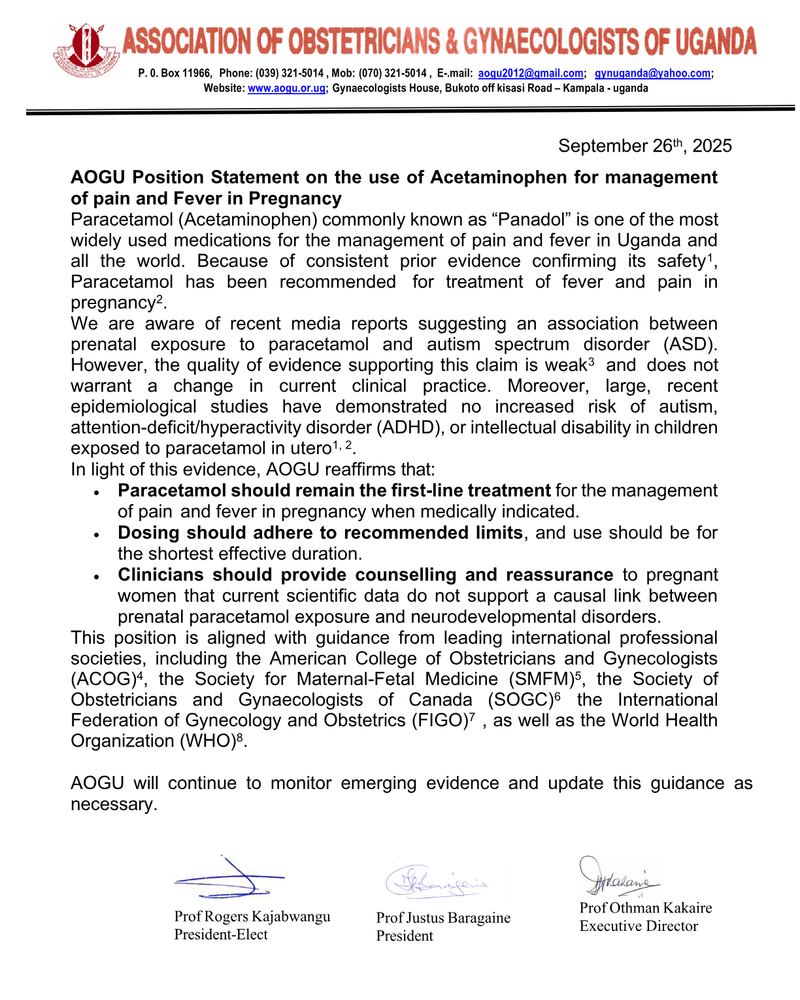
AOGU Position Statement on Acetaminophen Use in Pregnancy
Same clinical topic · Obstetrics and Gynecology
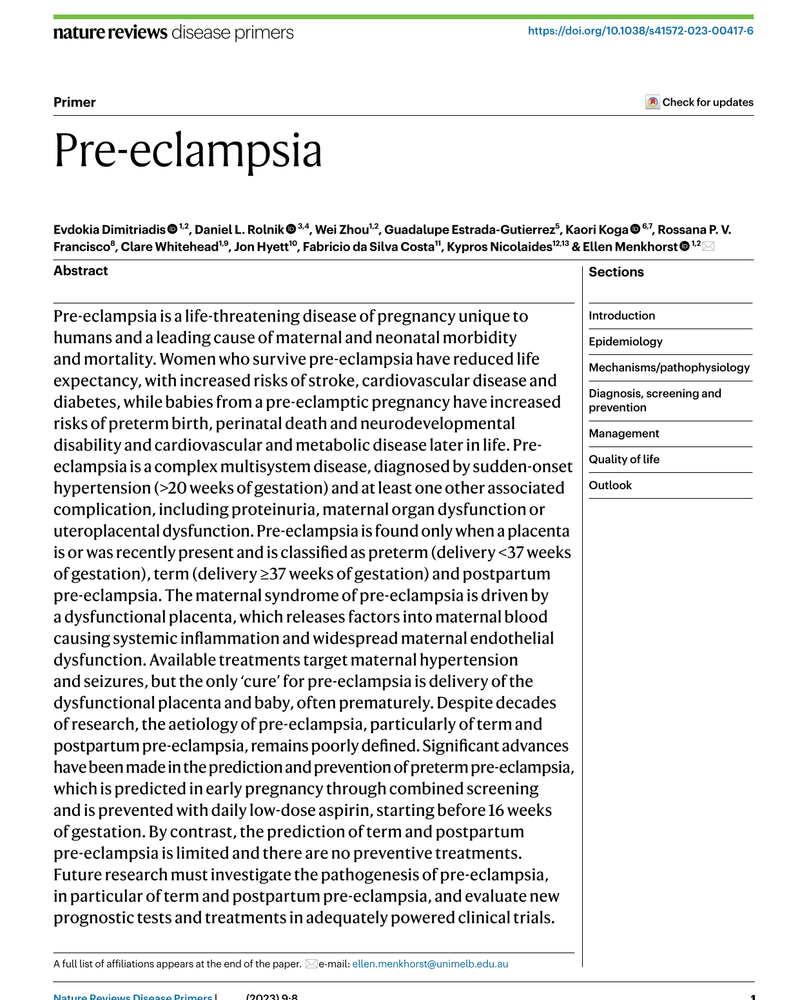
PRE-ECLAMPSIA
Same clinical topic · Obstetrics and Gynecology
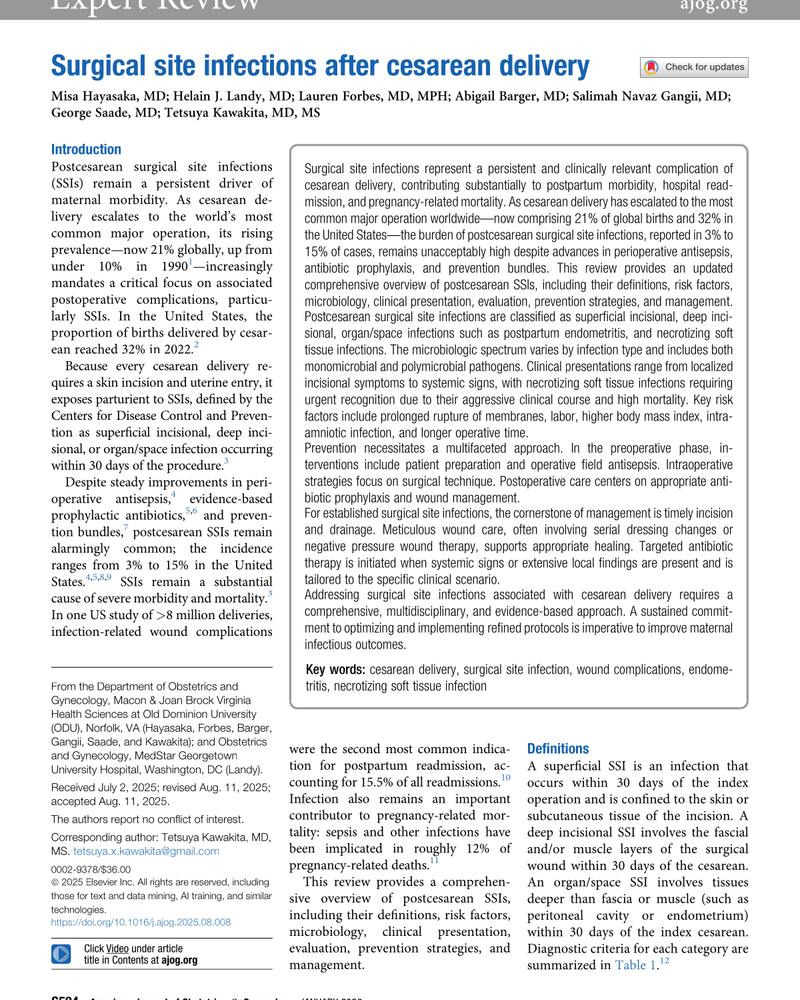
SURGICAL SITE INFECTIONS AFTER CESAREAN DELIVERY
Same clinical topic · Obstetrics and Gynecology
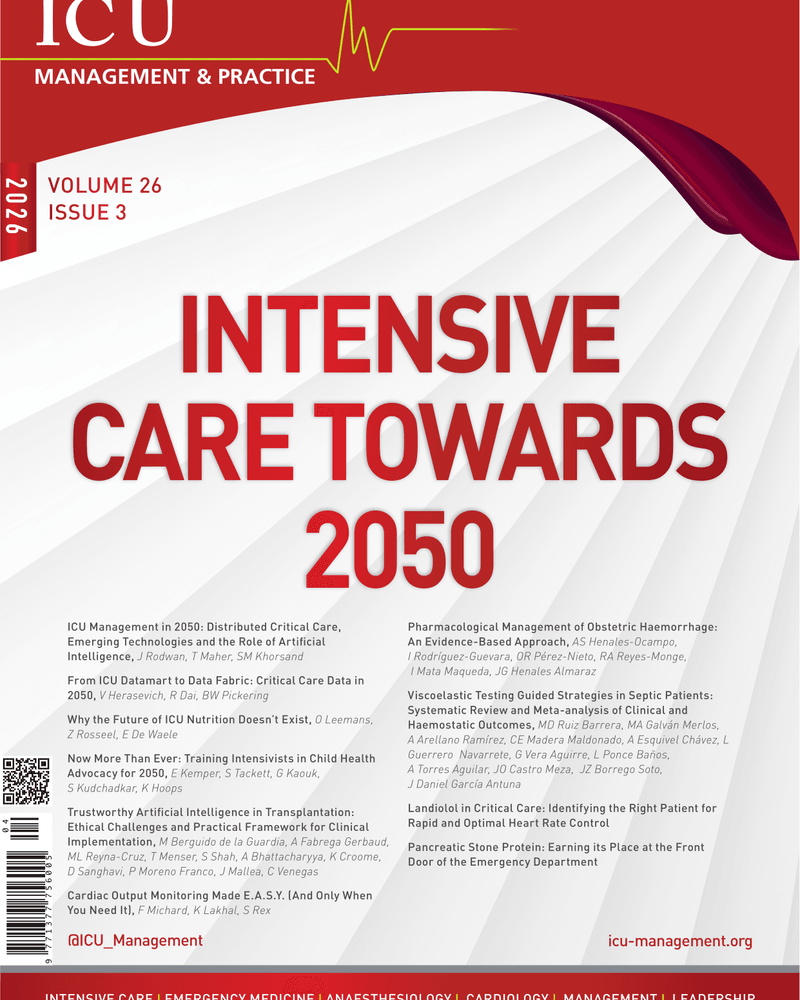
PHARMACOLOGICAL MANAGEMENT OF OBSTETRIC HAEMORRHAGE: AN EVIDENCE-BASED APPROACH
Same clinical topic · Obstetrics and Gynecology
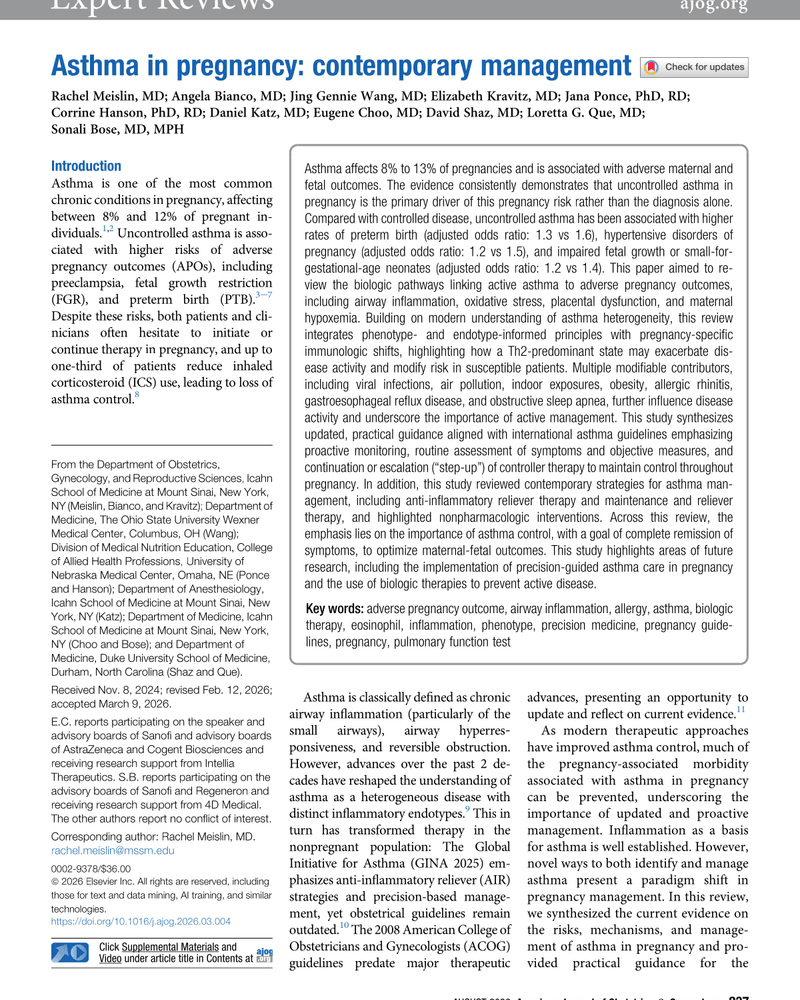
ASTHMA IN PREGNANCY: CONTEMPORARY MANAGEMENT
Same clinical topic · Obstetrics and Gynecology
MANAGEMENT OF POSTPARTUM HYPERTENSIVE DISORDERS OF PREGNANCY
Same clinical topic · Obstetrics and Gynecology
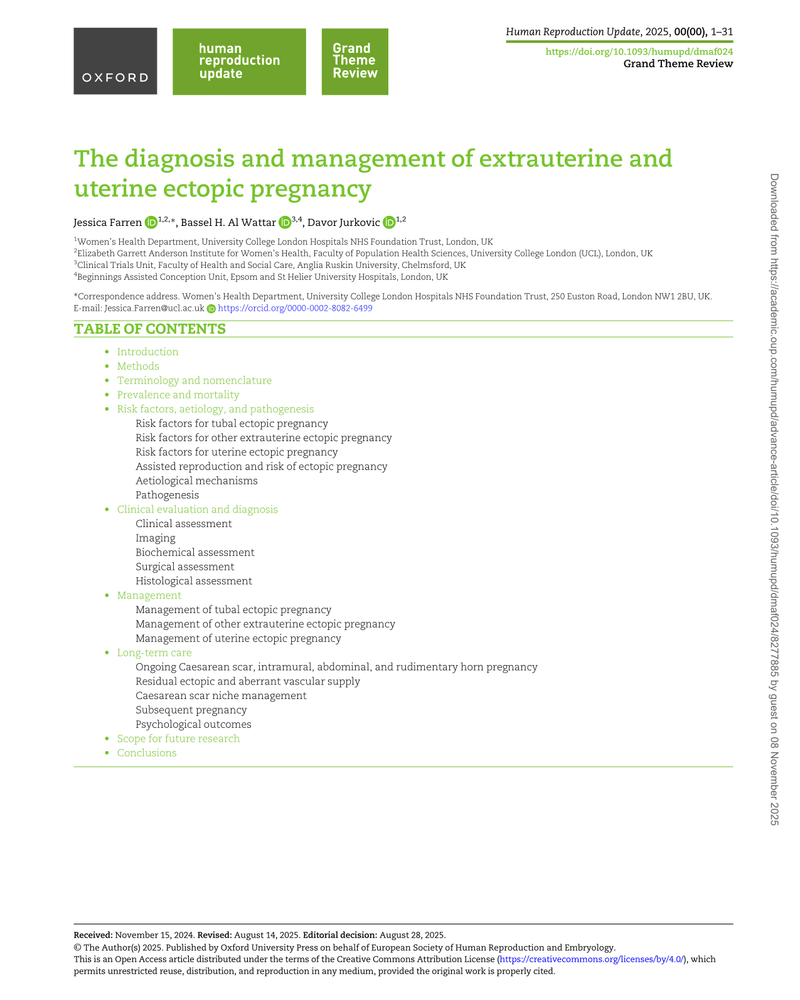
THE DIAGNOSIS AND MANAGEMENT OF EXTRAUTERINE AND UTERINE ECTOPIC PREGNANCY
Same clinical topic · Obstetrics and Gynecology
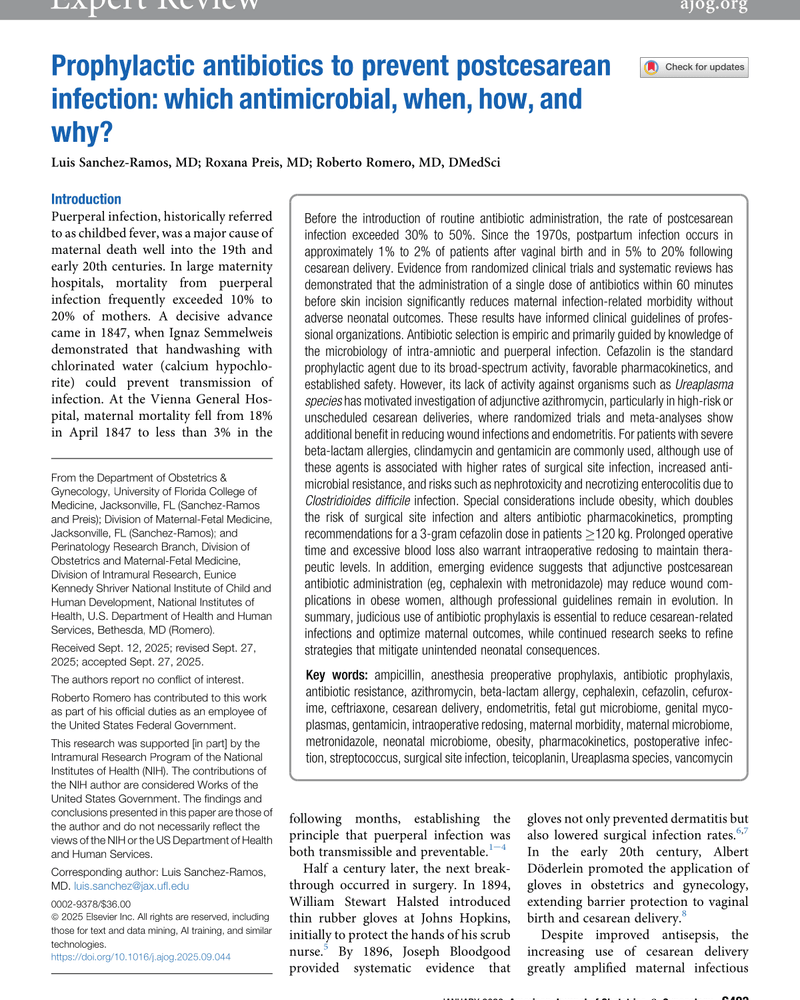
PROPHYLACTIC ANTIBIOTICS TO PREVENT POSTCESAREAN INFECTION: WHY? WHICH ANTIMICROBIAL, WHEN, HOW
Same clinical topic · Obstetrics and Gynecology
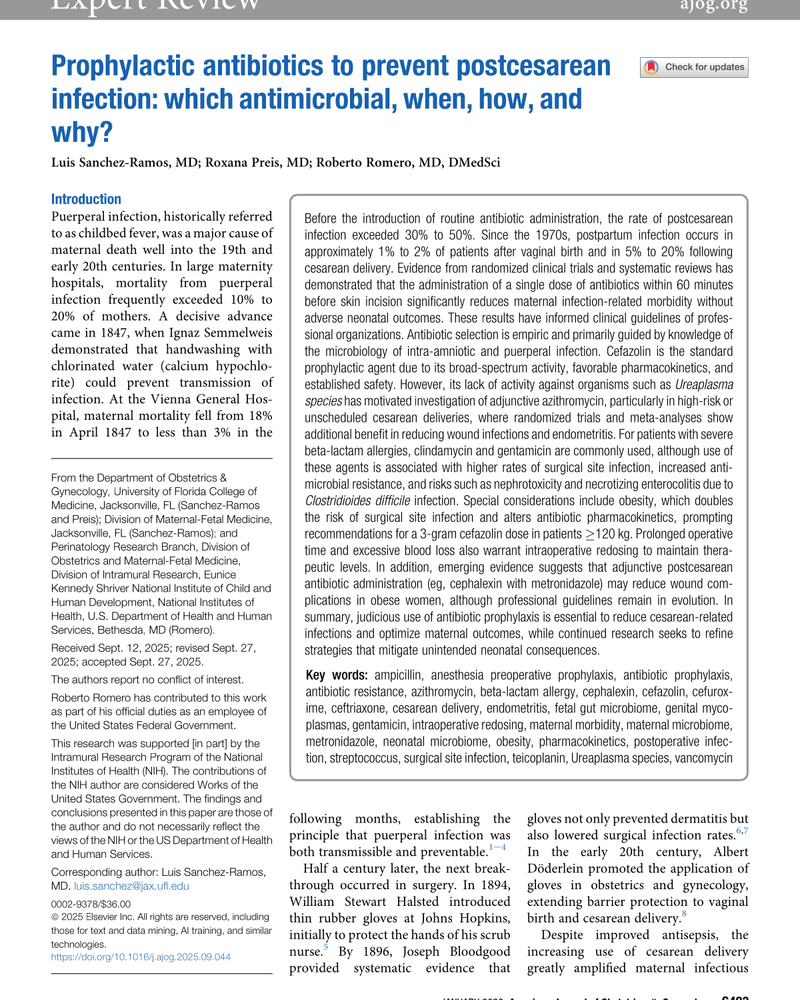
PROPHYLACTIC ANTIBIOTICS TO PREVENT POSTCESAREAN INFECTION: WHY? WHICH ANTIMICROBIAL, WHEN, HOW
Same clinical topic · Obstetrics and Gynecology