Please wait while we open this resource.


K

Clinical reviews
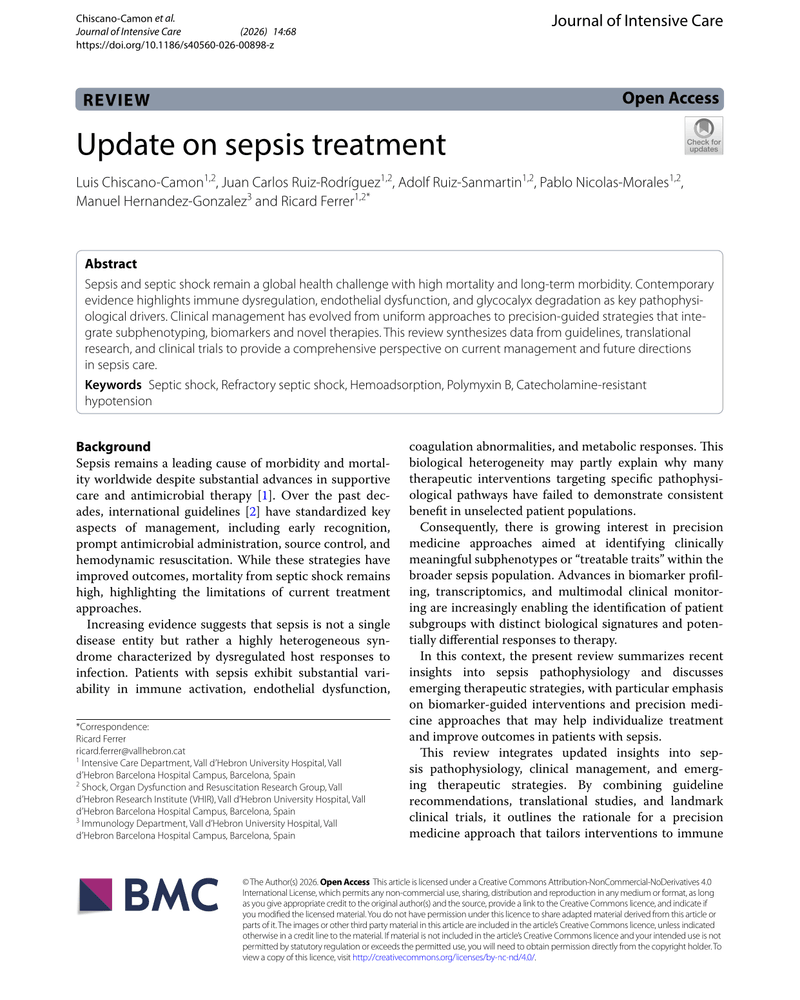
UPDATE ON SEPSIS TREATMENT
Journal of Intensive Care
PDF13 pages1.1 MB
Sepsis and septic shock remain a global health challenge with high mortality and long-term morbidity. Contemporary evidence highlights immune dysregulation, endothelial dysfunction, and biological heterogeneity as key factors in the management of sepsis. The document discusses the evolution of clinical management from uniform approaches to precision-guided strategies that integrate subphenotyping, biomarkers, and novel therapies. It aims to provide insights into the latest advancements and recommendations for effective sepsis treatment.
Sign in to open
Ask this resource
Answers use this document only.
Your first question is free.
More like this
Resources from the same specialty and type. Curated links will replace these when added.
Clinical Resources
Documents that extend or complement this resource.
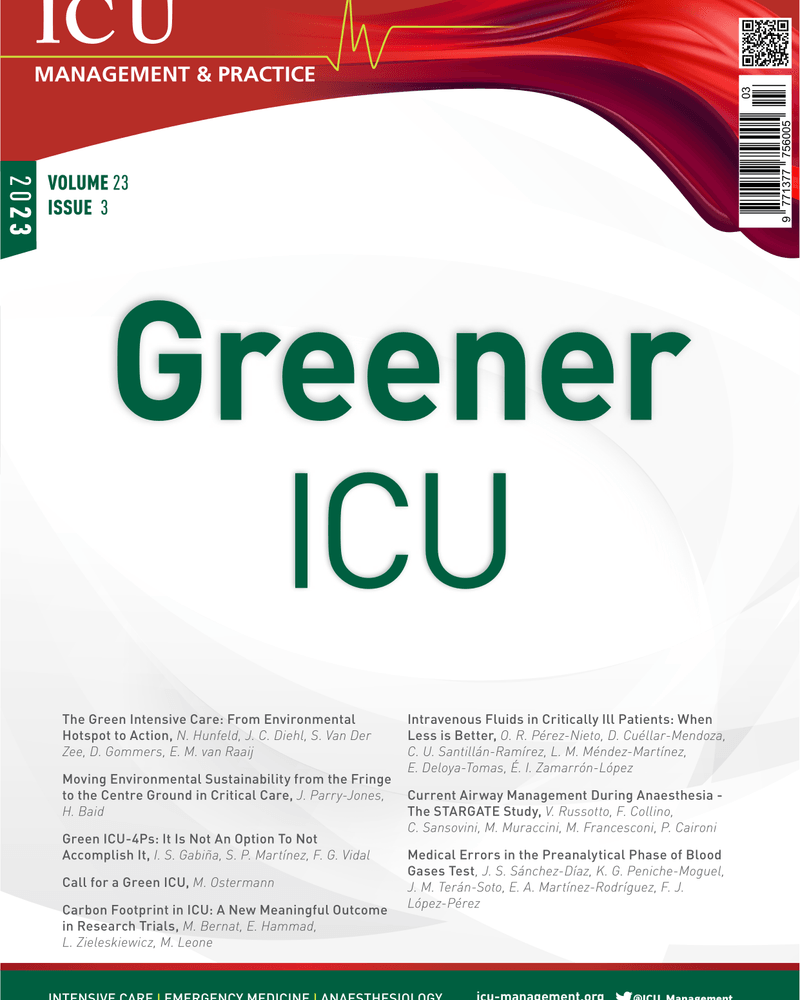
INTRAVENOUS FLUIDS IN CRITICALLY ILL PATIENTS: WHEN LESS IS BETTER
Same clinical topic · Intensive Care
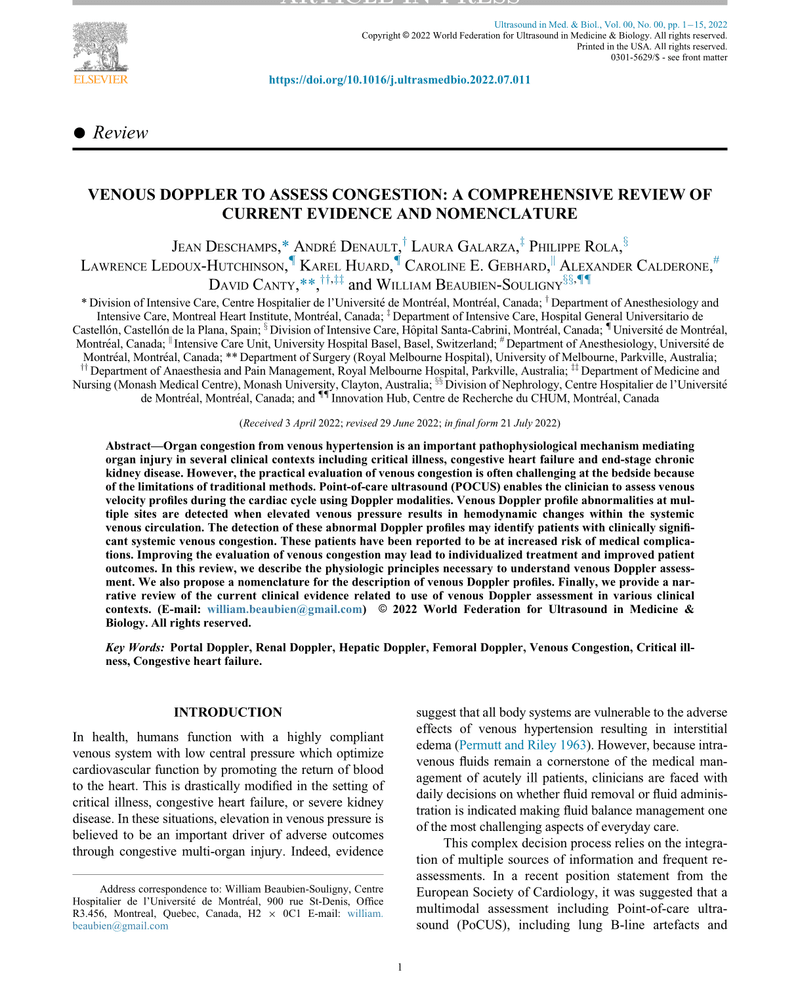
VENOUS DOPPLER TO ASSESS CONGESTION: A COMPREHENSIVE REVIEW OF CURRENT EVIDENCE AND NOMENCLATURE
Same clinical topic · Intensive Care
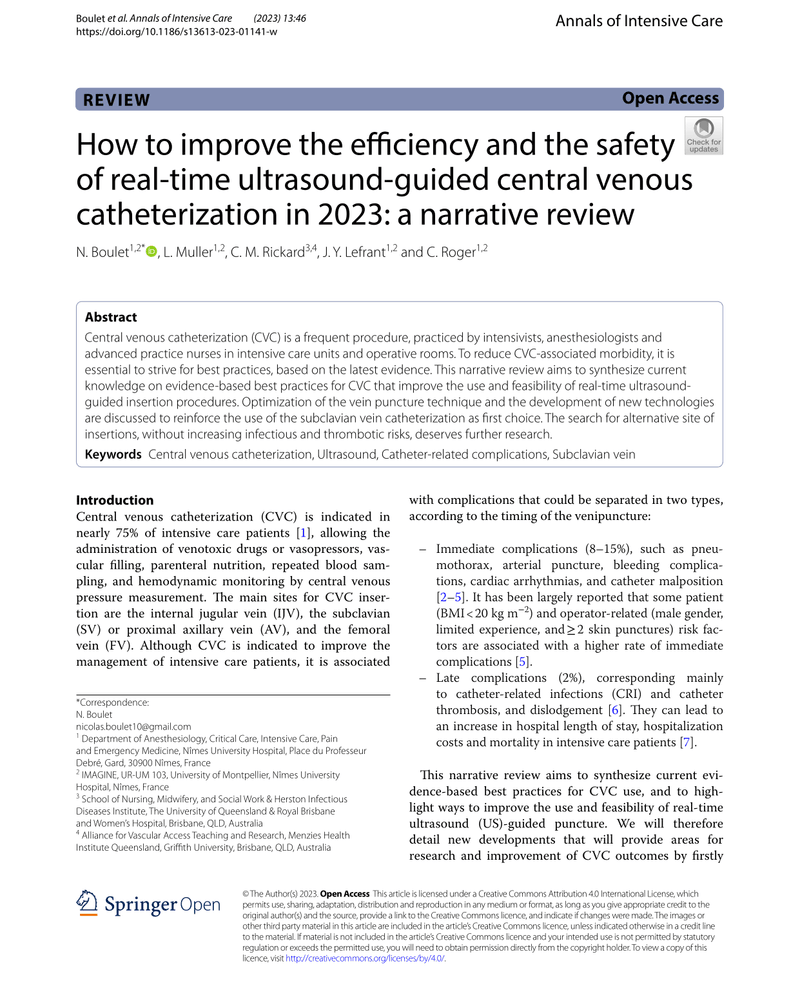
HOW TO IMPROVE THE EFFICIENCY AND THE SAFETY OF REAL - TIME ULTRASOUND - GUIDED CENTRAL VENOUS CATHETERIZATION IN 2023: A NARRATIVE REVIEW
Same clinical topic · Intensive Care
WHAT'S NEW IN INTENSIVE CARE
Same clinical topic · Intensive Care

CURRENT PRACTICE AND EVOLVING CONCEPTS IN SEPTIC SHOCK RESUSCITATION
Same clinical topic · Intensive Care

ANTIBIOTICS MUST BE PART OF END-OF-LIFE DECISIONS: A NECESSARY EVIL?
Same clinical topic · Intensive Care
Unnecessary fluid therapy in patients with shock Five classic fluid
Same clinical topic · Intensive Care
ABC of Intensive Care
Same clinical topic · Intensive Care

Traumatic Brain Injury
Same resource type · Neurology