Preparing your experience, please wait…


K

Clinical reviews
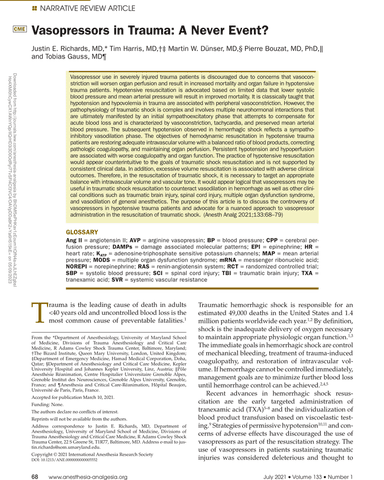
VASOPRESSORS IN TRAUMA: A NEVER EVENT?
Justin E. Richards, MD, Tobias Gauss, MD, Tim Harris, MD
PDF12 pages1.5 MB
The article reviews the complex pathophysiology of traumatic shock and the implications of vasopressor use in trauma resuscitation. It argues against the conventional use of hypotensive resuscitation, suggesting that it may not align with the goals of restoring adequate organ perfusion and correcting coagulopathy. The authors emphasize the importance of targeting an appropriate balance in intravascular volume and vascular tone during resuscitation efforts.
No account needed
Discuss clinical evidence & guidelines
Examine in Ask OslerAsk this resource
Answers from this document onlyHaemorrhagic Shock: Preserved Blood Pressure Can Mask Early Blood Loss
“It is classically taught that hypotension and hypovolemia in trauma are associated with peripheral vasoconstriction. However, the pathophysiology of traumatic shock is complex and involves multiple neurohormonal interactions that are ultimately manifested by an initial sympathoexcitatory phase that attempts to compensate for acute blood loss and is characterized by vasoconstriction, tachycardia, and preserved mean arterial blood pressure. The subsequent hypotension observed in hemorrhagic shock reflects a sympatho inhibitory vasodilation phase.”
More like this
Resources from the same specialty and type. Curated links will replace these when added.
Clinical Resources
Documents that extend or complement this resource.
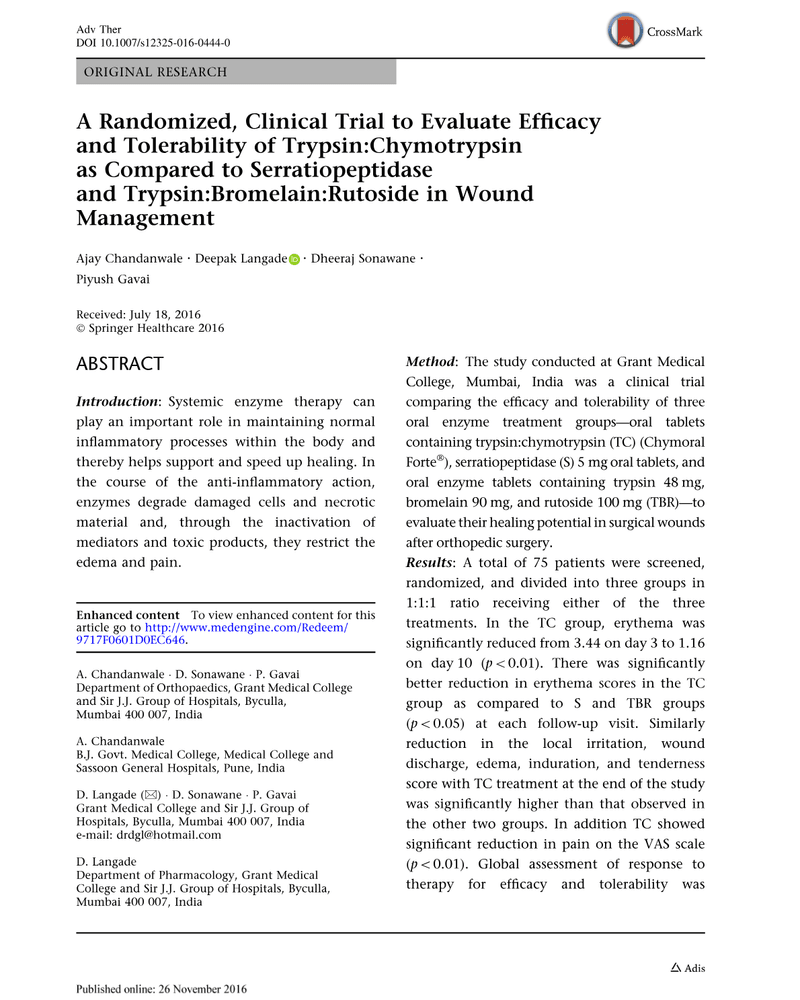
Oral Enzymes for Wound Healing After Orthopedic Surgery
Same clinical topic · Surgery
EXERTIONAL HEAT ILLNESS: A CLINICAL AND EVIDENCE-BASED GUIDE
Same clinical topic · Surgery
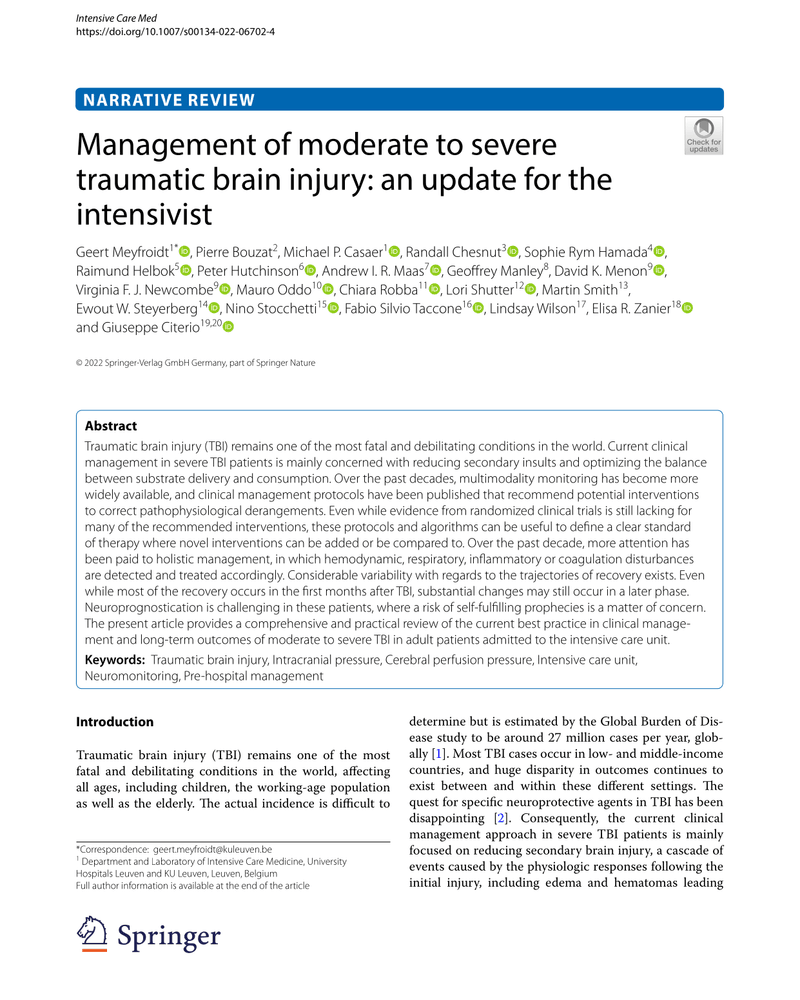
MANAGEMENT OF MODERATE TO SEVERE TRAUMATIC BRAIN INJURY: AN UPDATE FOR THE INTENSIVIST
Same clinical topic · Surgery
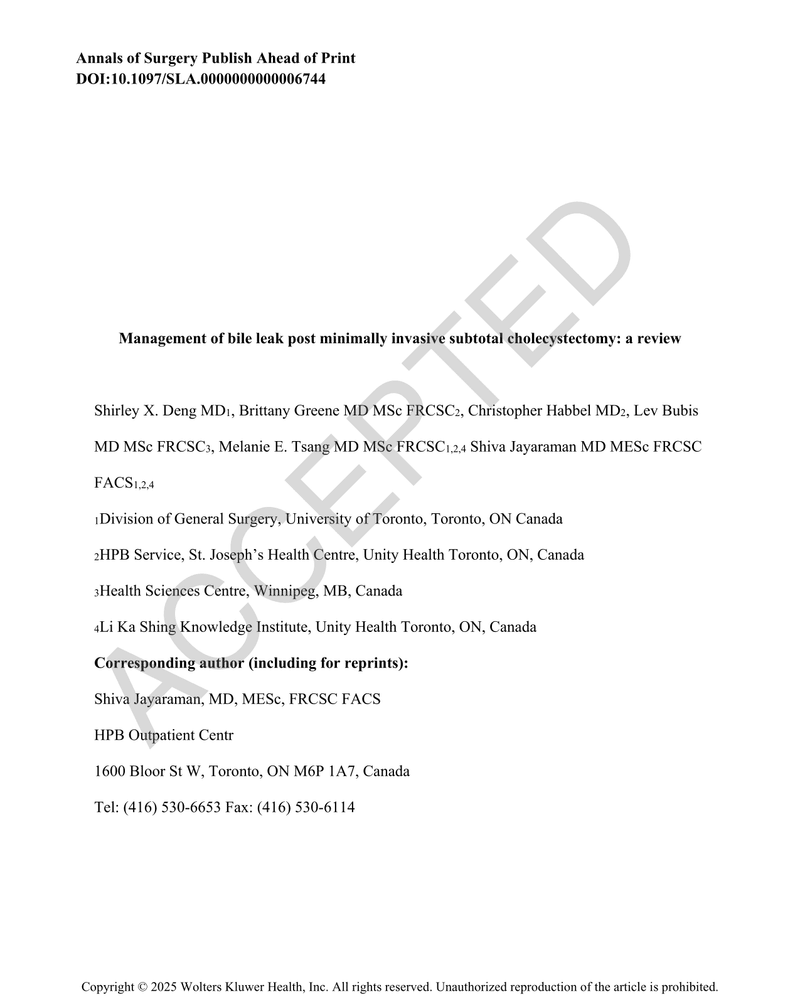
MANAGEMENT OF BILE LEAK POST MINIMALLY INVASIVE SUBTOTAL CHOLECYSTECTOMY: A REVIEW
Same clinical topic · Surgery
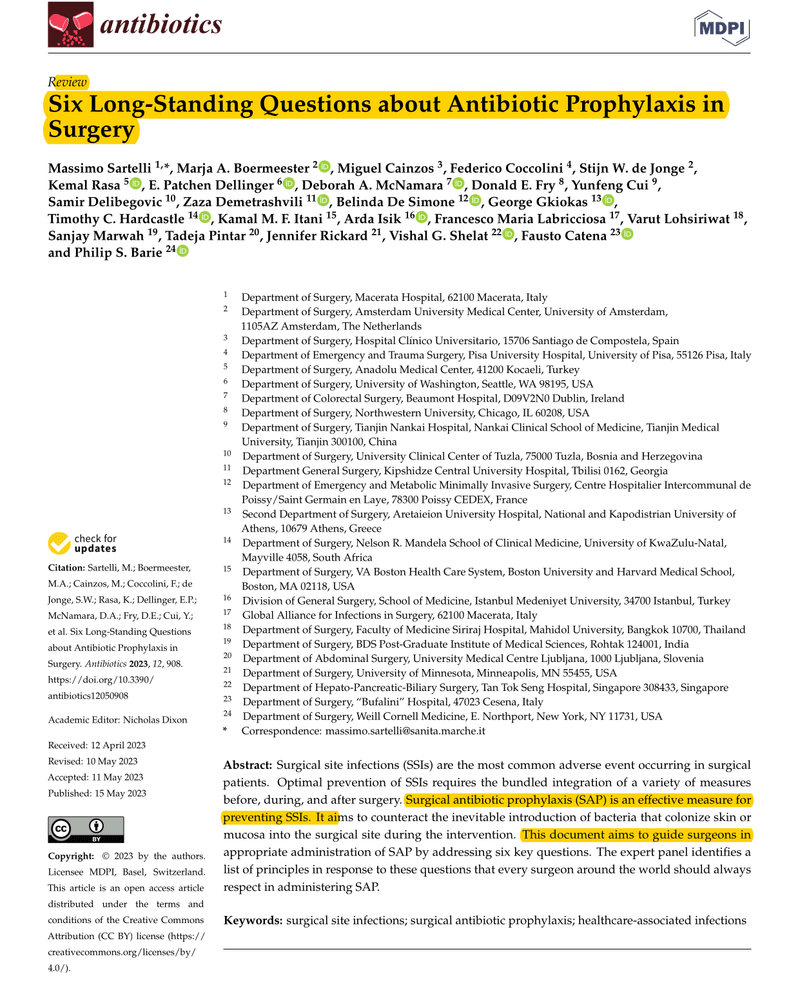
SIX LONG-STANDING QUESTIONS ABOUT ANTIBIOTIC PROPHYLAXIS IN SURGERY
Same clinical topic · Surgery
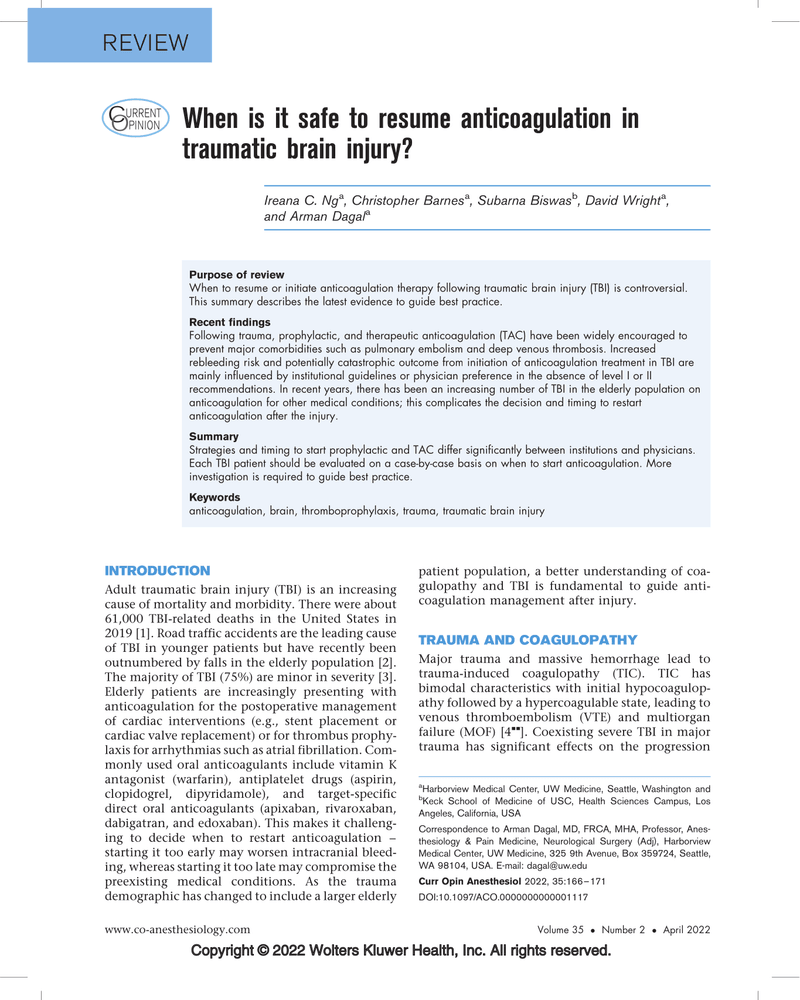
WHEN IS IT SAFE TO RESUME ANTICOAGULATION IN TRAUMATIC BRAIN INJURY?
Same clinical topic · Surgery
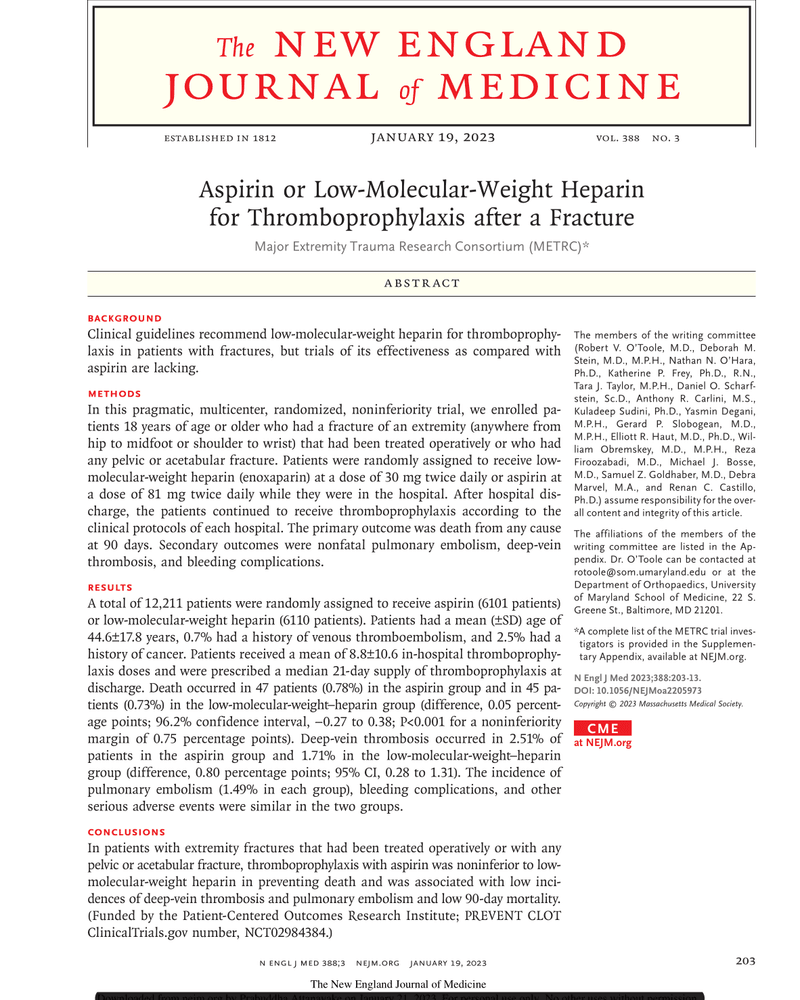
ASPIRIN OR LOW-MOLECULAR-WEIGHT HEPARIN FOR THROMBOPROPHYLAXIS AFTER A FRACTURE
Same clinical topic · Surgery
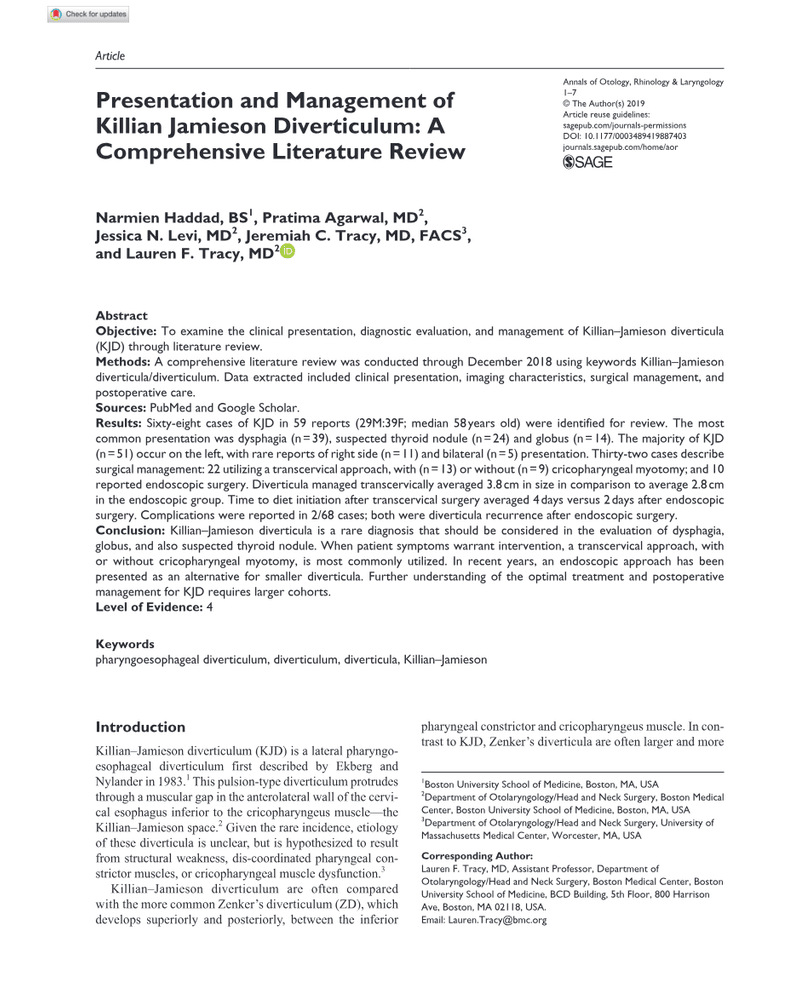
PRESENTATION AND MANAGEMENT OF KILLIAN JAMIESON DIVERTICULUM: A COMPREHENSIVE LITERATURE REVIEW
Same clinical topic · Surgery
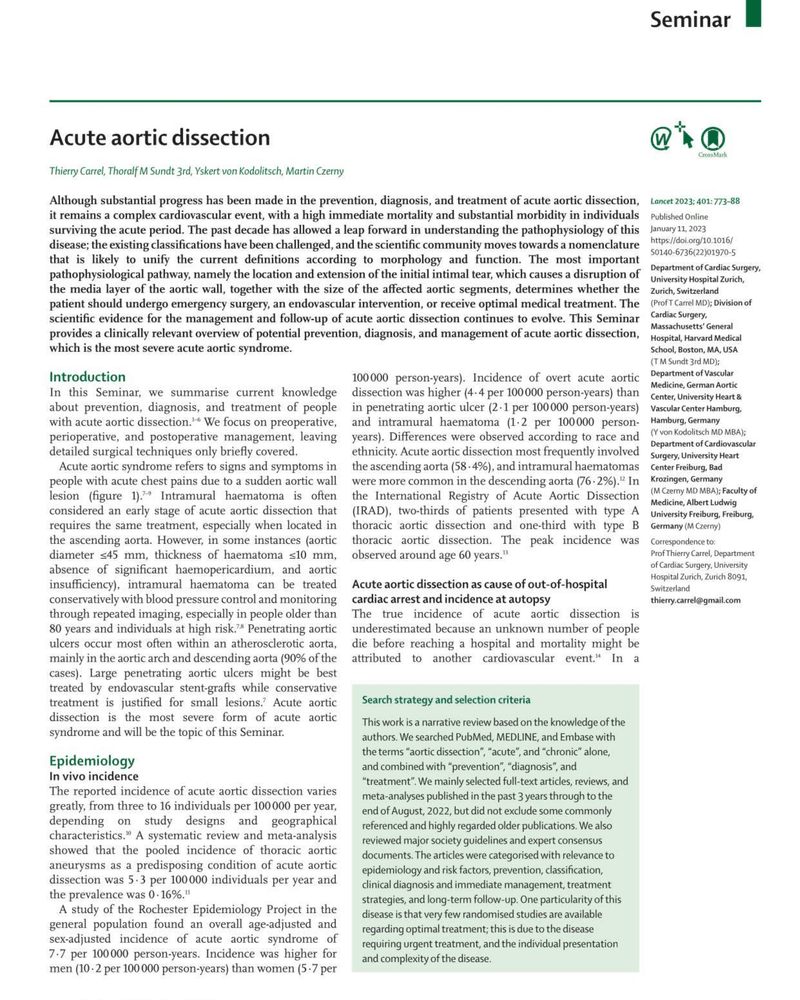
ACUTE AORTIC DISSECTION
Same clinical topic · Surgery