Please wait while we open this resource.


K

Guidelines & protocols
WHO Guidelines for Malaria
World Health Organization
PDF2025478 pages2.4 MB
These guidelines synthesize the latest evidence on malaria chemoprevention strategies, including intermittent preventive treatment in school‑aged children (IPTsc) and considerations for vulnerable age groups. They address drug resistance concerns, safety in pregnancy, and appropriate antimalarial regimens. The document also outlines protocols for testing and treatment at points of entry to reduce importation of malaria, emphasizing multisectoral collaboration. Implementation guidance is provided for national malaria programmes, with attention to resource allocation and monitoring. The guidelines are intended for public health authorities, clinicians, and program managers working to control and eliminate malaria.
No account needed
Ask this resource
Answers use this document only.
More like this
Resources from the same specialty and type. Curated links will replace these when added.
Clinical Resources
Documents that extend or complement this resource.
2026 WHO Malaria Guideline
Same clinical topic · Infectious Diseases
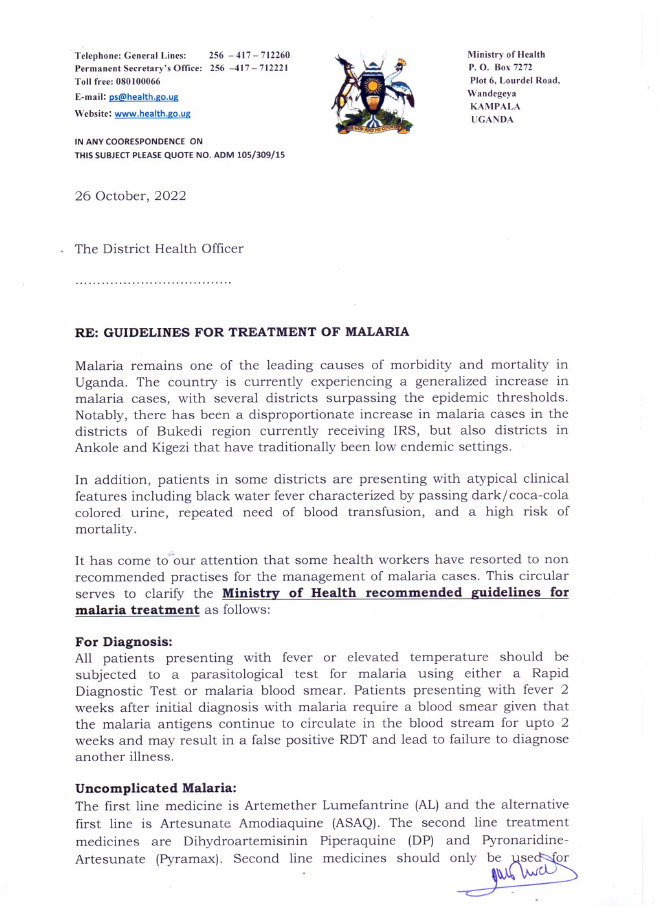
Updated Malaria Treatment Guidelines
Same clinical topic · Infectious Diseases
Guidelines for the management of asymptomatic sexually transmitted infections
Same clinical topic · Infectious Diseases
National Antiretroviral Treatment Guidelines
Same clinical topic · Infectious Diseases
Uganda Malaria Control Program Guidelines 2022
Same clinical topic · Infectious Diseases
Uganda National TB and Leprosy Control Programme Manual
Same clinical topic · Infectious Diseases
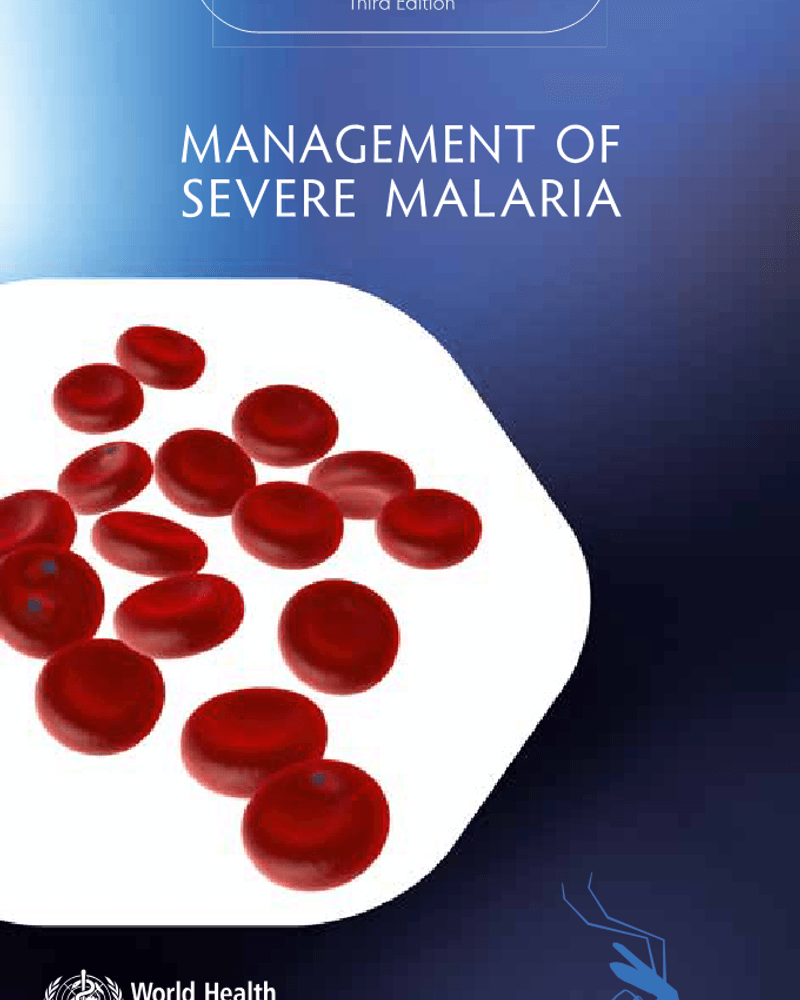
Management of severe malaria: a practical handbook
Same clinical topic · Infectious Diseases
Uganda Hepatitis B and C Guidelines
Same clinical topic · Infectious Diseases
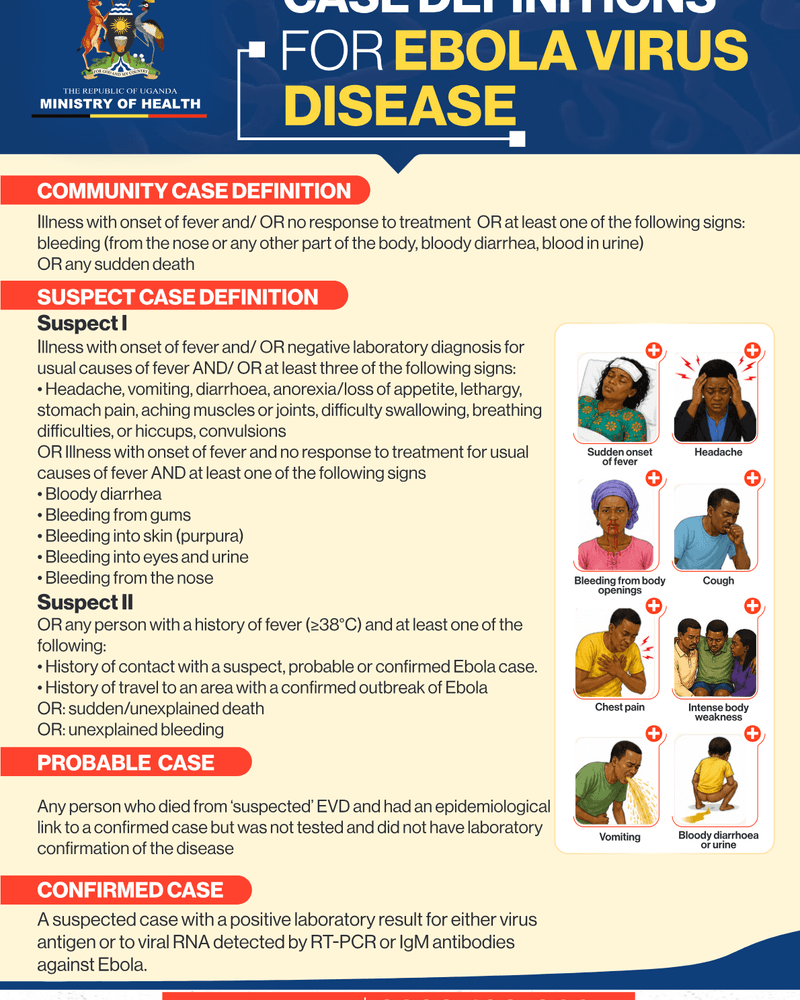
Ebola Virus Disease Case Definitions
Same clinical topic · Infectious Diseases