Please wait while we open this resource.


K

Clinical reviews
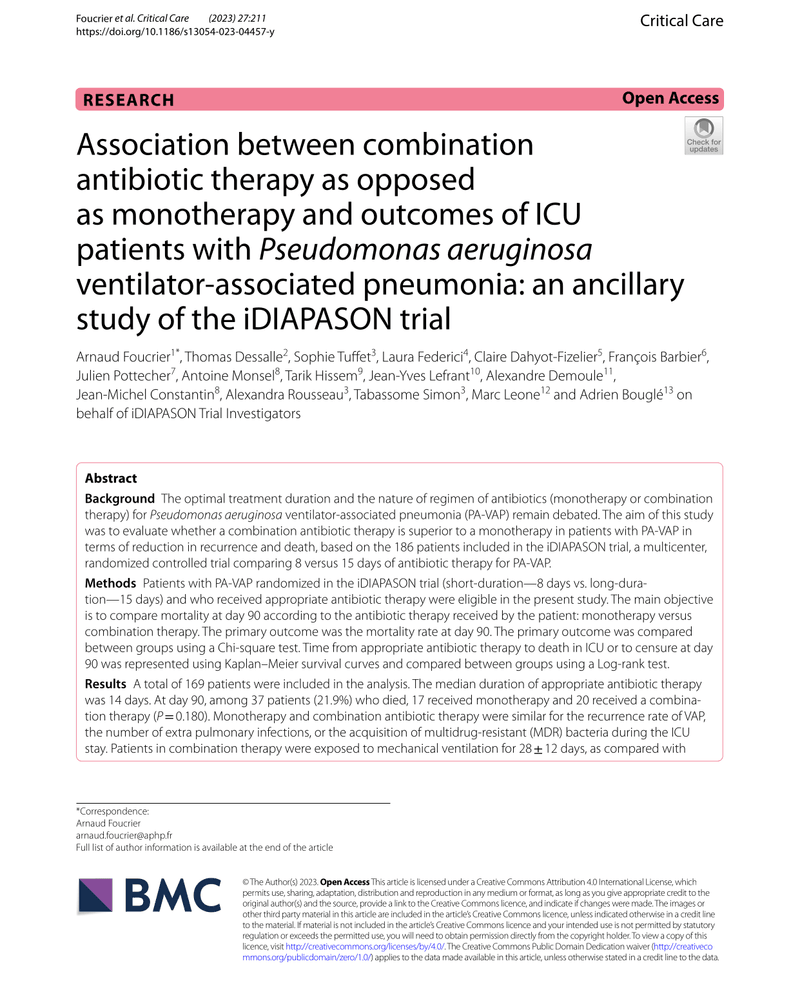
ASSOCIATION BETWEEN COMBINATION ANTIBIOTIC THERAPY AS OPPOSED TO MONOTHERAPY AND OUTCOMES OF ICU PATIENTS WITH PSEUDOMONAS AERUGINOSA VENTILATOR-ASSOCIATED PNEUMONIA: AN ANCILLARY STUDY OF THE IDIAPASON TRIAL
null
PDF20239 pages1.2 MB
The research investigates the optimal treatment duration and regimen for PA-VAP, a condition that poses significant challenges in intensive care units. It analyzes data from the iDIAPASON trial, which compared short (8 days) and long (15 days) antibiotic therapy durations. The primary outcome assessed is the mortality rate at day 90, comparing outcomes between patients receiving monotherapy and those on combination therapy. The findings aim to inform clinical practices regarding antibiotic treatment strategies for PA-VAP.
Sign in to open
Ask this resource
Answers use this document only.
Your first question is free.
More like this
Resources from the same specialty and type. Curated links will replace these when added.
Clinical Resources
Documents that extend or complement this resource.
LEFT VENTRICULAR-ARTERIAL COUPLING IN SEPTIC SHOCK: A PHYSIOLOGICAL REVIEW
Same clinical topic · Critical Care
CENTRAL VENOUS PRESSURE REVISITED: PHYSIOLOGY, PITFALLS, MISCONCEPTIONS, AND MODERN CLINICAL INTERPRETATION IN CRITICAL CARE
Same clinical topic · Critical Care
HOW I PERSONALIZE FLUID THERAPY IN SEPTIC SHOCK?
Same clinical topic · Critical Care
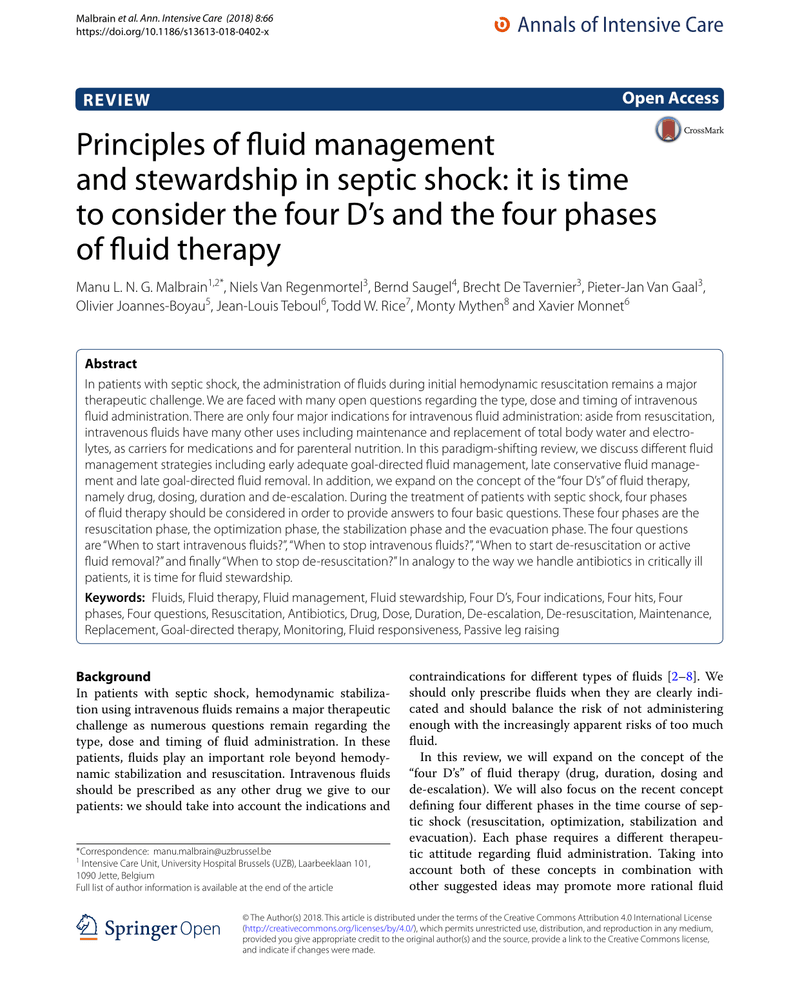
PRINCIPLES OF FLUID MANAGEMENT
Same clinical topic · Critical Care
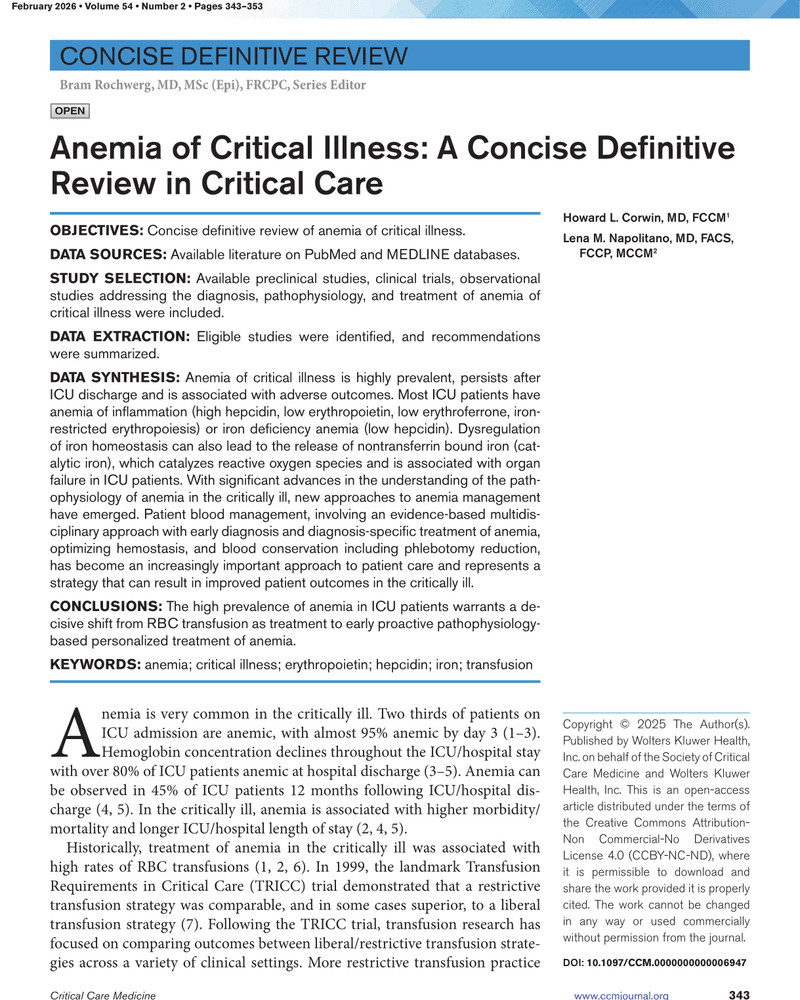
ANEMIA OF CRITICAL ILLNESS: A CONCISE DEFINITIVE REVIEW IN CRITICAL CARE
Same clinical topic · Critical Care
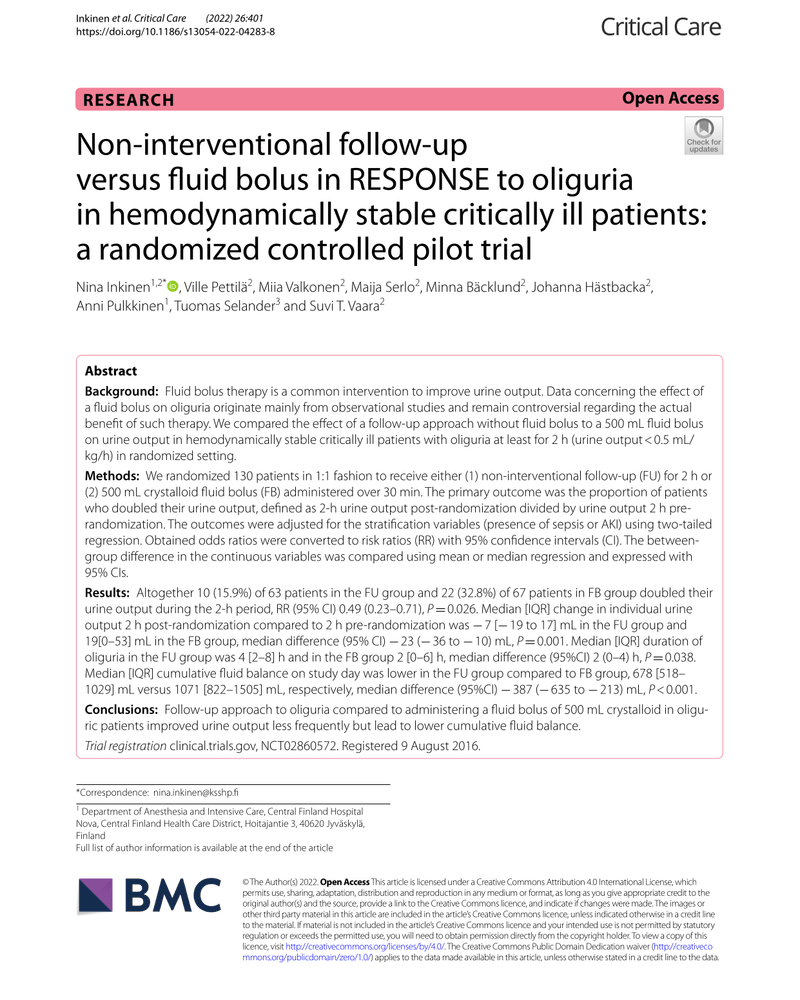
NON-INTERVENTIONAL FOLLOW-UP VERSUS FLUID BOLUS IN RESPONSE TO OLIGURIA IN HEMODYNAMICALLY STABLE CRITICALLY ILL PATIENTS: A RANDOMIZED CONTROLLED PILOT TRIAL
Same clinical topic · Critical Care
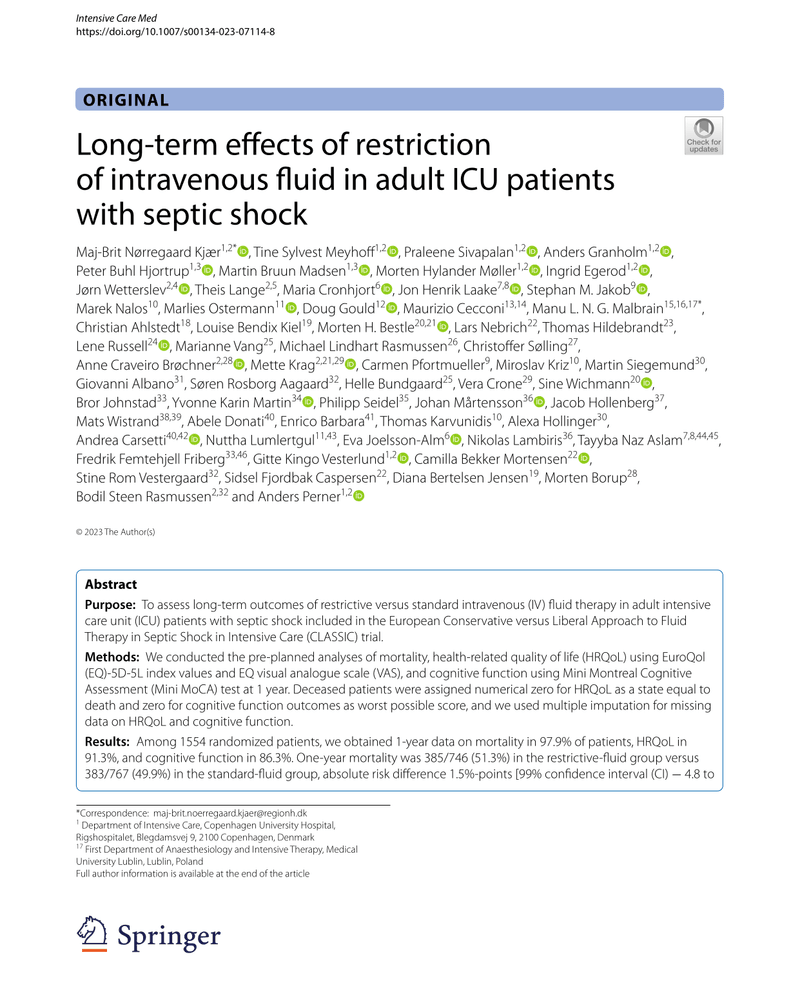
LONG-TERM EFFECTS OF RESTRICTION OF INTRAVENOUS FLUID IN ADULT ICU PATIENTS WITH SEPTIC SHOCK
Same clinical topic · Critical Care
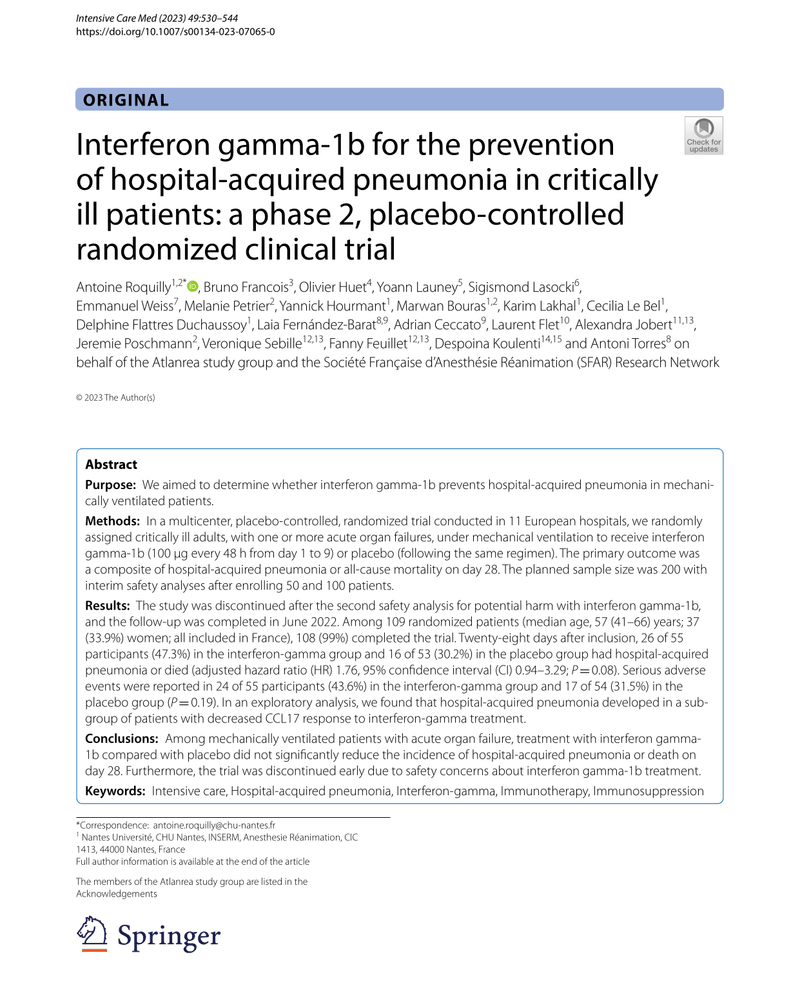
INTERFERON GAMMA - 1B FOR THE PREVENTION OF HOSPITAL - ACQUIRED PNEUMONIA IN CRITICALLY ILL PATIENTS: A PHASE 2, PLACEBO - CONTROLLED RANDOMIZED CLINICAL TRIAL
Same clinical topic · Critical Care
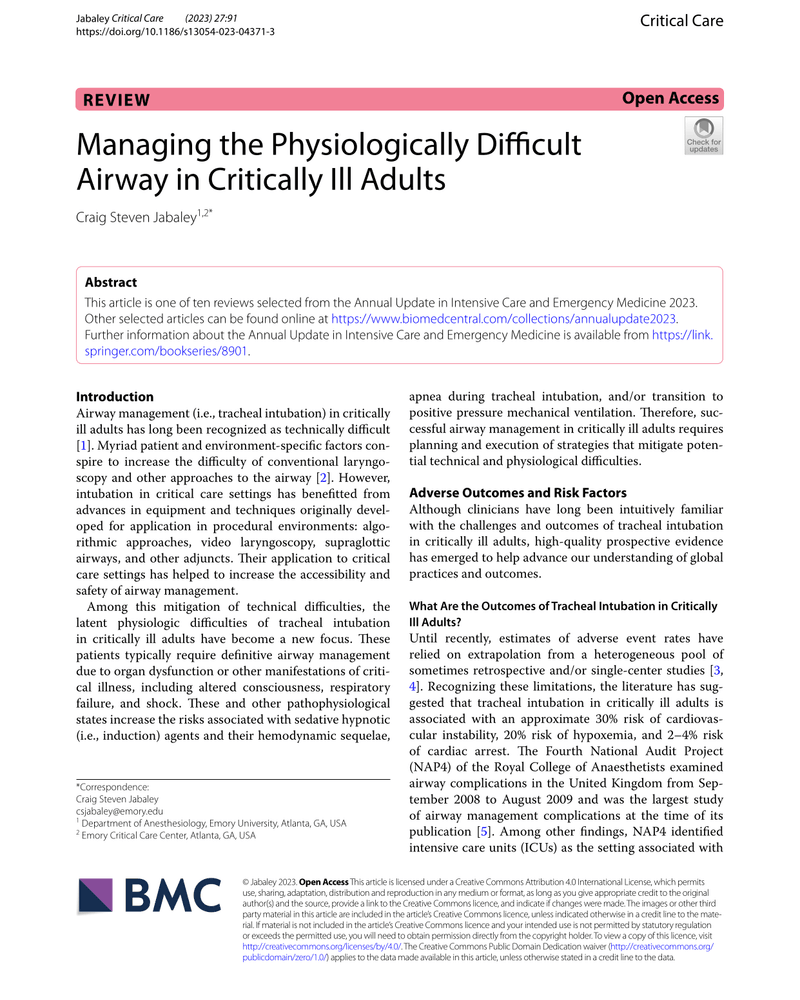
MANAGING THE PHYSIOLOGICALLY DIFFICULT AIRWAY IN CRITICALLY ILL ADULTS
Same clinical topic · Critical Care