Please wait while we open this resource.


K

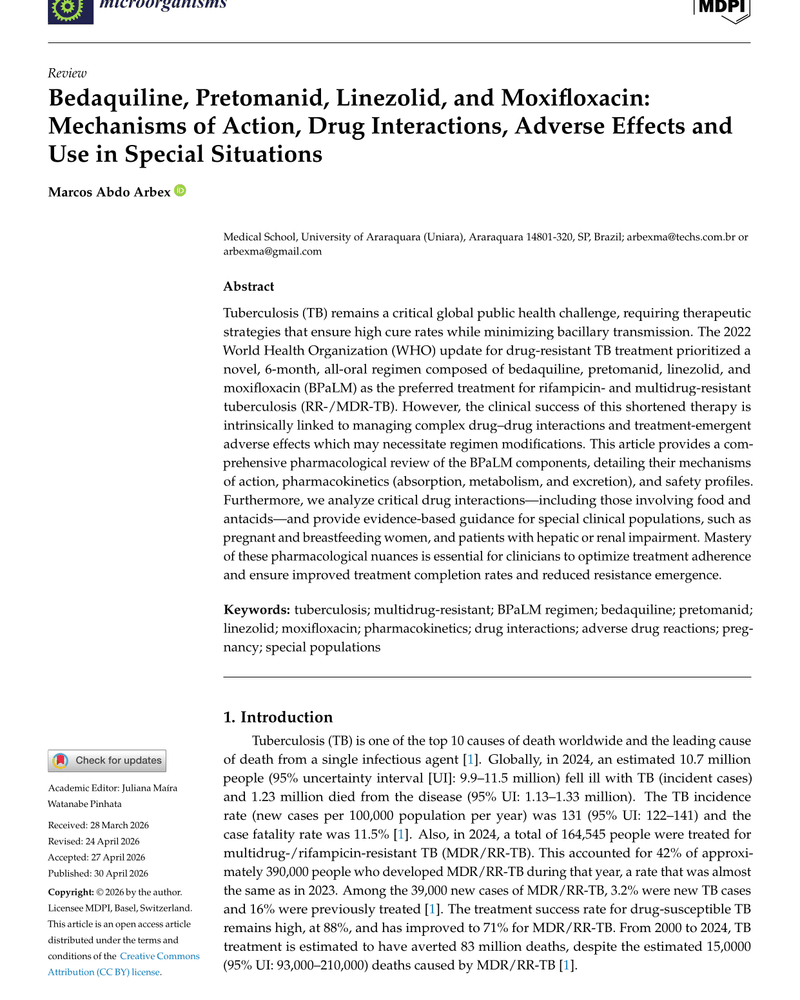
Clinical reviews
BEDAQUILINE, PRETOMANID, LINEZOLID, AND MOXIFLOXACIN: MECHANISMS OF ACTION, DRUG INTERACTIONS, ADVERSE EFFECTS AND USE IN SPECIAL SITUATIONS
Medical School, University of Araraquara (Uniara), Araraquara, Brazil
PDF34 pages517 KB
Tuberculosis (TB) remains a critical global public health challenge, requiring therapeutic strategies that ensure high cure rates while minimizing bacillary transmission. The 2022 World Health Organization (WHO) update for drug-resistant TB treatment prioritized a novel, 6-month, all-oral regimen composed of bedaquiline, pretomanid, linezolid, and moxifloxacin (BPaLM) as the preferred treatment for rifampicin- and multidrug-resistant tuberculosis (RR-/MDR-TB). The clinical success of this therapy is linked to managing complex drug–drug interactions and treatment-emergent adverse effects. This article emphasizes the importance of understanding these pharmacological nuances for optimizing treatment adherence and improving outcomes.
Sign in to open
Ask this resource
Answers use this document only.
Your first question is free.
More like this
Resources from the same specialty and type. Curated links will replace these when added.
Clinical Resources
Documents that extend or complement this resource.
World Malaria Report 2020
Same clinical topic · Infectious Disease
PRIMER SYPHILIS
Same clinical topic · Infectious Disease
LEISHMANIASIS
Same clinical topic · Infectious Disease
SUPPLEMENTARY APPENDIX
Same clinical topic · Infectious Disease
Influenza
Same clinical topic · Infectious Disease
VARICELLA ZOSTER VIRUS INFECTION
Same clinical topic · Infectious Disease
RECENT ADVANCES IN THE TREATMENT OF MALARIA
Same clinical topic · Infectious Disease
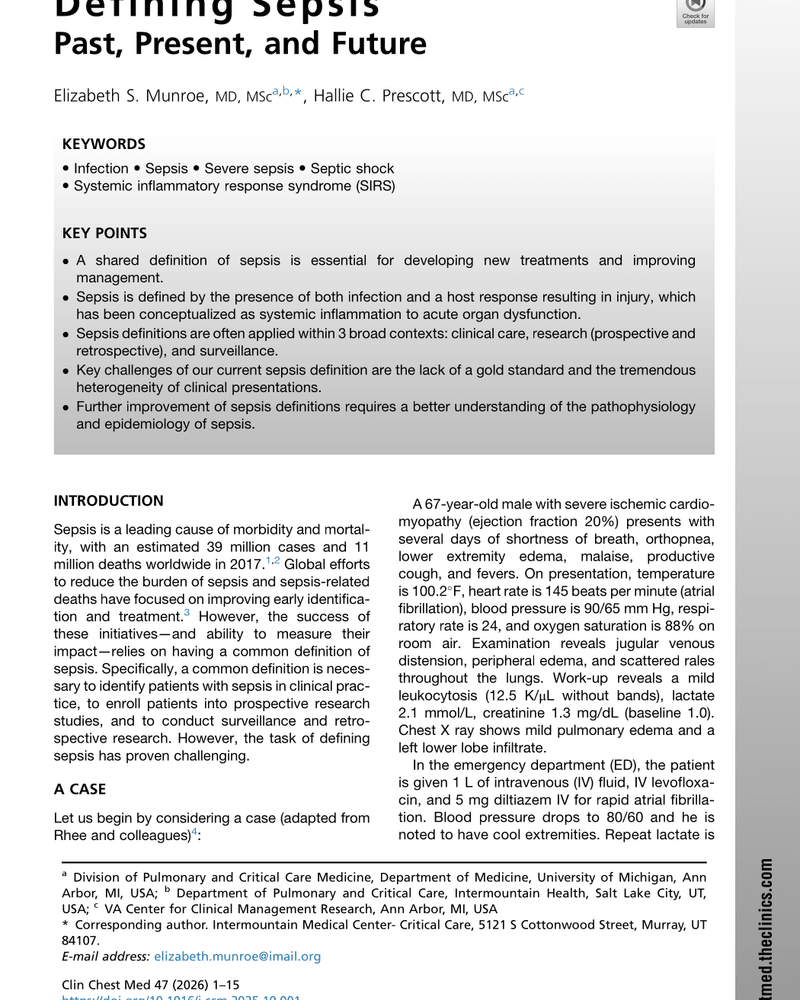
DEFINING SEPSIS PAST, PRESENT, AND FUTURE
Same clinical topic · Infectious Disease
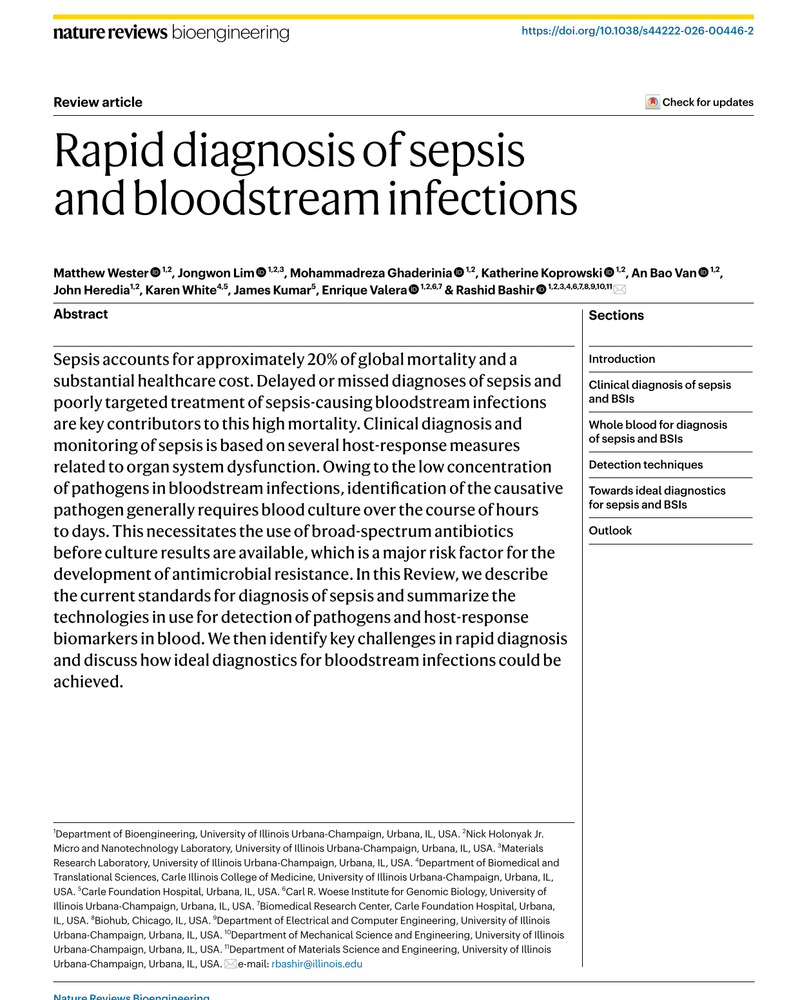
RAPID DIAGNOSIS OF SEPSIS AND BLOODSTREAM INFECTIONS
Same clinical topic · Infectious Disease