Please wait while we open this resource.


K

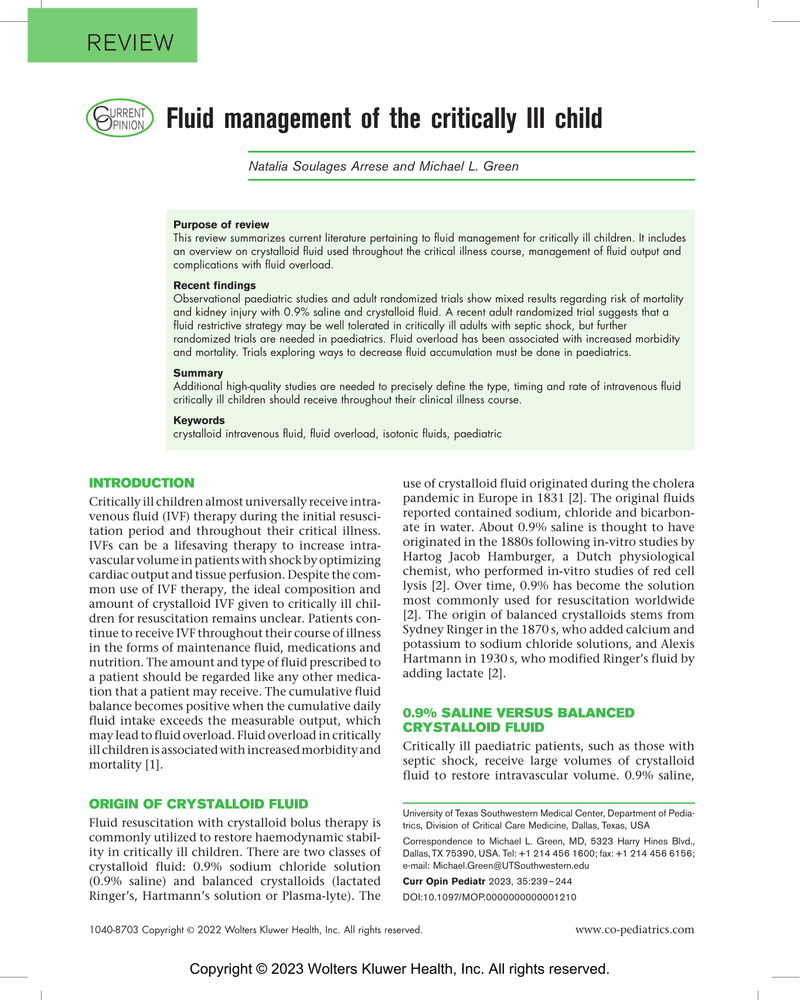
Clinical reviews
FLUID MANAGEMENT OF THE CRITICALLY ILL CHILD
Natalia Soulages Arrese and Michael L. Green
PDF6 pages1.1 MB
Critically ill children almost universally receive intravenous fluid (IVF) therapy during the initial resuscitation period and throughout their critical illness. This document discusses the ideal composition and amount of crystalloid IVF given to critically ill children, highlighting the mixed results from various studies regarding fluid management strategies. It emphasizes the need for further high-quality studies to define the optimal fluid therapy for this population.
Sign in to open
Ask this resource
Answers use this document only.
Your first question is free.
More like this
Resources from the same specialty and type. Curated links will replace these when added.
Clinical Resources
Documents that extend or complement this resource.
Hospital Care for Children Guidelines
Same clinical topic · Pediatrics
IDENTIFYING A REFRACTORY SHOCK PHENOTYPE IN PEDIATRIC SEPSIS USING A VASOACTIVE-ADJUSTED SHOCK INDEX
Same clinical topic · Pediatrics
ANTAGONIZING THE LEPTIN RECEPTOR IN OBESITY
Same clinical topic · Pediatrics
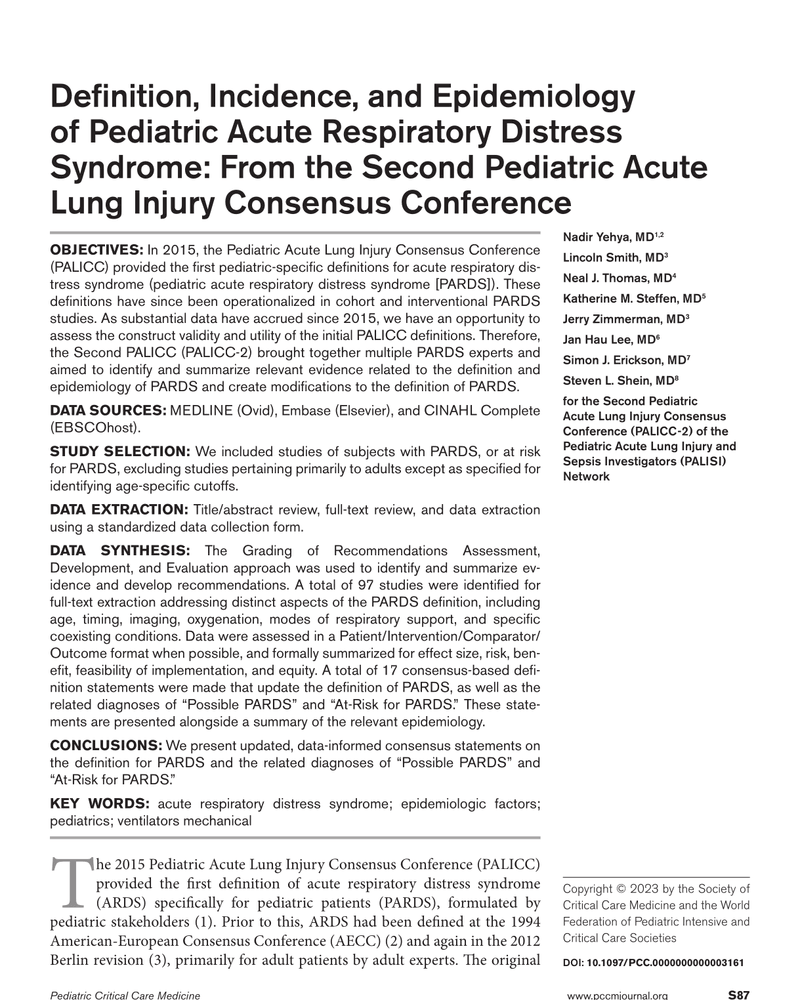
DEFINITION, INCIDENCE, AND EPIDEMIOLOGY OF PEDIATRIC ACUTE RESPIRATORY DISTRESS SYNDROME: FROM THE SECOND PEDIATRIC ACUTE LUNG INJURY CONSENSUS CONFERENCE
Same clinical topic · Pediatrics
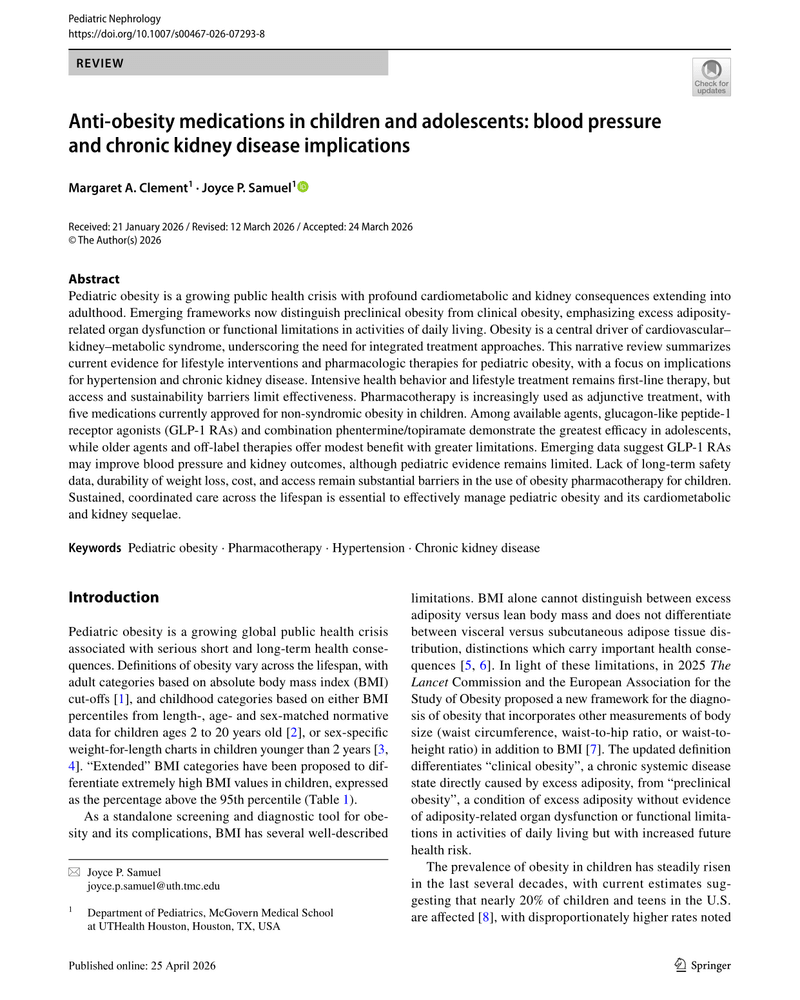
ANTI‑OBESITY MEDICATIONS IN CHILDREN AND ADOLESCENTS: BLOOD PRESSURE AND CHRONIC KIDNEY DISEASE IMPLICATIONS
Same clinical topic · Pediatrics
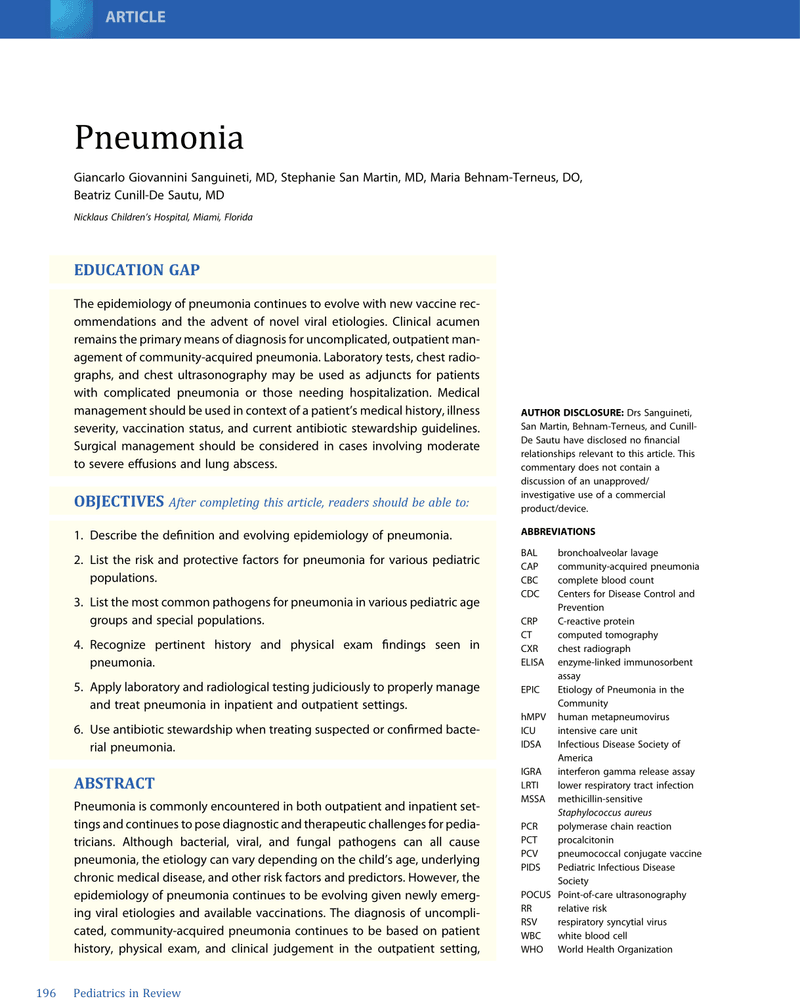
PNEUMONIA
Same clinical topic · Pediatrics
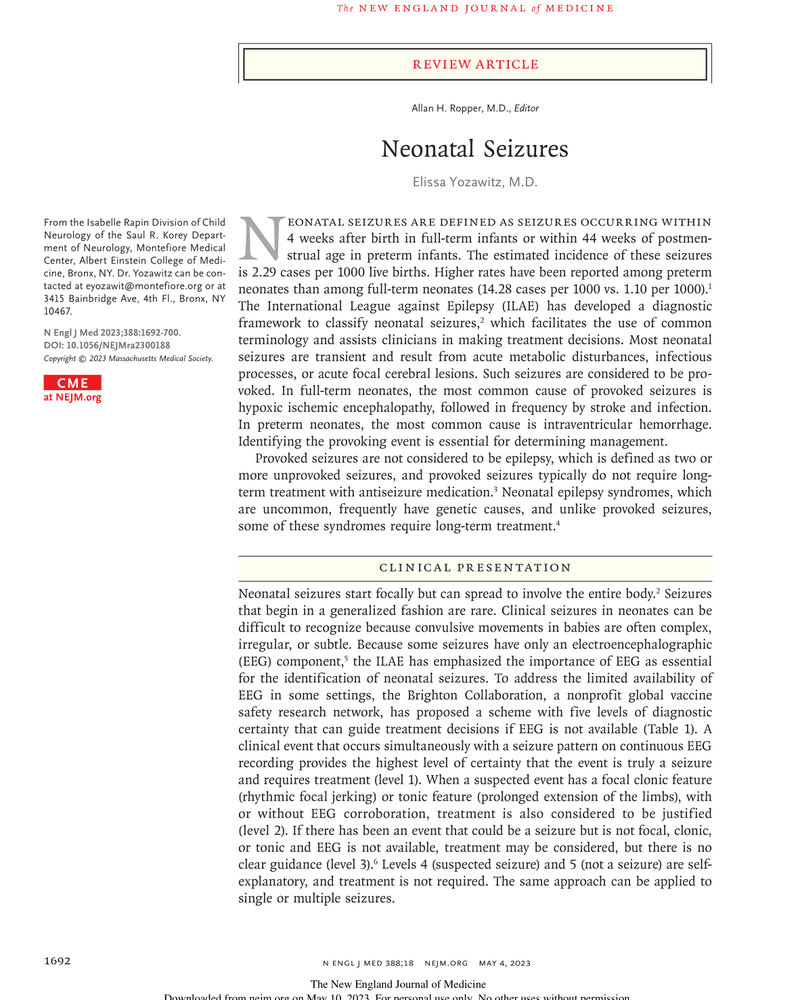
Neonatal Seizures
Same clinical topic · Pediatrics
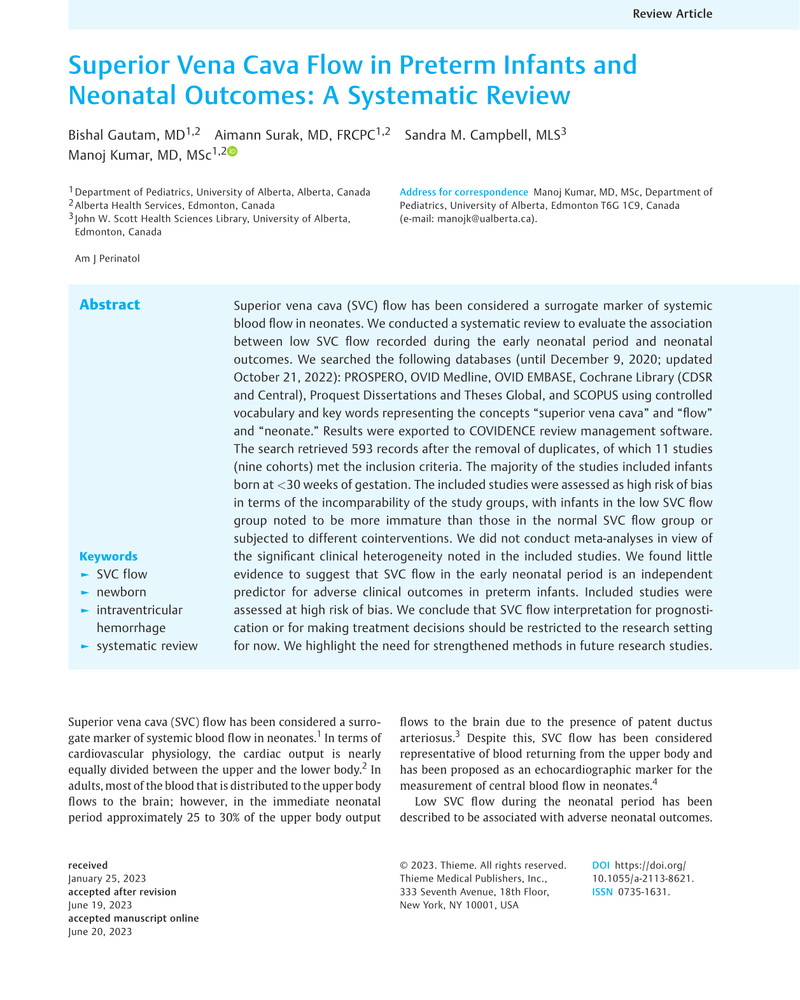
SUPERIOR VENA CAVA FLOW IN PRETERM INFANTS AND NEONATAL OUTCOMES: A SYSTEMATIC REVIEW
Same clinical topic · Pediatrics
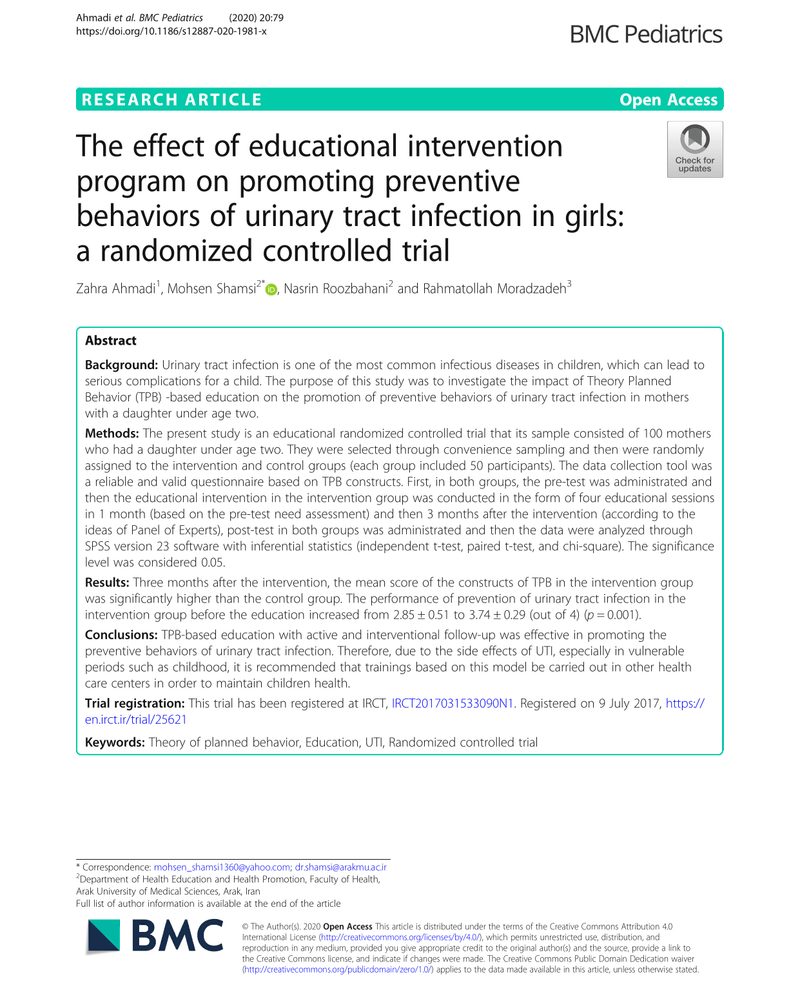
THE EFFECT OF EDUCATIONAL INTERVENTION PROGRAM ON PROMOTING PREVENTIVE BEHAVIORS OF URINARY TRACT INFECTION IN GIRLS: A RANDOMIZED CONTROLLED TRIAL
Same clinical topic · Pediatrics