Preparing your experience, please wait…


K

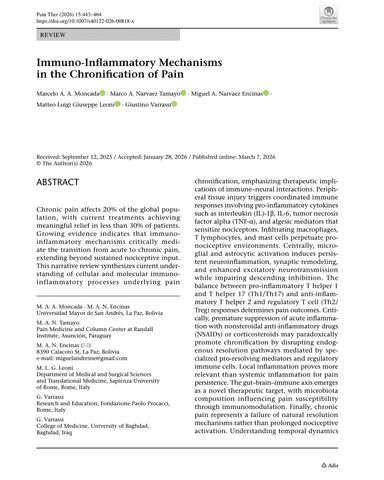
Clinical reviews
IMMUNO‑INFLAMMATORY MECHANISMS IN THE CHRONIFICATION OF PAIN
Universidad Mayor de San Andrés, La Paz, Bolivia; Pain Medicine and Column Center at Randall
PDF202622 pages2.0 MB
Chronic pain affects 20% of the global population, with current treatments achieving limited success. Growing evidence indicates that immuno-inflammatory mechanisms critically mediate the transition from acute to chronic pain, extending beyond sustained nociceptive input. Peripheral tissue injury triggers coordinated immune responses involving pro-inflammatory cytokines and immune cell infiltration, which perpetuate nociceptive environments. Central activation of glial cells induces persistent neuroinflammation and enhanced excitatory neurotransmission, influencing pain outcomes.
No account needed
Discuss clinical evidence & guidelines
Examine in Ask OslerAsk this resource
Answers from this document onlyMore like this
Resources from the same specialty and type. Curated links will replace these when added.
Clinical Resources
Documents that extend or complement this resource.
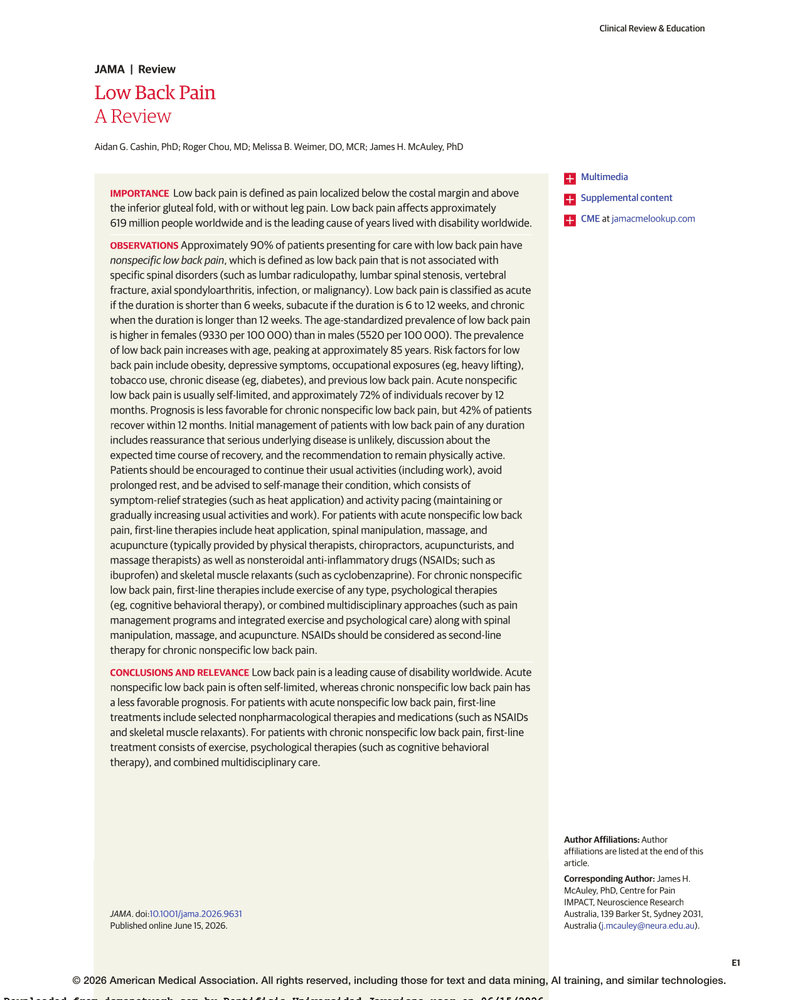
LOW BACK PAIN
Same clinical topic · Anaesthesia & Pain Medicine
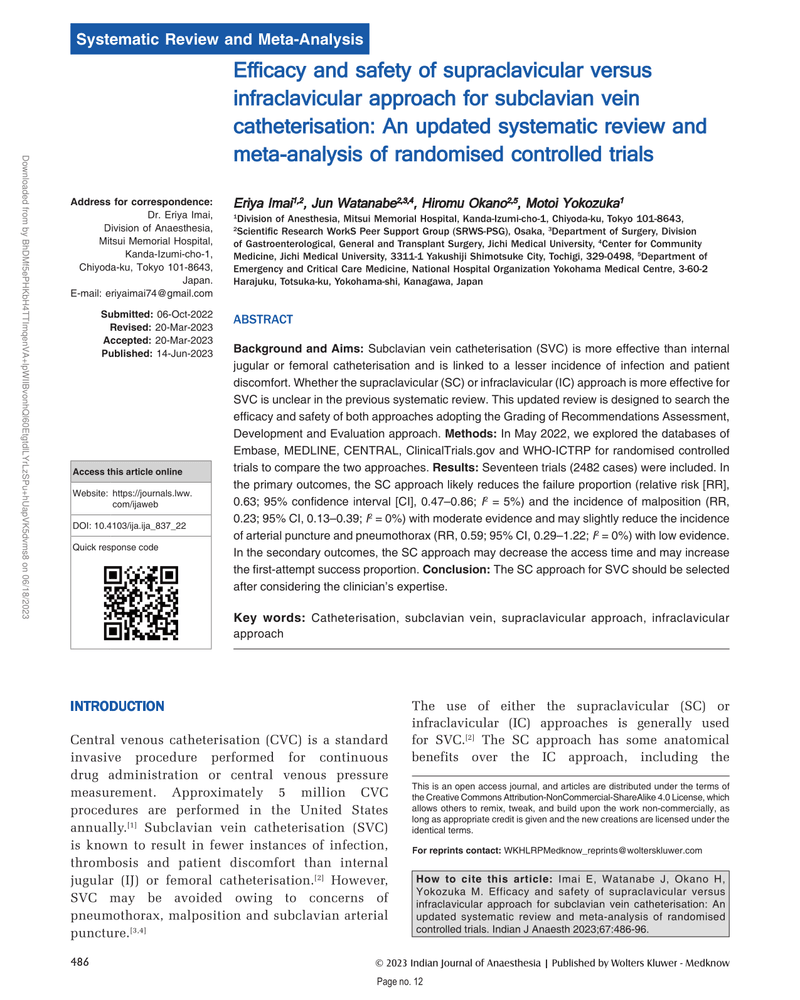
Efficacy and safety of supraclavicular versus infraclavicular approach for subclavian vein catheterisation: An updated systematic review and meta-analysis of randomised controlled trials
Same clinical topic · Anaesthesia & Pain Medicine
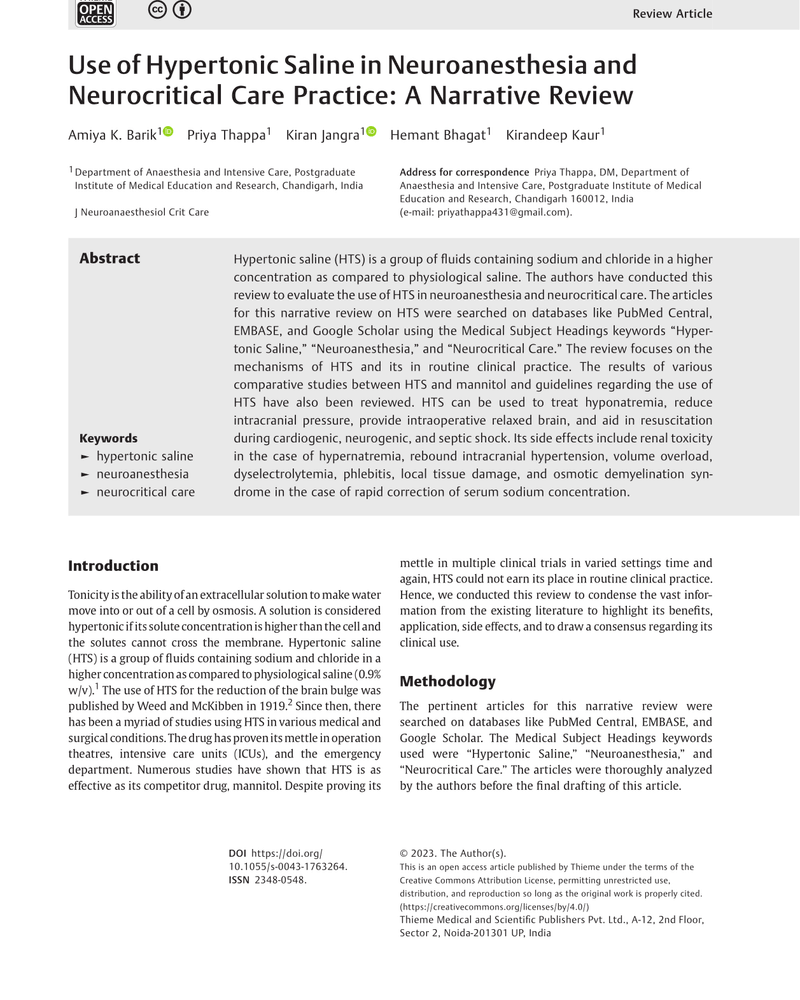
USE OF HYPERTONIC SALINE IN NEUROANESTHESIA AND NEUROCRITICAL CARE PRACTICE: A NARRATIVE REVIEW
Same clinical topic · Anaesthesia & Pain Medicine
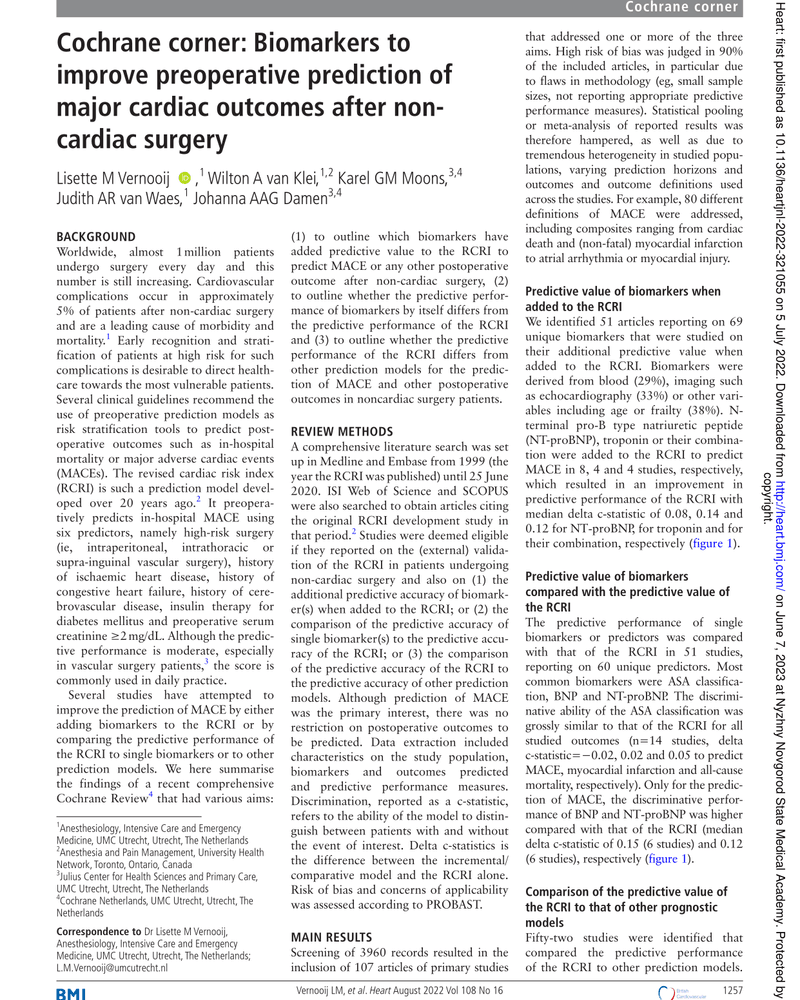
BIOMARKERS TO IMPROVE PREOPERATIVE PREDICTION OF MAJOR CARDIAC OUTCOMES AFTER NON-CARDIAC SURGERY
Same clinical topic · Anaesthesia & Pain Medicine
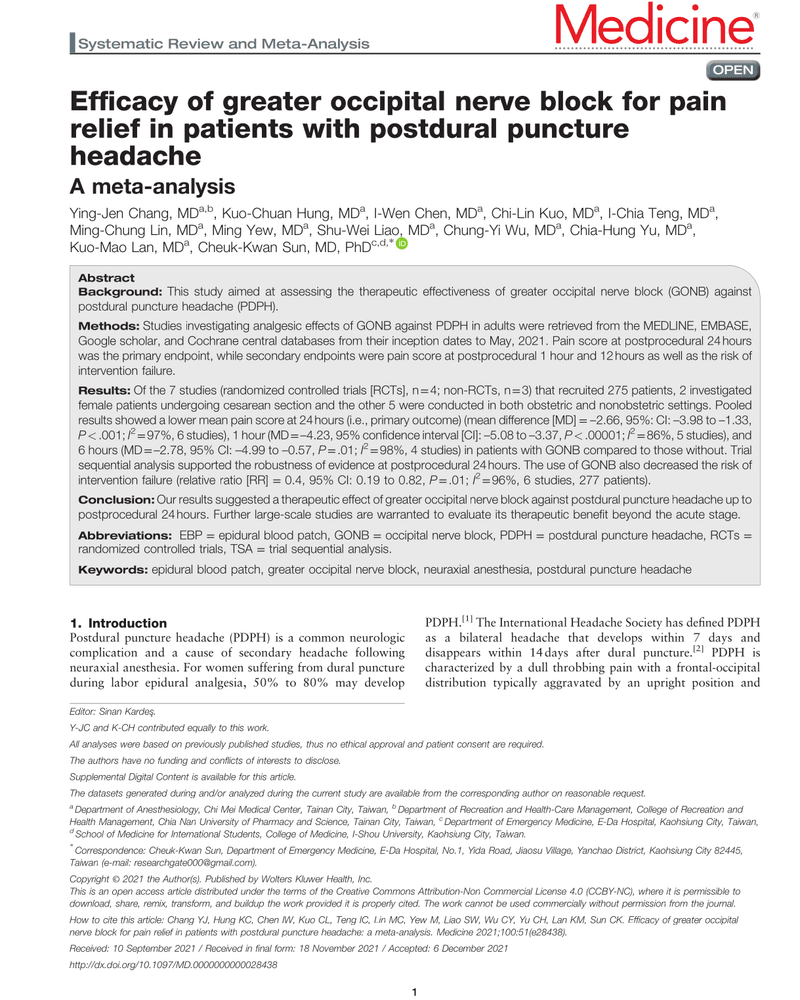
EFFICACY OF GREATER OCCIPITAL NERVE BLOCK FOR PAIN RELIEF IN PATIENTS WITH POSTDURAL PUNCTURE HEADACHE
Same clinical topic · Anaesthesia & Pain Medicine
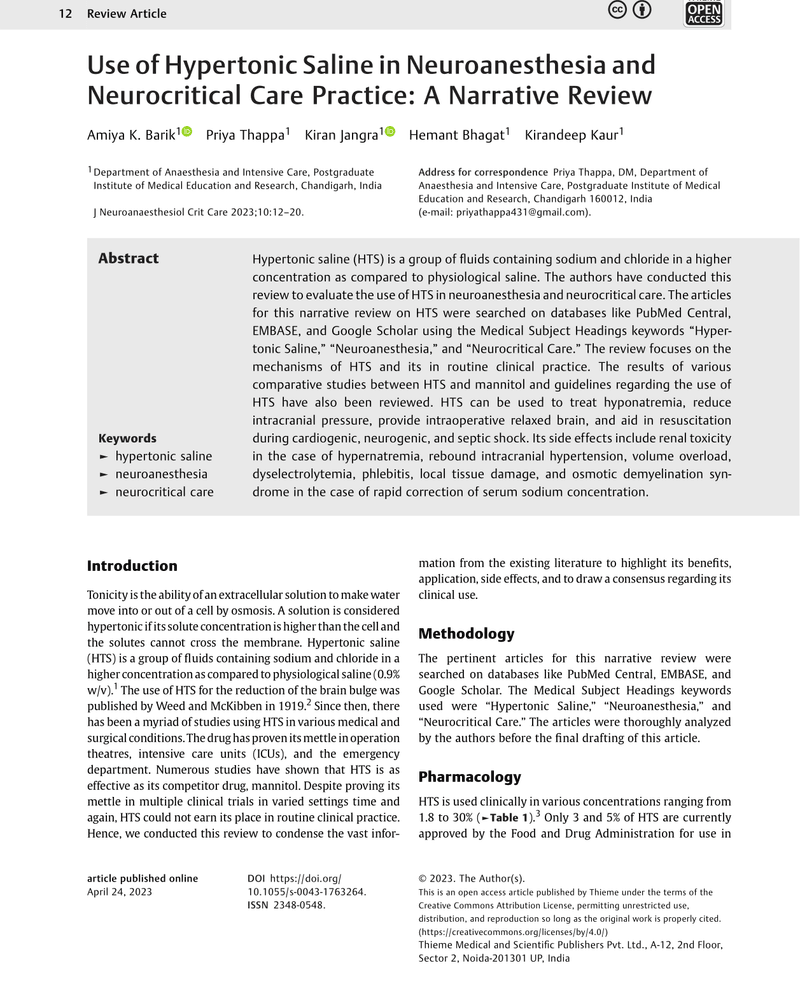
USE OF HYPERTONIC SALINE IN NEUROANESTHESIA AND NEUROCRITICAL CARE PRACTICE: A NARRATIVE REVIEW
Same clinical topic · Anaesthesia & Pain Medicine
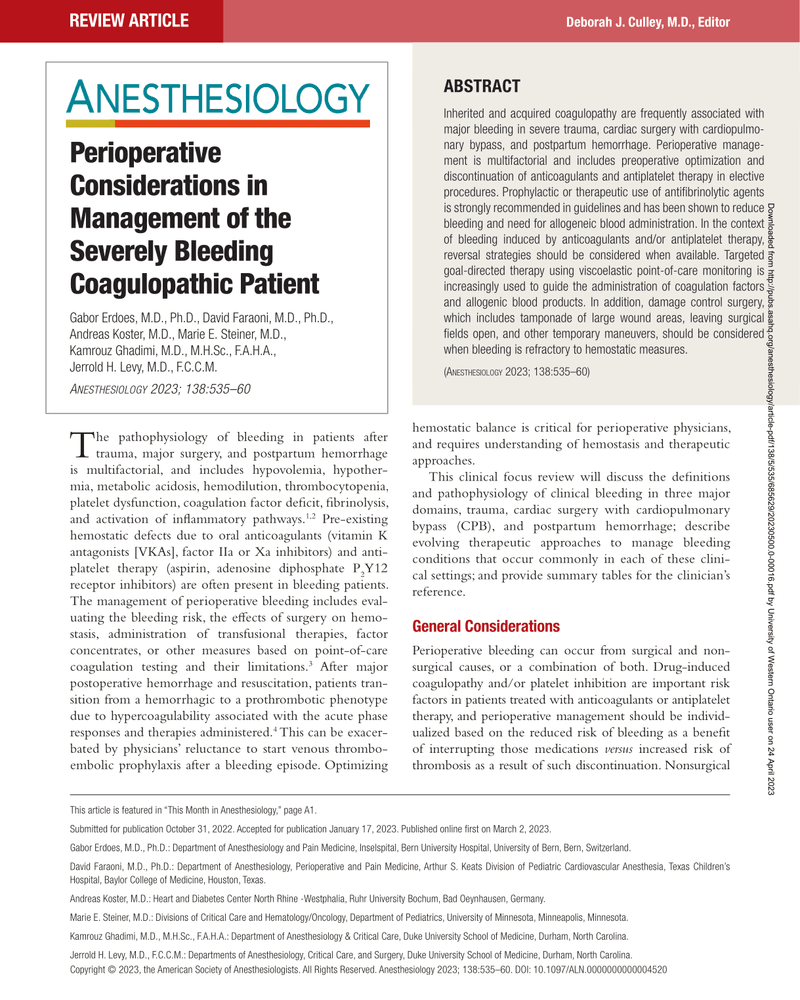
PERIOPERATIVE CONSIDERATIONS IN MANAGEMENT OF THE SEVERELY BLEEDING COAGULOPATHIC PATIENT
Same clinical topic · Anaesthesia & Pain Medicine
CURRENT PRACTICE IN THE PERIOPERATIVE MANAGEMENT OF PATIENTS WITH DIABETES MELLITUS: A NARRATIVE REVIEW
Same clinical topic · Anaesthesia & Pain Medicine
INTRATHECAL CATHETER USE AFTER ACCIDENTAL DURAL PUNCTURE IN OBSTETRIC PATIENTS: LITERATURE REVIEW AND CLINICAL MANAGEMENT RECOMMENDATIONS
Same clinical topic · Anaesthesia & Pain Medicine