Please wait while we open this resource.


K


Clinical notes
Infectious Mononucleosis (2)
Makerere University Department of Pathology
PPTX202122 pages2.0 MB
Infectious mononucleosis is primarily caused by Epstein‑Barr virus, with cytomegalovirus as an alternative agent. It predominantly affects adolescents and young adults, presenting with fever, sore throat, lymphadenopathy, and occasionally splenomegaly. Diagnosis relies on clinical assessment, heterophile antibody testing, and serology, while treatment is supportive with rest and analgesics. Potential complications include splenic rupture, airway obstruction, and neurologic sequelae. The disease is usually self‑limiting, but a minority of cases may develop serious complications.
Sign in to open
Ask this resource
Answers use this document only.
Your first question is free.
More like this
Resources from the same specialty and type. Curated links will replace these when added.
Clinical Resources
Documents that extend or complement this resource.
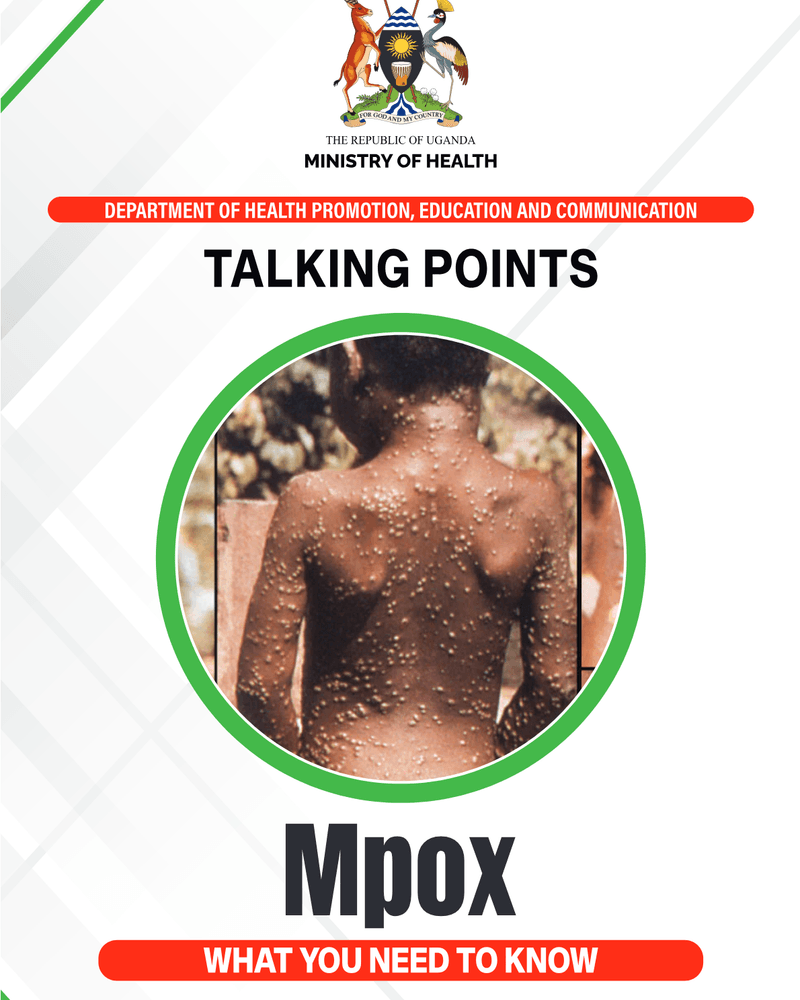
Mpox: What You Need to Know
Same clinical topic · Infectious Disease
Subhash Parija's MicroB & Immunology 2E 2012
Same clinical topic · Infectious Disease

The big picture medical microbiology
Same clinical topic · Infectious Disease

Infectious Disease Emergencies 2017
Same clinical topic · Infectious Disease
MALARIA MINI—THE BASICS
Same clinical topic · Infectious Disease

Drug Interactions in Infectious Diseases Antimicrobial Drug Interactions
Same clinical topic · Infectious Disease
INFECTIOUS DISEASE ESSENTIALS HANDBOOK
Same clinical topic · Infectious Disease

Antibiotic Basics for Clinicians: The ABCs of Choosing the Right Antibacterial Agent
Same clinical topic · Infectious Disease
INFECTIOUS DISEASE MKSAP 19 BOARDBASICS
Same clinical topic · Infectious Disease