Please wait while we open this resource.


K

Clinical notes
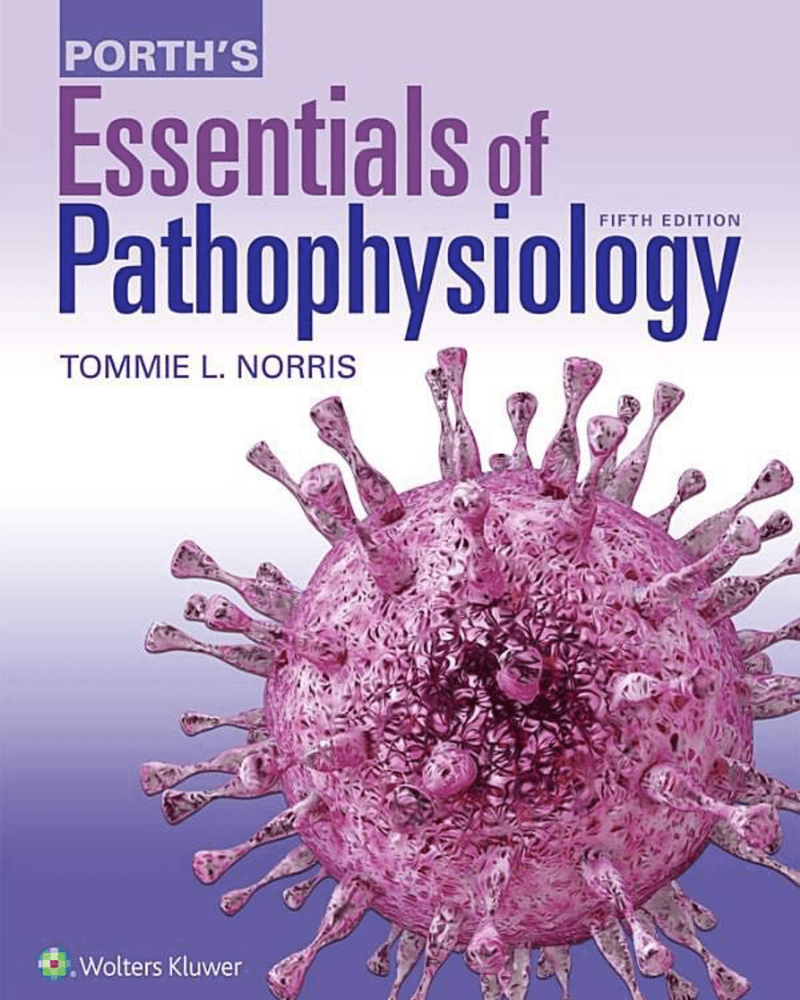
Porth’s Essentials of Pathophysiology Wolters Kluwer 2019 Carol
Oncology
PDF20204159 pages39.0 MB
The document categorizes chemotherapy drugs into direct DNA-interacting agents (alkylating agents, antitumor antibiotics, topoisomerase inhibitors) and indirect DNA-interacting agents (antimetabolites, mitotic spindle inhibitors). It explains how each class affects DNA or cell division and lists common side effects like cardiotoxicity, myelosuppression, stomatitis, and diarrhea. Additionally, it presents a comprehensive table of antibiotics, detailing their target sites (e.g., ribosomes, DNA synthesis, cell membrane), specific examples, and potential side effects such as allergic reactions, hearing loss, nephrotoxicity, and gastrointestinal issues. The text also touches upon the spectrum of antibiotic activity, including broad-spectrum agents and resistance patterns observed in organisms like Mycobacterium tuberculosis.
Sign in to open
Ask this resource
Answers use this document only.
Your first question is free.
More like this
Resources from the same specialty and type. Curated links will replace these when added.
Clinical Resources
Documents that extend or complement this resource.
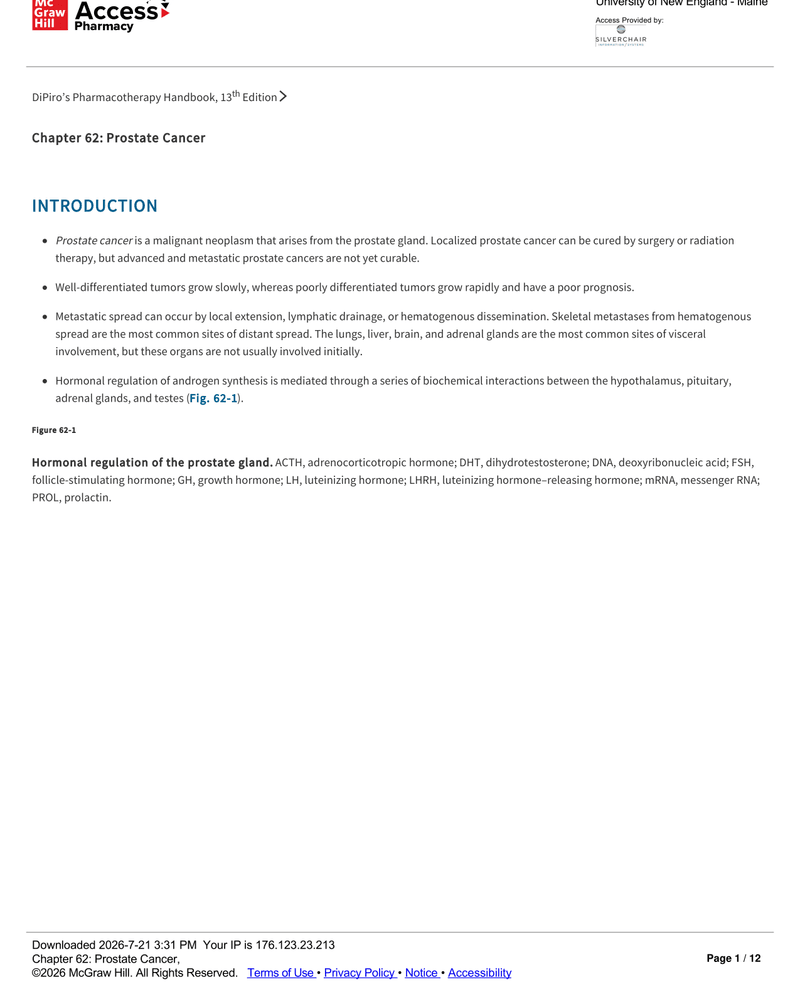
CHAPTER 62: PROSTATE CANCER
Same clinical topic · Oncology
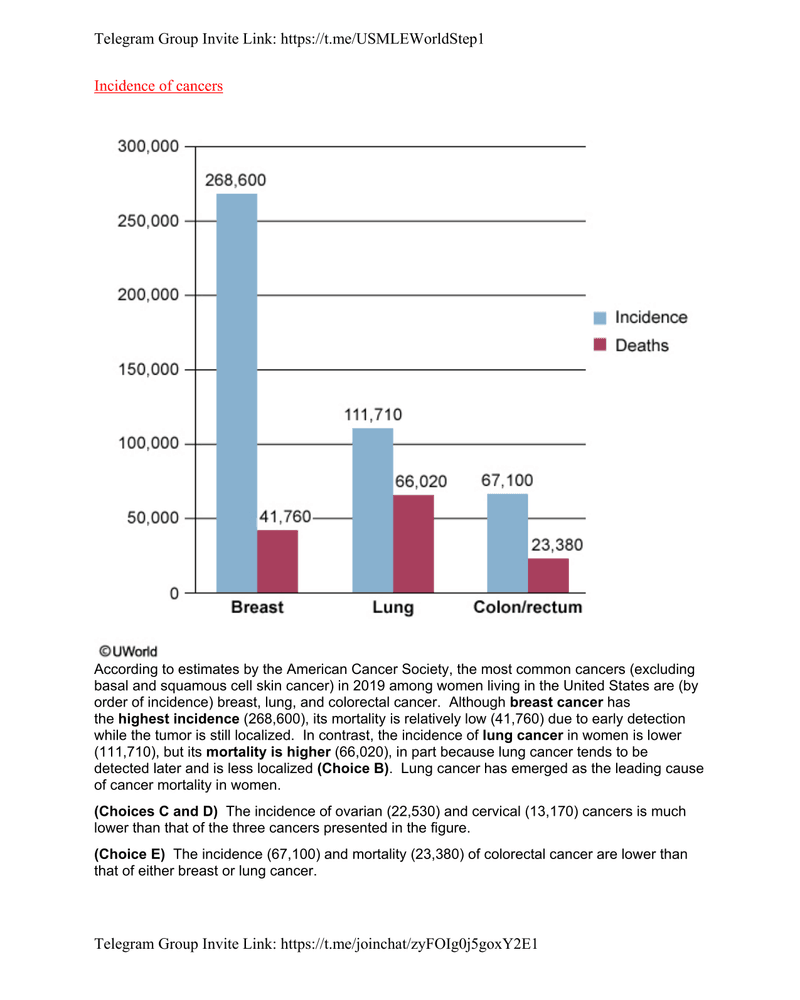
INCIDENCE OF CANCERS
Same clinical topic · Oncology
2023 The Bethesda Handbook of Clinical Oncology
Same clinical topic · Oncology
Essentials of Clinical Radiation Oncology, 2026
Same clinical topic · Oncology
HOW TO READ CBC
Same clinical topic · Oncology
Tumours of the Respiratory system (2)
Same clinical topic · Oncology
ONCOLOGY
Same clinical topic · Oncology
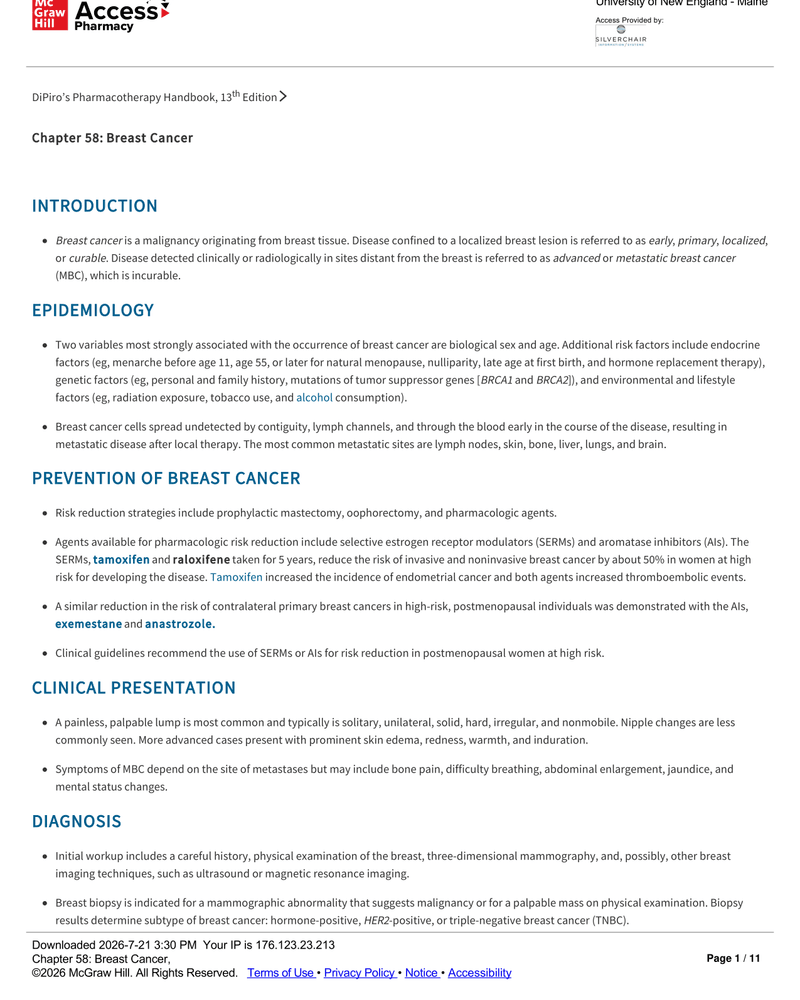
CHAPTER 58: BREAST CANCER
Same clinical topic · Oncology
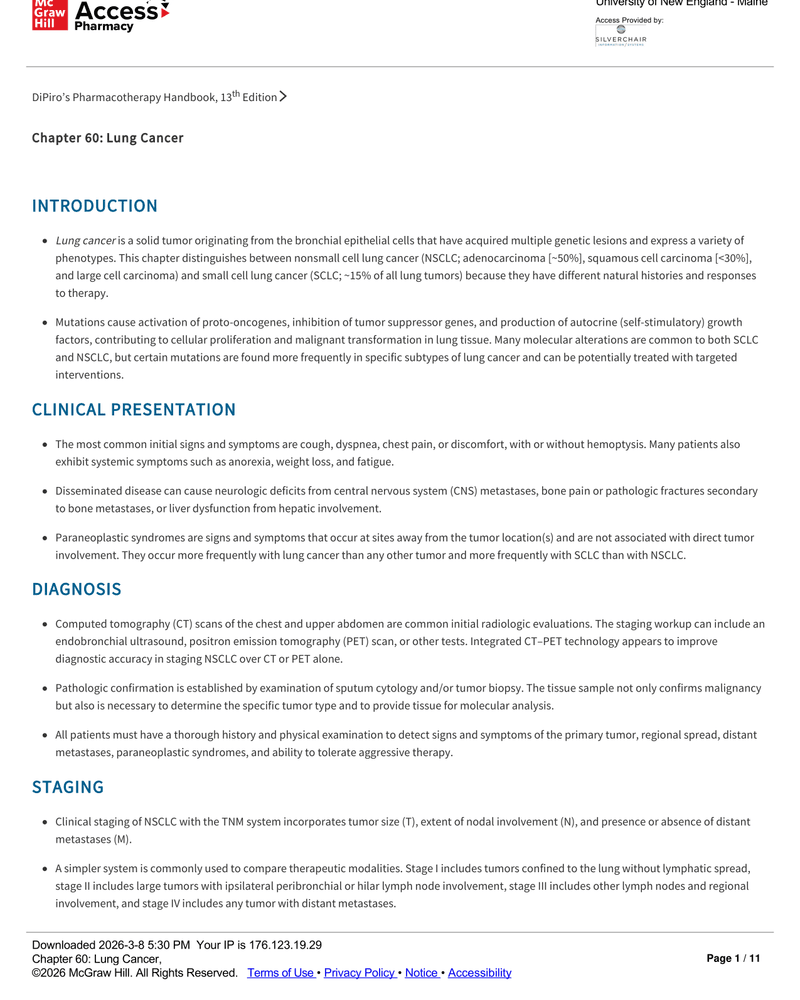
CHAPTER 60: LUNG CANCER
Same clinical topic · Oncology