Please wait while we open this resource.


K

Clinical notes
SEVERE AND COMPLICATED MALARIA
Aojaar Israel, Akansasira Alvin, Prof Kamya M
PDF26 pages492 KB
Severe malaria is characterized by the presence of *P. falciparum* parasitemia along with critical clinical manifestations such as impaired consciousness, severe anemia, and hypoglycemia. The document outlines the epidemiology, life cycle, pathogenesis, and various complications associated with severe malaria. It also emphasizes the importance of early diagnosis and effective treatment to prevent fatal outcomes, particularly in vulnerable populations. Management protocols for different complications are discussed, along with preventive measures.
Sign in to open
Ask this resource
Answers use this document only.
Your first question is free.
More like this
Resources from the same specialty and type. Curated links will replace these when added.
Clinical Resources
Documents that extend or complement this resource.
Mpox: What You Need to Know
Same clinical topic · Infectious Disease
Subhash Parija's MicroB & Immunology 2E 2012
Same clinical topic · Infectious Disease
The big picture medical microbiology
Same clinical topic · Infectious Disease
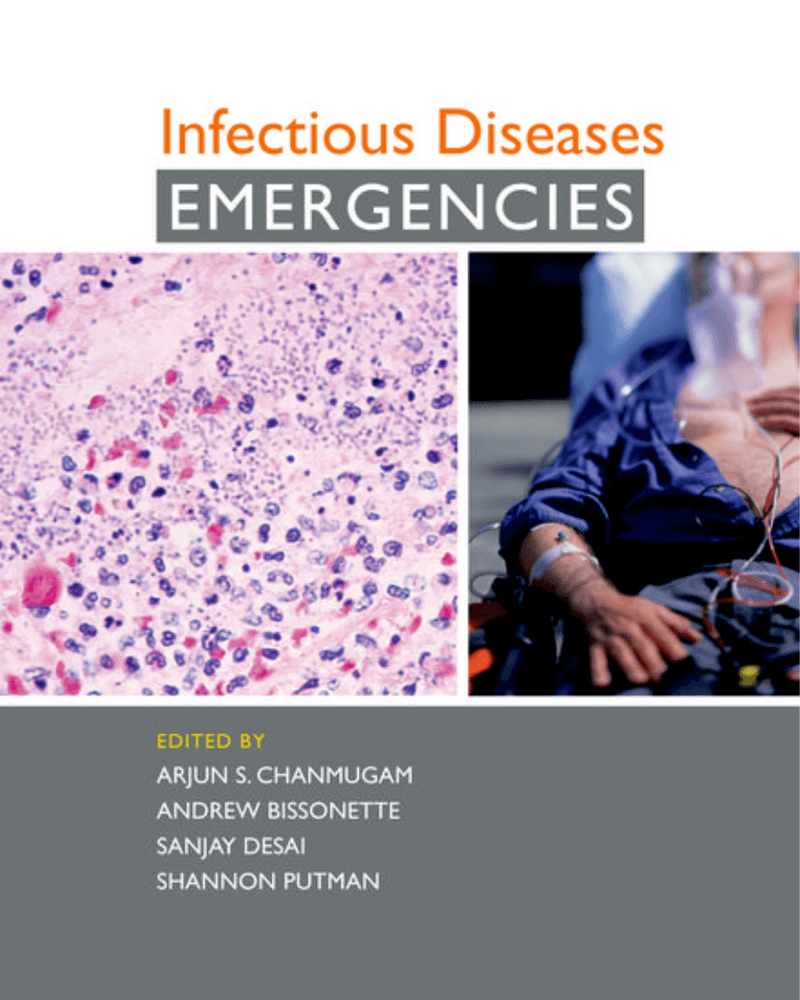
Infectious Disease Emergencies 2017
Same clinical topic · Infectious Disease
MALARIA MINI—THE BASICS
Same clinical topic · Infectious Disease
Drug Interactions in Infectious Diseases Antimicrobial Drug Interactions
Same clinical topic · Infectious Disease
INFECTIOUS DISEASE ESSENTIALS HANDBOOK
Same clinical topic · Infectious Disease
Antibiotic Basics for Clinicians: The ABCs of Choosing the Right Antibacterial Agent
Same clinical topic · Infectious Disease
INFECTIOUS DISEASE MKSAP 19 BOARDBASICS
Same clinical topic · Infectious Disease