Please wait while we open this resource.


K

Clinical reviews
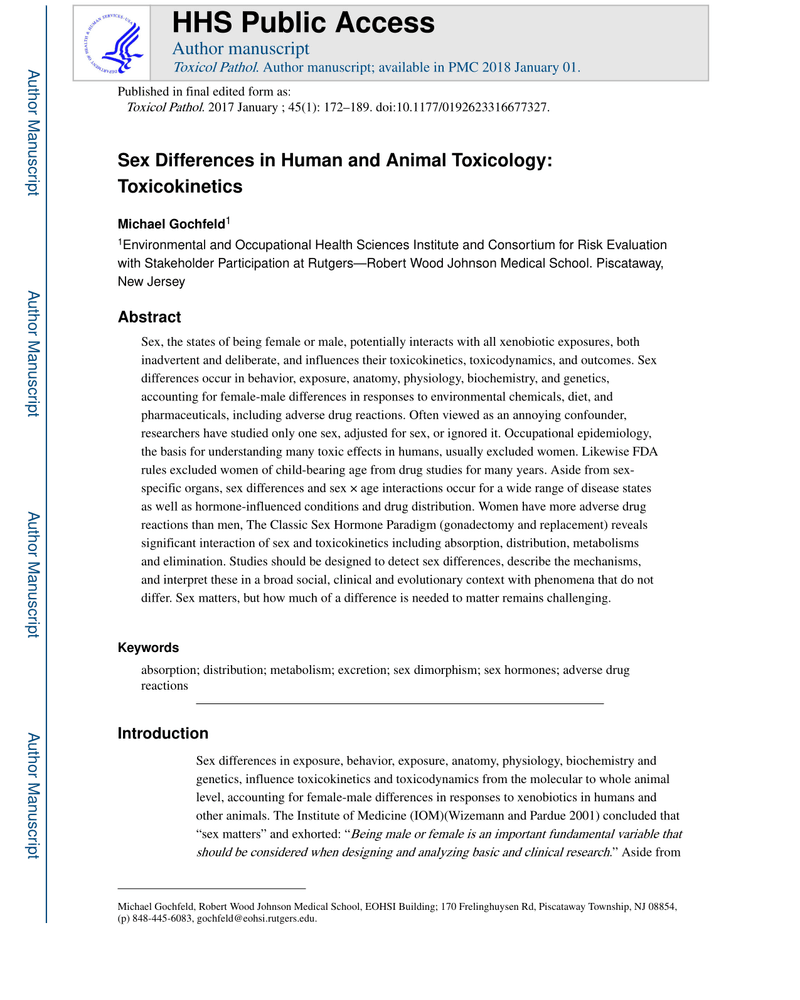
SEX DIFFERENCES IN HUMAN AND ANIMAL TOXICOLOGY: TOXICOKINETICS
Environmental and Occupational Health Sciences Institute and Consortium for Risk Evaluation with Stakeholder Participation at Rutgers—Robert Wood Johnson Medical School
PDF201739 pages589 KB
The manuscript emphasizes that sex, defined as being female or male, interacts with xenobiotic exposures and affects their toxicokinetics and outcomes. It outlines the various biological and physiological differences between sexes that can lead to different responses to environmental chemicals and pharmaceuticals. The document calls for more inclusive research designs that account for sex differences to improve understanding and management of toxic effects.
Sign in to open
Ask this resource
Answers use this document only.
Your first question is free.
More like this
Resources from the same specialty and type. Curated links will replace these when added.
Clinical Resources
Documents that extend or complement this resource.

Sex Differences in Toxicology: Human and Animal Studies
Same clinical topic · Toxicology

The Digital Evolution in Toxicology Education
Same clinical topic · Toxicology
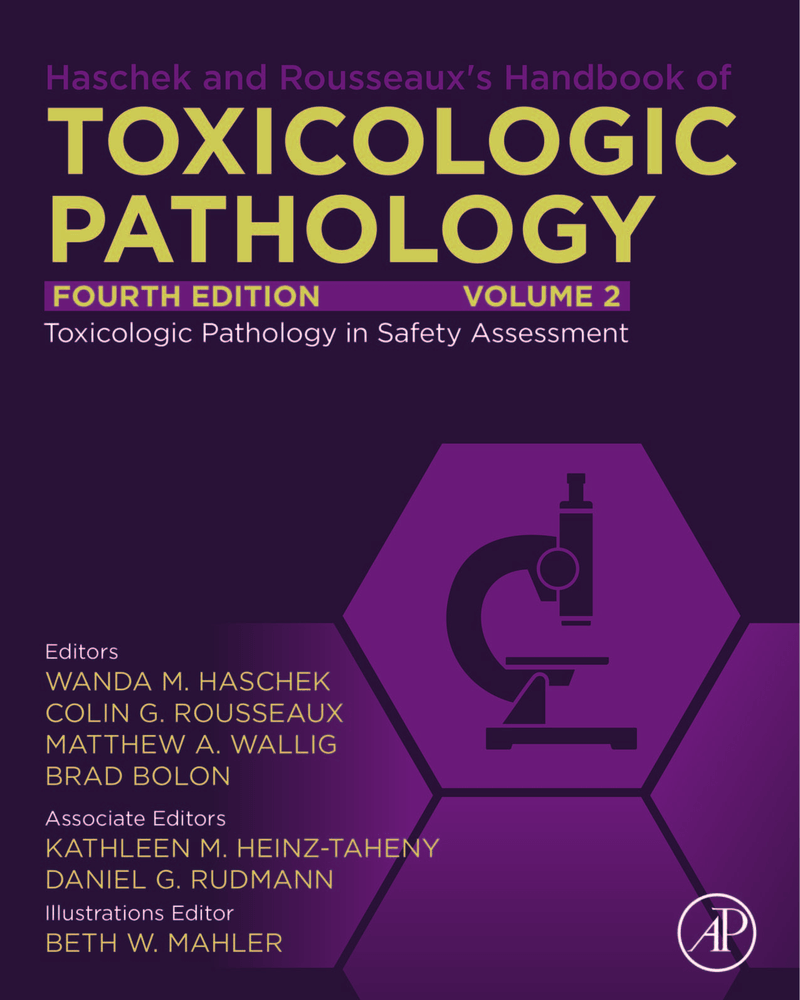
Haschek and Rousseaux's Handbook of Toxicologic Pathology Volume (2)
Same specialty · Toxicology
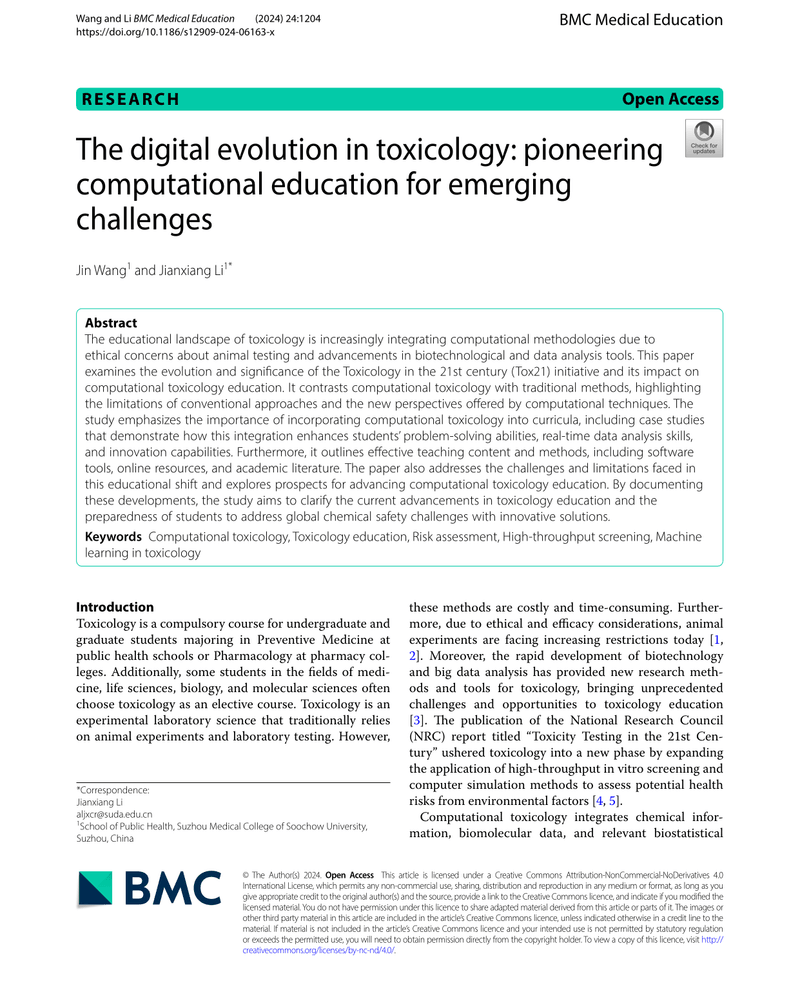
THE DIGITAL EVOLUTION IN TOXICOLOGY
Same specialty · Toxicology

Traumatic Brain Injury
Same resource type · Neurology
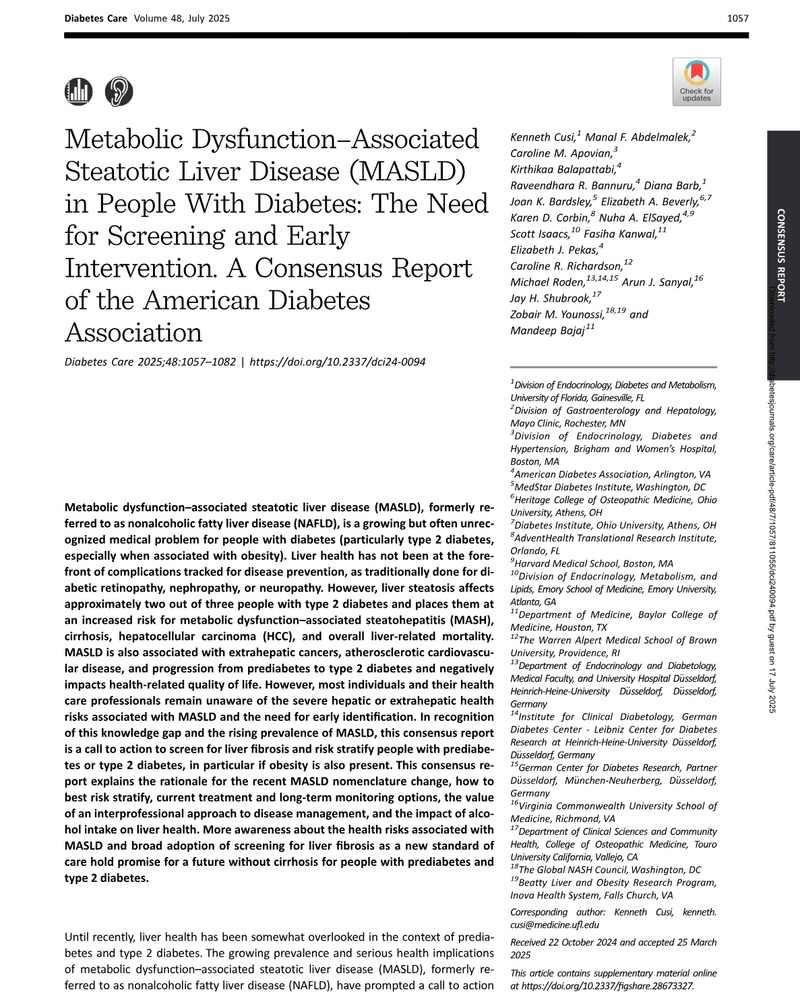
ADA Consensus Report: MASLD in People With Diabetes
Same resource type · Endocrinology
Hospital Care for Children Guidelines
Same resource type · Pediatrics

Management of Obesity
Same resource type

Classification of the Epilepsies
Same resource type · Neurology