Please wait while we open this resource.


K

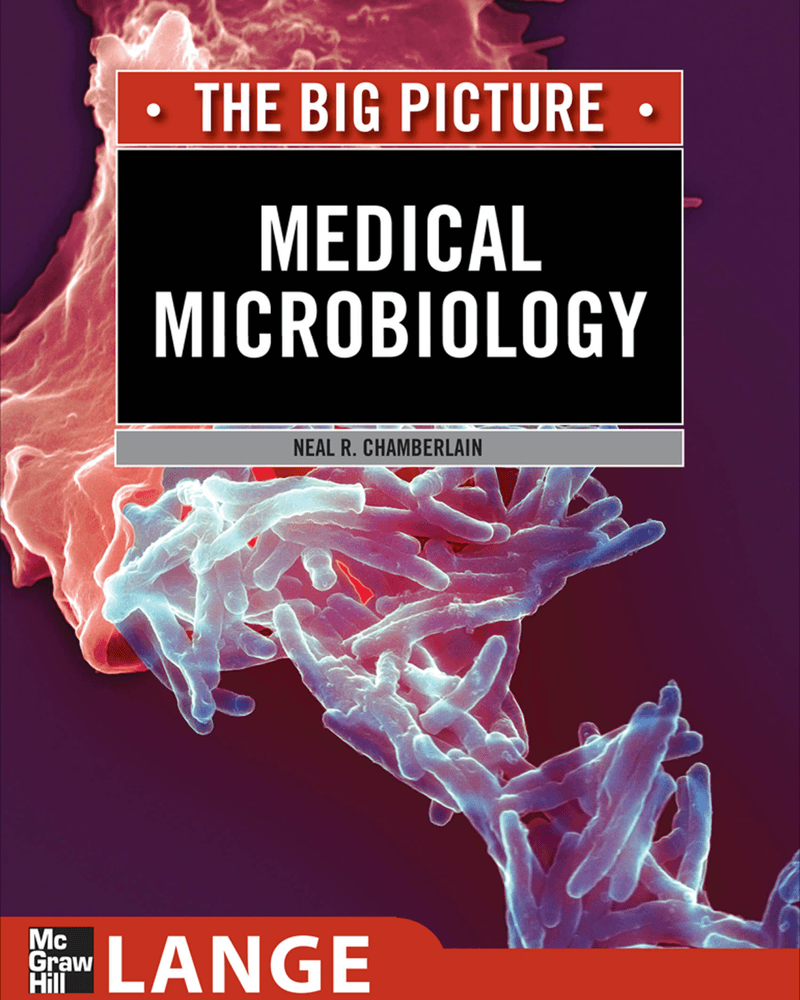
Clinical notes
The big picture medical microbiology
A. T. Still University of Health Sciences
PDF2009456 pages20.2 MB
This excerpt from a medical microbiology text focuses on the mechanisms of foodborne illnesses caused by bacteria such as Staphylococcus aureus, Bacillus cereus, and Clostridium perfringens. It details the types of toxins produced, their heat stability, and how they affect the gastrointestinal tract, leading to symptoms like vomiting and diarrhea. The document also includes tables for laboratory identification of bacteria, differentiating Gram-positive rods like Bacillus anthracis and Corynebacterium diphtheriae, and Gram-negative enteric rods such as Escherichia coli, Salmonella, and Shigella based on their morphology, motility, and biochemical properties.
Sign in to open
Ask this resource
Answers use this document only.
Your first question is free.
More like this
Resources from the same specialty and type. Curated links will replace these when added.
Clinical Resources
Documents that extend or complement this resource.
Mpox: What You Need to Know
Same clinical topic · Infectious Disease
Subhash Parija's MicroB & Immunology 2E 2012
Same clinical topic · Infectious Disease
Infectious Disease Emergencies 2017
Same clinical topic · Infectious Disease
MALARIA MINI—THE BASICS
Same clinical topic · Infectious Disease
Drug Interactions in Infectious Diseases Antimicrobial Drug Interactions
Same clinical topic · Infectious Disease
INFECTIOUS DISEASE ESSENTIALS HANDBOOK
Same clinical topic · Infectious Disease
Antibiotic Basics for Clinicians: The ABCs of Choosing the Right Antibacterial Agent
Same clinical topic · Infectious Disease
INFECTIOUS DISEASE MKSAP 19 BOARDBASICS
Same clinical topic · Infectious Disease
ANTIBIOTICS DO NO HARM
Same clinical topic · Infectious Disease