Please wait while we open this resource.


K

Clinical reviews
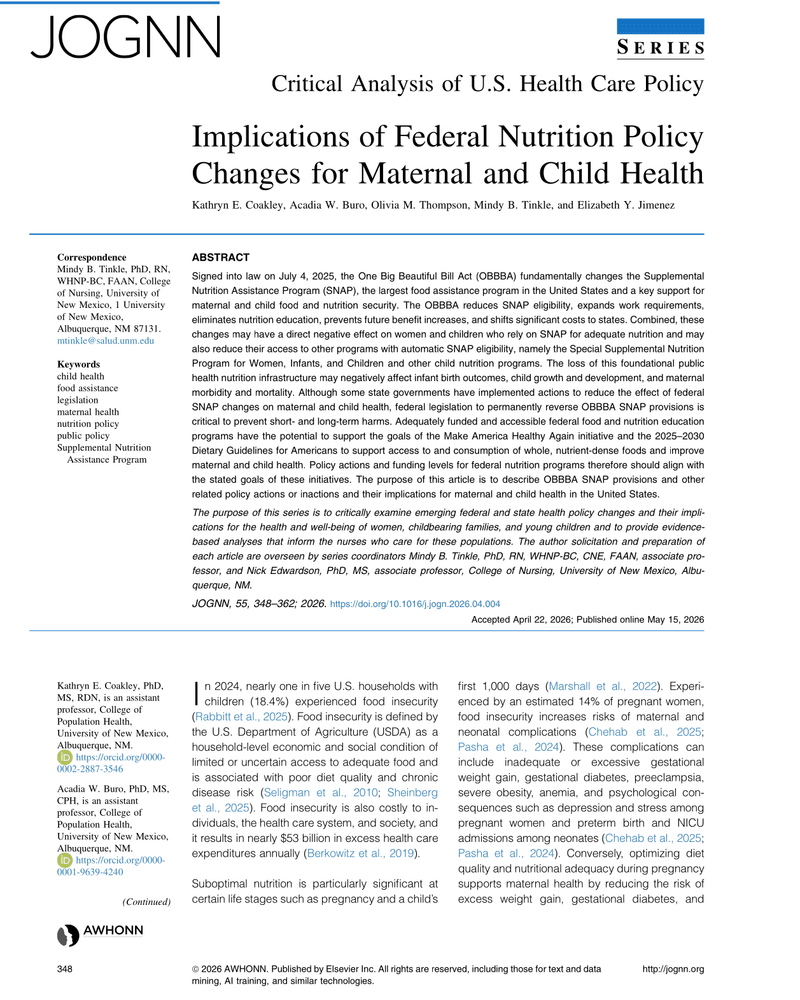
THE SUPPLEMENTAL NUTRITION ASSISTANCE PROGRAM
College of Nursing, University of Acadia
PDF202515 pages1.1 MB
Signed into law on July 4, 2025, the OBBBA fundamentally changes SNAP, the largest food assistance program in the United States. The act reduces SNAP eligibility and expands work requirements, which may negatively impact women and children who depend on SNAP for adequate nutrition. The document discusses the potential adverse effects on maternal and child health outcomes, including infant birth outcomes and child growth and development. It emphasizes the need for federal legislation to reverse harmful provisions of the OBBBA to protect food and nutrition security.
Sign in to open
Ask this resource
Answers use this document only.
Your first question is free.
More like this
Resources from the same specialty and type. Curated links will replace these when added.
Clinical Resources
Documents that extend or complement this resource.
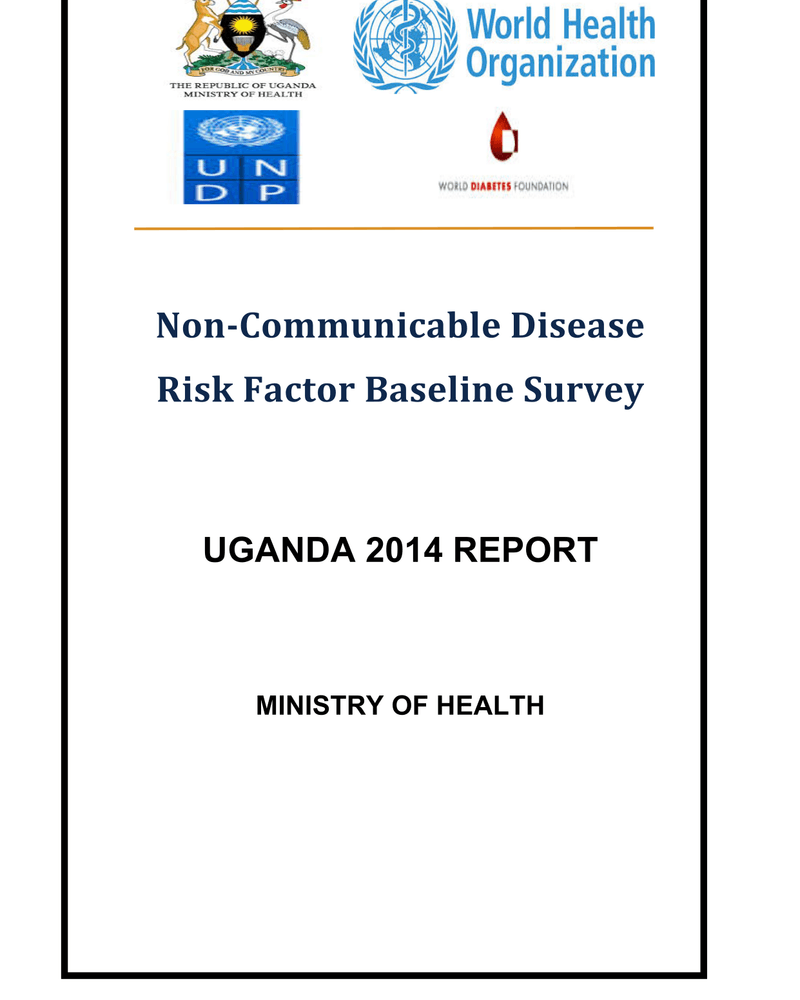
NON -‐ COMMUNICABLE DISEASE RISK FACTOR BASELINE SURVEY UGANDA 2014 REPORT
Same clinical topic · Public Health
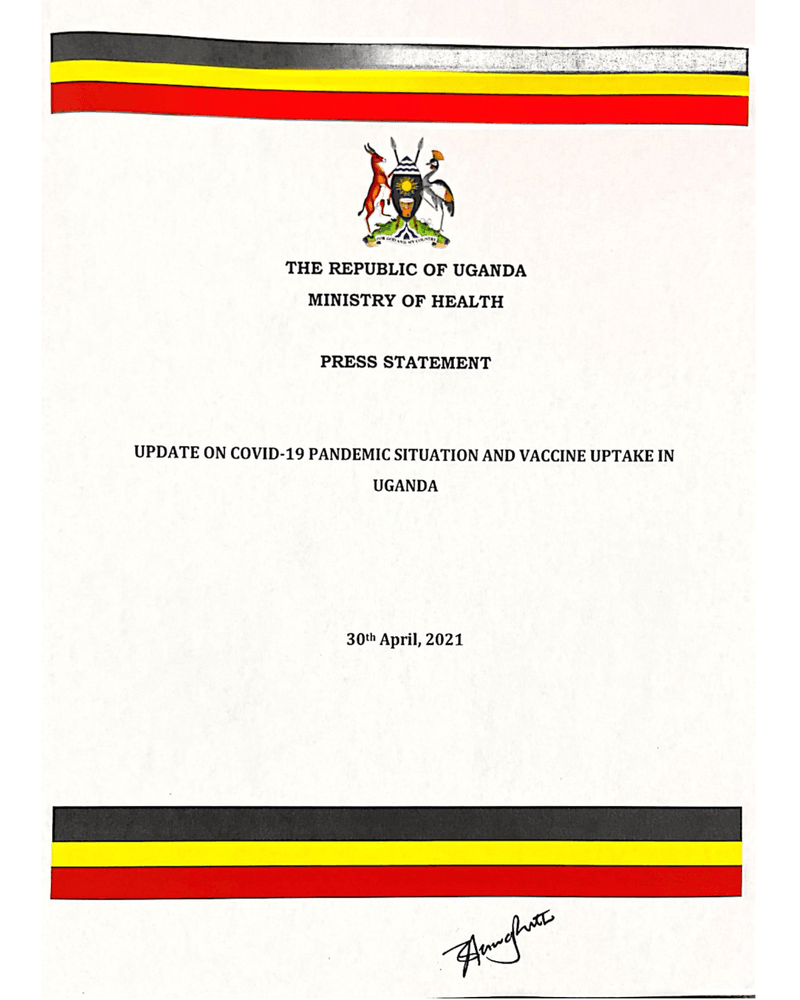
Update April 30 on Covid-19 Pandemic
Same clinical topic · Public Health
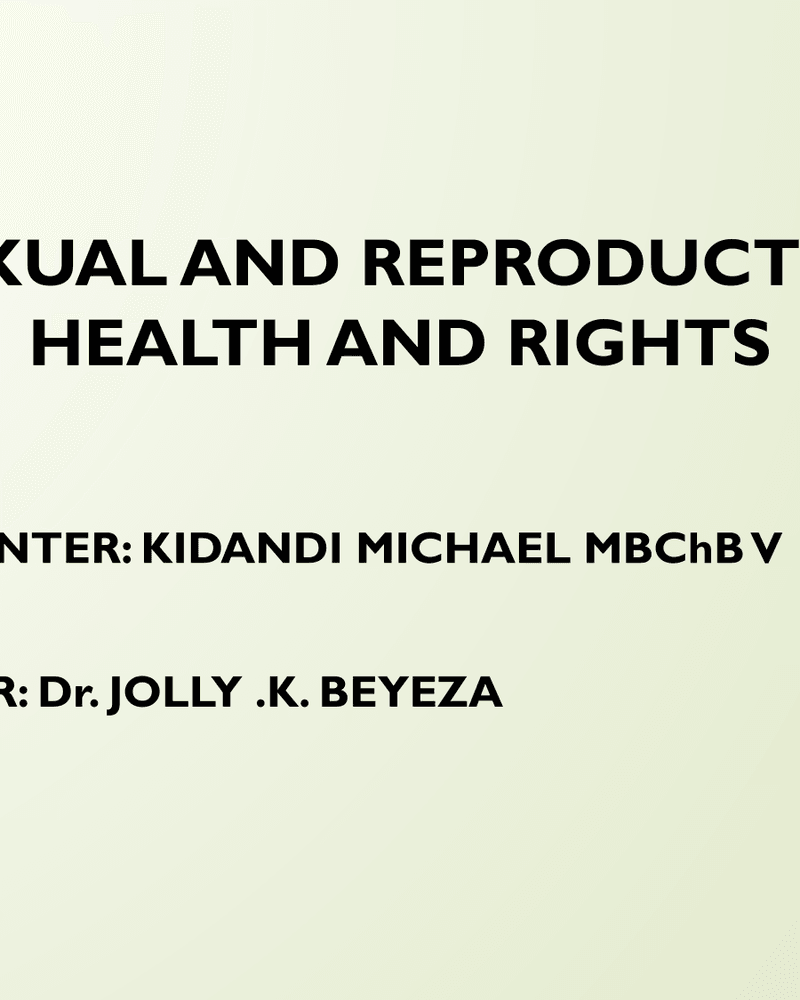
SEXUAL AND REPRODUCTIVE HEALTH AND RIGHTS
Same clinical topic · Public Health
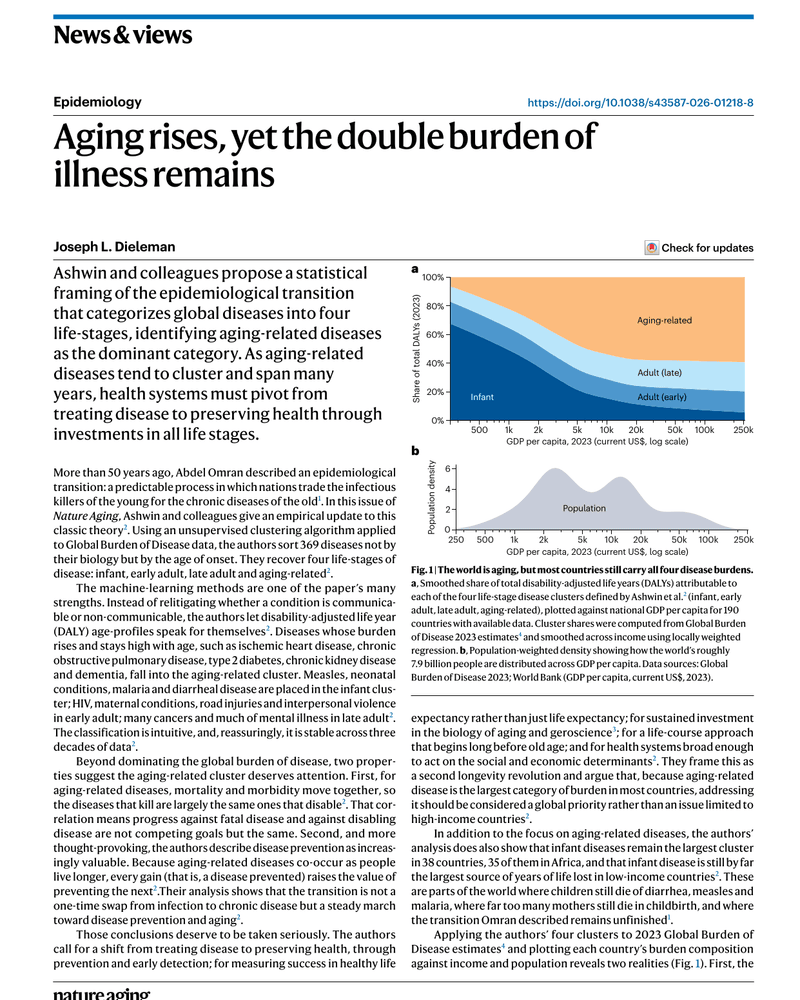
AGING RISES, YET THE DOUBLE BURDEN OF ILLNESS REMAINS
Same clinical topic · Public Health
ENSURE HEALTHY LIVES AND PROMOTE WELL-BEING FOR ALL AT ALL AGES
Same clinical topic · Public Health
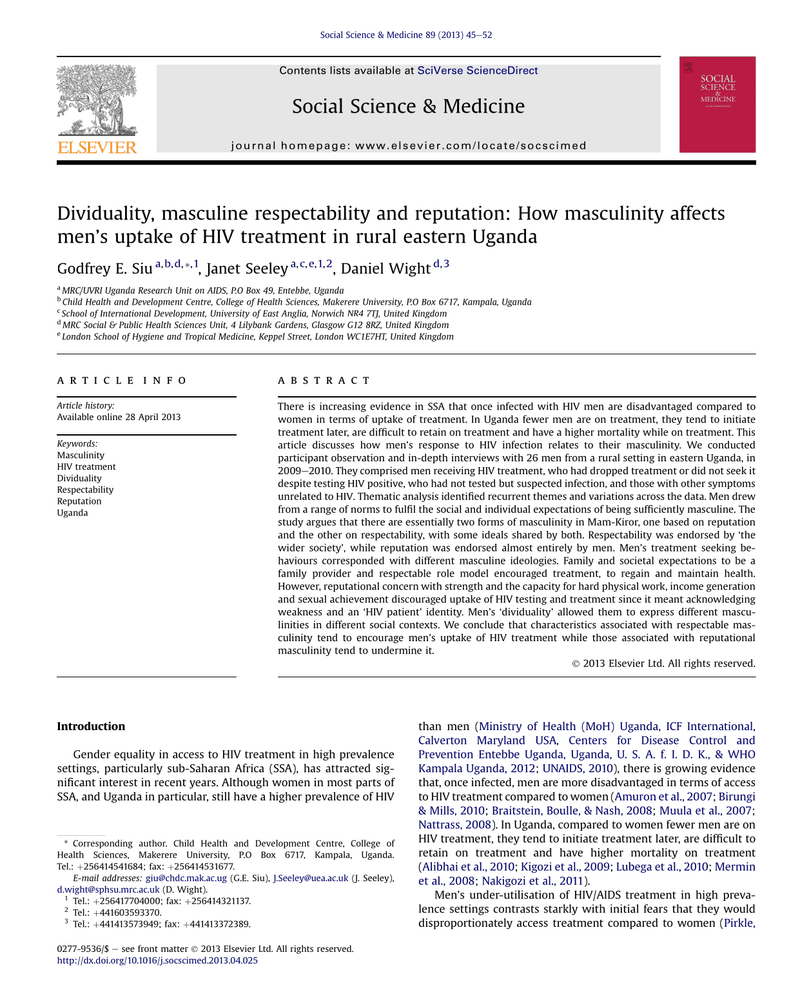
DIVIDUALITY, MASCULINE RESPECTABILITY AND REPUTATION: HOW MASCULINITY AFFECTS MEN’S UPTAKE OF HIV TREATMENT IN RURAL EASTERN UGANDA
Same clinical topic · Public Health
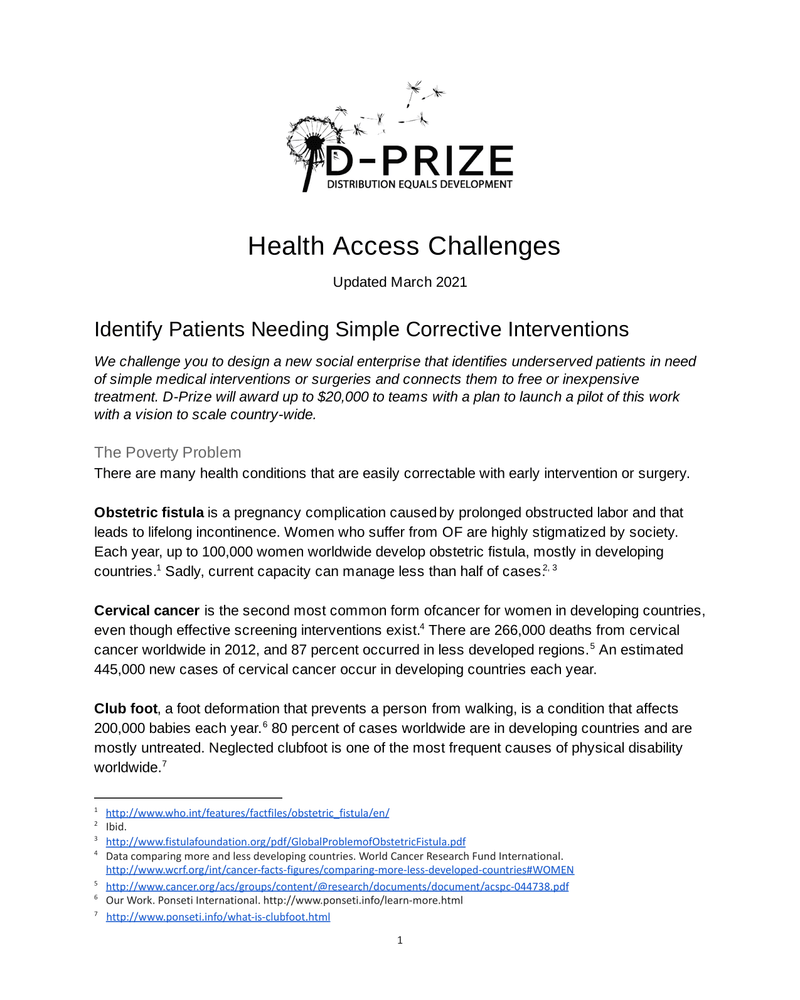
health accessibility challeneg
Same clinical topic · Public Health
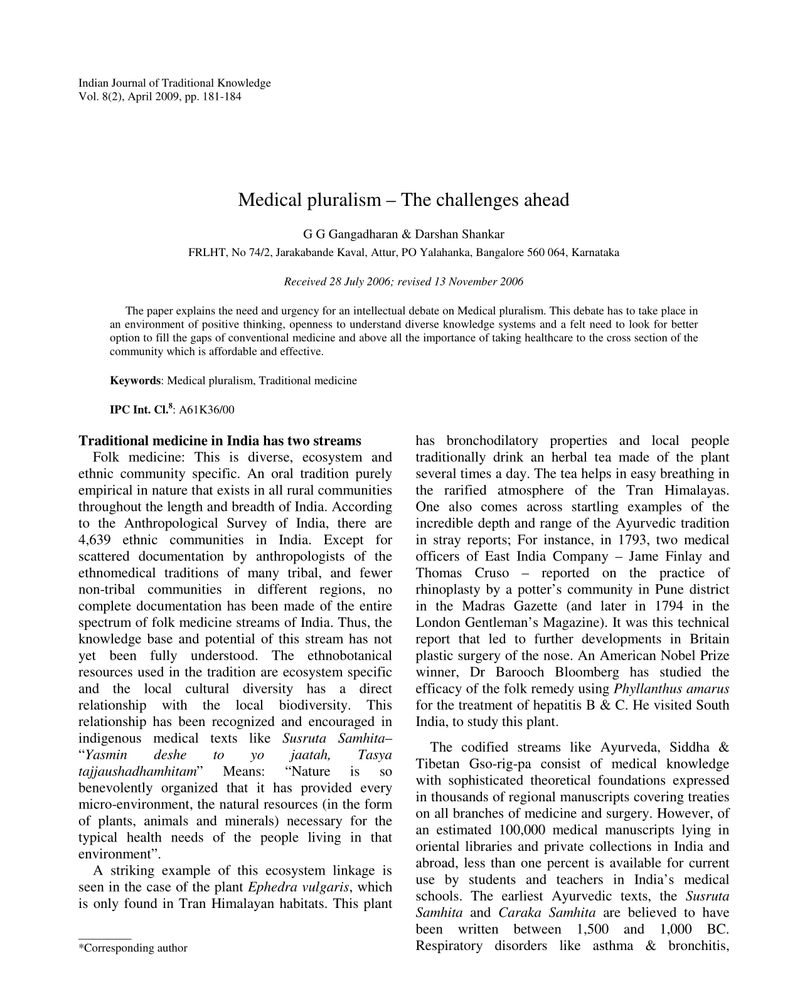
MEDICAL PLURALISM – THE CHALLENGES AHEAD
Same clinical topic · Public Health
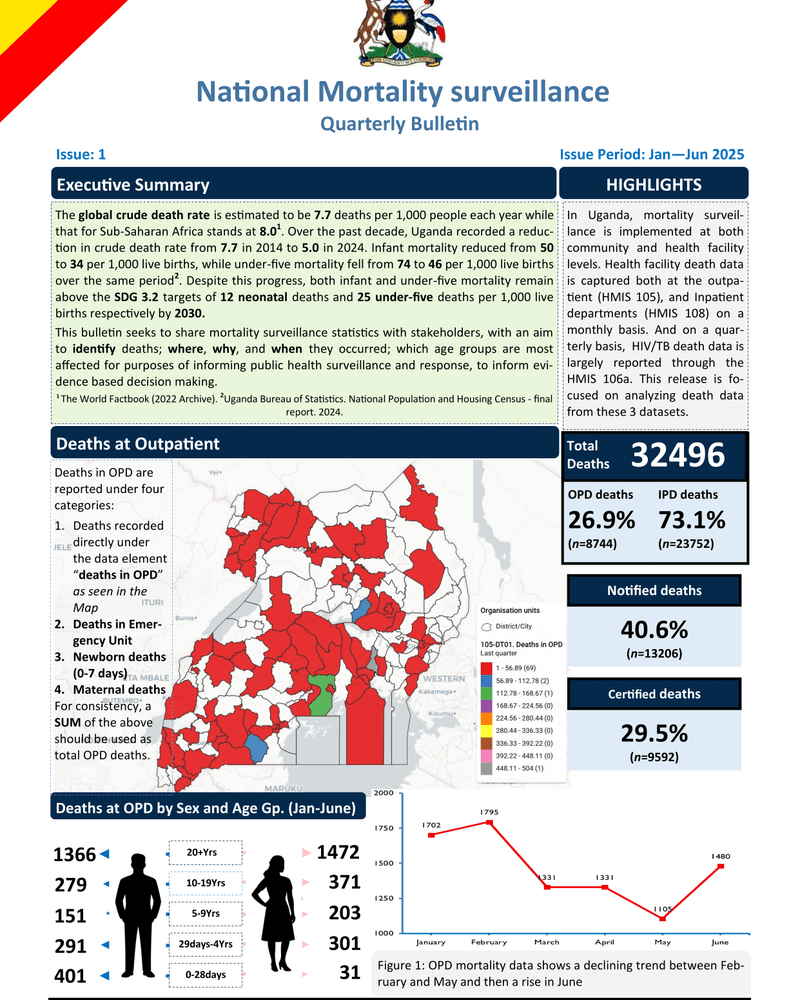
NATIONAL MORTALITY SURVEILLANCE BULLETIN APRIL-JUNE 2025
Same clinical topic · Public Health