Please wait while we open this resource.


K

Clinical reviews
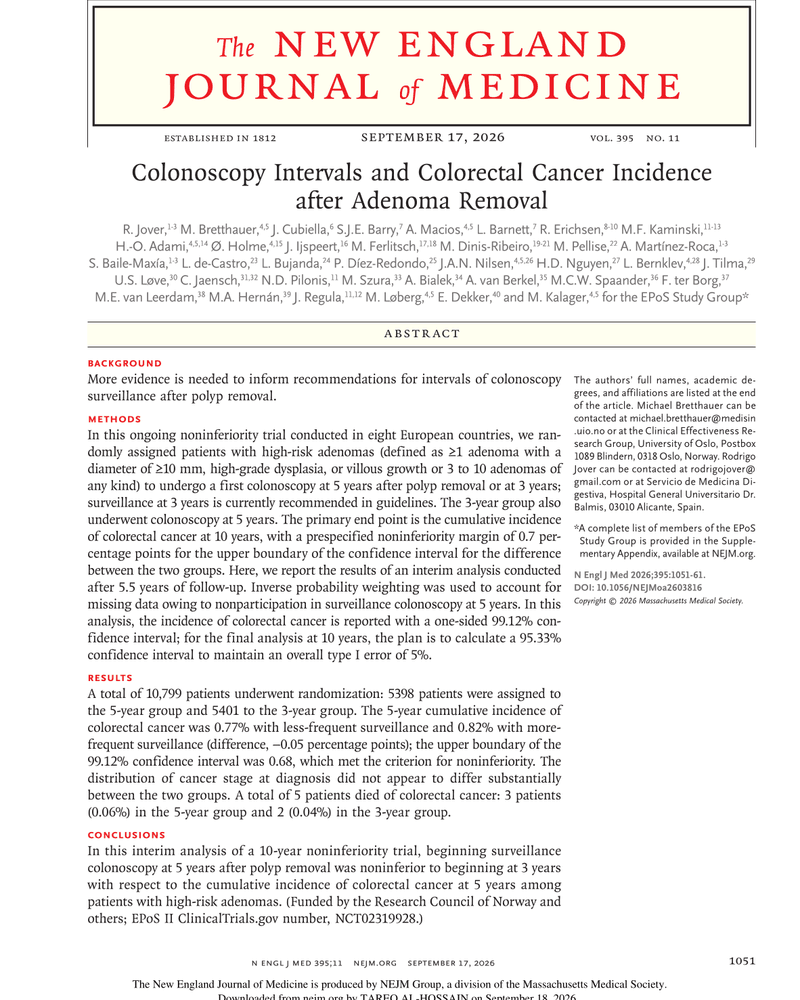
COLONOSCOPY INTERVALS AND COLORECTAL CANCER INCIDENCE AFTER ADENOMA REMOVAL
EPoS Study Group
PDF202611 pages425 KB
The study investigates the effectiveness of extending the interval between colonoscopies for patients with high-risk adenomas. It compares the cumulative incidence of colorectal cancer at 5.5 years between two groups: one undergoing surveillance at 5 years and another at both 3 and 5 years. The findings suggest that extending the interval does not significantly increase cancer risk, providing important insights for clinical guidelines on surveillance practices.
Sign in to open
Ask this resource
Answers use this document only.
Your first question is free.
More like this
Resources from the same specialty and type. Curated links will replace these when added.
Clinical Resources
Documents that extend or complement this resource.
ACUTE PANCREATITIS: MECHANISMS AND THERAPEUTIC APPROACHES
Same clinical topic · Gastroenterology
Functional Dyspepsia
Same clinical topic · Gastroenterology
AGA CLINICAL PRACTICE UPDATE ON EVALUATION AND MANAGEMENT OF REFRACTORY CONSTIPATION: EXPERT REVIEW
Same clinical topic · Gastroenterology
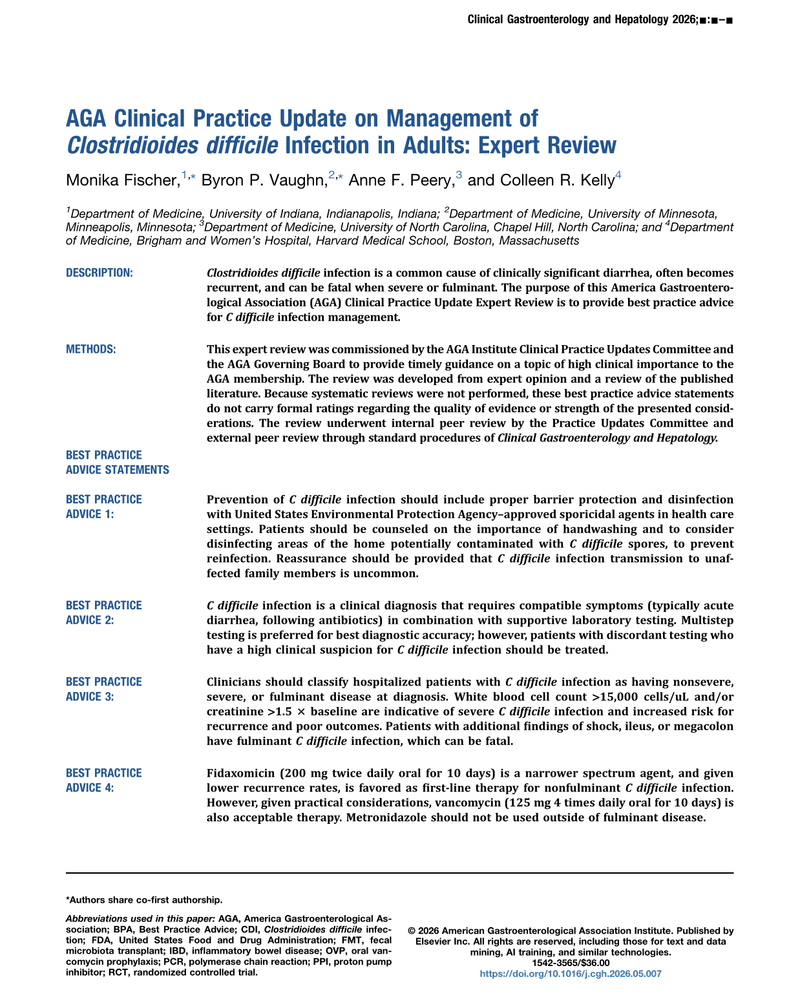
AGA CLINICAL PRACTICE UPDATE ON MANAGEMENT OF CLOSTRIDIOIDES DIFFICILE INFECTION IN ADULTS: EXPERT REVIEW
Same clinical topic · Gastroenterology
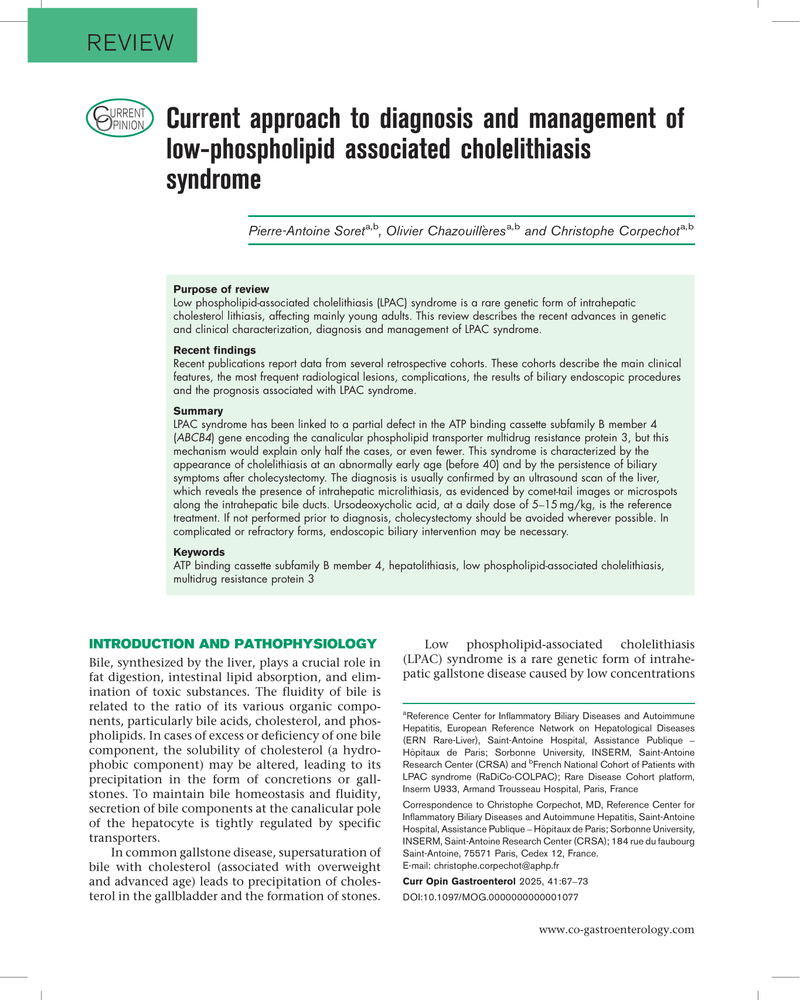
CURRENT APPROACH TO DIAGNOSIS AND MANAGEMENT OF LOW-PHOSPHOLIPID ASSOCIATED CHOLELITHIASIS SYNDROME
Same clinical topic · Gastroenterology
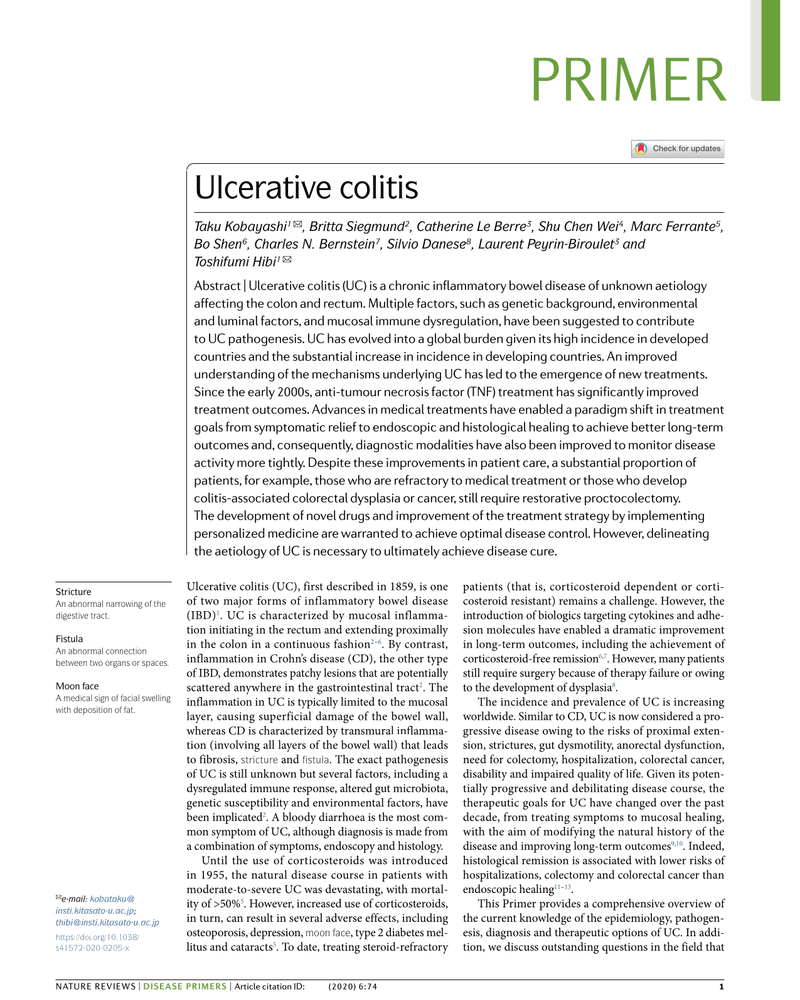
PRIMER Ulcerative colitis
Same clinical topic · Gastroenterology
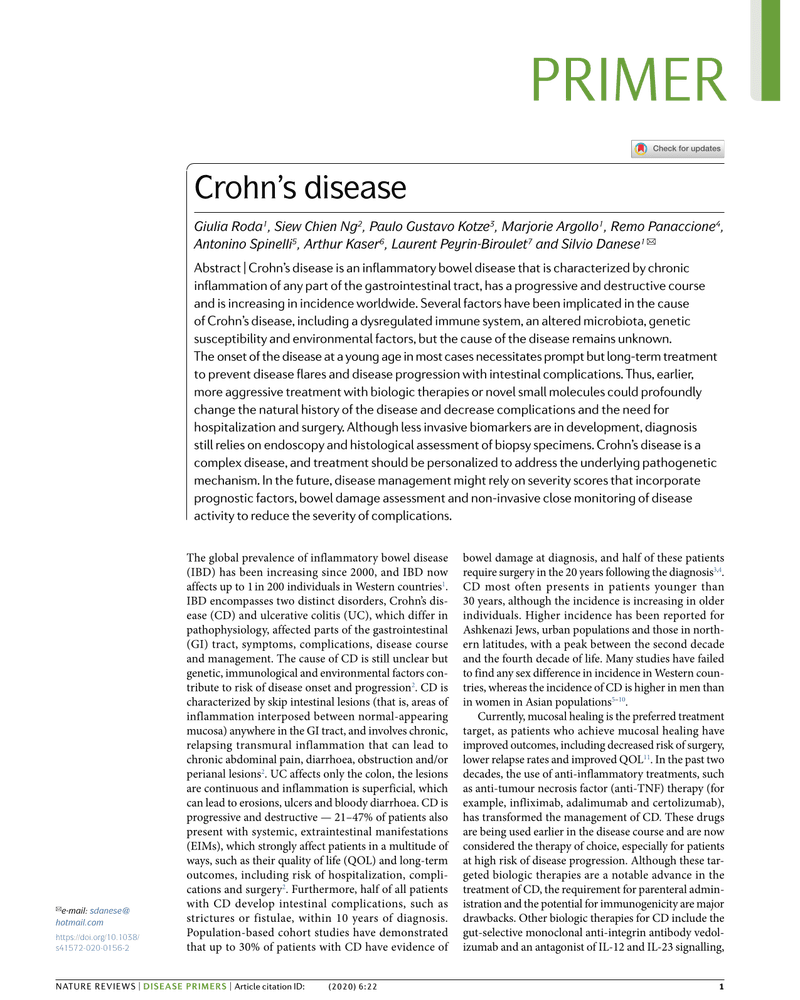
PRIMER CROHN’S DISEASE
Same clinical topic · Gastroenterology
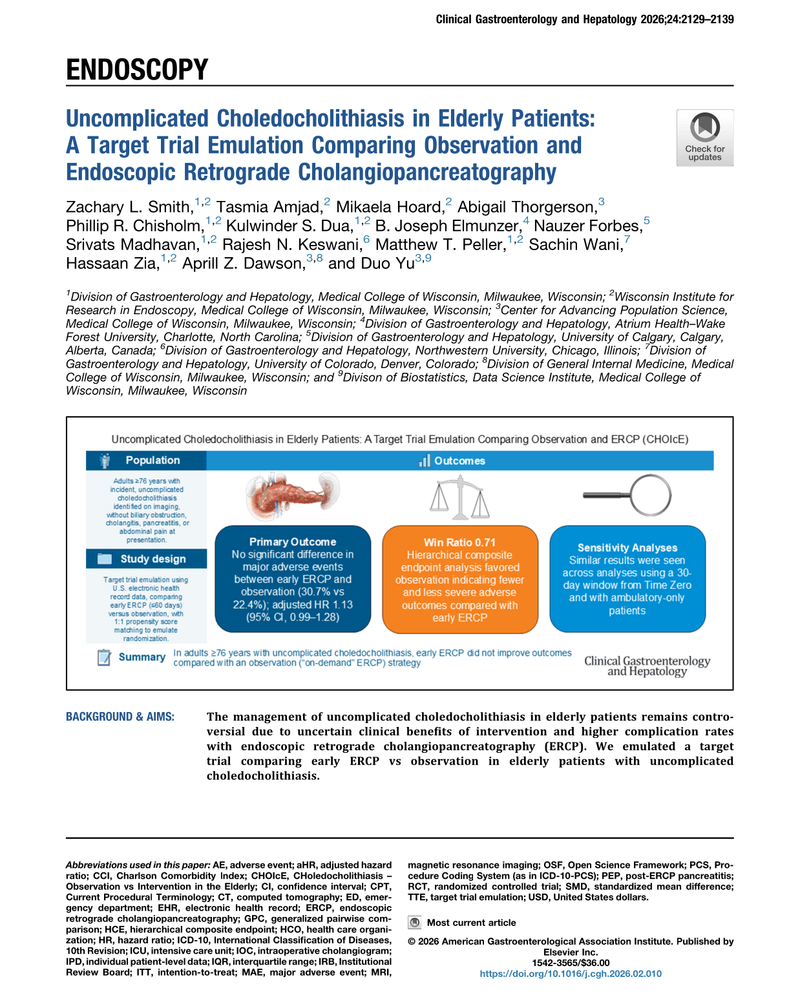
UNCOMPLICATED CHOLEDOCHOLITHIASIS IN ELDERLY PATIENTS: A TARGET TRIAL EMULATION COMPARING OBSERVATION AND ENDOSCOPIC RETROGRADE CHOLANGIOPANCREATOGRAPHY
Same clinical topic · Gastroenterology
CELIAC DISEASE
Same clinical topic · Gastroenterology