Preparing your experience, please wait…


K


Clinical reviews
EVALUATION AND MANAGEMENT OF NEUROLOGIC COMPLICATIONS OF SEPSIS
Vanessa F. Moreira Ferreira, MD, Anna M. Cervantes-Arslanian, MD
PDF12 pages938 KB
Neurologic complications are common in patients with sepsis and are associated with worse outcomes, increased length of stay, and long-term disability. The document highlights diagnostic challenges and reviews diagnostic pathways involving neuroimaging and laboratory studies. It emphasizes key exam findings, diagnostic strategies, and management principles for various neurologic complications. Additionally, it discusses the evolving understanding of central nervous system involvement in sepsis and the long-term neurologic consequences.
No account needed
Discuss clinical evidence & guidelines
Examine in Ask OslerAsk this resource
Answers from this document onlyPersistent unexplained encephalopathy: consider brain MRI
“However, if encephalopathy persists without a clear cause, more advanced imaging, such as brain MRI, is recommended. Brain MRI can help identify small ischemic strokes or microhemorrhages, which may be below the level of resolution on non-contrast head CT scan, and may provide further insight into the underlying pathology for the presentation of mental status abnormalities.”
More like this
Resources from the same specialty and type. Curated links will replace these when added.
Clinical Resources
Documents that extend or complement this resource.
Traumatic Brain Injury
Same clinical topic · Neurology
An update on management of subarachnoid haemorrhage
Same clinical topic · Neurology
SEXUAL ACTIVITY AS A TRIGGER FOR INTRACRANIAL HEMORRHAGE
Same clinical topic · Neurology
Early Anticoagulation in Acute Ischemic Stroke With Atrial Fibrillation
Same clinical topic · Neurology
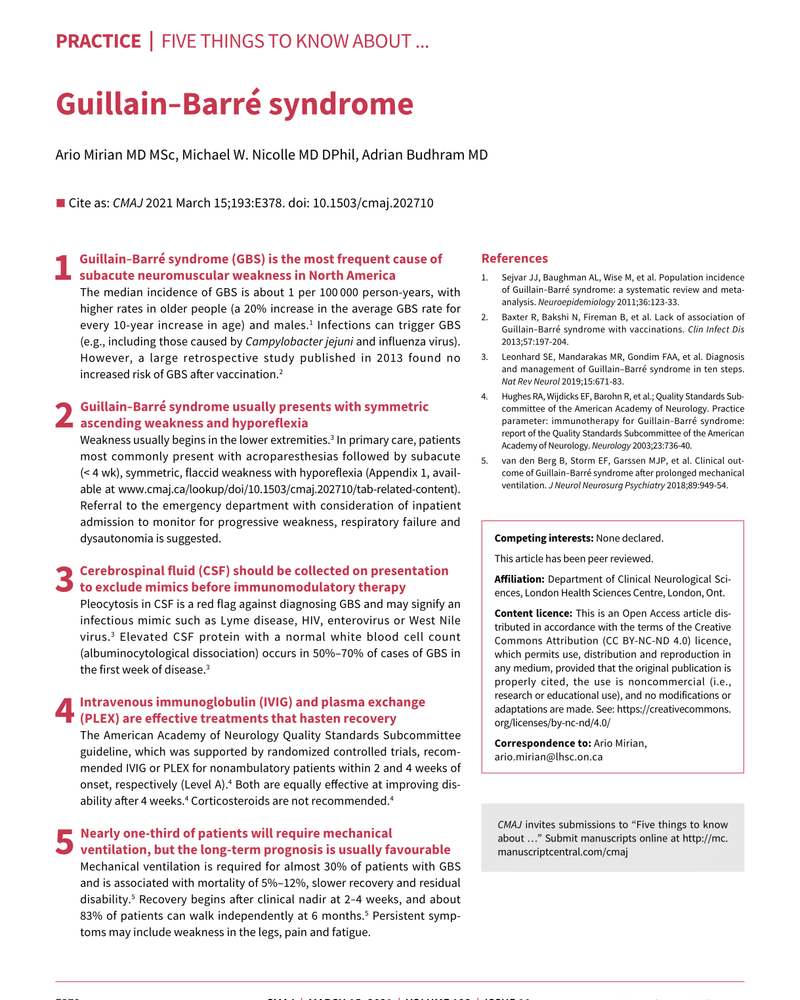
GUILLAIN-BARRÉ SYNDROME
Same clinical topic · Neurology
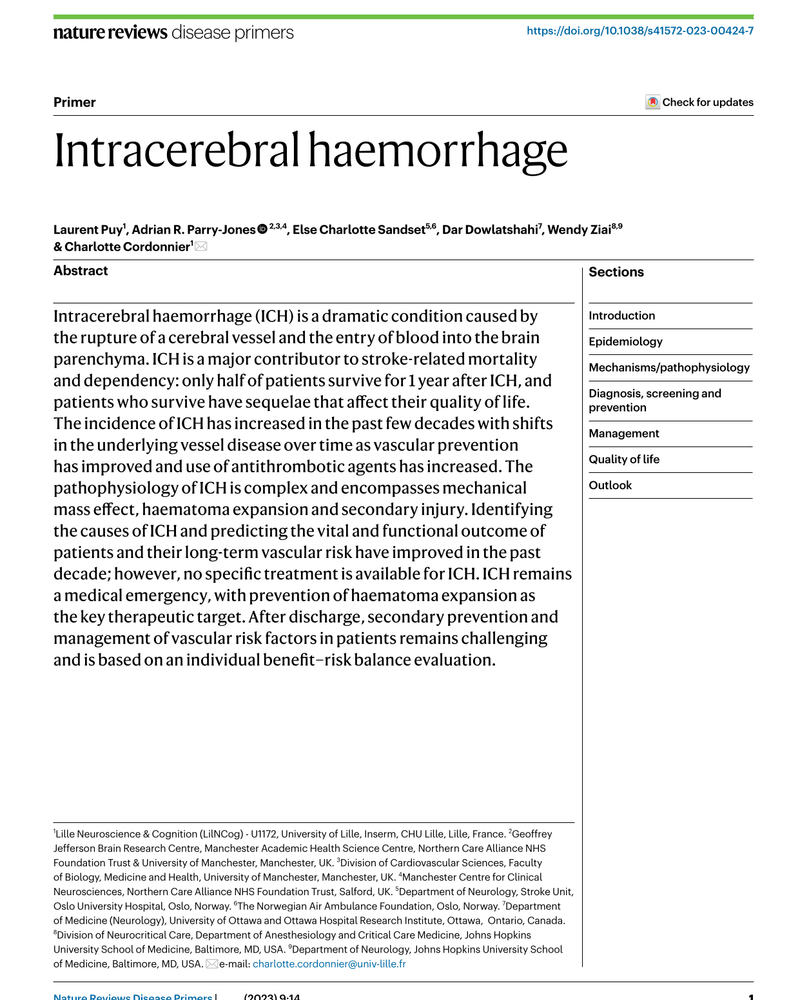
INTRACEREBRAL HAEMORRHAGE
Same clinical topic · Neurology
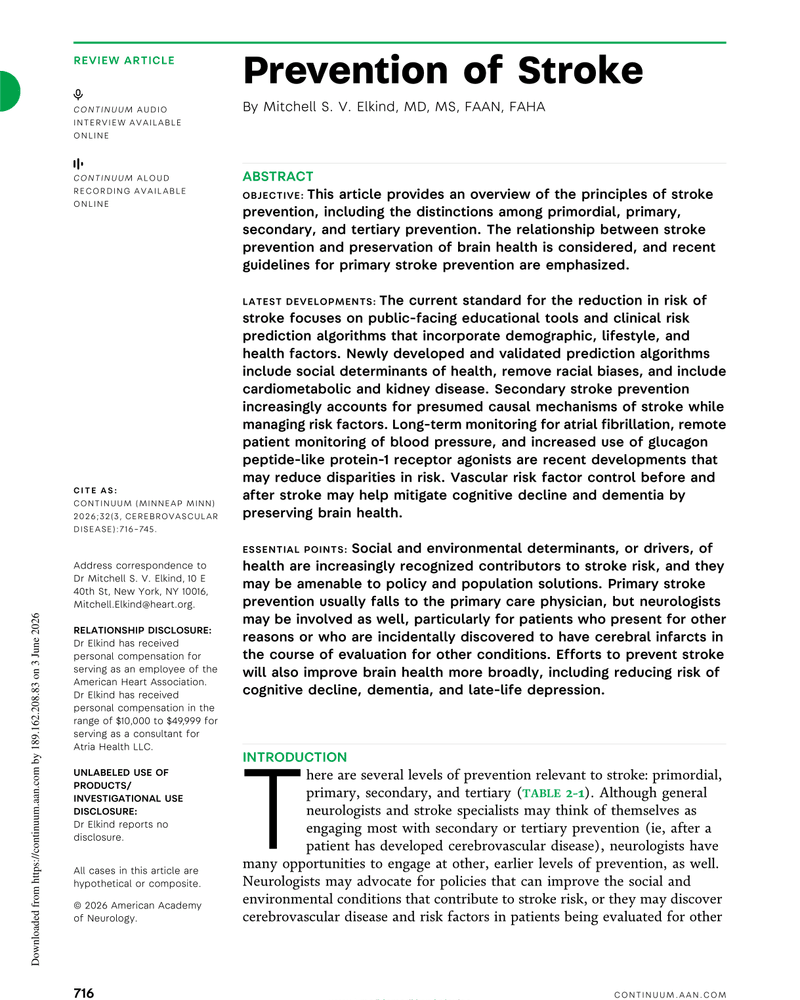
PREVENTION OF STROKE
Same clinical topic · Neurology
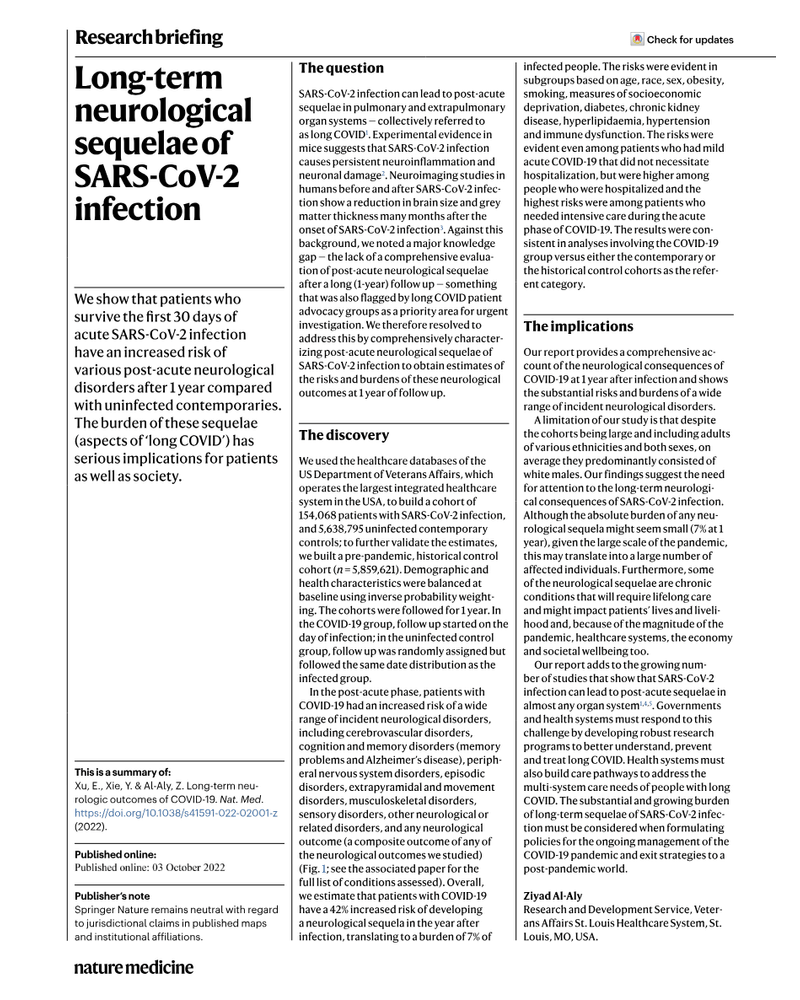
LONG-TERM NEUROLOGICAL SEQUELAE OF SARS-CoV-2 INFECTION
Same clinical topic · Neurology
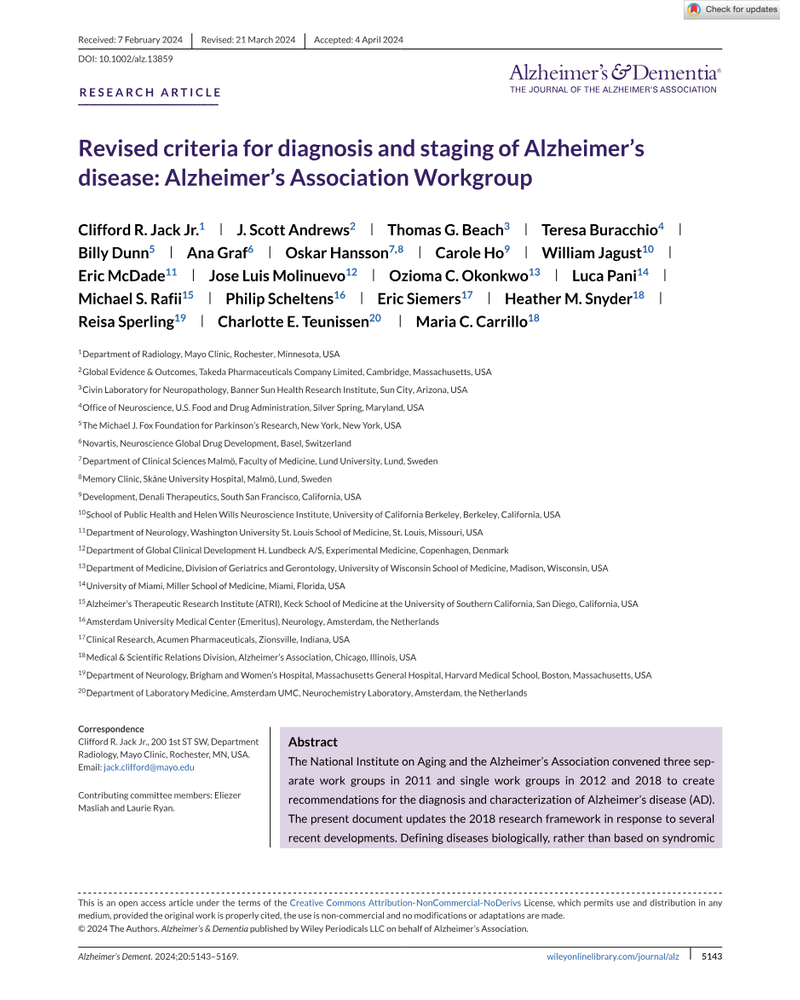
REVISED CRITERIA FOR DIAGNOSIS AND STAGING OF ALZHEIMER’S DISEASE
Same clinical topic · Neurology