Please wait while we open this resource.


K

Clinical reviews
PREVENTION OF STROKE
null
PDF202630 pages3.6 MB
The article discusses the current standards for reducing stroke risk, focusing on public-facing educational tools and clinical risk prediction algorithms that incorporate various health factors. It highlights the importance of social determinants of health and recent developments in secondary stroke prevention, including long-term monitoring for atrial fibrillation and the use of specific medications. The role of primary care physicians and neurologists in stroke prevention is also examined, particularly in managing risk factors and addressing disparities in stroke risk.
Sign in to open
Ask this resource
Answers use this document only.
Your first question is free.
More like this
Resources from the same specialty and type. Curated links will replace these when added.
Clinical Resources
Documents that extend or complement this resource.
Traumatic Brain Injury
Same clinical topic · Neurology
Classification of the Epilepsies
Same clinical topic · Neurology
Neuroimaging Patterns of Intracranial Infections: Meningitis, Cerebritis, and Their Complications
Same clinical topic · Neurology
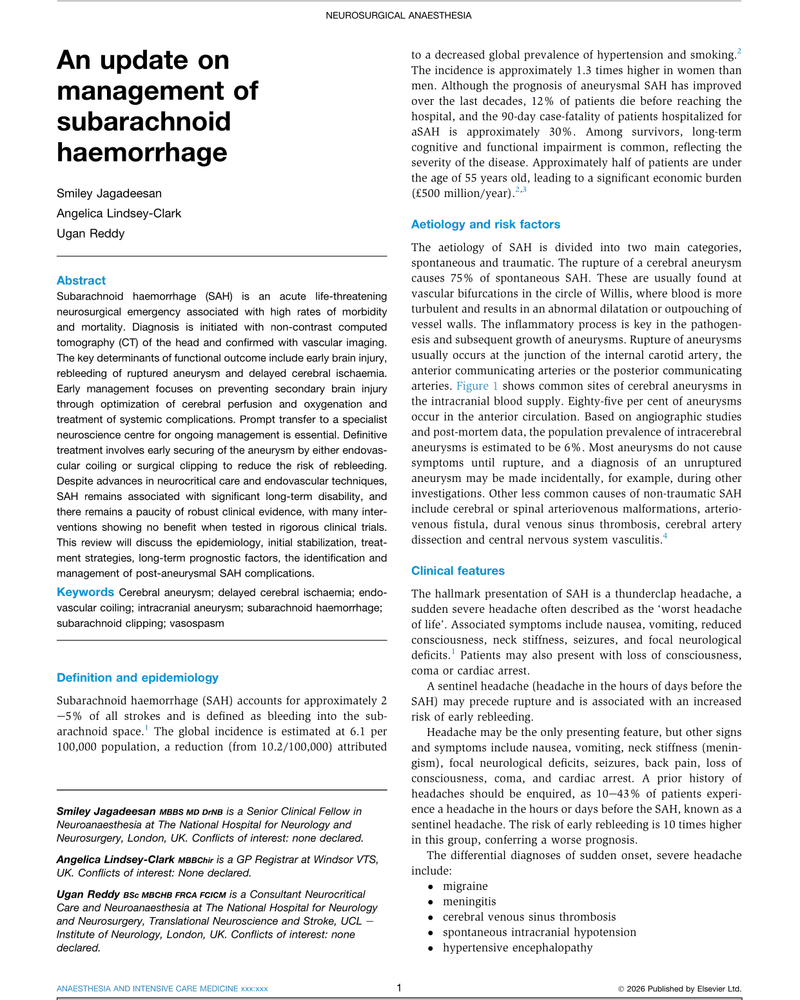
An update on management of subarachnoid haemorrhage
Same clinical topic · Neurology
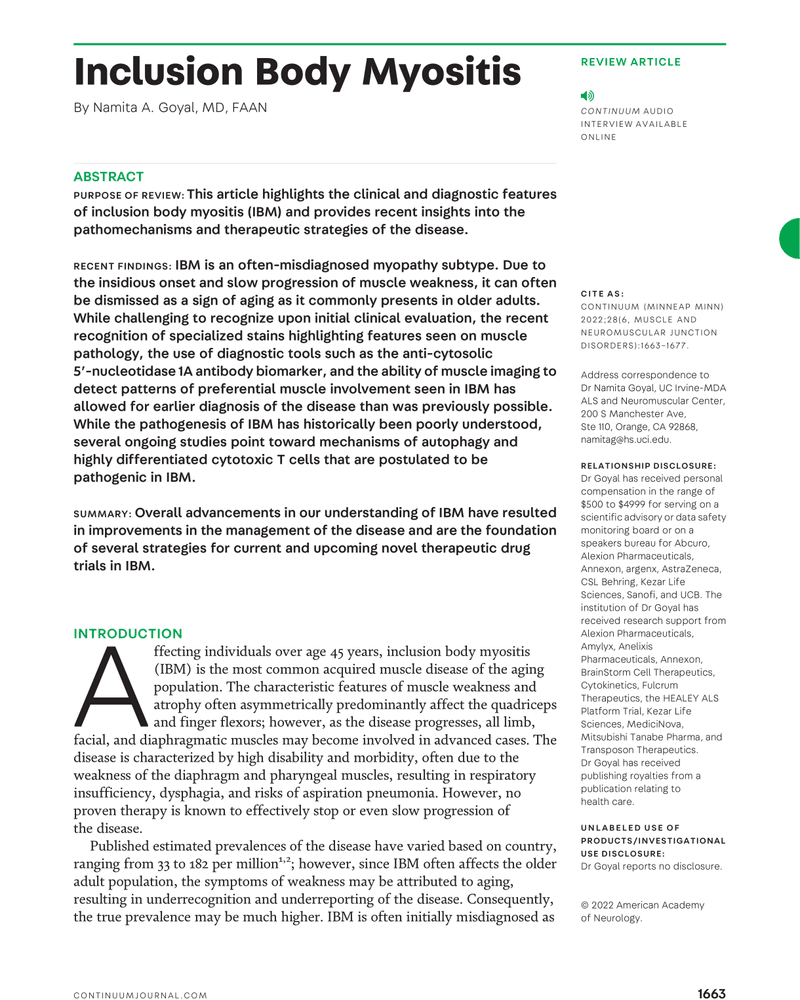
INCLUSION BODY MYOSITIS
Same clinical topic · Neurology
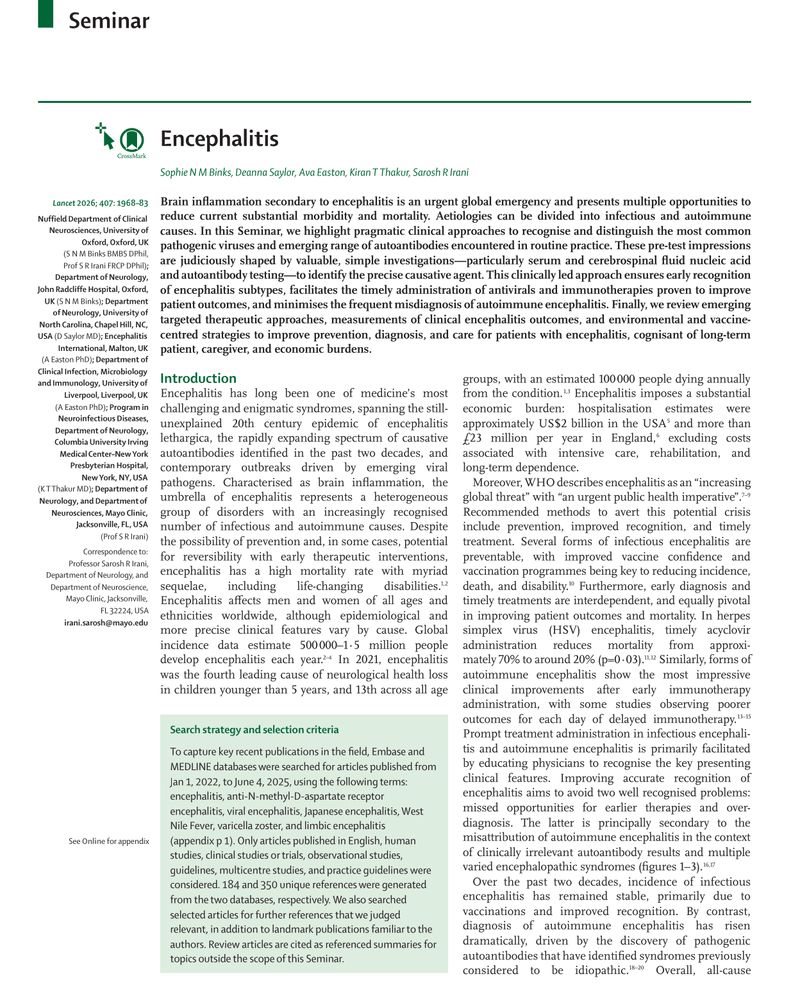
ENCEPHALITIS
Same clinical topic · Neurology
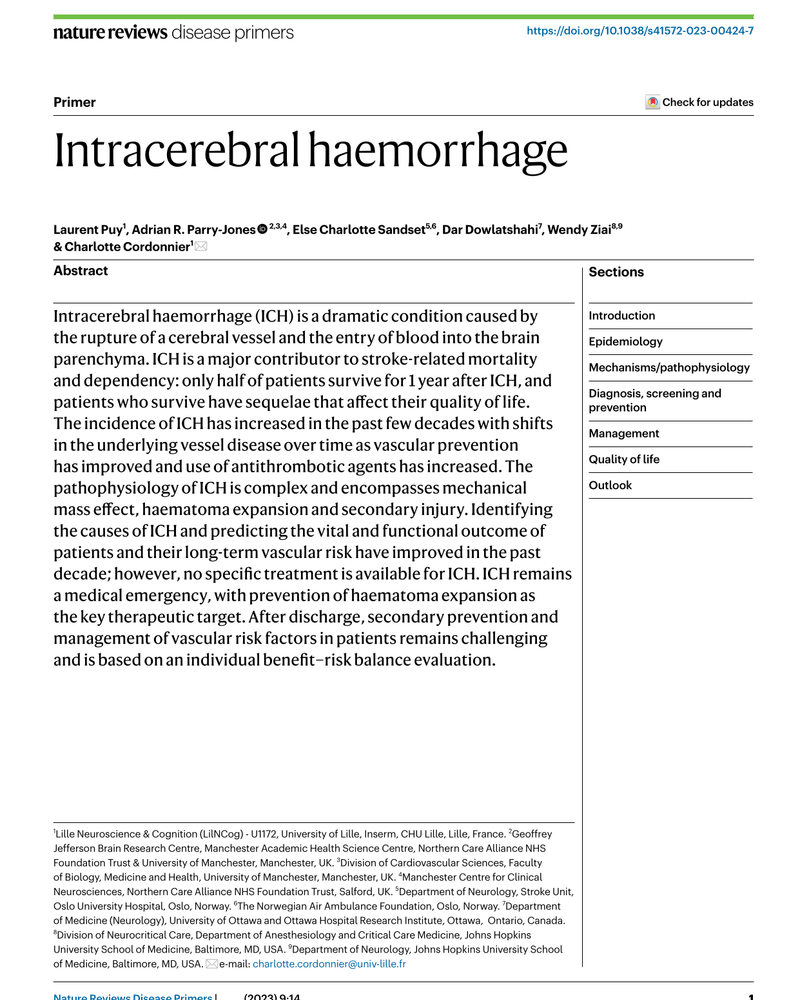
INTRACEREBRAL HAEMORRHAGE
Same clinical topic · Neurology
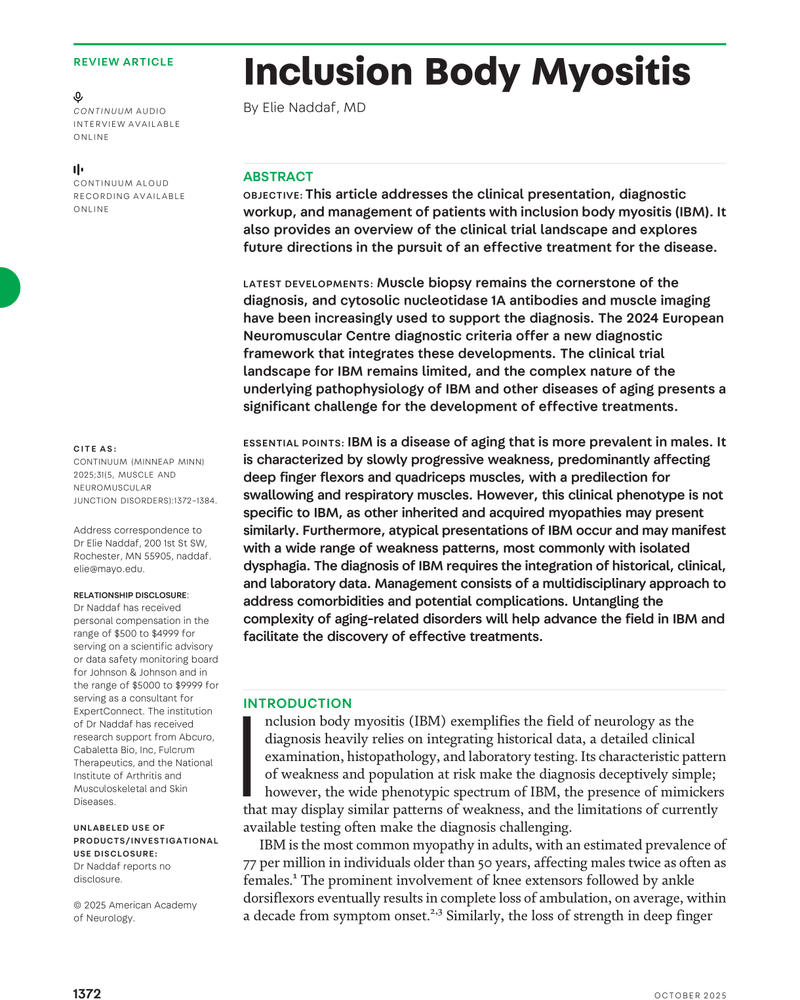
INCLUSION BODY MYOSITIS
Same clinical topic · Neurology
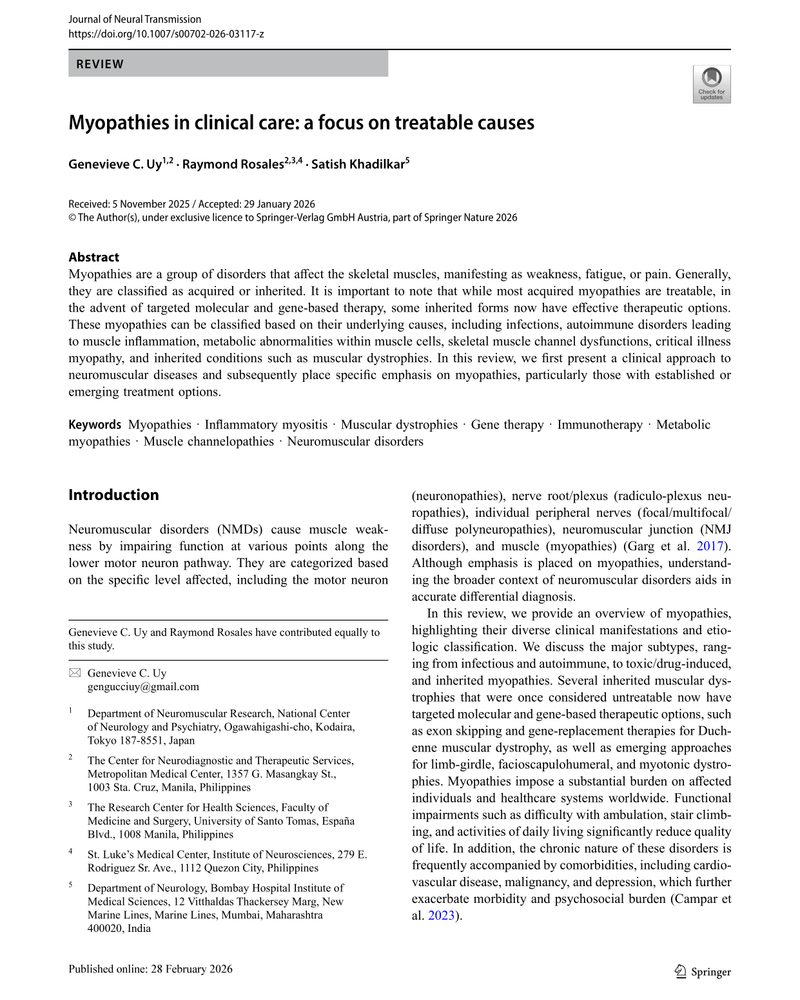
MYOPATHIES IN CLINICAL CARE: A FOCUS ON TREATABLE CAUSES
Same clinical topic · Neurology