Please wait while we open this resource.


K

Clinical reviews
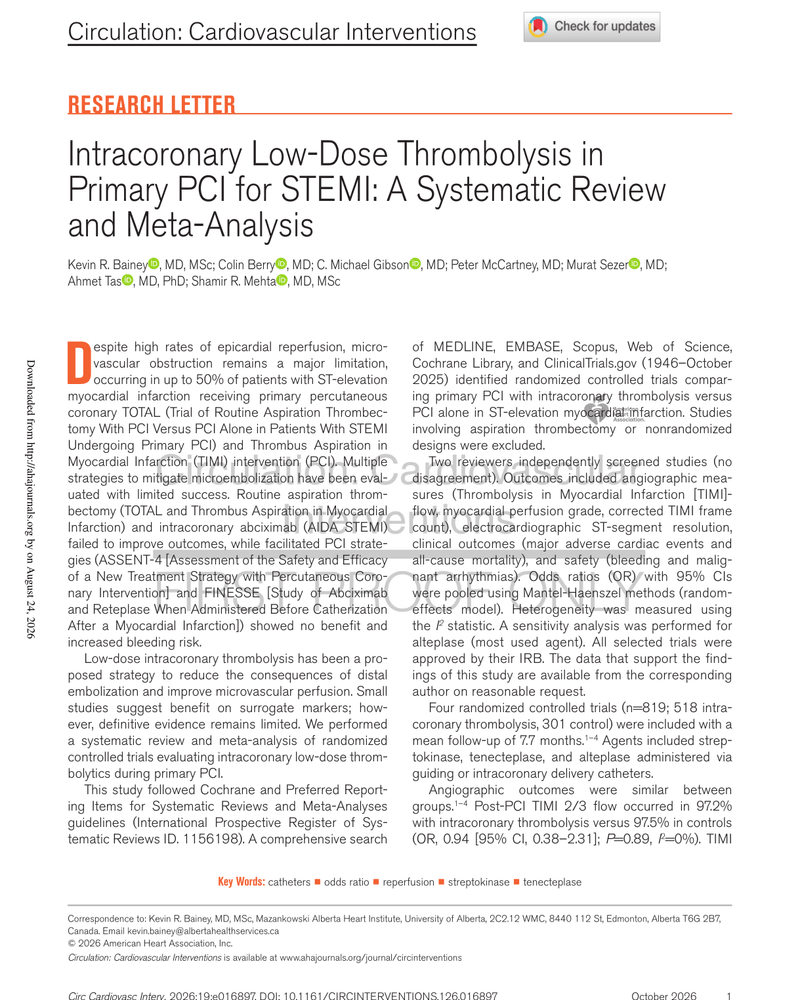
Intracoronary Low-Dose Thrombolysis in Primary PCI for STEM
Kevin R. Bainey, MD, MSc
PDF20263 pages430 KB
The authors screened major databases (MEDLINE, EMBASE, Scopus, Web of Science, Cochrane Library, ClinicalTrials.gov) and identified four randomized controlled trials. pooled analyses showed no improvement in epicardial flow, myocardial perfusion, or clinical outcomes with adjunctive low‑dose intracoronary thrombolysis. Safety signals included a trend toward increased ventricular arrhythmias and bleeding. Subgroup analyses (e.g., alteplase‑based trials) did not alter the null findings. The review highlights the limited benefit of this strategy and underscores the need for alternative approaches to microvascular obstruction in STEMI.
Sign in to open
Ask this resource
Answers use this document only.
Your first question is free.
More like this
Resources from the same specialty and type. Curated links will replace these when added.
Clinical Resources
Documents that extend or complement this resource.
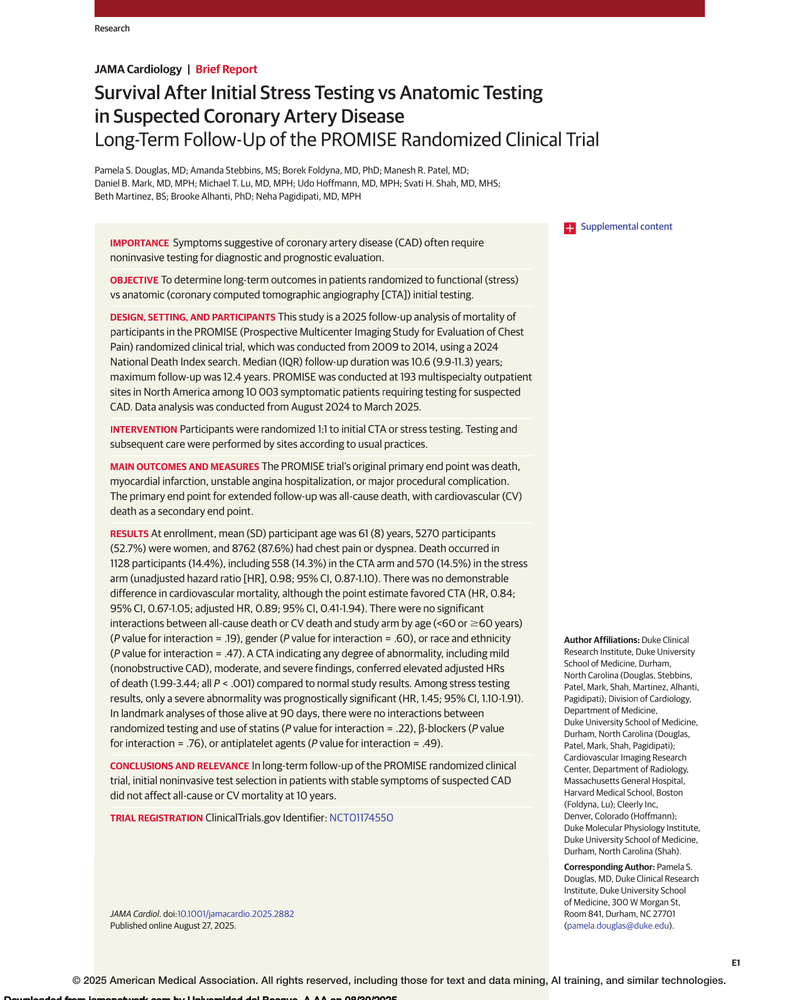
SURVIVAL AFTER INITIAL STRESS TESTING VS ANATOMIC TESTING IN SUSPECTED CORONARY ARTERY DISEASE
Same clinical topic · Cardiology
PRACTICAL CARDIO-ONCOLOGY
Same clinical topic · Cardiology
OXFORD CARDIOLOGY LIBRARY: Hypertension
Same clinical topic · Cardiology
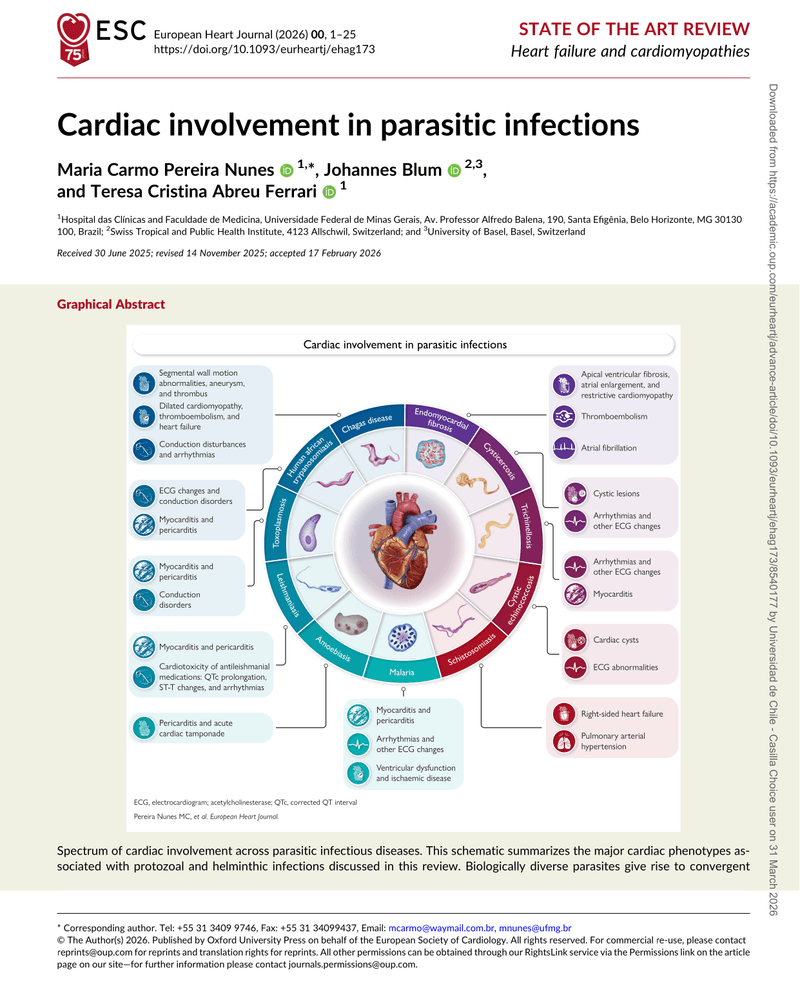
CARDIAC INVOLVEMENT IN PARASITIC INFECTIONS
Same clinical topic · Cardiology

The Athlete’s ECG
Same clinical topic · Cardiology
Antigen carbohydrate 125 as a biomarker in heart failure: a narrative review
Same clinical topic · Cardiology
Current ECG Aspects of Interatrial Block
Same clinical topic · Cardiology
Arrhythmic mitral valve prolapse in 2023: Evidence-based update
Same clinical topic · Cardiology
INTERPRETING THE NORMAL PACEMAKER
Same clinical topic · Cardiology