Please wait while we open this resource.


K

Clinical reviews
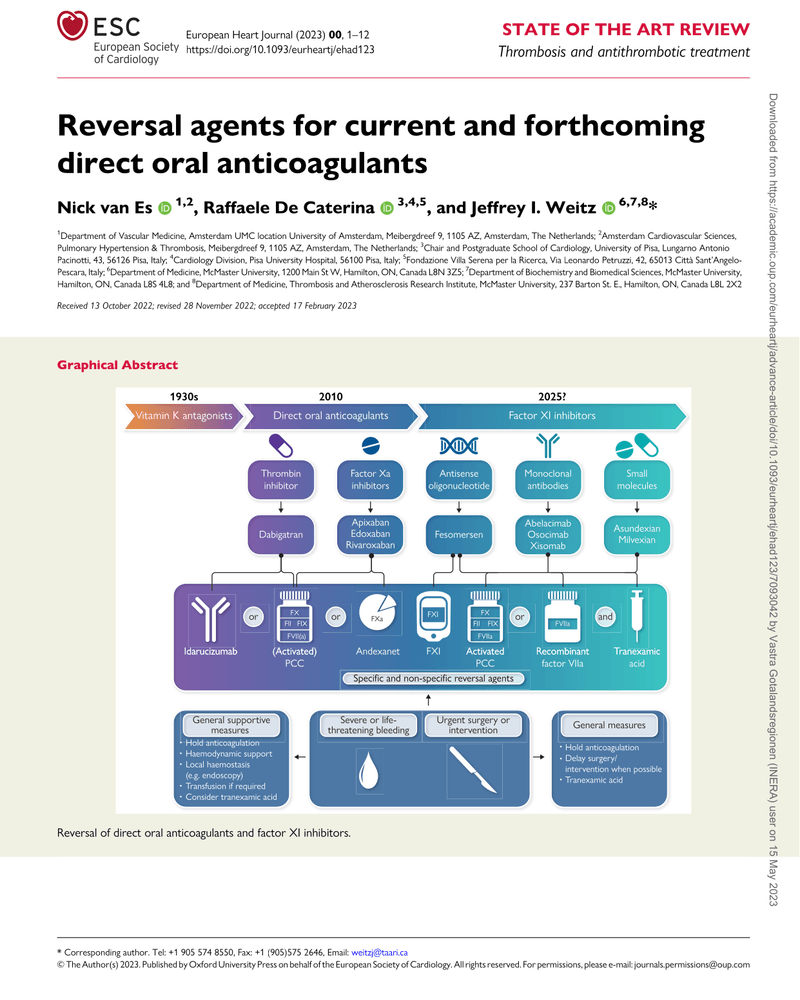
REVERSAL AGENTS FOR CURRENT AND FORTHCOMING DIRECT ORAL ANTICOAGULANTS
Amsterdam UMC, University of Pisa, McMaster University
PDF202312 pages1.9 MB
Over the past two decades, there has been a significant transition from vitamin K antagonists to direct oral anticoagulants (DOACs), which include agents like dabigatran and factor Xa inhibitors such as apixaban, edoxaban, and rivaroxaban. Despite their advantages, DOACs can still lead to bleeding, especially in vulnerable populations. The document reviews existing and emerging reversal agents, including ciraparantag, and highlights the need for further research to establish optimal strategies for managing bleeding in patients on these anticoagulants.
Sign in to open
Ask this resource
Answers use this document only.
Your first question is free.
More like this
Resources from the same specialty and type. Curated links will replace these when added.
Clinical Resources
Documents that extend or complement this resource.
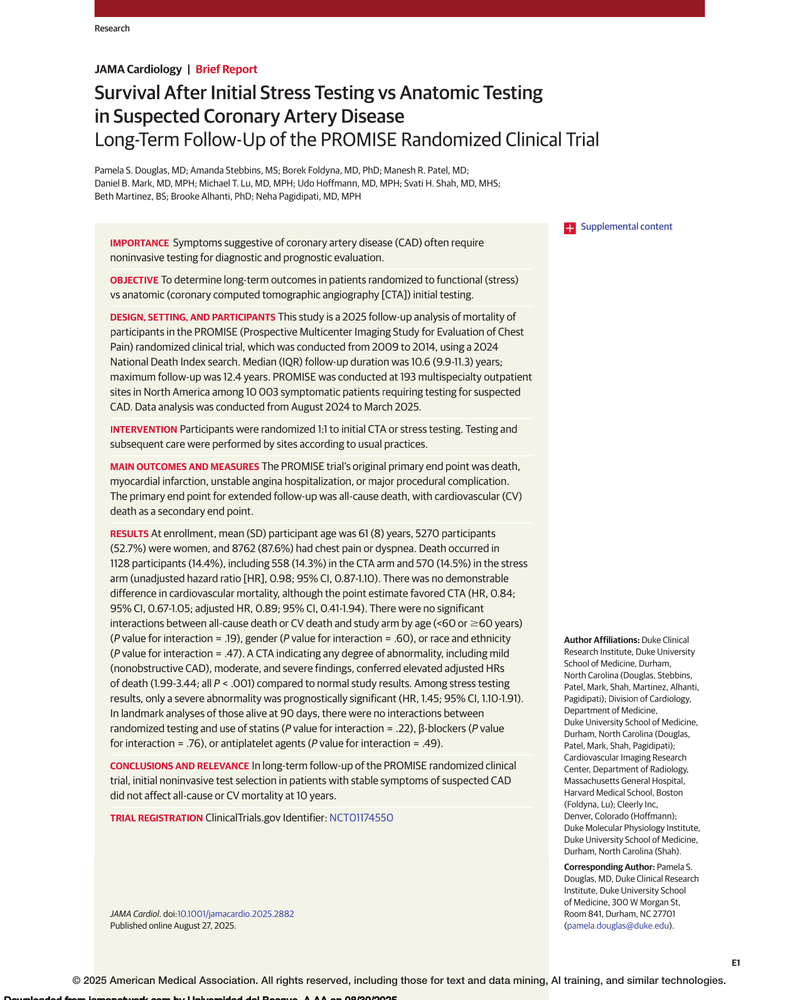
SURVIVAL AFTER INITIAL STRESS TESTING VS ANATOMIC TESTING IN SUSPECTED CORONARY ARTERY DISEASE
Same clinical topic · Cardiology
PRACTICAL CARDIO-ONCOLOGY
Same clinical topic · Cardiology
OXFORD CARDIOLOGY LIBRARY: Hypertension
Same clinical topic · Cardiology
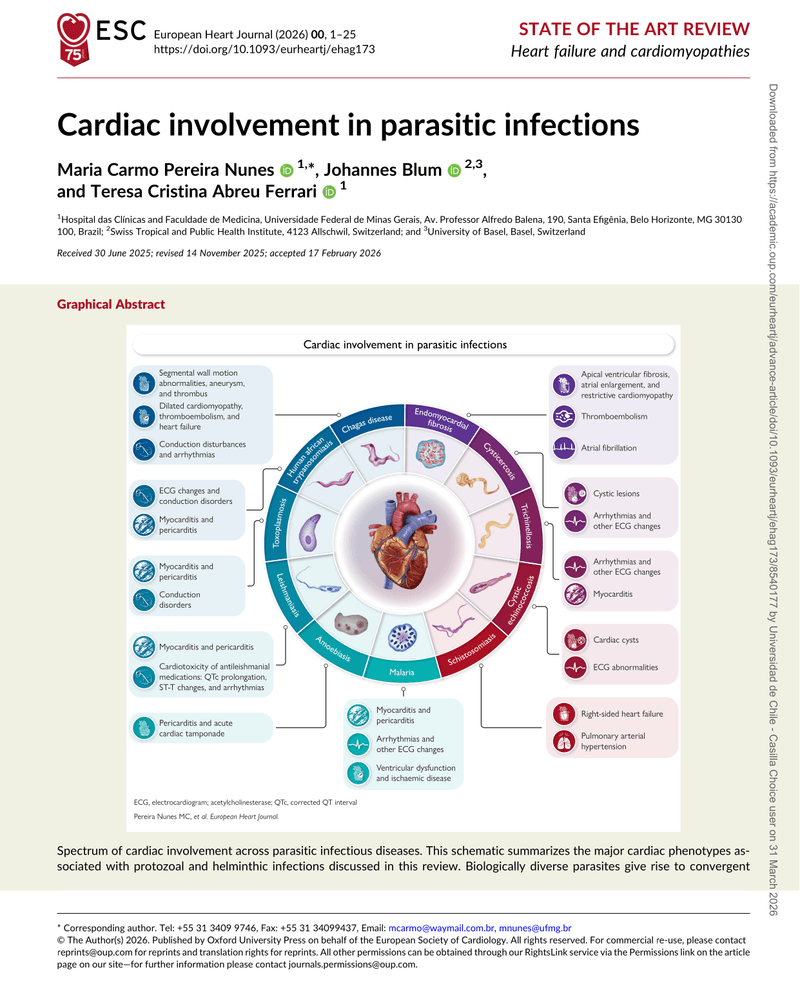
CARDIAC INVOLVEMENT IN PARASITIC INFECTIONS
Same clinical topic · Cardiology
The Athlete’s ECG
Same clinical topic · Cardiology
Antigen carbohydrate 125 as a biomarker in heart failure: a narrative review
Same clinical topic · Cardiology
Current ECG Aspects of Interatrial Block
Same clinical topic · Cardiology
Arrhythmic mitral valve prolapse in 2023: Evidence-based update
Same clinical topic · Cardiology
INTERPRETING THE NORMAL PACEMAKER
Same clinical topic · Cardiology