Please wait while we open this resource.


K

Clinical reviews
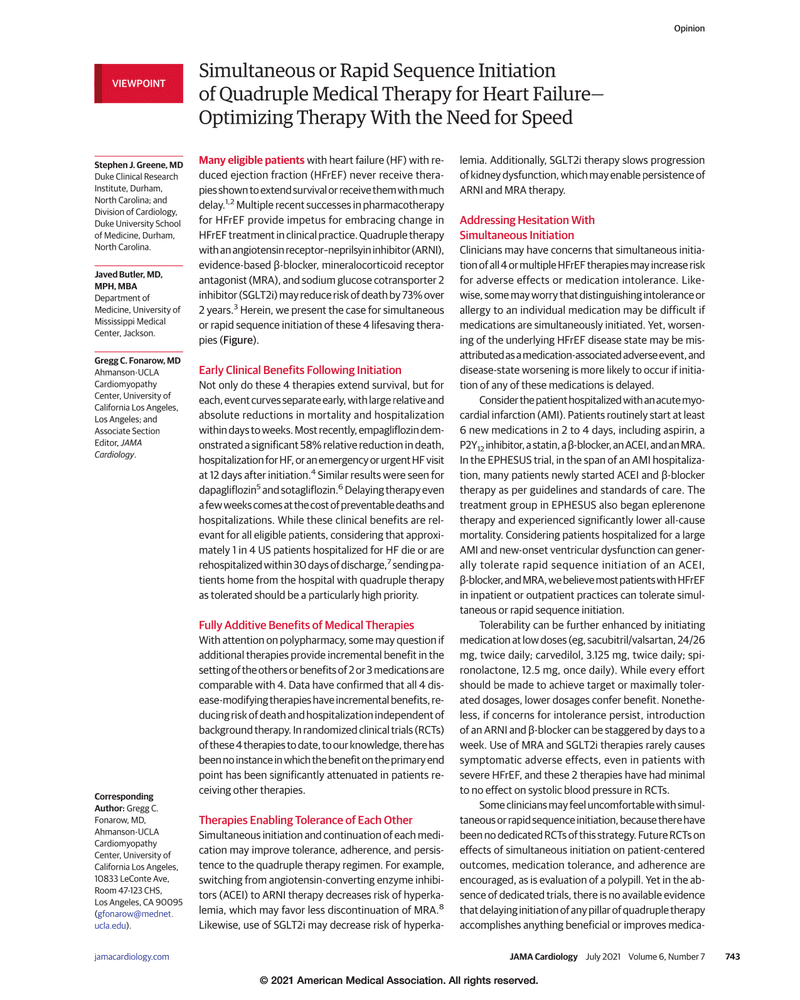
SIMULTANEOUS OR RAPID SEQUENCE INITIATION OF QUADRUPLE MEDICAL THERAPY FOR HEART FAILURE—OPTIMIZING THERAPY WITH THE NEED FOR SPEED
Duke Clinical Research Institute; Duke University School of Medicine; University of Mississippi Medical Center; Ahmanson-UCLA Cardiomyopathy Center
PDF2 pages122 KB
Many eligible patients with heart failure with reduced ejection fraction (HFrEF) do not receive timely therapies that can extend survival. Recent advancements in pharmacotherapy highlight the need for a change in treatment practices. The document presents evidence supporting the simultaneous or rapid initiation of quadruple therapy, which includes an angiotensin receptor-neprilysin inhibitor (ARNI), a beta-blocker, a mineralocorticoid receptor antagonist (MRA), and a sodium-glucose cotransporter 2 inhibitor (SGLT2i). This approach is shown to significantly reduce mortality and hospitalization rates shortly after initiation.
Sign in to open
Ask this resource
Answers use this document only.
Your first question is free.
More like this
Resources from the same specialty and type. Curated links will replace these when added.
Clinical Resources
Documents that extend or complement this resource.
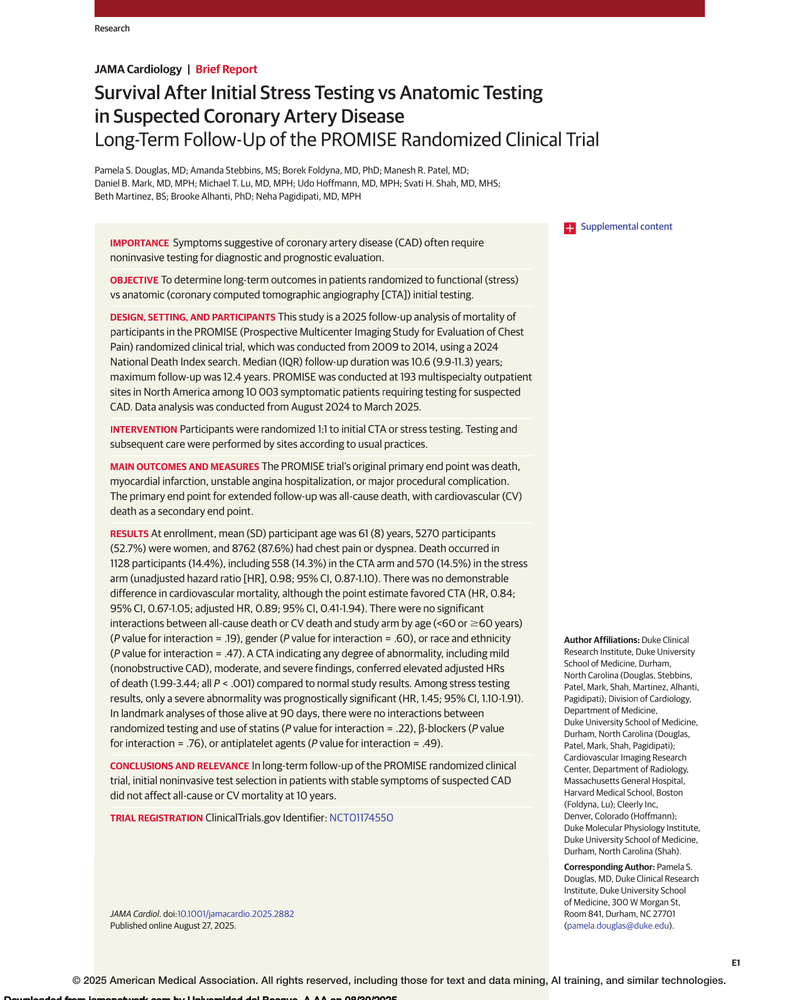
SURVIVAL AFTER INITIAL STRESS TESTING VS ANATOMIC TESTING IN SUSPECTED CORONARY ARTERY DISEASE
Same clinical topic · Cardiology

PRACTICAL CARDIO-ONCOLOGY
Same clinical topic · Cardiology

OXFORD CARDIOLOGY LIBRARY: Hypertension
Same clinical topic · Cardiology
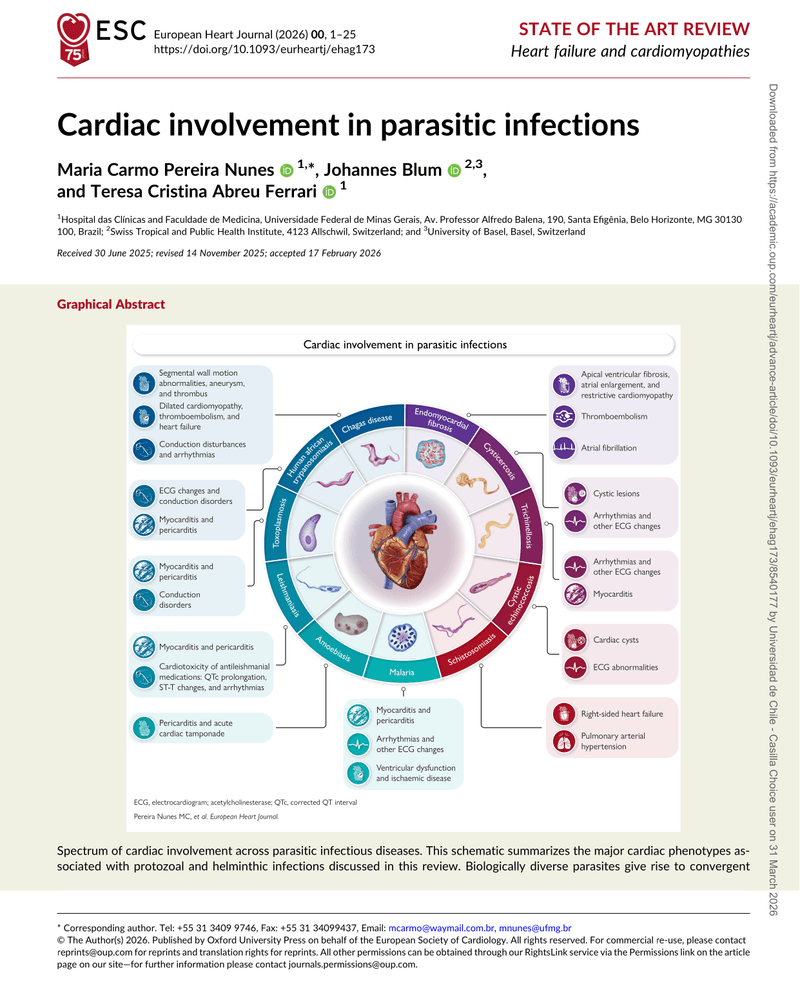
CARDIAC INVOLVEMENT IN PARASITIC INFECTIONS
Same clinical topic · Cardiology

The Athlete’s ECG
Same clinical topic · Cardiology
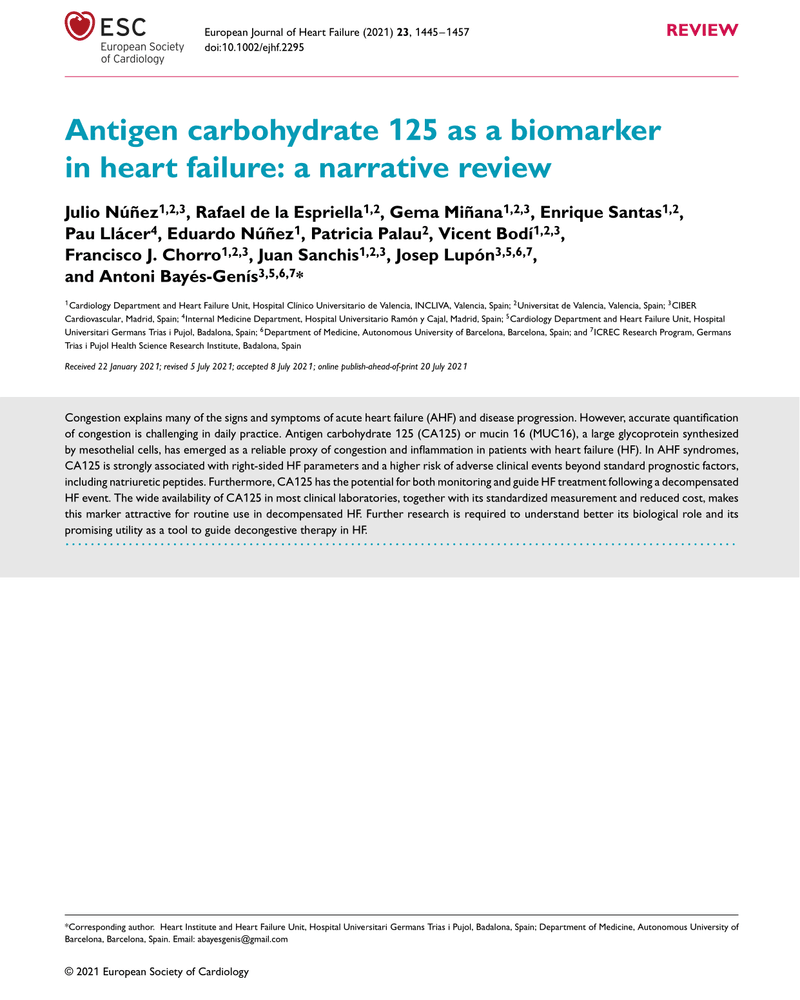
Antigen carbohydrate 125 as a biomarker in heart failure: a narrative review
Same clinical topic · Cardiology
Current ECG Aspects of Interatrial Block
Same clinical topic · Cardiology
Arrhythmic mitral valve prolapse in 2023: Evidence-based update
Same clinical topic · Cardiology
INTERPRETING THE NORMAL PACEMAKER
Same clinical topic · Cardiology