Please wait while we open this resource.


K

Clinical reviews
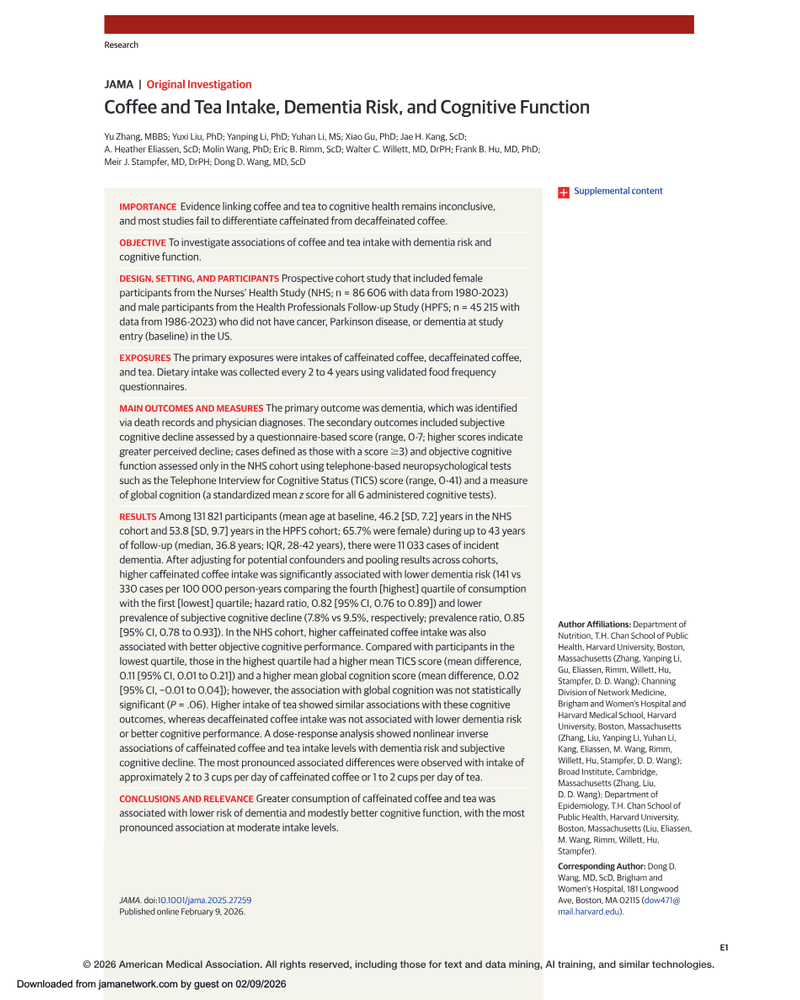
COFFEE AND TEA INTAKE, DEMENTIA RISK, AND COGNITIVE FUNCTION
Yu Zhang, MBBS; Yuxi Liu, PhD; Yanping Li, PhD; Yuhan Li, MS; Xiao Gu, PhD; Jae H. Kang, ScD; A. Heather Eliassen, ScD; Molin Wang, PhD; Eric B. Rimm, ScD; Walter C. Willett, MD, DrPH; Frank B. Hu, MD, PhD; Meir J. Stampfer, MD, DrPH; Dong D. Wang, MD,
PDF202514 pages354 KB
The research focuses on the potential links between coffee and tea consumption and cognitive health outcomes, particularly dementia. It analyzes data from the Nurses’ Health Study and the Health Professionals Follow-up Study, examining both subjective and objective measures of cognitive function. The findings aim to clarify the role of caffeinated versus decaffeinated coffee and tea in relation to dementia risk, addressing gaps in previous studies.
Sign in to open
Ask this resource
Answers use this document only.
Your first question is free.
More like this
Resources from the same specialty and type. Curated links will replace these when added.
Clinical Resources
Documents that extend or complement this resource.
Traumatic Brain Injury
Same clinical topic · Neurology
Classification of the Epilepsies
Same clinical topic · Neurology
Neuroimaging Patterns of Intracranial Infections: Meningitis, Cerebritis, and Their Complications
Same clinical topic · Neurology
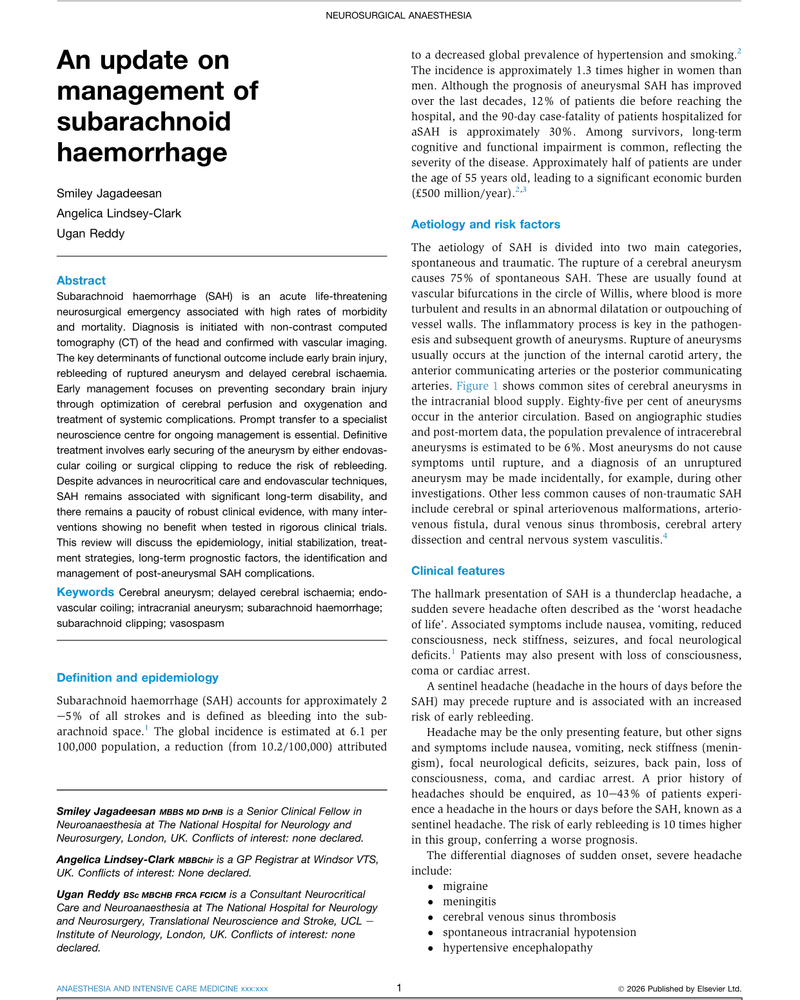
An update on management of subarachnoid haemorrhage
Same clinical topic · Neurology
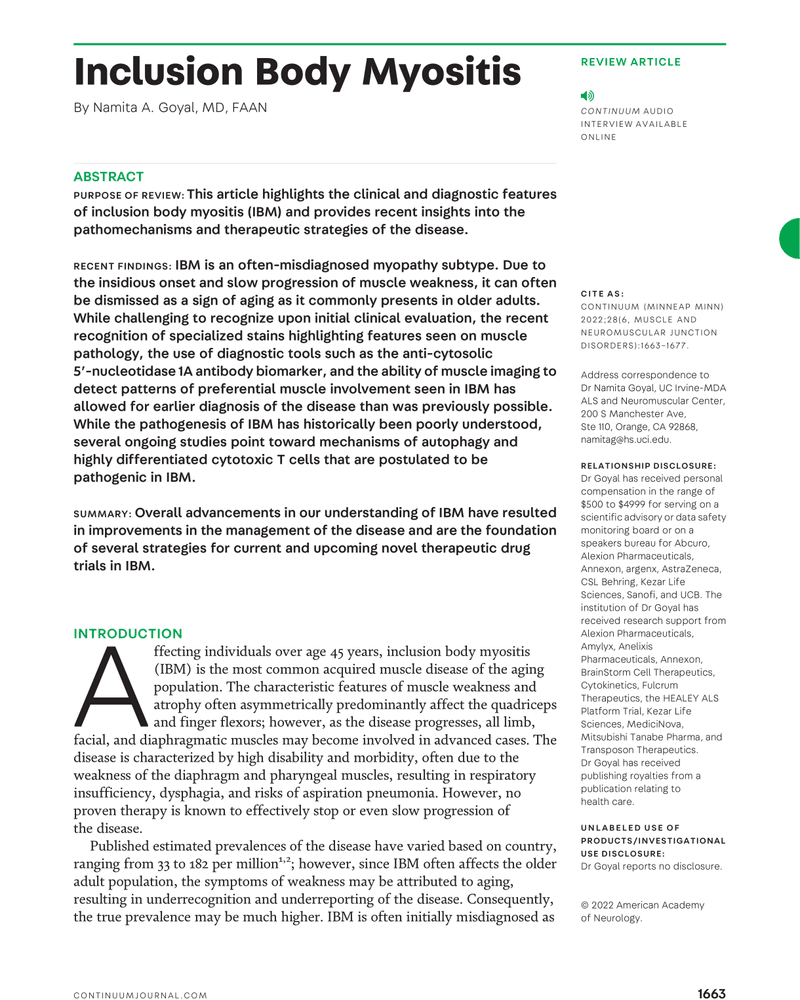
INCLUSION BODY MYOSITIS
Same clinical topic · Neurology
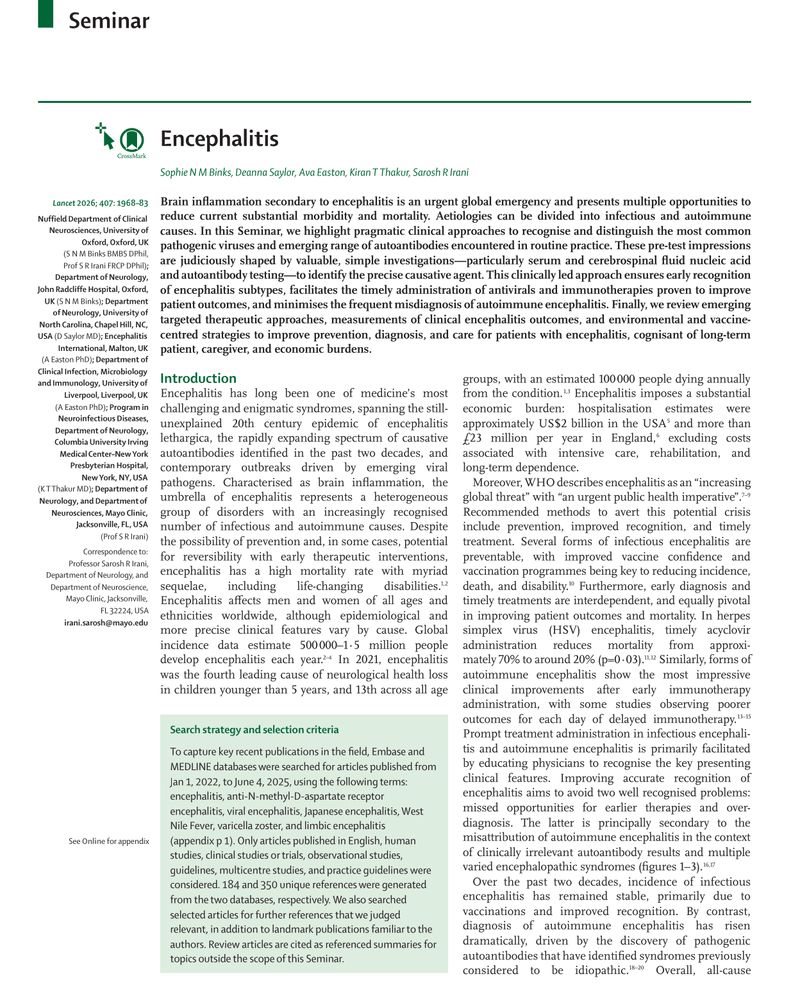
ENCEPHALITIS
Same clinical topic · Neurology
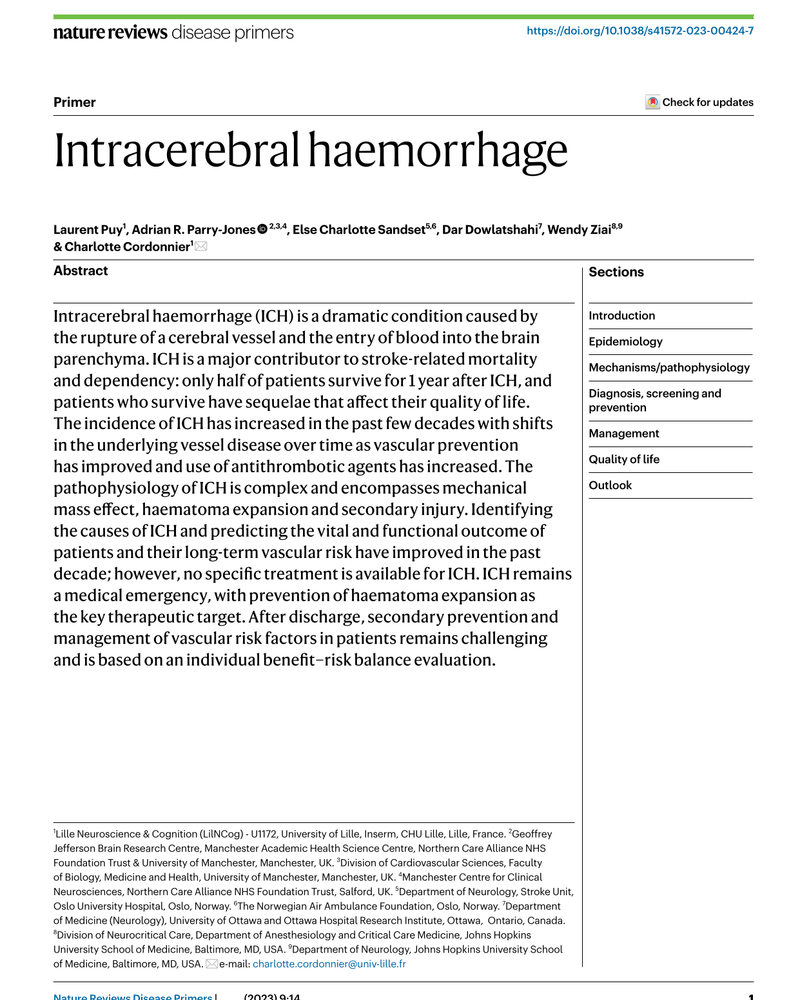
INTRACEREBRAL HAEMORRHAGE
Same clinical topic · Neurology
INCLUSION BODY MYOSITIS
Same clinical topic · Neurology
PREVENTION OF STROKE
Same clinical topic · Neurology